Popcorn Ceiling Asbestos Testing: 2026 Homeowner Guide
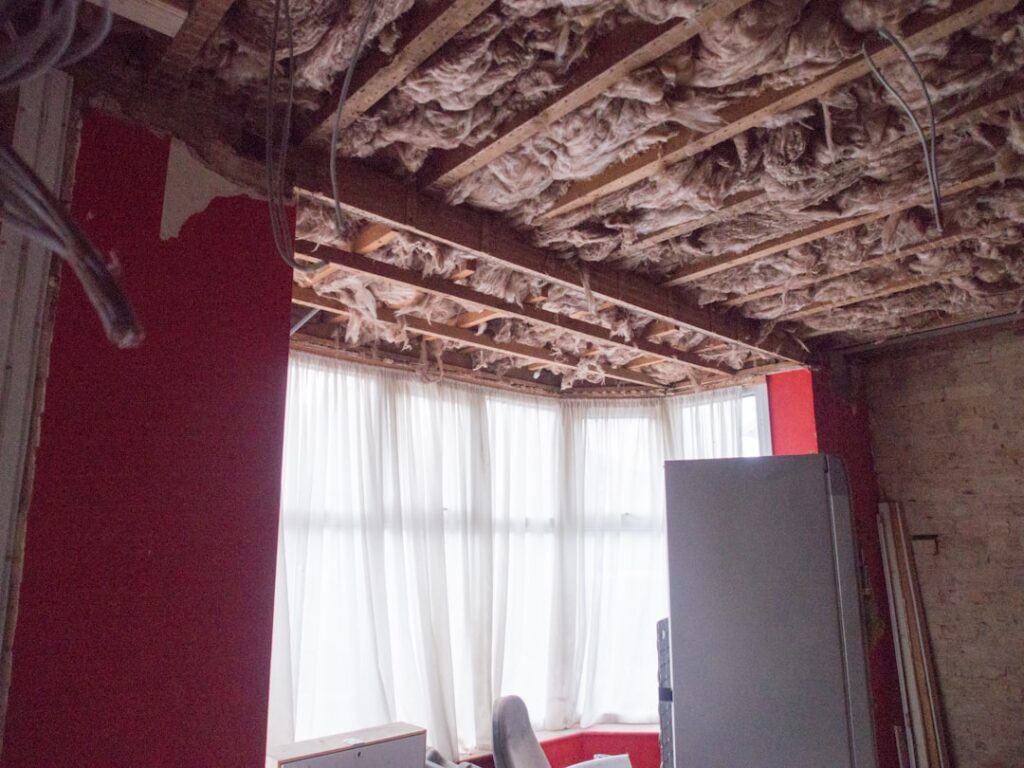
Popcorn ceiling asbestos testing is the single most common asbestos-test request among pre-1980 homeowners, and the reason is the math: textured spray-applied ceiling finishes installed between roughly 1950 and 1980 contained chrysotile asbestos at typical concentrations of 5 to 15 percent by weight, and disturbance during a planned scrape-and-resurface remodel releases respirable fibers if the underlying ceiling is positive. The cost of testing ($30 to $50 per sample at an accredited laboratory) is a small fraction of the cost of unprotected disturbance. This guide summarizes EPA, OSHA, and CDC guidance current as of 2026 — consult a licensed abatement professional before any work on a suspect ceiling. For the parent topic see the pre-1978 housing hazard guide.
Part of our Asbestos in the Home guide — start there for the full picture →
Is this mold, asbestos, or water damage? Get a free instant screen
Upload a clear photo of the suspect area. You'll get an instant AI screening opinion and what to do next. This is screening guidance, not a professional determination.
Screening guidance only. AI can be wrong. Confirm asbestos, mold type, or lead with lab testing or a licensed professional before acting.
Why test popcorn ceilings for asbestos?
Popcorn ceilings (also called textured ceilings, acoustic ceilings, cottage cheese ceilings, or stipple ceilings) were applied by spray gun across millions of U.S. homes during the post-war housing boom. The texture concealed minor drywall imperfections, reduced echo in living spaces, and provided fire-resistant qualities prized in mid-century construction. Chrysotile asbestos was a standard ingredient through the late 1970s, providing the fire resistance plus a structural binder for the cellulose and polystyrene-bead mixture.
EPA banned spray-applied asbestos-containing building materials in 1973, but existing inventory and reformulated transitional products kept asbestos in popcorn ceiling formulations through approximately 1980 in most markets. A pre-1980 popcorn ceiling is a presumptive asbestos-containing material under EPA’s NESHAP regulation absent laboratory test results to the contrary.
The risk is not the ceiling sitting intact on the gypsum substrate. Intact asbestos is bound in the matrix. The risk is the renovation event: scraping, sanding, water-soaking, or ceiling removal aerosolizes the fibers into the air a homeowner breathes during the work and afterward as the dust settles. See the EPA asbestos topic hub for the underlying NESHAP framework.
What age homes have asbestos popcorn ceilings?
Three age brackets carry different probability profiles.
Pre-1973 installation
Popcorn ceilings installed before EPA’s 1973 spray-applied ban almost certainly contain chrysotile asbestos. Concentrations typically range from 5 to 15 percent by weight. The bracket includes most homes built between 1955 and 1972 that received textured ceilings during original construction.
1973 to 1980 installation
Popcorn ceilings installed in the transition period after the 1973 ban often still contain asbestos. The ban applied to spray-applied asbestos-containing surfacing material as a product category, but existing inventory continued moving through the supply chain, and reformulated transitional products sometimes still contained asbestos below the regulatory threshold. The probability of a positive test in this bracket is roughly 30 to 50 percent depending on region and manufacturer.
Post-1980 installation
Popcorn ceilings installed after 1980 are largely asbestos-free, but laboratory testing remains the only definitive answer. Some regional contractors continued mixing in older inventory through 1985, and reformulated products occasionally introduced trace asbestos as contamination from the manufacturing line. Testing is inexpensive enough to perform regardless of installation date.
How does popcorn ceiling asbestos testing work?
The standard analytical method is Polarized Light Microscopy (PLM) under EPA Method 600/R-93/116. A laboratory technician examines a small sample of ceiling material under a polarized-light microscope, identifies fiber morphology by optical properties, and quantifies asbestos content by point-count or visual estimation. The result is expressed as percentage by weight, with the regulatory threshold at 1 percent for the NESHAP definition of asbestos-containing material.
PLM is the EPA-recognized method for bulk samples of building material. A second technique, Transmission Electron Microscopy (TEM), is used for air samples and for confirming sub-1-percent results in disputed bulk samples. PLM is sufficient for the routine popcorn-ceiling test.
Cost per sample
An accredited PLM laboratory charges $30 to $50 per sample for standard 5-to-7-day turnaround. Rush 24-hour turnaround typically runs $60 to $100 per sample. Most homeowners submit two or three samples from different ceiling areas to confirm uniform composition; some labs offer multi-sample discounts.
Turnaround time
Standard 5 to 7 business days from sample receipt. Rush 24-hour service costs more but is available from most labs. The turnaround matters when a planned renovation has a tight schedule.
How to collect a sample safely
EPA recommends professional sampling by a certified Asbestos Inspector or Asbestos Hazard Emergency Response Act (AHERA)-certified Building Inspector. Homeowner DIY sampling is technically allowed but carries exposure risk if performed without proper controls.
The professional sampling protocol
The inspector wets the sample area with a fine mist to suppress fiber release, scrapes a 1-square-inch area of ceiling material into a sealed bag, photographs the location, and records the location coordinates on a sampling map. Multiple samples taken from different areas confirm uniform composition. The samples ship to the laboratory under chain-of-custody documentation.
What homeowners should not do before testing
Do not dry-scrape the ceiling. Do not sand the ceiling. Do not perform aggressive vacuuming below the ceiling. Do not run a ceiling fan on high. Do not remove a section “just to see what it looks like.” Each of these activities aerosolizes fibers if the ceiling is positive, and once the fibers are airborne the household exposure has already occurred regardless of subsequent testing.
What happens after a positive test result?
A positive test confirms NESHAP regulatory status and triggers professional abatement requirements for any planned removal. Three options exist.
Leave intact (encapsulation)
The lowest-cost option. Intact asbestos popcorn ceiling is not a current health hazard. A coat of paint or a textured overcoat can encapsulate the surface and provide ongoing visual finish. The drawback is that future renovation still triggers abatement, and any disturbance during electrical work or fixture replacement requires controls.
Cover with new drywall
A second layer of drywall installed across the existing ceiling provides permanent enclosure. The new surface is smooth and paintable. Costs run $3 to $7 per square foot installed. The drawback is the ceiling height drops by half an inch to five-eighths inch.
Professional abatement removal
A licensed asbestos abatement contractor removes the popcorn ceiling under full containment (plastic-sheet enclosure, negative-pressure ventilation, HEPA filtration), with respiratory protection (P100 or PAPR), and post-project clearance air testing. Costs typically run $3 to $7 per square foot, with a typical 1,500-square-foot home running $5,000 to $10,000 all-in. The OSHA asbestos topic page documents the worker-protection requirements.
Where to find an accredited laboratory
EPA recognizes laboratories accredited under the National Voluntary Laboratory Accreditation Program (NVLAP) administered by NIST. The NVLAP directory lists accredited labs by state. AIHA (American Industrial Hygiene Association) also accredits asbestos laboratories under its EMLAP program. Either accreditation produces results acceptable for EPA, OSHA, and state regulatory purposes.
Many home-test kits sold online include prepaid shipping to an NVLAP-accredited lab. The kits run $25 to $60 plus the laboratory analysis fee. Homeowners should verify the lab accreditation before purchase; some inexpensive kits use unaccredited labs whose results lack regulatory standing. The Mesothelioma Center asbestos hub publishes lab-selection guidance.
Why DIY removal is the worst option
Homeowner DIY removal of a positive-tested popcorn ceiling without proper controls is the single highest-risk asbestos activity in residential renovation. The water-spray-and-scrape technique commonly recommended in DIY videos generates respirable fibers that remain airborne for hours, settle on every horizontal surface in the work area, and migrate through doorways and HVAC returns into the rest of the home. Cleanup with a standard vacuum redistributes fibers rather than capturing them.
OSHA worker-protection rules do not apply to homeowner self-work in a primary residence, which means a homeowner can legally perform unsafe asbestos work on their own ceiling. The absence of OSHA enforcement does not mean the activity is safe. The American Lung Association asbestos page documents the underlying health rationale. For broader context see the related asbestos illegal status guide.
How professional abatement actually works
The licensed abatement contractor follows a five-step protocol on a typical popcorn-ceiling removal project.
Step 1: pre-work preparation
Furniture is removed or covered, HVAC supply and return registers are sealed, floors and walls are covered with 6-mil plastic sheeting, and a critical barrier is installed at the room entrance. The work zone is established as a regulated containment area.
Step 2: negative-pressure ventilation
A HEPA-filtered air machine establishes negative air pressure inside the containment. The negative pressure prevents fiber migration outside the work zone. Pressure differential is monitored and documented during the project.
Step 3: removal under wet method
Workers wearing P100 respirators or PAPRs wet the ceiling material with an amended-water surfactant solution and scrape the saturated material into containment bags. Wet-method removal suppresses fiber release at the source.
Step 4: cleaning and decontamination
The work zone receives HEPA vacuuming followed by wet wiping of all surfaces. The plastic sheeting is rolled inward and bagged for disposal. Workers exit through a decontamination chamber.
Step 5: clearance air sampling
An independent industrial hygienist collects air samples inside the cleared work zone and analyzes by Transmission Electron Microscopy (TEM). Results must meet defined clearance thresholds before the containment is fully dismantled and the space is released back to the homeowner.
What homeowners commonly miss when budgeting abatement
Three cost factors beyond the per-square-foot abatement quote often surprise homeowners.
Disposal fees
Asbestos-containing waste must travel to a permitted disposal facility under chain-of-custody manifest documentation. Disposal fees run 50 to 200 dollars per cubic yard depending on the local facility and the volume.
HVAC system cleaning
If HVAC ductwork is accessible to the work zone, post-project duct cleaning by an accredited contractor adds 600 to 1,500 dollars. Larger systems cost more.
Replacement ceiling finish
The abated ceiling is bare gypsum board after removal. Skim coating, texture matching, and painting add 2 to 4 dollars per square foot installed. A 1,500-square-foot project commonly adds 3,000 to 6,000 dollars in finish work on top of the abatement quote.
Records to keep after abatement
The abatement project produces a documentation package the homeowner should retain indefinitely. Components include the pre-work asbestos test result, the abatement work plan, the air-sampling clearance report, the waste-manifest paperwork from the disposal facility, and the contractor’s lead-safe and asbestos-certification credentials. The package supports any future real-estate disclosure, insurance question, or sale-related buyer inquiry. Some Front Range buyers specifically ask sellers for documented abatement of textured ceilings during pre-2010 transactions; the records package answers the question definitively.
Comparing the three management options in detail
The three management options (leave intact, enclose with new drywall, professional abatement removal) have different cost, disruption, and long-term-implications profiles.
Leave intact (encapsulation)
Cost: 0 to 500 dollars (paint sealer overcoat if applied). Disruption: minimal, can be completed in a day. Long-term implication: any future renovation still requires abatement protocols. Resale impact: some buyers ask about textured ceiling history, but disclosure of intact asbestos with no current disturbance is generally accepted. Best for homeowners not planning renovation and not selling soon.
Cover with new drywall
Cost: 3 to 7 dollars per square foot installed, typically 4,500 to 10,500 dollars for a 1,500-square-foot home. Disruption: 3 to 5 days of construction. Long-term implication: the asbestos remains in place but is enclosed; future renovation still requires abatement when the enclosure is removed. Resale impact: ceiling height drops by half-inch; some inspectors note the layered ceiling in reports. Best for homeowners wanting permanent enclosure without disposal costs.
Professional abatement removal
Cost: 3 to 7 dollars per square foot for abatement plus 2 to 4 dollars per square foot for replacement finish; total typically 7,500 to 16,500 dollars for a 1,500-square-foot home. Disruption: 5 to 10 days of containment and work. Long-term implication: asbestos permanently removed; no future special protocols required. Resale impact: positive; the property carries a clean abatement record. Best for homeowners planning major renovation or wanting permanent peace of mind.
What to ask an abatement contractor before signing
Five questions surface most disqualifying issues during the bidding process. What is your state asbestos abatement license number? Who is the independent industrial hygienist performing clearance air sampling? Where will the asbestos-containing waste be disposed and can I see the permitted facility name? What containment method will you use and how will negative-pressure ventilation be established? What is your project timeline including the clearance-testing window?
More Questions About Popcorn Ceiling Asbestos Testing
Can a popcorn ceiling installed after 1980 contain asbestos?
A popcorn ceiling installed after 1980 can still contain asbestos, though it is less likely. The 1978 federal ban on asbestos in spray-applied surfacing materials did not stop contractors from using existing stock, and some products made before the ban were installed for several years afterward. Homes built in the early to mid 1980s are a gray area. Testing is the only way to know. A sample analyzed by an accredited lab is inexpensive compared with the cost of disturbing contaminated ceiling material.
What is the difference between PLM and TEM testing for popcorn ceilings?
PLM, or polarized light microscopy, is the standard and lower-cost test for popcorn ceiling samples and is usually enough for most homes. TEM, or transmission electron microscopy, detects much smaller fibers and is used to confirm low or trace results, or when regulations require it. PLM results are reported as percentages and typically cost less per sample. If PLM shows trace or below-1-percent asbestos, some consultants recommend TEM before deciding that a ceiling is safe to remove.
How long after popcorn ceiling abatement can you return home?
Most homeowners can return home after popcorn ceiling abatement once clearance air testing passes, typically within one to three days after work ends. Abatement itself usually takes one to several days, depending on ceiling area. Clearance testing involves collecting air samples inside the containment after cleaning; lab analysis can take a few hours to a day. Contractors remove containment only after passing results. Ask for a written clearance report before moving back in.
How does clearance air testing work after popcorn ceiling removal?
Clearance air testing after popcorn ceiling removal involves an independent inspector collecting air samples inside the work area using pumps, often while fans agitate the air to stir up remaining dust. The samples are analyzed, often by PCM or TEM, and compared with clearance criteria. If results pass, containment comes down. If they fail, the area is recleaned and retested. Using an inspector not employed by the abatement contractor adds independence. Keep the report with home records.
References
- EPA asbestos topic hub — U.S. Environmental Protection Agency
- OSHA asbestos safety and health topic page — Occupational Safety and Health Administration
- CDC NIOSH asbestos topic — Centers for Disease Control and Prevention
- Mesothelioma Center asbestos hub — asbestos.com
Frequently asked questions
How much does popcorn ceiling asbestos testing cost?
Standard PLM analysis at an accredited laboratory runs $30 to $50 per sample with a 5-to-7-day turnaround. Rush 24-hour service typically runs $60 to $100 per sample. Most homeowners submit two or three samples to confirm uniform composition across the ceiling.
Can I test popcorn ceiling asbestos myself?
Homeowner DIY sampling is allowed but introduces exposure risk if done without proper wetting and containment. Professional sampling by a certified Asbestos Inspector costs $150 to $350 for the visit plus per-sample lab fees. The professional route is preferred for homeowners planning renovation.
What if I already scraped some popcorn ceiling before testing?
Stop work immediately. Leave the area undisturbed, run a HEPA air filter if available, and consult a certified asbestos professional before resuming. If the material tests positive, post-disturbance air sampling and possible decontamination may be needed.
Is intact asbestos popcorn ceiling dangerous?
Intact ceiling is not a current health hazard because the asbestos fibers are bound in the matrix. Risk arises only during disturbance: scraping, sanding, water-soaking, or removal. Leaving the ceiling intact and painting over it is a legitimate management option.
Does a popcorn ceiling have to be tested before painting?
Testing a popcorn ceiling before painting is not required for simple painting, but it is wise in pre-1985 homes because paint can loosen texture or make later testing harder. Spraying paint without scraping usually avoids disturbance. Any scraping, sanding or repair should wait for test results.
How much does popcorn ceiling asbestos removal cost?
Popcorn ceiling asbestos removal typically costs several dollars per square foot, according to industry estimates, often totaling a few thousand dollars for an average home. Costs vary by region, ceiling height and access. Disposal, clearance testing and ceiling refinishing add to the final price.
Can you sell a house with asbestos popcorn ceilings?
Yes, a house with asbestos popcorn ceilings can be sold, but sellers often must disclose known asbestos under state disclosure rules. Buyers may negotiate on price or request abatement. Intact ceilings are usually not an immediate hazard, but documentation helps sales.
Front Range homeowners with pre-1980 textured ceilings can reach out through our contact page for a referral to a certified asbestos inspector or accredited testing laboratory.
Asbestos test kits
Asbestos can only be confirmed by a lab. A mail-in kit gets you a sealed sample container and accredited analysis — never sand or disturb suspect material first.
| Product | Why | Buy |
|---|---|---|
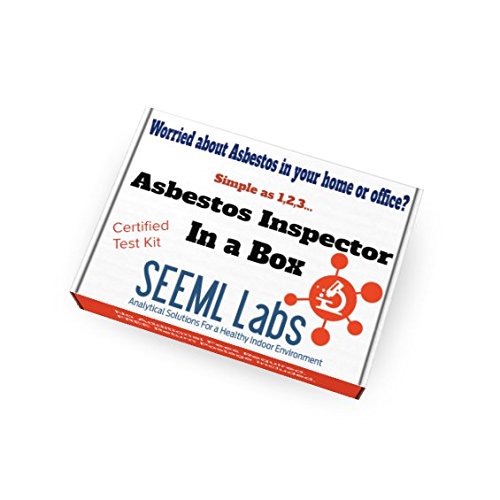 Asbestos Test Kit (mail-in lab) | Includes PPE + sealed mailer. | Amazon — $22.00 |
 Pro-Lab Asbestos Test Kit | Widely available; lab fee separate. | Amazon — $63.99 |