Where Is Black Mold Found: A Plain-Language Guide
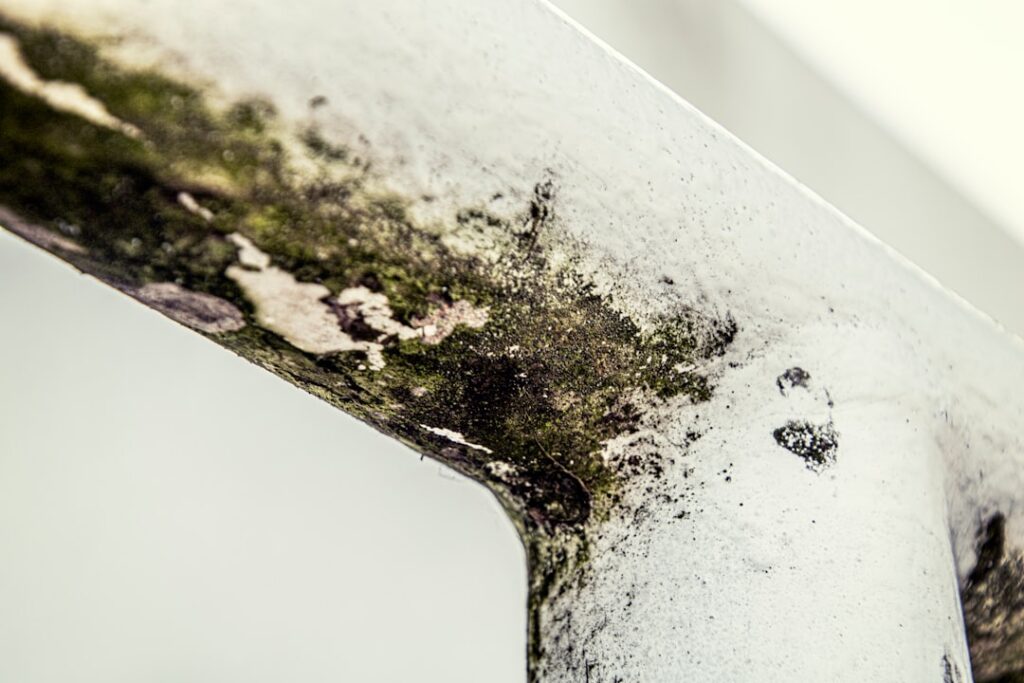
“Where is black mold found in a house” is a practical question, and a practical answer is possible without descending into medical territory. Indoor mold tends to colonize predictable locations because the conditions that allow it (sustained moisture, organic substrate, limited airflow) reliably occur in the same places across most residential buildings. This article summarizes EPA, CDC, and NIEHS guidance on residential mold for homeowners. It is not medical advice; symptoms believed to be related to mold should be evaluated by a physician. The home-side answer below walks through the locations that produce most household mold discoveries, what to look for in each, and the order of operations to handle whatever a homeowner finds.
Is this mold, asbestos, or water damage? Get a free instant screen
Upload a clear photo of the suspect area. You'll get an instant AI screening opinion and what to do next. This is screening guidance, not a professional determination.
Screening guidance only. AI can be wrong. Confirm asbestos, mold type, or lead with lab testing or a licensed professional before acting.
Where Is Black Mold Found Most Often: The Short List
Federal sources and remediation professionals describe the same recurring locations in residential buildings: bathrooms, kitchens, laundry areas, basements, crawlspaces, attics, HVAC components, behind drywall in plumbing-wet walls, under sinks, around windows, and inside any cavity that has had a sustained moisture event. The common thread is moisture, not geography. Once a location accumulates dampness for more than 24 to 48 hours, indoor mold becomes possible, and once the moisture stays for longer, growth becomes likely. The mold inspection and testing pillar covers the homeowner picture of how to investigate suspected growth.
“Black mold” colloquially refers to Stachybotrys chartarum, which prefers high-cellulose materials that have been continuously wet for at least a week. Many other dark-colored molds (Cladosporium, certain Aspergillus species, Alternaria) grow in similar locations and are often mistaken for Stachybotrys on visual inspection. Visual identification of mold genus is unreliable; the species question is answered by laboratory analysis, not by looking.
Bathrooms: The Most Common Discovery Location
Bathrooms combine all three conditions mold needs. Long, hot showers generate humidity that condenses on cool surfaces. Tile grout, caulk joints, and painted drywall provide organic substrate. Limited airflow (especially when exhaust fans are absent, undersized, or vent into attic cavities) keeps the moisture in place long enough for growth.
Common Bathroom Locations
Caulk joints around tubs and showers (especially where caulk has shrunk and allowed water behind), grout lines that have been worn smooth, the ceiling drywall above a shower, the wall behind a tub surround, the floor near the toilet wax-ring seal, under-sink cabinet floors, and the inside of exhaust fan housings. Bathrooms in basements add the basement moisture profile to the bathroom profile and become higher-risk locations than ground-floor or upper-floor bathrooms.
What to Check First
Confirm the exhaust fan actually moves air (a tissue should pull noticeably to the grille). Confirm it vents to the exterior, not into an attic. Look at the wall surface behind toilets and at the base of tubs for staining or paint blistering. Check the underside of the bathroom ceiling for staining if there is a bathroom above.
Basements and Crawlspaces
Below-grade spaces are the second most common mold-discovery zone in Front Range homes. The combination of cool surfaces (susceptible to condensation in summer), groundwater pressure against foundations, and the high concentration of porous materials at the slab-wall junction makes basements predictable mold environments.
Common Locations
The bottom course of drywall along basement perimeter walls, carpet pad near exterior walls, the wood-framed walls and headers above basement windows, sump-pit components and adjacent flooring, water-heater pans that have collected leakage, and the underside of the basement ceiling (the subfloor of the main level) where plumbing runs.
Crawlspace Specifics
Crawlspaces with exposed soil, inadequate vapor barriers, or chronic high humidity often show growth on the underside of the floor system above. Joists, subfloor, and any organic debris on the soil all provide substrate. The home-side answer for crawlspace mold often includes sealing the space (encapsulation), adding active dehumidification, and addressing the moisture source rather than trying to clean every surface individually.
Kitchens and Laundry Areas
Kitchens combine plumbing risk with food, heat, and humidity. Laundry rooms combine plumbing supply lines, drains, and high humidity from dryer vents.
Kitchen Locations
Under sinks (the most common source of hidden growth in kitchens, from slow supply or drain leaks), behind the refrigerator (icemaker supply lines are notorious), inside dishwasher cabinets, and inside garbage-disposal connections.
Laundry Locations
Behind washing machines (supply hoses, drain hose connections), inside front-loader door gaskets (a separate but related issue), and at dryer-vent terminations that have collected lint and condensation.
Attics
Attic mold has a specific signature that experienced inspectors recognize quickly: dark staining on the underside of roof sheathing, often concentrated at the north slope, around plumbing-stack penetrations, or above bathroom-fan exits that vented improperly.
Common Attic Locations
Underside of roof sheathing (OSB or plywood), especially on the north slope where surfaces stay cooler. Around bathroom-fan terminations that exhaust into the attic rather than to the exterior. At plumbing-stack penetrations where flashing has failed. Along ridge venting that has been blocked by insulation. On stored cardboard or organic materials in attic storage areas.
What Drives Attic Mold
The recurring causes are inadequate attic ventilation (insufficient soffit and ridge venting), bathroom and kitchen fans exhausted into the attic, air leakage from conditioned space into the attic (bypasses at recessed lights, plumbing chases, and top plates), and roof leaks. Each of these elevates the moisture content of sheathing during cold weather and produces the dark staining homeowners discover when they go up to check insulation.
Inside Walls and Ceilings
Mold inside wall and ceiling cavities is often the most expensive to remediate because it cannot be seen until the finishes are opened. Three patterns produce most hidden growth.
Plumbing-Wet Walls
The wall behind a tub surround, around toilet supply valves, behind under-sink plumbing, and around washing-machine connections. Slow leaks in these locations run for months before evidence reaches an interior finish.
Window and Wall Flashing Failures
Water entering at improperly flashed windows or at roof-to-wall transitions without kickout flashing travels down inside the wall behind drywall. The first visible sign is often a stain at the bottom plate or a soft spot in the drywall at the corner.
Ceiling Cavities Below Bathrooms
Second-story bathrooms with worn caulk, failed shower pans, or compromised wax seals deposit water into the ceiling cavity below. Stains appear first on the ceiling; growth follows on the ceiling drywall paper.
HVAC and Air-Handling Components
HVAC mold creates a distribution mechanism that affects every conditioned room. Federal and trade-association guidance treats HVAC contamination as a special case requiring careful evaluation.
Components Most Affected
Evaporator coils with biofilm buildup, drain pans with standing water, condensate lines that have backed up, internal duct insulation (especially older fiberglass duct liner with dust accumulation), and supply registers in cool, poorly insulated walls where condensation forms. A more detailed look at where to find black mold covers the location-by-location inspection sequence.
Around Windows and Doors
Older single-pane windows and poorly insulated frames generate condensation on the interior surface during winter. The condensation runs down to sills and into adjacent paint and drywall. Caulk joints around exterior doors that have failed permit water entry that travels behind interior trim.
Less Obvious Locations
A few locations are not on every homeowner’s mental list but produce mold reliably.
Behind heavy furniture pressed against exterior walls in basements. Inside HVAC supply registers in poorly insulated walls. In the kick spaces beneath kitchen cabinets where slow under-sink leaks pool. Inside humidifier reservoirs (portable and whole-home). On window weep-hole accumulations. On stored cardboard, books, or paper goods in damp basements. Inside leather and fabric furniture stored in unconditioned spaces.
The Home-Side Order of Operations
Wherever black mold is found, the response framework is the same. Identify the moisture source feeding the location. Stop the source (a plumbing repair, a roof repair, a flashing repair, an HVAC adjustment). Dry materials to recognized moisture-content thresholds. Remove unsalvageable porous materials. Clean salvageable surfaces. Verify with moisture readings that conditions support no regrowth. For affected areas above the EPA’s 10-square-foot threshold, sewage-involved water losses, recurring growth after prior cleanups, or any situation with health-vulnerable occupants, professional remediation under IICRC S520 protocols is the recognized approach.
References
- EPA mold resource center — U.S. Environmental Protection Agency
- CDC overview of mold and dampness — Centers for Disease Control and Prevention
- NIEHS topic page on mold — National Institute of Environmental Health Sciences
- American Lung Association on mold and dampness — American Lung Association
Front Range homeowners who want a careful walkthrough of suspected mold locations can reach out through our contact page for a vetted local inspector connection.