Mold on Fabric: How to Clean It and When to Throw It Out
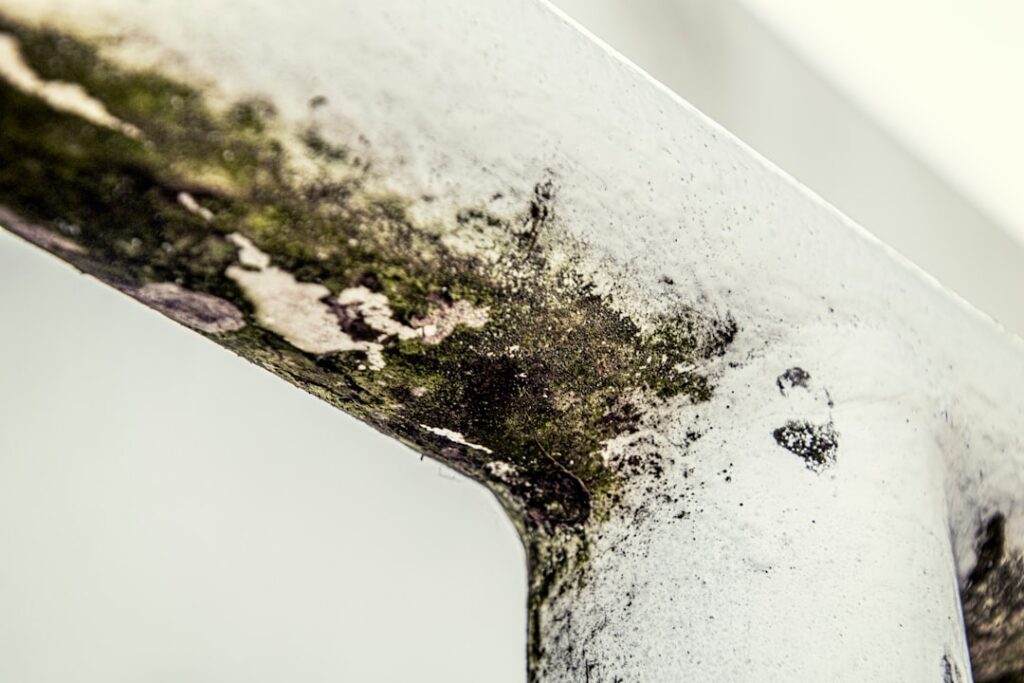
A forgotten load of wet laundry, a gym bag zipped shut for a week, curtains pressed against a sweating window, or patio cushions left out through a wet spring can all end up with the same thing: speckled spots and a sour, musty smell. Mold on fabric is common because textiles are porous, absorb water, and hold onto it, and many of them are made of plant fibers that mold can feed on. Some items wash clean. Others are better discarded. This guide covers clothing, upholstery, curtains, canvas and outdoor cushions, how to clean washable and non-washable items, when to throw something out, why fabric keeps getting musty, and how to stop it happening again. It summarizes EPA and CDC guidance current as of 2026 for Colorado Front Range homes. It is not medical advice; anyone with symptoms should talk with a physician, and recurring or widespread growth is worth an on-site look from a qualified inspector.
Part of our Types of Mold guide — start there for the full picture →
Is this mold, asbestos, or water damage? Get a free instant screen
Upload a clear photo of the suspect area. You'll get an instant AI screening opinion and what to do next. This is screening guidance, not a professional determination.
Screening guidance only. AI can be wrong. Confirm asbestos, mold type, or lead with lab testing or a licensed professional before acting.
Why Mold Grows on Fabric
Mold needs two things indoors: moisture and food. EPA’s mold course lists cloth alongside paper, wood, plant material and soil as organic materials that mold can use as food, and identifies moisture as the most important factor influencing indoor growth (EPA, Mold Course Chapter 1). CDC lists fabric, upholstery and carpet among the materials mold can grow on, and notes that spores from outdoors can be carried inside on clothing, shoes and bags (CDC, About Mold).
Natural fibers such as cotton, linen, canvas, jute, wool and rayon give mold the most to work with. Synthetics such as polyester and nylon are less of a food source, but they still collect skin oils, soap residue, dust and body soil that mold can grow on, and they can trap moisture in seams, padding and foam. That is why a polyester cushion with a foam core can still go moldy from the inside.
Spores are everywhere, so the trigger is almost always moisture that lingers. EPA stresses drying water-damaged areas and items within 24 to 48 hours to prevent growth (EPA, A Brief Guide to Mold, Moisture and Your Home). Fabric that stays damp longer than that, such as a towel balled up in a hamper or a tent packed away wet, is an easy target. The guide to whether mold can grow without moisture explains why even high humidity alone can be enough over time.
What it looks like on textiles
On fabric, growth usually starts as small gray, black, green or white spots, often in clusters, along folds, seams, hems and areas that stayed damp longest. It may look fuzzy or powdery up close. Early on there may be only a smell. Over time, mold can leave colored stains that remain after the growth is gone, because pigments work into the fibers. The guide to mildew stains covers those lingering marks, and black mold vs mildew on wood explains how the everyday terms “mold” and “mildew” are used, a distinction that carries over to textiles.
Is Mold on Fabric Harmful?
Moldy fabric is close to the face and skin, so it matters more than a patch on a distant basement wall. EPA explains that molds produce allergens, irritants and, in some cases, potentially toxic substances, and that inhaling or touching mold or spores may cause allergic reactions in sensitive people (EPA). CDC describes reactions ranging from none to a stuffy nose, sore throat, coughing or wheezing, burning eyes or skin rash, and notes that people with asthma or mold allergies may have severe reactions, while immune-compromised people and those with chronic lung disease may get lung infections from mold (CDC).
In practical terms: moldy bedding, pillows, crib items and clothing worn against the skin deserve quick attention, and a household member with asthma or a weakened immune system should not be the one shaking out or brushing moldy textiles. EPA’s mold course also notes that dead mold can still cause allergic reactions, so killing mold in a fabric is not the same as removing it (EPA, Mold Course).
The smell is a signal
The musty odor comes from compounds that molds release, which EPA’s course calls microbial volatile organic compounds, and EPA notes that a moldy odor suggests mold is growing and should be investigated. A towel or shirt that smells musty straight out of the dryer was usually left damp too long before or after washing. A closet where everything smells the same way points to a room-level moisture problem rather than one bad item. The guide to mildew smell covers tracking down the source.
How to Clean Washable Fabric
Most clothing, sheets, towels, cotton curtains and removable cushion covers can be saved if the growth is caught early and the fabric is still sound. The general approach below is common household practice; always check the care label first, since water temperature and bleach tolerance vary by fiber and dye.
Before you start
- Take it outside if possible. Brushing or shaking dry growth releases spores. Doing it outdoors, downwind, keeps them out of the house.
- Protect yourself. CDC’s homeowner cleanup guide recommends an N-95 respirator at a minimum, goggles and protective gloves when cleaning up mold (CDC, Homeowners and Renters Guide to Mold Cleanup). The respirator for mold guide covers fit and options.
- Keep moldy items separate. Bag them for the trip to the washer and do not mix them with clean laundry.
Washing
- Brush off loose growth outdoors. Use a soft brush on sturdy fabrics. Skip this on delicate items.
- Pre-soak if needed. A soak in warm water with laundry detergent helps loosen growth and odor from heavily affected items.
- Wash in the hottest water the fabric allows. Hot water is more effective at removing growth and odor, but the care label sets the limit. Hot water can shrink wool and some cottons and fade dyes.
- Add a bleach suited to the fabric. Oxygen bleach (sodium percarbonate) is commonly used on colored and many synthetic fabrics. Chlorine bleach is an option for white cotton and other bleach-safe whites only. Both are labeled for specific uses, so follow the product and care-label instructions. CDC warns never to mix bleach with ammonia or other cleaners, because that produces a poisonous gas.
- Repeat if a smell remains. One wash does not always clear odor from towels and heavy cotton.
- Dry completely, ideally in sun. Line-drying in direct sunlight is a long-standing household method; sunlight and airflow dry fabric fast, and sun can help fade some stains on whites and colorfast fabric. On dark colors, limit sun time to avoid fading. Otherwise, machine-dry fully on the hottest setting the label allows.
Expect some stains to stay. EPA notes that mold may cause staining and cosmetic damage, and it may not be possible to restore an item’s original appearance (EPA, Mold Cleanup in Your Home). A clean but stained work shirt may be fine; a stained baby blanket may not be worth keeping.
Clean the washer, too
Front-loading washers in particular can hold water in the door gasket and detergent drawer, and a musty washer will make clean laundry smell musty. Wipe the gasket dry after use, leave the door open between loads, and run the manufacturer’s cleaning cycle on schedule.
Non-Washable Fabric: Upholstery, Mattresses, Canvas and Cushions
Items that cannot go in a washer are harder. Their padding, foam and backing can hold moisture and growth well below the surface.
Upholstered furniture
For light surface spots on a sofa or chair that got damp briefly, vacuum outdoors with a HEPA-filtered vacuum, clean the area with an upholstery cleaner appropriate for the fabric code, and dry thoroughly with fans and, if possible, sun. If the furniture was soaked, especially by flood water, or the growth has spread into cushions and padding, EPA’s guidance on porous materials applies: absorbent or porous materials may have to be thrown away if they become moldy, because mold can fill the crevices and be difficult or impossible to remove completely (EPA). For expensive or sentimental pieces, EPA suggests consulting a specialist in furniture repair, restoration or conservation.
Mattresses and pillows
Mattresses and pillows are deep, absorbent, and used for hours a night with a face right against them. Surface spots from a spilled drink that dried quickly may clean up. Growth that came from soaking, flooding or long-term dampness is usually a discard, since the interior cannot be dried or cleaned reliably.
Curtains and drapes
Unlined cotton or polyester curtains can usually go through the washer per the care label. Lined, pleated or blackout drapes often cannot. Mold on curtains tends to appear along the bottom hem and the side touching a window that sweats in winter, so washing them without addressing condensation means it comes back.
Canvas, tents and outdoor cushions
Canvas awnings, tents, umbrellas, boat covers and patio cushions live outdoors and often get packed away damp. For canvas and outdoor fabric, brush off growth outdoors, scrub with a mild detergent solution or a cleaner made for that fabric, rinse, and dry fully in sun before storing. Check the manufacturer’s instructions before using any bleach, since some coatings and dyes do not tolerate it. Outdoor cushions with foam cores can stay wet inside for days after rain; unzipping covers, standing cushions on edge to drain, and storing them dry under cover all help. Cushions that smell musty from the core even after the covers are washed are usually past saving.
Carpets and rugs
Small area rugs can sometimes be washed or professionally cleaned. Wall-to-wall carpet and pad that were wet for more than a day or two are a different case, and EPA specifically names carpet as an example of a porous material that may have to be thrown away.
Fabric Types, Cleaning Approach and When to Discard
The table below summarizes common household textiles. It is a starting point, not a rule; the care label, the extent of growth and the people using the item all factor in.
| Fabric type | Cleaning approach | When to discard |
|---|---|---|
| Cotton and linen clothing, sheets, towels | Brush outdoors, pre-soak, hottest water the label allows, detergent plus oxygen bleach or chlorine for whites per label; dry fully, sun if possible | Fabric is weakened or falling apart, or musty odor persists after repeated washing |
| Synthetics (polyester, nylon, blends) | Warm water within label limits, detergent and oxygen bleach; dry completely | Odor returns quickly after washing, which may point to growth in seams or padding |
| Wool, silk and delicates | Follow care label; gentle hand wash or professional cleaning; avoid chlorine bleach | Visible growth that a professional cleaner cannot remove, or heavy staining |
| Upholstered furniture | HEPA vacuum outdoors, upholstery cleaner matched to fabric code, thorough drying | Soaked by flood or sewage water, or growth in cushions or padding |
| Mattresses and pillows | Surface spot cleaning only for minor, quickly dried spills | Growth from soaking, flooding or long-term dampness |
| Curtains and drapes | Machine wash if label allows; lined or pleated drapes to a professional cleaner | Growth through lining or interfacing, or repeated regrowth |
| Canvas, tents, awnings, outdoor cushions | Brush outdoors, mild detergent scrub, rinse, dry fully in sun; check manufacturer guidance on bleach | Foam cores that stay musty, or canvas that is rotting or tearing |
| Wall-to-wall carpet and pad | Professional cleaning and drying for brief, clean-water wetting | Wet longer than about 24 to 48 hours, or wetted by flood or sewage water |
CDC’s prevention advice points the same way: remove or replace carpets and upholstery that have been soaked and cannot be dried right away, and avoid carpet in places like bathrooms or basements that may have a lot of moisture (CDC).
Why Fabric Keeps Getting Moldy at Home
If one item gets moldy, the cause is usually how it was handled. If many items in one place get moldy, the cause is usually the room.
Damp laundry habits
- Wet towels and workout clothes left in a hamper or bag.
- Washed loads left in the machine overnight.
- Clothes put away before they are fully dry, especially thick seams, cuffs and waistbands.
- Indoor drying racks in small, closed rooms with no ventilation.
Humid storage areas
Basements and closets on exterior walls are the usual suspects. Basement air is cooler, so its relative humidity tends to be higher than upstairs, and walls in contact with soil can be damp. Closets on exterior walls are cooler and poorly ventilated, so moisture condenses where clothing is packed tightly. EPA recommends keeping indoor humidity below 60 percent, ideally between 30 and 50 percent, and notes that relative humidity can be measured with an inexpensive humidity meter (EPA). The guides to basement humidity, mold and humidity, and what humidity mold grows at go deeper on targets and measurement.
Front Range specifics
Colorado’s dry climate helps, but it does not rule out moldy textiles. Common local causes include summer basement dampness, swamp coolers adding moisture to the air, winter humidifiers set high enough to fog windows, and window condensation behind curtains in cold snaps. Spring hail and heavy rain also catch patio cushions and awnings outside. A flood, sewer backup or sprinkler-line break that wets stored boxes of clothing is the most common cause of large-scale fabric losses.
Sorting Fabric After a Leak or Flood
A burst pipe, sewer backup, window-well flood or roof leak can wet dozens of textiles at once, and the 24 to 48 hour drying window EPA describes goes by quickly. Triage helps keep the losses down.
Start with the water source
Clean water from a supply line is a different situation from flood water or sewage. EPA’s cleanup guidance says that if water or mold damage was caused by sewage or other contaminated water, a professional with experience cleaning buildings damaged by contaminated water should be called in (EPA). Soft goods soaked in contaminated water, such as upholstered furniture, mattresses, stuffed toys and pillows, are generally discarded rather than cleaned at home.
Then sort what remains
- Washables first: move clothing, bedding and towels out of the wet area and start washing or at least spreading them out to dry the same day. Do not leave wet piles in bags or bins.
- Items worth a specialist: EPA suggests that if an item is expensive or of sentimental value, or you are unsure how to clean it, a specialist in restoration, conservation or rug cleaning may be worth consulting. Quilts, heirloom clothing and antique upholstery fall into this group.
- Bulky absorbent items: wet carpet pad, mattresses, foam cushions and boxed textiles that cannot be dried quickly are the likeliest discards.
- Document before discarding: photos and a simple list help with insurance or landlord claims.
Dry the room itself with fans and a dehumidifier while sorting, and check the bottoms of drywall and baseboards nearby. Fabric that went moldy after a leak is often a sign that wall cavities or flooring nearby are wet too.
Preventing Mold on Fabric
- Dry fast: hang wet towels spread out, move laundry to the dryer promptly, and never store anything damp.
- Control humidity: run a dehumidifier in damp basements and keep indoor humidity in EPA’s suggested range.
- Vent moisture outside: EPA advises venting moisture-producing appliances such as clothes dryers outdoors where possible.
- Give closets air: avoid overpacking, leave a gap behind clothing on exterior walls, and keep closet doors open periodically.
- Store smart: use breathable bins or sealed containers in dry areas, keep boxes off concrete floors, and avoid storing textiles in basements prone to dampness.
- Manage condensation: pull curtains slightly away from cold windows and lower humidifier settings when windows fog.
- Look after outdoor fabric: store cushions and canvas dry, under cover, and let them dry fully after rain before bringing them in.
When the problem is bigger than the laundry
Repeatedly musty clothing in one closet, a room where everything smells damp, or mold on fabric alongside growth on walls or ceilings usually means a moisture problem in the building itself. EPA’s cleanup guidance says that areas larger than about 10 square feet, extensive water damage, contaminated water such as sewage, or health concerns are reasons to bring in a professional or consult a health care provider (EPA). The step-by-step guide on how to get rid of mold covers hard surfaces in the room, the mold types hub gathers guidance on common growth around the home, and the mold inspection pillar explains what an inspection checks for.
References
- A Brief Guide to Mold, Moisture and Your Home — U.S. Environmental Protection Agency
- Mold Cleanup in Your Home — U.S. Environmental Protection Agency
- Homeowners and Renters Guide to Mold Cleanup After Disasters — Centers for Disease Control and Prevention
- About Mold — Centers for Disease Control and Prevention
- Mold Course Chapter 1: Introduction to Molds — U.S. Environmental Protection Agency
Frequently asked questions
Can mold on fabric be washed out?
Often, if it is caught early and the fabric is washable and sound. Brush off loose growth outdoors, wash in the hottest water the care label allows with detergent and a suitable bleach, and dry completely. Some staining may remain even after the growth is gone.
Should moldy clothes be thrown away?
Not always. Washable clothing usually cleans up. Items that are falling apart, still smell musty after repeated washing, or were soaked in flood or sewage water are better discarded. EPA notes porous materials may need to be thrown away if mold cannot be fully removed.
Is it safe to wear clothes that had mold on them?
Once washed, dried fully and free of odor, clothing is generally fine for most people. People with mold allergies, asthma or weakened immune systems may want to discard heavily affected items, especially those worn against the face or skin.
Why do towels smell musty even after washing?
They were usually left damp too long before or after washing, or the washer itself is musty. Wash in hot water within label limits, dry immediately and fully, and clean the washer gasket and detergent drawer.
Can a moldy couch be saved?
Light surface spots from a brief spill may clean up with HEPA vacuuming, an upholstery cleaner and thorough drying. Furniture soaked by flood water or with growth in the cushions or padding usually needs to be discarded or evaluated by a restoration specialist.
Clothes, curtains or furniture keep turning musty no matter how often they are cleaned? Send us a note and we will connect you with a Front Range inspector who can track down the humidity or leak behind it.