Mold Mildew Removal: A Surface-by-Surface Guide
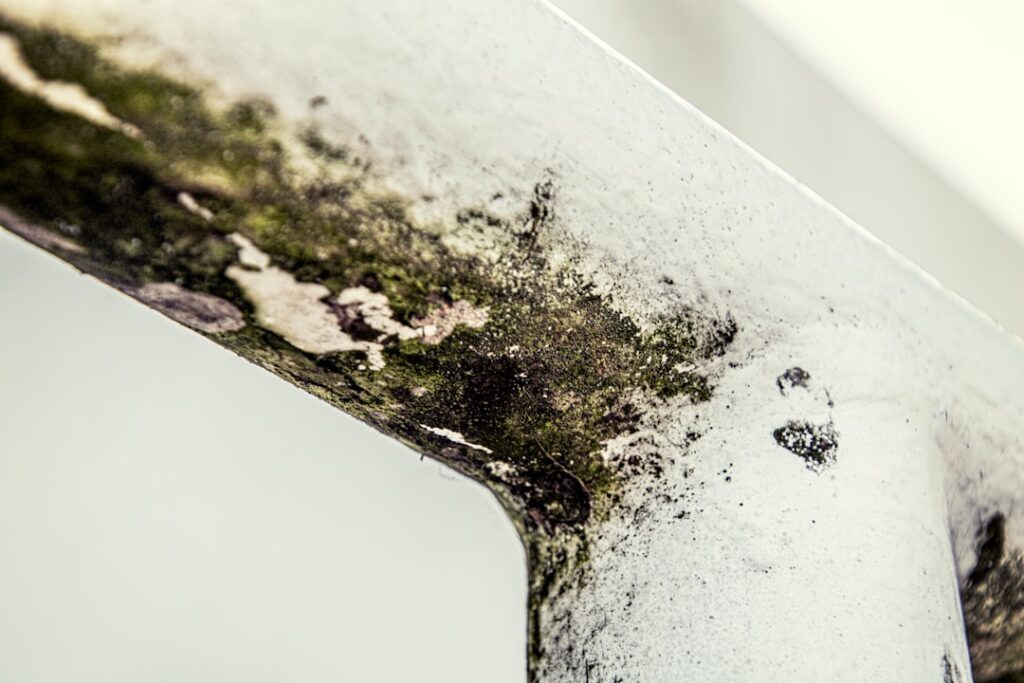
Mold mildew removal works best when you match the method to the surface, because what cleans tile grout will ruin drywall, and what dries out wood does nothing for fabric. Mildew is really just an early, flat, surface-level form of mold, so the two are usually handled together. This guide moves surface by surface through the materials in a typical home and ends with the moisture control that decides whether your work lasts. As background only: this reflects EPA and CDC guidance current as of 2026 and is not medical advice; consult a physician about symptoms and a qualified professional for larger problems.
Part of our Mold Removal & Remediation guide — start there for the full picture →
Is this mold, asbestos, or water damage? Get a free instant screen
Upload a clear photo of the suspect area. You'll get an instant AI screening opinion and what to do next. This is screening guidance, not a professional determination.
Screening guidance only. AI can be wrong. Confirm asbestos, mold type, or lead with lab testing or a licensed professional before acting.
The Difference Between Cleaning and Removal
On non-porous, hard surfaces, removal means cleaning and drying so no growth remains. On porous materials that have absorbed moisture and growth, removal often means physically discarding the material, because the roots, called hyphae, penetrate where a cloth cannot reach. The EPA draws this line clearly: hard surfaces can be cleaned, while soaked porous items like carpet padding or crumbling drywall usually need replacement.
A common point of confusion is bleach. The EPA does not recommend routine use of bleach for mold cleanup, and it notes that the key is removing the growth and fixing the moisture, not killing spores with a strong chemical. Detergent and water, applied with a scrub and followed by thorough drying, handles most household jobs on hard surfaces.
Tile, Grout, and Bathroom Surfaces
Bathrooms are the most common battleground because they combine warmth, moisture, and poor ventilation. On ceramic or porcelain tile, mildew sits on the glazed surface and wipes off readily with a detergent solution and a stiff brush for the grout lines. Grout and silicone caulk are more stubborn because they are slightly porous and hold stain even after the growth is gone.
For grout, scrub with a brush and detergent, rinse, and dry. If staining remains in caulk after the growth is removed, the caulk itself may be colonized below the surface; cutting it out and re-caulking is often cleaner than repeated scrubbing. Our guide to shower mold remedies covers the gentler everyday approaches that keep bathroom mildew in check between deep cleans.
Drywall, Painted Walls, and Ceilings
Painted drywall is a tricky middle case. If growth is light and on the painted surface only, you can often clean it with detergent and water, taking care not to soak the drywall, then dry it completely. The danger is that drywall is porous beneath the paint; once moisture and growth penetrate the paper facing or the gypsum core, surface cleaning leaves the problem behind.
Soft, crumbling, or stained-through drywall has usually absorbed too much. At that point removal means cutting out the affected section back to dry, sound material and replacing it. The same logic applies to ceiling tiles, which are highly porous and rarely worth saving once moldy. Our overview of removing mold from walls walks through deciding between cleaning and cutting out.
Reading Whether Drywall Can Be Saved
Press gently on the area. If it feels firm and dry and the discoloration is only on the painted face, cleaning may work. If it feels soft, spongy, or damp, or the stain runs through to the back, replacement is the honest answer. Guessing wrong here is the most common reason mold returns in walls.
Wood: Framing, Trim, and Furniture
Solid wood is semi-porous and often salvageable because its density resists deep penetration when caught early. Surface growth on framing, studs, or finished trim can usually be scrubbed off with detergent and water, then dried hard. Sanding may be needed to remove staining that has soaked into bare wood, and the dust from sanding moldy material should be controlled to avoid spreading spores.
Engineered wood products behave differently. Particleboard, MDF, and oriented strand board are bound with glue and act more like porous materials; once they swell or crumble from moisture, they rarely recover and should be replaced. Wood furniture with mildew on the finish often cleans up, but upholstered or veneered pieces that have absorbed water may not.
Fabric, Carpet, and Soft Materials
Soft goods are where removal most often means disposal. Washable fabrics, clothing, curtains, and some cushion covers can sometimes be laundered clean and dried fully in sunlight, which helps. But carpet, carpet padding, mattresses, and upholstered furniture that have been soaked and grown mold are difficult to fully clean because the growth penetrates the fibers and backing.
The EPA generally recommends discarding absorbent or porous materials that have been wet and moldy when they cannot be cleaned and dried within the 24-to-48-hour window. Trying to salvage a moldy carpet pad usually trades a known cost for a lingering odor and recurring growth. When in doubt with soft materials, removal is the safer choice.
The Step That Makes It Last: Moisture Control
Every removal job is temporary unless the moisture source is fixed. Mold and mildew regrow within weeks if humidity stays high or a leak continues. The CDC and EPA both center their guidance on controlling water, not on the cleaning product. Keep indoor humidity below 60 percent, run exhaust fans during showers and cooking, repair plumbing and roof leaks promptly, and dry any future spill within two days.
After removing growth, dry the area aggressively with fans and, if needed, a dehumidifier before closing it back up or repainting. For recurring problems or growth beyond about ten square feet, a professional assessment can find the moisture source you might be missing. The mold inspection and testing hub explains when that step is worth it. Removal solves today’s growth; moisture control prevents tomorrow’s.
Matching Method to Material: A Quick Mental Model
Underneath the surface-by-surface detail sits one organizing idea that makes every decision easier: porosity. Ask whether the material is non-porous, semi-porous, or porous, and the right approach usually follows. Non-porous surfaces like glazed tile, glass, sealed countertops, and finished metal hold growth only on top, so cleaning and drying removes it cleanly. These are the materials a homeowner can almost always handle.
Semi-porous materials, chiefly solid wood, sit in the middle. Caught early, surface growth can be scrubbed and the material saved, sometimes with light sanding to lift staining that soaked into bare grain. Left long enough, even wood can be colonized too deeply to recover. Porous materials, including drywall, ceiling tile, carpet, padding, and upholstery, absorb both moisture and the growth’s root structures, so once they are soaked and moldy, removal usually means replacement rather than cleaning. Running any uncertain item through this porosity question, before reaching for a product, prevents the most common mistake: scrubbing something that should have been thrown out.
Protecting Yourself During Removal
Cleaning mold disturbs it, and disturbing it pushes spores into the air you breathe. The CDC notes that removal is itself a moment of heightened exposure, so basic protection is not optional even on small jobs. Gloves keep cleaning solutions and growth off the skin. Eye protection that seals around the eyes, not just open-sided glasses, keeps spores out. For anything beyond a quick wipe, an N95 respirator that fits snugly limits inhalation far better than a loose dust mask.
Containment keeps the problem from spreading to clean rooms. Close doors to the work area, turn off the central HVAC so it does not pull spores through the ductwork, and consider taping plastic over a doorway for larger jobs. When you finish, bag the debris and waste cleaning materials, seal the bag, and carry it straight outside rather than through the house. Damp-wipe the surrounding hard surfaces afterward to capture settled spores, and launder your clothing separately.
People who are pregnant, immunocompromised, asthmatic, or otherwise medically vulnerable should avoid doing the removal themselves. The exposure during cleaning is real, and the safer choice for those individuals is to have someone else handle it or to bring in a professional. This is an environmental precaution, not a medical opinion; questions about personal risk belong with a physician.
How Big a Job Should You Take On Yourself?
The EPA offers a practical rule of thumb that helps homeowners draw the line. Growth covering less than roughly ten square feet, about the size of a few ceiling tiles or a small wall patch, is generally within reach of careful do-it-yourself cleanup on hard surfaces. Beyond that, or when growth keeps returning, the calculus shifts toward professional handling.
Several situations push a job out of DIY range regardless of size. Mold in the HVAC system can distribute spores through the entire house and should not be cleaned by a homeowner, because running the system spreads the problem. Growth following sewage backup or contaminated floodwater carries additional hazards and needs professional remediation. And any time the source is hidden, behind a wall, under flooring, or in a crawlspace, finding and fixing it usually exceeds what surface cleaning can accomplish.
Why Recurrence Is the Real Test
The honest measure of a removal job is whether the growth stays gone. If mildew returns to the same spot within a few weeks, the cleaning was never the problem; the moisture was. Recurrence is a signal to stop re-cleaning and start investigating the water source, whether that is a hidden leak, condensation on a cold surface, or chronic high humidity. Treating recurrence as a cleaning failure rather than a moisture clue is the most common way homeowners waste months on a problem.
Drying and Verifying the Area Afterward
The step most people skip is the one that makes removal stick. After cleaning a hard surface, the area must be dried completely and quickly, because residual dampness invites the growth right back. Use fans to move air across the surface, run a dehumidifier in the room, and give it more time than seems necessary. Closing up a wall or repainting over an area that is still damp seals moisture inside, which is a reliable recipe for regrowth behind fresh paint.
Verification is worth the effort on anything more than a trivial spot. A moisture meter confirms the material has returned to a normal dry reading rather than just feeling dry to the touch. Check again a few days later, and after the next wet weather, to be sure the area stays dry. If readings climb again without an obvious cause, water is still reaching the spot, and that is the time to trace the source or call for an assessment rather than clean a third time.
Front Range Conditions That Drive Regrowth
Colorado’s generally dry air leads many homeowners to assume a cleaned spot will stay clean, but specific local conditions undercut that. Finished basements across Denver, Jefferson, Arapahoe, and Douglas counties combine below-grade coolness with porous finishes, so condensation and foundation seepage feed recurring growth that a surface clean cannot stop. Spring snowmelt drives water against foundations, and summer monsoon humidity spikes the moisture load for days at a time.
Swamp coolers, common in the region, add indoor humidity by design, which can push bathroom and basement mildew past the point where cleaning keeps up. Tightly sealed winter homes trap shower and cooking moisture. The lesson is the same one this guide keeps returning to: in any climate, removal handles the growth in front of you, but only controlling the local moisture source keeps it from coming back. When the source resists a homeowner’s search, the broader mold inspection and testing hub outlines how a professional traces hidden moisture across these regional conditions.
References
- Mold cleanup guidance for homeowners — U.S. Environmental Protection Agency
- Controlling mold and moisture indoors — Centers for Disease Control and Prevention
- A brief guide to mold, moisture, and your home — U.S. Environmental Protection Agency
Frequently asked questions
Should I use bleach for mold and mildew removal?
The EPA does not recommend routine bleach use for mold cleanup. Detergent and water with thorough scrubbing and drying handles most hard surfaces. The priority is physically removing growth and fixing the moisture source rather than killing spores with strong chemicals.
Can moldy drywall always be cleaned?
No. If growth is light and on the painted surface, cleaning and drying may work. But soft, crumbling, or stained-through drywall has absorbed too much moisture and growth, so the affected section should be cut out and replaced.
Why does mildew keep coming back after I clean it?
Recurrence almost always means the moisture source was never fixed. High humidity, a slow leak, or poor ventilation lets growth reestablish within weeks. Cleaning addresses the symptom; controlling water addresses the cause.
What should I just throw away instead of cleaning?
Soaked, porous materials are usually better discarded: carpet padding, saturated drywall, ceiling tiles, mattresses, and upholstered furniture that grew mold. These hold growth deep in their structure where surface cleaning cannot reach.
If a Front Range home keeps growing mold no matter how often you clean it, a vetted inspector can help find the moisture source; you can reach out through our contact page to get connected.