How to Clean Surface Mold: A Homeowner Guide
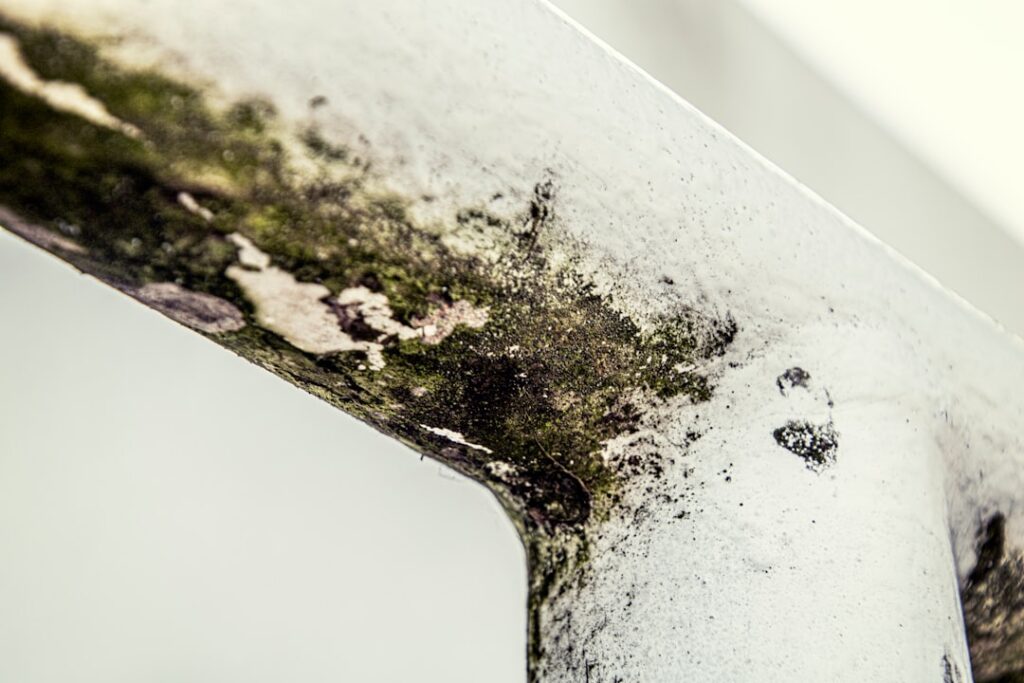
Surface mold is the easier category of fungal growth to address. It lives on the top layer of a non-porous substrate — tile, glass, sealed metal, glazed ceramic, painted woodwork — without penetrating into the material below. Most of the time, surface mold is actually mildew, a colloquial label for surface-living Cladosporium and similar species that respond well to scrubbing with the right cleaning agent. This guide explains how to clean surface mold safely, what products work, where surface-only assumptions go wrong, and the threshold beyond which the colony has stopped being a cleaning job. This guide summarizes EPA and CDC guidance current as of 2026 — consult a certified mold inspector for testing decisions and your physician for symptom evaluation.
Part of our Mold Removal & Remediation guide — start there for the full picture →
Is this mold, asbestos, or water damage? Get a free instant screen
Upload a clear photo of the suspect area. You'll get an instant AI screening opinion and what to do next. This is screening guidance, not a professional determination.
Screening guidance only. AI can be wrong. Confirm asbestos, mold type, or lead with lab testing or a licensed professional before acting.
How to Clean Surface Mold: The Quick Protocol
For genuine surface mold on a non-porous substrate, the cleaning workflow is short. Suit up with an N95 respirator, nitrile gloves, and sealed eye protection. Open a window for ventilation. Apply a cleaning agent directly to the surface — diluted bleach at one cup per gallon of water, three percent hydrogen peroxide, or an EPA-registered antimicrobial. Let the cleaner dwell for ten minutes. Scrub with a stiff nylon brush. Wipe with a damp microfiber cloth. Inspect under bright light to confirm the staining lifted. Run the exhaust fan or open windows for thirty minutes to clear airborne residue.
The full procedure takes twenty to thirty minutes per affected location for a small patch. The protective equipment is non-negotiable even on surfaces that look manageable, because scrubbing aerosolizes spores into the breathing zone faster than most homeowners expect.
What Counts as Surface Mold
Surface mold has three distinguishing features. The colony sits on the top layer of the substrate without visible penetration. The staining lifts cleanly with mechanical scrubbing, leaving the original substrate appearance underneath. The affected area is small — typically under two square feet of contiguous growth — and the substrate is non-porous or has only a thin porous coating (paint film, sealed grout) over a non-porous body.
Examples of true surface mold include shower-tile mildew on glazed ceramic, refrigerator-gasket growth on rubber, window-sill staining on sealed paint, and laundry-machine gasket growth on rubber seals. These cases share the property that the colony has nothing porous to feed on below the surface, so cleaning physically removes the organism and most of its spores.
What looks like surface mold but is not includes black staining on bathroom drywall (the paper face is porous and the colony lives below), dark fuzz on wood framing in a basement (wood is porous), and discoloration on unsealed grout (the grout itself is porous). These cases require a deeper response than cleaning.
The Cleaning Agents Ranked
For surface mold on non-porous substrates, the practical ranking by effectiveness goes EPA-registered antimicrobials first, then three percent hydrogen peroxide, then diluted bleach, then white vinegar. EPA-registered products like Concrobium, Sporicidin, and Moldstat are formulated specifically for fungal growth and deliver predictable results with manufacturer-tested dwell times.
Three percent hydrogen peroxide from the pharmacy is the homeowner-friendly second choice. It oxidizes mold organisms effectively on non-porous surfaces and produces less respiratory irritation than bleach. Diluted bleach kills surface organisms but does not lighten staining as quickly as peroxide and produces chlorine fumes that irritate occupants with asthma. White vinegar is the gentlest option but the slowest and least visually satisfying; it works on light shower-tile mildew but not on heavier staining.
Products That Do Not Belong in the Mix
Tea-tree oil, baking soda paste, and proprietary fogger devices marketed on social media all produce uneven results and are not the EPA’s recommendations for surface mold. Tea-tree oil has some antifungal properties but variable concentration in commercial products. Baking soda is a mild abrasive but kills organisms slowly. Foggers disperse antimicrobial mist without physical scrubbing, and physical removal of spore-laden material matters as much as the chemistry — fogging without scrubbing leaves the dead colony in place to be inhaled later.
The Mechanical Scrubbing Step
Chemistry alone does not finish the job. Mold organisms killed in place still produce allergenic protein fragments that trigger respiratory reactions even after the colony is dead. The scrubbing step physically extracts the dead organism from the surface and into the wipe-down cloth, removing the allergen rather than only neutralizing the live cells.
Use a stiff nylon brush for tile, grout, and rubber gaskets. Use a soft brush for painted surfaces to avoid lifting the paint film. Apply moderate pressure — scrubbing too hard on a painted surface lightens the paint and creates uneven appearance. Wipe with a damp microfiber cloth in a single direction, then flip and wipe again with a clean section of the cloth. Discard the cloth in a sealed bag for outdoor trash rather than tossing it into the indoor wastebasket.
When Surface-Only Assumptions Go Wrong
The most common diagnostic mistake is assuming a stain on drywall, wallpaper, or unsealed wood is surface mold because the paper-thin top layer looks like the whole substrate. The colony actually lives in the paper face of the drywall, in the wallpaper paste, or in the wood fibers below the visible surface. Scrubbing the visible discoloration removes only what is on top; the bulk of the colony remains hidden.
The test is mechanical lift. Apply cleaning agent, scrub firmly, wipe, and inspect under bright direct light. If the staining is gone and the substrate appears original underneath, the colony was surface-only and the cleaning worked. If staining remains after the surface is mechanically clean, the colony has penetrated and the response shifts from cleaning to removal. Repeated cleaning of penetrated colonies produces incremental progress at best and wastes the homeowner’s time at worst.
The Moisture Source Question
Even genuine surface mold needs a moisture source. Cladosporium and similar species cannot establish below roughly fifty percent relative humidity. If surface mold appears on a tile shower wall, the moisture source is the shower itself and the answer is exhaust-fan use and humidity control. If it appears on a window sill, the source is condensation from the temperature differential. If it appears on a refrigerator gasket, the source is condensation from temperature differential combined with food residue.
Cleaning the visible growth without addressing the moisture source produces repeat work every few months. Addressing the moisture source — running the exhaust fan longer, lowering interior humidity in winter, wiping gaskets weekly — extends the interval between cleanings and reduces the spore load in the room. The mold inspection and testing hub covers the diagnostic framework for ongoing moisture issues.
When Surface Cleaning Stops Being Enough
Several signs indicate the homeowner has moved past the surface-cleaning threshold. Staining returns within two weeks of a thorough cleaning. The musty odor persists despite the visible surface looking clean. Growth appears on multiple unrelated surfaces in the same room, suggesting elevated airborne spore counts. The substrate feels soft, swollen, or warped. Any of these warrants escalation to either a more thorough remediation approach or an independent assessment by a credentialed inspector.
The other escalation triggers are health-driven. CDC guidance recommends professional remediation when occupants in the household have asthma, immune-compromising conditions, or unexplained respiratory symptoms. The threshold for caution drops sharply when sensitized individuals are exposed. Anyone considering a homeowner cleaning effort while symptomatic should reread the mold removal guide for the criteria that push the decision toward professional help.
Tools for the Surface-Cleaning Kit
A homeowner-grade surface-cleaning kit costs under thirty dollars and handles routine work across a typical Front Range household. Pack a spray bottle of three percent hydrogen peroxide. Add a second spray bottle of EPA-registered antimicrobial or pre-mixed bleach dilution. Include a stiff nylon scrub brush for tile and grout and a softer brush for painted surfaces and gaskets. A box of N95 respirators and a pair of nitrile gloves cover personal protection. A dozen microfiber cloths replace paper towels for wipe-down and can be washed and reused.
Add a humidity meter for under twenty dollars. The single most useful piece of feedback during ongoing prevention is the actual relative humidity reading in the room — not what the thermostat or the homeowner thinks it should be. A bathroom reading sixty-five percent humidity an hour after a shower needs a longer exhaust fan run or a higher-capacity fan. A basement reading fifty-five percent in July benefits from a dehumidifier sized for the square footage. Without numbers, prevention is guesswork.
Verification After Surface Cleaning
Verification after a surface-mold cleaning has three components. Visual inspection under bright direct light at the end of the work confirms the staining lifted and the substrate looks original. A delayed inspection at forty-eight hours confirms the surface stayed clean as it dried. A two-week recheck confirms the colony has not re-established. Any of those three failing means either the cleaning was incomplete or the moisture source remains active.
For homeowners who clean the same spot multiple times in a year, the verification protocol shifts toward addressing the moisture source rather than the visible colony. Three cleanings of the same spot in twelve months indicates the conditions are still supporting growth and another cleaning will not change that pattern. Treat the third repeat as a diagnostic prompt, not a fourth cleaning opportunity.
Front Range Considerations for Surface Mold
Colorado’s semi-arid climate keeps most household surfaces below the humidity threshold that supports mildew growth, but interior microclimates produce localized exceptions. Bathrooms without exhaust fans, kitchens venting into attics rather than outside, refrigerator gaskets in low-airflow corners, and window sills facing winter sun exposure all run higher humidity than the rest of the house. Surface mold in these locations is predictable and recurring without ventilation and humidity adjustments.
Winter humidifier use is the biggest single contributor to surface mold in Front Range homes. Whole-house humidifiers set above forty percent during cold weather push exterior-wall surface temperatures below the dew point and produce condensation behind paint that often surfaces as growth within a season. Lower the humidifier setting to thirty to thirty-five percent when outdoor temperatures drop below twenty degrees Fahrenheit. The comfort difference is minimal; the surface-mold prevention is substantial.
Front Range elevation also affects condensation patterns in ways that influence surface-mold appearance. Higher-elevation homes — Evergreen at 7,200 feet, Estes Park at 7,500 feet, Aspen above 7,900 feet — experience more aggressive winter heating cycles and larger interior-to-exterior temperature differentials. The same humidifier setting that produces minor condensation in a Denver bungalow can produce substantial surface mold in a Black Hawk mountain home. Adjust the prevention thresholds downward for higher-elevation properties and check window sills and exterior-wall closets monthly during the heating season.
References
- Mold Cleanup in Your Home — U.S. Environmental Protection Agency
- Cleanup and Remediation — Centers for Disease Control and Prevention
- Mold Health Topic — National Institute of Environmental Health Sciences
- Mold and Dampness Indoor Air Quality — American Lung Association
Frequently asked questions
Can I clean surface mold with just bleach and water?
Diluted bleach at one cup per gallon of water is acceptable for surface mold on non-porous substrates. Three percent hydrogen peroxide and EPA-registered antimicrobials produce comparable results with less respiratory irritation. Bleach is not the EPA's preferred recommendation for any porous surface.
How do I know if it is really surface mold?
Apply cleaning agent, scrub firmly, wipe, and inspect under bright light. If the staining is gone and the substrate appears original underneath, the colony was surface-only. If staining remains after mechanical cleaning, the colony has penetrated the substrate and needs material removal, not surface cleaning.
Does surface mold pose a health risk?
Surface mold can trigger allergic reactions, asthma symptoms, and respiratory irritation in sensitized individuals. The CDC recommends prompt removal of any visible fungal growth indoors regardless of species. Personal protective equipment during cleaning is recommended even for small patches.
Front Range homeowners with recurring surface mold or a musty smell that persists after cleaning can reach a vetted local inspector through our contact page for a moisture and air-quality assessment.