Surface Mold Cleaner: What Homeowners Should Know
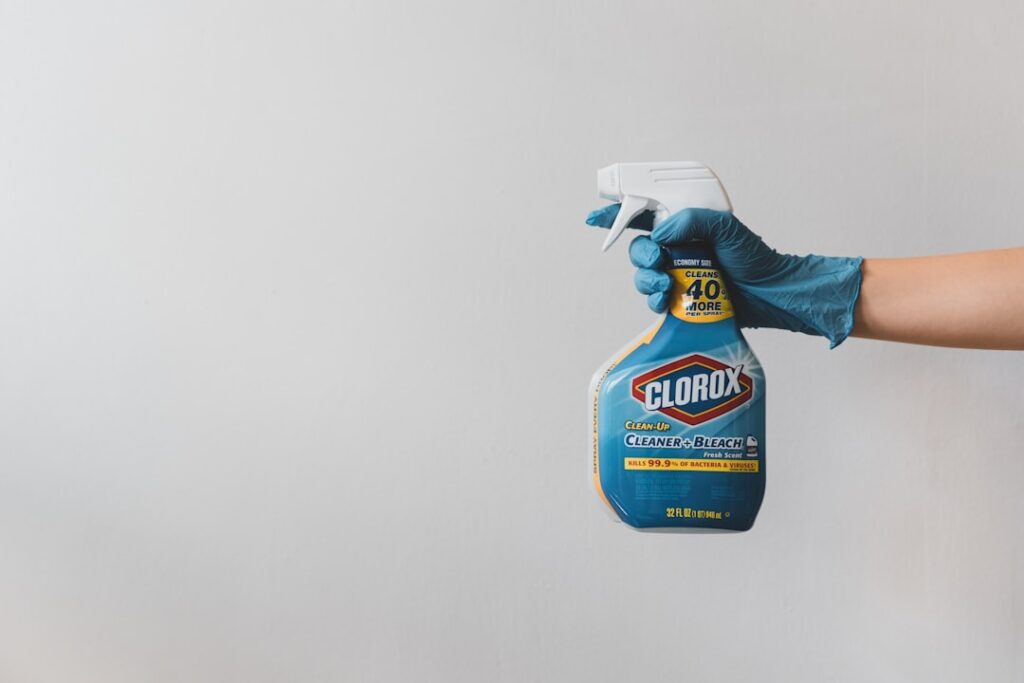
A surface mold cleaner is a product designed to remove mold that sits on the outside of a material rather than mold rooted deep within it. The name captures both the strength and the limit of the category: these cleaners excel on hard surfaces where the growth is on top, and they fall short on porous materials where the growth has gone below. Understanding that boundary is the key to using one well. This guide summarizes EPA and CDC guidance current as of 2026 and is educational only. It does not replace a physician for health symptoms or a certified professional for testing and remediation decisions.
Part of our Mold Removal & Remediation guide — start there for the full picture →
Is this mold, asbestos, or water damage? Get a free instant screen
Upload a clear photo of the suspect area. You'll get an instant AI screening opinion and what to do next. This is screening guidance, not a professional determination.
Screening guidance only. AI can be wrong. Confirm asbestos, mold type, or lead with lab testing or a licensed professional before acting.
What “Surface” Mold Really Means
Mold growth has two parts: the visible colony on the surface and, on porous materials, a network of hyphae that grow into the material below. A surface cleaner addresses the first part. On a glazed tile, that is the whole story, because the tile is impermeable and nothing grows beneath it. On drywall paper, the visible patch is only the tip; the roots run into the paper and gypsum, beyond a cleaner’s reach.
The EPA’s guidance reflects this physical reality. Hard, non-porous surfaces can generally be cleaned and reused once dry, while porous materials that are visibly moldy are usually candidates for removal and replacement. A surface cleaner is the right tool for the first case and the wrong tool, on its own, for the second. The agency also stresses that the goal is to remove mold and its spores, not just to kill it in place, since dead spores can still cause allergic reactions.
The Chemistry of Surface Cleaners
Surface cleaners use familiar active ingredients. Chlorine bleach oxidizes pigment and lightens stains quickly. Hydrogen peroxide oxidizes with less odor. Quaternary ammonium leaves an antimicrobial residue. Botanical actives such as thymol market lower toxicity. On a true surface job, all of these can work, and the deciding factors are dwell time and whether the surface tolerates the chemistry.
Dwell time is how long the cleaner stays wet on the surface, and it governs whether the active ingredient performs. A cleaner wiped off in seconds rarely meets its label claim. Surface tolerance matters too, because bleach can corrode metal and discolor grout, and some products dull finishes. Reading the label’s surface warnings prevents trading a mold stain for a chemical stain.
The Best-Case Surfaces
Surface cleaners shine on glazed bathroom tile, sealed countertops, glass shower doors, finished metal fixtures, high-gloss painted trim, and sealed stone. On these, the routine is simple: apply, let it dwell for the labeled time, agitate stubborn spots, and wipe or rinse, then dry. Because nothing grows beneath an impermeable surface, a thorough cleaning genuinely removes the growth rather than masking it.
Where a Surface Cleaner Hits Its Limit
On porous materials, a surface cleaner can only do part of the job. Drywall paper, bare wood, grout, ceiling tile, unsealed concrete, carpet, and fabric all let mold root below the surface. The cleaner lightens the visible stain, but the hidden structure survives and regrows. Shower caulk is the textbook example: silicone is porous enough that mold colonizes inside it, so the lasting fix is cutting out and replacing the caulk, not re-cleaning it. For these materials the EPA’s removal-and-replace guidance applies.
Using a Surface Cleaner Safely
Even on hard surfaces, cleaning disturbs mold and releases spores, so the CDC recommends gloves, eye protection, and an N-95 respirator, plus ventilation. Spray cleaners add mist to the breathing zone, so a respirator helps even on quick jobs. Open windows and run an exhaust fan throughout.
Never mix chlorine and ammonia products, which create toxic gas. Use one product, rinse, and dry before introducing another. People with asthma, allergies, or weakened immunity should avoid doing the cleaning, since the CDC notes these groups face higher exposure risk.
Surface Cleaning in the Full Workflow
Surface cleaning is the finishing step of a sound response, not the foundation. First, locate and fix the moisture source. Second, dry the area within the EPA’s 24-to-48-hour window. Third, remove colonized porous materials. Then a surface cleaner finishes the salvageable hard surfaces. Skip the moisture repair and even a flawless surface cleaning only buys time.
Homeowners deciding how far to take a do-it-yourself approach can start with the broader mold inspection and testing hub, which covers assessment and the professional threshold. For related technique, our guides to mold cleaner basics and mold cleaning spray how-to add detail by surface and format.
Reading the Claims
Percentages like “removes 99.9% of surface mold” describe lab tests on clean coupons at set dwell times, not the dirty conditions of a real bathroom, so treat them as a ceiling. Check the label for an EPA registration number and a clear dwell time. On a genuine hard-surface job the cleaner can do well, but the durability of the result still depends on whether you controlled the moisture.
Preventing Regrowth
No surface cleaner prevents mold; moisture control does. The CDC and EPA point to keeping indoor humidity below roughly 50 percent, ventilating bathrooms and kitchens, and fixing leaks promptly. After cleaning, dry the area and watch it over the following weeks. Quick recurrence in the same spot means the moisture source remains. In Front Range homes, finished basements and winter humidifier use are common sources worth monitoring.
How to Tell a Surface Job From a Deeper One
Distinguishing a true surface problem from a deeper one is the key skill in using a surface cleaner well. A few signs point to a genuine surface job: the material is hard and non-porous, the growth wipes away and stays gone, there is no soft or spongy feel to the substrate, and no musty odor lingers after cleaning. In these cases the cleaner can finish the work because nothing grows beneath an impermeable surface.
Several signs point the other way. Growth that returns within days, staining that will not lift fully from grout or wood, a musty smell that persists after a thorough cleaning, soft or discolored drywall, and visible water history all suggest the colony has roots below the surface or an active moisture source. A surface cleaner cannot resolve these, and continuing to treat them only disturbs spores while the underlying problem grows. Reading these signs before reaching for the bottle prevents wasted effort and false confidence.
Comparing Surface Cleaner Chemistries
On a genuine hard-surface job, the chemistry families all work, but they differ in side effects. Chlorine bleach lightens staining fast and costs little, yet it corrodes metal, discolors materials, and carries harsh fumes. Hydrogen peroxide oxidizes with less odor and leaves little residue, which suits indoor surfaces. Quaternary ammonium leaves an antimicrobial residue and resists evaporation. Botanical actives offer a lower-toxicity profile at the cost of longer dwell times.
Because a true surface job removes the growth regardless of which oxidizer you use, the deciding factors become surface compatibility and the room’s environment. On finished interior surfaces, a lower-odor peroxide or botanical cleaner is often the better choice. On durable garage or unfinished surfaces, a faster, cheaper bleach solution is fine. Matching the chemistry to the surface and setting matters more than the kill percentage on the label, since on a real surface job thorough cleaning, not raw potency, does the work.
Front Range Conditions and Surface Mold
The surface growth that Colorado homeowners encounter usually traces to local moisture. Bathrooms produce daily humidity year-round. Winter humidifiers and summer swamp coolers raise indoor moisture that condenses on cooler surfaces and window frames. Finished basements collect condensation against cool foundation walls. These conditions deposit moisture on surfaces, and where the surface is hard, the result is a true surface job a cleaner can handle.
Where the same moisture reaches porous materials, the job stops being a surface job. A homeowner who understands the local pattern can predict which spots will be cleanable and which signal a deeper problem. Managing humidity with a hygrometer and ventilation keeps surface growth from forming in the first place, reducing how often even a capable surface cleaner is needed.
When the Job Is Not a Surface Job
When growth exceeds about ten square feet, sits inside walls or HVAC systems, comes from flood or sewage water, or affects a household with respiratory conditions, the job is no longer a surface job and warrants a professional. A remediation specialist provides containment, removal, and verification that a surface cleaner cannot, and traces the hidden moisture path keeping the problem alive.
The professional advantage is the diagnostic and verification work a surface cleaner cannot perform. A specialist locates the moisture source, removes colonized materials behind containment, and confirms the area is dry before rebuilding. When the signs point to a deeper problem, recognizing that the job has outgrown a surface cleaner is itself the most useful judgment a homeowner can make.
Application Technique on Hard Surfaces
On a genuine surface job, technique determines whether a thorough cleaning becomes a true removal. The most common mistake is too little dwell time: spraying and wiping within seconds gives the active ingredient no chance to work. Keep the surface visibly wet for the full labeled time, re-applying if it dries early, then agitate with a brush before wiping or rinsing. Because the surface is impermeable, this sequence genuinely removes the growth rather than masking it.
Work methodically to avoid spreading spores during the job. Move from top to bottom so runoff lands on areas not yet cleaned, and work inward from the edges of the growth. After cleaning, dry the surface fully, since lingering moisture on even a hard surface can invite new growth at adjacent porous joints like grout or caulk. On a true surface job done with proper dwell time and drying, an ordinary cleaner performs as well as a premium one, which is why careful technique matters more than the price of the bottle. Matching effort to the surface is the whole skill of surface cleaning.
Safe Use and Health Considerations
Even a true surface job warrants care, because cleaning disturbs mold and releases spores. The CDC recommends gloves, eye protection, and an N-95 respirator, plus ventilation, and warns against mixing chlorine and ammonia products, which create toxic gas. Spray cleaners add mist to the breathing zone, so protection helps even on quick jobs.
The health rationale runs deeper than the immediate cleanup. The CDC notes that damp, moldy environments can cause a range of effects, and that sensitive groups, including people with allergies, asthma, or weakened immune systems, may react more strongly. A surface cleaner used correctly on a genuine surface job removes the growth, which serves the health goal. The risk arises when a surface cleaner is misapplied to a porous, colonized material, leaving a spore source while giving a false sense that the problem is solved. Anyone experiencing symptoms they suspect are mold-related should consult a physician, treat the cleaner as a tool for the surface, and bring in a professional for anything deeper.
Cost, Value, and Realistic Expectations
Surface cleaners are inexpensive, and on a true surface job that low cost delivers real value. A few dollars and a few minutes genuinely resolve growth on a hard, impermeable surface. The trouble starts when the same cheap convenience is applied to porous materials, where the cleaner cannot reach the growth and the homeowner ends up buying bottle after bottle to fight a problem the cleaner was never able to solve.
Realistic expectations keep the cleaner useful. Expect it to remove growth from hard, non-porous surfaces, to need its full dwell time, and to fail on porous, colonized materials and active moisture. Measured against those honest limits, a surface cleaner is exactly the right tool for the surface jobs it suits, while deeper problems call for removal of materials and, often, a professional. Recognizing which job you have prevents wasted money and keeps expectations matched to what a surface cleaner can actually accomplish.
References
- Mold Cleanup in Your Home — U.S. Environmental Protection Agency
- About Mold and Your Health — Centers for Disease Control and Prevention
- A Brief Guide to Mold, Moisture and Your Home — U.S. Environmental Protection Agency
Frequently asked questions
What surfaces does a surface mold cleaner work best on?
It works best on hard, non-porous surfaces like glazed tile, sealed counters, glass, and finished metal, where the growth sits on top and can be fully removed. On porous materials it only lightens the visible stain.
Why does surface cleaning fail on drywall and grout?
Porous materials let mold root below the surface, beyond a topical cleaner's reach. The visible stain lightens but the hidden growth survives and returns, so the EPA generally recommends removal and replacement.
Is surface mold cleaning safe to do myself?
Small hard-surface jobs under about ten square feet are reasonable with gloves, eye protection, an N-95 respirator, and ventilation. Never mix chlorine and ammonia, and keep at-risk occupants away.
Will a surface cleaner stop mold from returning?
No. Recurrence depends on moisture, not the cleaner. Fix leaks, control humidity below about 50 percent, and dry the area within 24 to 48 hours to keep growth from coming back.
If you are on the Front Range and want a qualified inspector to find the moisture behind recurring surface mold, reach out through our contact page.
Mold removal & cleanup picks
For a small, contained patch (under ~10 sq ft) these EPA-friendly removers handle surface mold. Larger or recurring growth warrants a professional assessment first.
| Product | Why | Buy |
|---|---|---|
 RMR-86 Instant Mold Stain Remover RMR-86 Instant Mold Stain Remover | Fast-acting on stains; ventilate and wear PPE. | Amazon — $29.99 |
 Concrobium Mold Control Concrobium Mold Control | No-bleach formula that also helps prevent regrowth. | Amazon — $11.26 |
 Mold Armor Mold & Mildew Remover Mold Armor Mold & Mildew Remover | Widely stocked bathroom/surface remover. | Amazon — $22.98 |