Mold Cleaner: The Complete Homeowner Guide
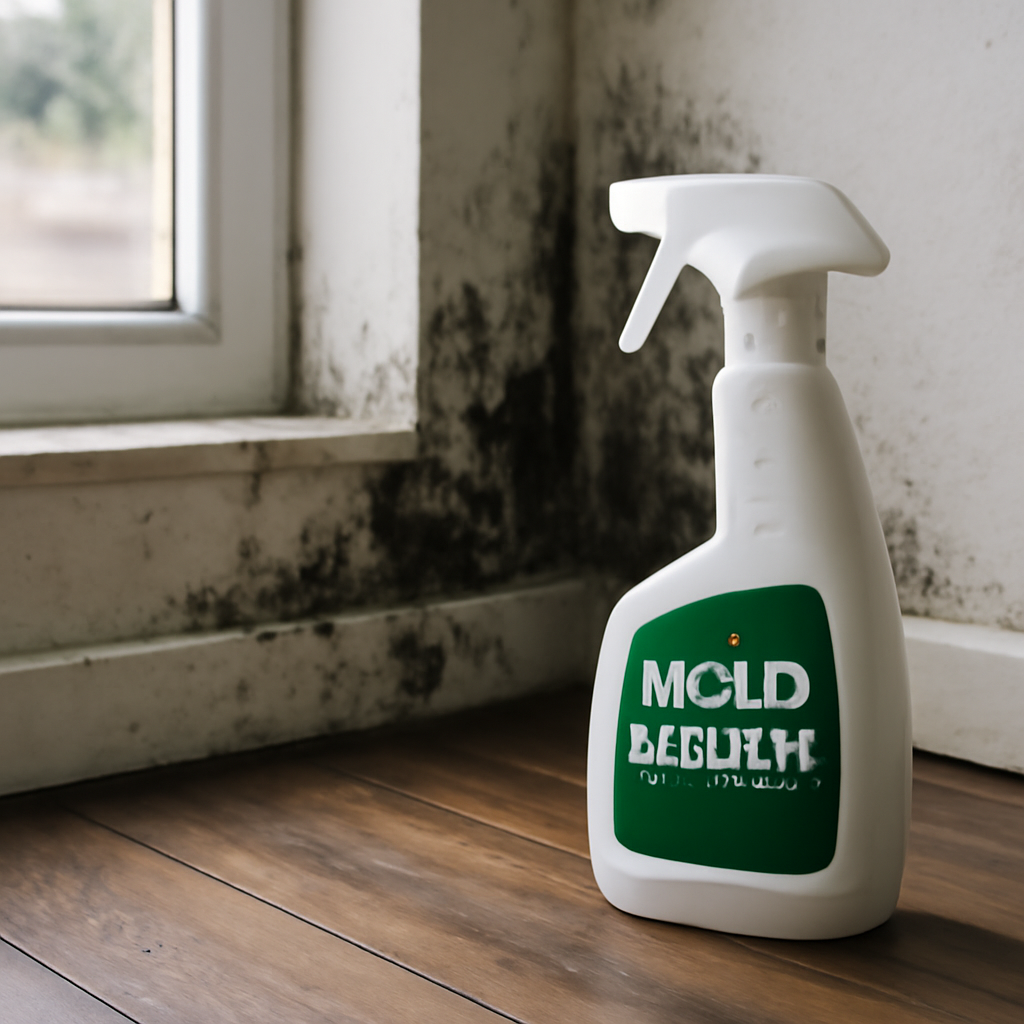
A mold cleaner is the first thing most homeowners reach for when growth appears, and the market offers a confusing range of them. This guide maps the whole landscape: the types of cleaner available, what each does, which surfaces they suit, how DIY products compare with commercial ones, and the single principle the EPA returns to again and again. It is meant as the anchor for anyone trying to understand mold cleaning before they buy anything. This guide summarizes EPA and CDC guidance current as of 2026 and is not medical advice; consult a physician for symptoms and a certified professional for testing or large removals.
Part of our Mold Removal & Remediation guide — start there for the full picture →
Is this mold, asbestos, or water damage? Get a free instant screen
Upload a clear photo of the suspect area. You'll get an instant AI screening opinion and what to do next. This is screening guidance, not a professional determination.
Screening guidance only. AI can be wrong. Confirm asbestos, mold type, or lead with lab testing or a licensed professional before acting.
What a mold cleaner is and what it can do
A mold cleaner is any product used to loosen, lighten, and reduce visible mold on a surface. Some are pure stain removers; others carry antimicrobial claims and kill spores on contact. All of them share one limit the EPA states plainly: a cleaner treats the symptom, and controlling moisture is the only thing that prevents mold from returning. A cleaner also is not a cure for embedded growth in porous materials, where the EPA recommends replacement instead.
The most useful mental model is that a cleaner makes physical removal easier. The chemistry weakens the growth; the scrubbing, rinsing, and drying remove it. Killing mold is not the same as removing it, and dead mold can still cause allergic reactions, which is why removal and drying always follow the cleaner.
The main types of mold cleaner
Mold cleaners fall into recognizable categories, and knowing them prevents buying the wrong thing.
Stain removers
These lighten the discoloration mold leaves behind, often using bleach or oxygen bleach. They make a surface look clean but may not carry disinfectant claims. Good for cosmetic cleanup on hard surfaces.
EPA-registered disinfectant cleaners
These carry an EPA registration number and reviewed antimicrobial claims. Choose them when verified killing power on a hard, non-porous surface matters.
Maintenance cleaners
These leave a residual film that slows regrowth after a deep clean, useful in damp rooms.
Outdoor cleaners
Concentrates for siding, decks, and concrete, formulated for dilution and rinsing, not interior use.
Our comparison of how to choose and use a mold killer cleaner goes deeper on selecting among these.
Cleaner chemistries and their trade-offs
Inside those categories, the active ingredient defines performance. Chlorine bleach lightens stains and disinfects hard surfaces fast but fumes, corrodes, and fails on porous materials. Hydrogen peroxide is gentler, leaves no chlorine residue, and suits painted surfaces and fabrics. Quaternary ammonium compounds leave a residual antimicrobial film for damp rooms. Botanical cleaners based on plant oils are low-toxicity options for light growth.
The overriding safety rule: never mix a bleach cleaner with an ammonia-based product, because the CDC warns the combination produces toxic chloramine gas. Use one cleaner at a time and rinse before switching.
Matching the cleaner to the surface
Surface type decides whether any cleaner can work. Hard, non-porous surfaces like tile, glass, sealed counters, and metal are ideal: the cleaner sits on top, works, and rinses away. Porous materials like drywall paper, bare wood, grout, carpet, and fabric absorb mold roots, and no surface cleaner removes embedded growth there. The EPA recommends replacing visibly moldy porous materials. Outdoor surfaces need exterior cleaners built for dilution and rinsing. For a room-by-room view, our guide to surface-by-surface mold and mildew cleaning breaks it down.
DIY products versus commercial cleaners
Homeowners often weigh a homemade solution against a store product. DIY options like diluted hydrogen peroxide or a detergent-and-water scrub are inexpensive and effective on light surface growth. They lack the residual protection and verified antimicrobial claims of registered commercial cleaners, but for small, cosmetic jobs they are perfectly reasonable.
Commercial cleaners earn their place when you want a verified disinfectant (look for the EPA registration number), residual protection in a damp room, or a formula matched to a tricky surface. Neither category overcomes the two big limits: porous materials and unresolved moisture. The choice between DIY and commercial is about convenience and assurance, not about which one finally “cures” mold.
How to use a mold cleaner safely
Ventilate the room and run a fan. Wear an N95 respirator, gloves, and eye protection, which the CDC recommends for mold cleanup. Apply the cleaner and let it dwell for the time on the label rather than wiping immediately. Scrub the surface, rinse non-porous materials with clean water, and dry the area thoroughly with fans. Do not paint over a surface that is still moldy or damp, since coatings trap growth rather than stopping it. The homeowner hub on mold inspection and testing reinforces why drying and moisture control finish the job.
The EPA caveat at the center of it all
Every section here circles back to one principle. The EPA’s guidance is that the key to mold control is moisture control. A cleaner is a tool for removal, not a replacement for fixing leaks, lowering humidity, and drying wet materials. If you clean a spot and the mold returns, the cleaner did not fail; the moisture problem persists. Our guide to preventing mold from returning at home covers the moisture habits that make any cleaning last.
A surface-by-surface cleaning reference
Because surface drives everything, a quick reference helps. On bathroom tile and glass, a registered disinfectant or hydrogen peroxide spray cleans surface mold well; scrub, rinse, and dry. On painted drywall, clean gently with a mild solution so you do not break the paint film, and watch for softness that signals deeper trouble. On grout and caulk, expect to brighten grout but replace heavily stained caulk. On sealed counters and metal, most cleaners work and rinse cleanly.
On bare drywall, wood, carpet, and fabric, treat the cleaner as a stopgap at best, since these porous materials hold growth the EPA recommends replacing. On exterior siding, concrete, and decks, switch to an outdoor cleaner built for dilution and rinsing. Keeping this surface map in mind prevents the most common error of using the wrong product, or any product, where replacement is the real answer.
Mistakes that keep mold coming back
Even with a good cleaner, certain habits perpetuate the problem. Wiping a dry, dusty moldy surface spreads spores; misting first keeps them down. Wiping before the dwell time finishes leaves living spores behind. Cleaning a surface that is still wet from an active leak treats the symptom while the cause keeps working. Painting or sealing over mold traps it rather than stopping it, which the EPA cautions against. And escalating to a stronger cleaner when a spot keeps returning misreads the cause, which is almost always unresolved moisture.
Skipping the drying step is perhaps the most common mistake of all. A surface left damp after cleaning invites the very growth you just removed. Finishing every cleaning with thorough drying, and pairing it with better ventilation, is what turns a temporary cleanup into a lasting one.
When to skip the cleaner and hire a pro
A mold cleaner suits small, surface-level growth. The EPA’s general guidance is that homeowners can usually handle moldy areas smaller than about 10 square feet, and that larger or structural problems warrant professional remediation. Call a professional when the area is large, when growth has reached wall cavities, insulation, or framing, when the water source was sewage or flooding, when a musty odor persists with no visible source, or when a household member has asthma or a weakened immune system. For a step-by-step removal process once you decide to act, our mold and mildew removal workflow lays out the order of operations.
Health context every cleaner user should know
Mold cleaning is partly a health task, which shapes how to approach it. The CDC links indoor dampness and mold to respiratory symptoms, coughing, and wheezing, with stronger effects for people who have asthma, allergies, or weakened immune systems. That is why protective gear and ventilation are not optional extras but part of using any cleaner responsibly, and why people in vulnerable groups should avoid doing the cleaning themselves or stay out of the area while it is done.
This guide is informational, not medical advice. Anyone with persistent symptoms they suspect are related to indoor mold should consult a physician rather than rely on cleaning alone. The home-care goal is to remove visible growth safely, replace porous materials too contaminated to clean, and control the moisture so the growth does not return. A cleaner is the tool for the surface step, but reducing dampness is what lowers both the growth and the exposure over time, which is the outcome that actually protects the household.
Storing and handling cleaners safely
Mold cleaners are household chemicals and deserve the same care as any other. Store them out of reach of children and pets, away from heat, and in their original labeled containers so no one mistakes a cleaner for water or another product. Never decant a cleaner into an unlabeled bottle. Keep incompatible products apart, and never combine them; the bleach-plus-ammonia combination that releases toxic chloramine gas is the most dangerous, but mixing cleaners in general is unpredictable and unsafe.
Disposal follows the label. Most diluted household cleaners can go down the drain with plenty of water, but concentrates and unused product may have specific disposal instructions. Rinse and dry reusable tools after cleaning, and bag any moldy material you removed so spores do not spread. These handling habits protect the household and keep an otherwise routine cleaning job from creating a new hazard.
Setting realistic expectations for any cleaner
The honest summary of the whole cleaner landscape is that a cleaner is a tool for surface removal, not a cure. It will lighten and, if registered, disinfect surface growth on an appropriate material, and a residual product will slow regrowth in a damp room. It will not reach mold inside porous materials, will not fix the moisture that caused the problem, and will not, on its own, prevent the next outbreak. Those outcomes depend on physical removal, material replacement when needed, and moisture control.
Holding this expectation keeps the search for the perfect cleaner from becoming endless. The product matters less than the surface it suits, the technique you use, and the moisture you fix. A modest cleaner used well on a dry, non-porous surface outperforms the strongest product used on a damp, porous one. The measure of success is a surface that stays clean weeks later, not a stain that vanished on cleaning day.
Pulling the landscape together, a sound approach runs in a clear order. Identify the surface and whether it is porous. Choose a cleaner whose chemistry suits that surface and your tolerance for fumes, checking for an EPA registration if you need verified disinfection. Apply it correctly, with ventilation, protective gear, the full dwell time, and thorough scrubbing and drying. Then resolve the moisture that caused the growth. Skipping any step weakens the result, but the moisture fix is the one that determines whether the cleaning lasts, which is why the EPA places it at the center of mold control.
More Questions About Mold Cleaners
How long should a mold cleaner sit before wiping it off?
Most mold cleaners need to stay wet on the surface for the dwell time printed on the label, often around 5 to 10 minutes, before wiping or scrubbing. Disinfectant claims only apply when the product stays wet for the full listed contact time.
Spray enough to keep the area visibly wet, reapply if it starts to dry, then scrub and wipe away the loosened growth. Rinse if the label calls for it and dry the surface thoroughly afterward. Wiping too soon removes the product before it has done its job and leaves residue behind.
Can a mold cleaner be used on wood?
Yes, a mold cleaner can be used on sealed or finished wood, and on raw wood with surface growth, but it cannot reach mold that has penetrated deep into soft or rotted wood. Mild detergent or a cleaner labeled for wood is the usual starting point.
Sand lightly after cleaning if stains remain, and let the wood dry completely before refinishing. Avoid soaking unsealed wood, which can raise the grain and feed new growth. Wood that is soft, crumbling, or structurally damaged should be evaluated for replacement rather than cleaned.
Is a mold cleaner safe around pets and children?
A mold cleaner can be used safely around pets and children only if they are kept out of the area during use and until surfaces are dry and the room is aired out. Even milder products can irritate eyes, skin, and airways.
Read the label for re-entry instructions, store products out of reach, and never leave buckets or spray bottles unattended. Ventilate the room with a window fan pointed outward. If anyone in the home has asthma or other breathing problems, consider having another person do the cleaning and ask a doctor about precautions.
Does a mold cleaner remove the musty smell?
A mold cleaner often reduces a musty smell on cleaned surfaces, but the odor usually returns if mold is still growing elsewhere or the area stays damp. The smell comes from compounds released by active growth, so it is a useful warning sign.
After cleaning, dry the area, run a dehumidifier if humidity stays above about 50 percent, and check nearby hidden spaces such as under sinks, behind furniture, and inside closets. A persistent odor after thorough cleaning points to hidden growth that may need a professional inspection.
How often should you use a mold cleaner in a bathroom?
In most bathrooms, using a mold cleaner every one to two weeks on grout, caulk, and shower corners is enough to keep surface growth from taking hold. Bathrooms with poor ventilation may need more frequent attention.
Prevention cuts cleaning frequency more than stronger products. Run the exhaust fan during showers and for 20 to 30 minutes afterward, squeegee wet walls, and wash bath mats regularly. Caulk that stays black after cleaning usually has growth underneath and should be cut out and replaced rather than cleaned again.
References
- Mold Cleanup in Your Home — U.S. Environmental Protection Agency
- Mold Cleanup and Remediation — Centers for Disease Control and Prevention
- A Brief Guide to Mold, Moisture and Your Home — U.S. Environmental Protection Agency
Frequently asked questions
What is the best type of mold cleaner?
It depends on the surface and goal. EPA-registered disinfectant cleaners offer verified killing power on hard surfaces, hydrogen peroxide is gentle for painted walls and fabrics, and botanical cleaners suit light growth. No cleaner removes mold from porous materials.
Is a homemade mold cleaner as good as a commercial one?
For small surface growth, a DIY solution like diluted hydrogen peroxide works well. Commercial cleaners add verified antimicrobial claims and residual protection, but neither overcomes porous materials or unresolved moisture.
Does cleaning mold get rid of it permanently?
Only if you also control the moisture. The EPA states that the key to mold control is moisture control, so a cleaned spot returns if leaks or humidity persist.
When should I hire a professional instead of cleaning myself?
When the moldy area exceeds about 10 square feet, when growth reaches walls or insulation, when contaminated water was involved, or when a household member has asthma or a weakened immune system.
Can you mix two mold cleaners together?
No, mixing mold cleaners is unsafe and should never be done. Combining bleach with ammonia or acids, including vinegar, can release toxic gases. Use one product at a time, rinse the surface well, and let it dry before switching to a different cleaner.
Does a mold cleaner work on fabric and clothing?
A mold cleaner made for hard surfaces is generally not suitable for fabric. Washable clothing can often be laundered in hot water with detergent and dried completely, sometimes more than once. Heavily stained or musty items that do not come clean may need to be discarded.
Do mold cleaners expire?
Yes, many mold cleaners lose strength over time, especially bleach-based products, which weaken after several months on the shelf. Check the date on the container, store products in a cool, dark place with caps closed, and replace any bottle that looks discolored or smells different.
Front Range homeowners who want to know whether a cleaner is enough or the problem runs deeper can connect with a vetted local inspector through our contact page for an honest assessment first.
Mold removal & cleanup picks
For a small, contained patch (under ~10 sq ft) these EPA-friendly removers handle surface mold. Larger or recurring growth warrants a professional assessment first.
| Product | Why | Buy |
|---|---|---|
 RMR-86 Instant Mold Stain Remover | Fast-acting on stains; ventilate and wear PPE. | Amazon — $29.99 |
 Concrobium Mold Control | No-bleach formula that also helps prevent regrowth. | Amazon — $11.26 |
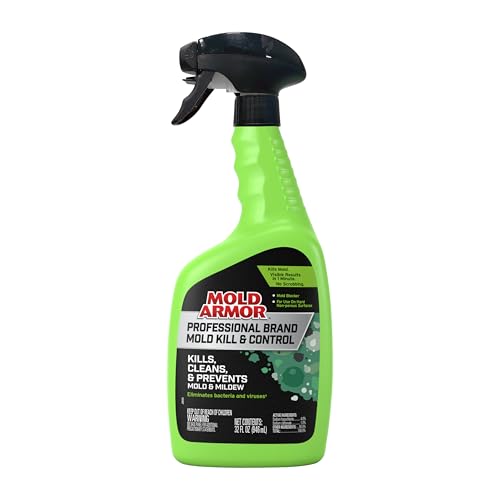 Mold Armor Mold & Mildew Remover | Widely stocked bathroom/surface remover. | Amazon — $22.98 |