Mold Cleaner for Walls: A Homeowner Guide
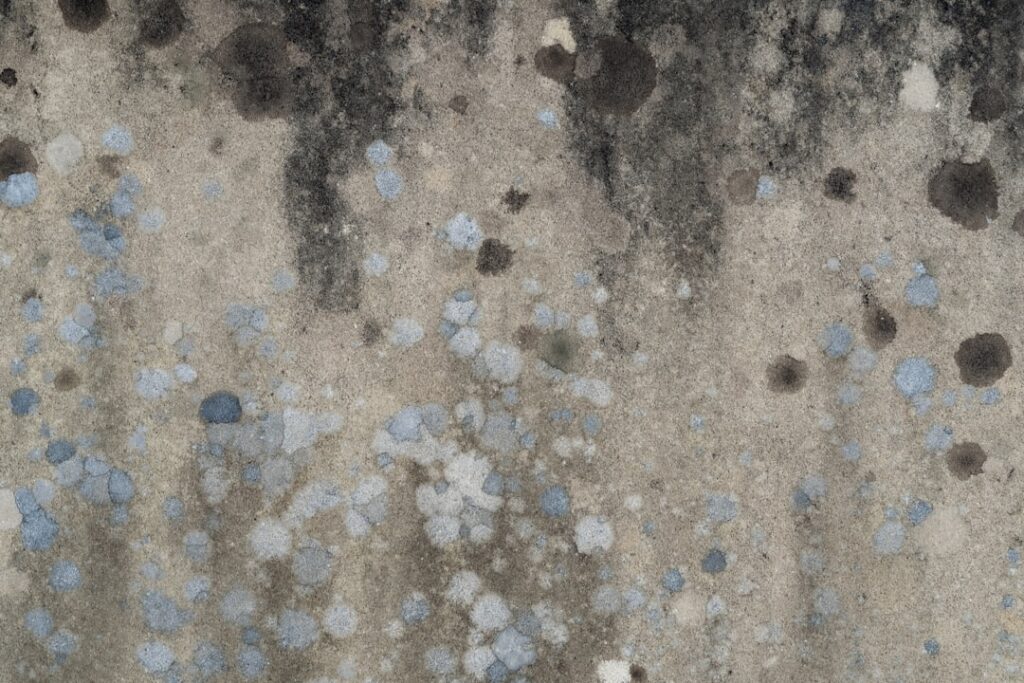
Picking a mold cleaner for walls sounds simple until you realize that the right product depends entirely on what the wall is made of and how deep the mold has gone. A spray that clears mildew off glazed tile may do nothing lasting on porous drywall, and the strongest chemical is not always the best choice. This guide matches cleaners to wall surfaces, explains where cleaning ends and removal begins, and covers safe use. It summarizes EPA and CDC guidance current as of 2026; consult a certified professional for testing decisions and your physician for any health symptoms.
Part of our Mold Removal & Remediation guide — start there for the full picture →
Is this mold, asbestos, or water damage? Get a free instant screen
Upload a clear photo of the suspect area. You'll get an instant AI screening opinion and what to do next. This is screening guidance, not a professional determination.
Screening guidance only. AI can be wrong. Confirm asbestos, mold type, or lead with lab testing or a licensed professional before acting.
What mold cleaner works best for walls?
No single cleaner is best for every wall, because the surface determines what works. On non-porous painted or tiled walls, EPA-registered mold cleaners, hydrogen peroxide, and white vinegar all clear surface mold effectively when given time to dwell. On porous drywall where mold has rooted, even the best cleaner only treats the face while the growth persists in the paper and gypsum.
The most important question is therefore not which bottle to buy but whether the mold is surface-level or rooted. Surface mold on a sealed wall cleans well; mold that has penetrated the material often needs removal. Our guide to mold killer sprays for walls compares product types in more depth.
Matching the cleaner to the surface
Think of wall cleaning in two categories. Non-porous surfaces, glazed tile, glass, sealed paint, and finished concrete, hold mold on top, so cleaning reaches and removes it. Porous surfaces, unsealed drywall, raw plaster, and bare masonry, let mold sink in, so surface cleaning is incomplete.
Identify your surface before choosing a product. A wipe of detergent on a small spot tells you whether the stain lifts or stays embedded. Knowing what you are looking at also helps you judge severity; our guide to what mold looks like on walls helps distinguish active mold from a harmless stain.
Cleaners for non-porous walls
For tile, glass, and sealed paint, hydrogen peroxide at household strength is a reliable, low-odor option that breaks down into water and oxygen. Undiluted white vinegar penetrates slightly and kills many mold species when left to dwell. EPA-registered mold cleaners are formulated for the job and carry dwell-time instructions worth following.
Cleaners and limits for porous walls
On unsealed drywall and plaster, the same products may lighten the surface but rarely remove rooted mold. Heavily affected drywall is usually cut out and replaced rather than cleaned, because the paper facing feeds mold that a spray cannot reach. Treating porous walls is more about removal than cleaning.
Why bleach is not the default choice
Many homeowners assume bleach is the strongest and therefore best cleaner, but it is a poor fit for porous walls. Its chlorine evaporates quickly while its water soaks into the material, leaving moisture that can feed regrowth and bleaching the color so the wall looks clean while roots survive.
The EPA does not recommend bleach for routine mold remediation on porous materials for exactly this reason. On non-porous tile it can work, but gentler alternatives often do the job with less risk and odor. Our detailed look at using bleach on mold explains the trade-offs.
How to apply a mold cleaner safely
Technique matters as much as product. Ventilate the room, wear gloves and eye protection, and put on an N95 respirator if the area is more than a small patch. Choose one cleaner and never mix products, since combining bleach with ammonia or acids creates toxic gas.
Apply the cleaner, let it dwell for the labeled time rather than wiping immediately, then scrub gently and wipe. Dry the wall thoroughly afterward, because leftover moisture is the single biggest cause of regrowth. Bag any cleaning materials used on the mold before carrying them through the home.
When cleaning a wall is not enough
Surface cleaning fails when the mold is rooted or when the wall cavity behind it stays wet. Drywall is porous, so a patch on the painted face may sit above more extensive growth inside the wall. Cleaning the visible spot leaves the hidden colony to return.
Recurrence is the clearest sign that cleaning is the wrong tool. If mold returns to the same spot within weeks, either the material is too penetrated to clean or the moisture source remains. Moisture meters reveal dampness inside the wall, and the mold inspection and testing hub explains how professionals decide when to open a wall.
Fixing the moisture behind the wall
No cleaner addresses why the mold appeared. Condensation on a cold exterior wall, a slow plumbing leak inside the cavity, or chronic room humidity will regrow mold regardless of which product you used. The durable fix is correcting the moisture, not buying a stronger spray.
Keeping indoor humidity below about 60 percent, fixing leaks, and improving ventilation do more than any cleaner. The cleaner handles the visible symptom; the moisture work prevents the next outbreak. A wall that stays dry simply does not grow mold.
When to call a professional
Hand off the job when mold covers more than roughly 10 square feet, when it follows flooding, or when it sits inside the wall cavity rather than just on the surface. Anyone in the home with asthma or a weakened immune system also benefits from professional handling beyond a small patch.
A professional brings containment and equipment that prevent spore spread during removal, plus the judgment to decide whether drywall is salvageable or must come out. For walls, the smart approach is to clean what is truly surface-level and call for help the moment the problem proves deeper.
Commercial cleaners versus household solutions
Homeowners often weigh purpose-made mold cleaners against household staples, and both have a place. Commercial EPA-registered mold cleaners are formulated for the task and carry labeled dwell times, making their performance predictable when the directions are followed. They are a dependable choice for surface mold on appropriate walls.
Household solutions hold their own on the right surfaces. Undiluted white vinegar penetrates slightly and addresses many species, while household hydrogen peroxide cleans effectively and breaks down into water and oxygen without harsh residue. The deciding factor is rarely which category is stronger but whether the product matches the surface and is given time to work.
Spray versus wipe versus foam products
Mold cleaners come in several formats, and the form affects how well they perform. Sprays are convenient and cover broad areas but can run off vertical walls before dwelling long enough. Foaming products cling to vertical surfaces longer, giving the active ingredient more contact time, which matters on walls where gravity pulls liquid down.
Application technique can compensate for format. With a spray, reapplying to keep the surface wet for the full dwell time prevents premature drying. Whatever the form, the principle holds: the cleaner must stay in contact with the mold long enough to work, so a format that maintains that contact on a vertical wall has a practical advantage.
Protecting yourself while cleaning walls
Cleaning wall mold safely means protecting your airways and skin. Wear gloves and eye protection, and use an N95 respirator for anything beyond a tiny spot, since wiping mold can release spores. Ventilate the room with open windows or a fan exhausting outward to clear both spores and any cleaner fumes.
The cardinal safety rule is never to mix products. Combining bleach with ammonia-based or acidic cleaners produces toxic gases, and the temptation to layer products for a stronger effect is exactly how dangerous mixtures occur. Use one cleaner at a time, rinse between different products, and keep the space ventilated throughout the job.
Cleaning textured and painted walls
Wall texture changes how mold cleaning goes. Smooth painted walls let you wipe mold cleanly off an intact paint barrier, while textured finishes and popcorn surfaces trap growth in their contours and resist wiping. On textured surfaces, a soft brush helps work the cleaner in, but aggressive scrubbing can damage the finish and release spores.
Painted walls also vary by paint condition. Where the paint is solid and unbroken, it acts as a barrier keeping mold on the surface. Where paint is cracked, peeling, or has absorbed moisture, mold may have reached the drywall beneath, and cleaning the face will not resolve it. Reading the paint’s condition helps you judge whether cleaning will actually work.
After cleaning: sealing and repainting
Once a wall is cleaned and fully dry, sealing and repainting can restore it and add resistance. A mold-resistant primer applied to clean, dry drywall provides a protective base, and mold-resistant paint adds further inhibition on the finished surface. These steps suit damp-prone areas like bathrooms and basements.
Sequence is everything. Painting over mold or over damp drywall traps the problem and leads to bleed-through and continued growth beneath the coat. The wall must be genuinely clean and dry first, and the moisture source corrected, before any primer or paint goes on. Done in the right order, sealing and repainting finish the job and reduce the odds of recurrence.
Matching the cleaner to the room
The room a wall lives in shapes the right cleaning approach. Bathroom and kitchen walls face constant humidity and benefit from products and finishes built for moisture, while bedroom and living-room walls usually deal with occasional condensation that a gentler cleaner handles. Basement walls, often masonry, may need cleaners suited to porous concrete and block.
Considering the room also flags the likely moisture source. A bathroom wall points to ventilation, a basement wall to foundation moisture, and a bedroom corner to condensation on a cold exterior surface. Matching both the cleaner and the moisture fix to the room produces a more lasting result than reaching for the same bottle everywhere.
Cost of cleaning versus replacing
Homeowners often weigh whether to keep cleaning a wall or replace the affected section, and cost is part of the calculation. A bottle of cleaner is cheap, but repeated cleaning of a wall that keeps regrowing mold adds up in time and frustration, and it leaves the underlying problem unsolved. At some point, removal and replacement is the economical choice.
The deciding factor is usually whether the mold is surface-level or rooted. Surface mold on a sound, sealed wall is genuinely a cleaning job. Mold that has penetrated drywall, returns repeatedly, or accompanies damp, soft board has moved past cleaning, and continuing to buy cleaner only delays the removal that the situation actually requires.
Testing a cleaner on a small area first
Before treating a whole wall, testing the cleaner on a small, inconspicuous spot is a sensible habit. Some cleaners can discolor paint, dull finishes, or react with certain surfaces, and a small test reveals this before you have treated a visible expanse. Waiting a few minutes after the test shows whether the surface tolerates the product.
The test also gauges effectiveness. If a spot lifts cleanly and stays clean after drying, the cleaner is working on genuinely surface-level mold. If the stain persists or bleeds back, the mold is likely rooted and the wall needs removal rather than more cleaning. A quick test thus answers both the safety and the strategy questions before you commit to the full job.
References
- Mold Cleanup in Your Home — U.S. Environmental Protection Agency
- A Brief Guide to Mold, Moisture and Your Home — U.S. Environmental Protection Agency
- About Mold and Health — Centers for Disease Control and Prevention
- Mold Inspection Standards — International Association of Certified Home Inspectors
Frequently asked questions
What is the best mold cleaner for walls?
It depends on the surface. On non-porous painted or tiled walls, EPA-registered cleaners, hydrogen peroxide, and white vinegar with proper dwell time work well. On porous drywall where mold has rooted, even the best cleaner only treats the surface, and the material often needs removal.
Should I use bleach as a mold cleaner on walls?
Bleach can work on non-porous tile but is a poor choice for porous walls, where its chlorine evaporates and its water feeds regrowth while only bleaching the color. The EPA does not recommend bleach for porous materials, and gentler options often work better.
Why does mold come back after I clean the wall?
Recurrence means the mold was rooted too deep to clean or the moisture behind the wall remains. Condensation, leaks, and high humidity regrow mold regardless of the cleaner. The durable fix is correcting the moisture, not using a stronger product.
When should I stop cleaning and call a professional?
Call a professional when mold covers more than about 10 square feet, follows flooding, or sits inside the wall cavity, and when anyone in the home has asthma or a weakened immune system. They provide containment and decide whether drywall is salvageable.
Front Range homeowners whose wall mold keeps returning after cleaning can get in touch through our contact page for a connection to a qualified local inspector who can check for moisture behind the surface.
Mold removal & cleanup picks
For a small, contained patch (under ~10 sq ft) these EPA-friendly removers handle surface mold. Larger or recurring growth warrants a professional assessment first.
| Product | Why | Buy |
|---|---|---|
 RMR-86 Instant Mold Stain Remover RMR-86 Instant Mold Stain Remover | Fast-acting on stains; ventilate and wear PPE. | Amazon — $29.99 |
 Concrobium Mold Control Concrobium Mold Control | No-bleach formula that also helps prevent regrowth. | Amazon — $34.27 |
 Mold Armor Mold & Mildew Remover Mold Armor Mold & Mildew Remover | Widely stocked bathroom/surface remover. | Amazon — $22.98 |