What Does Mold Look Like on Walls? A Clear Guide
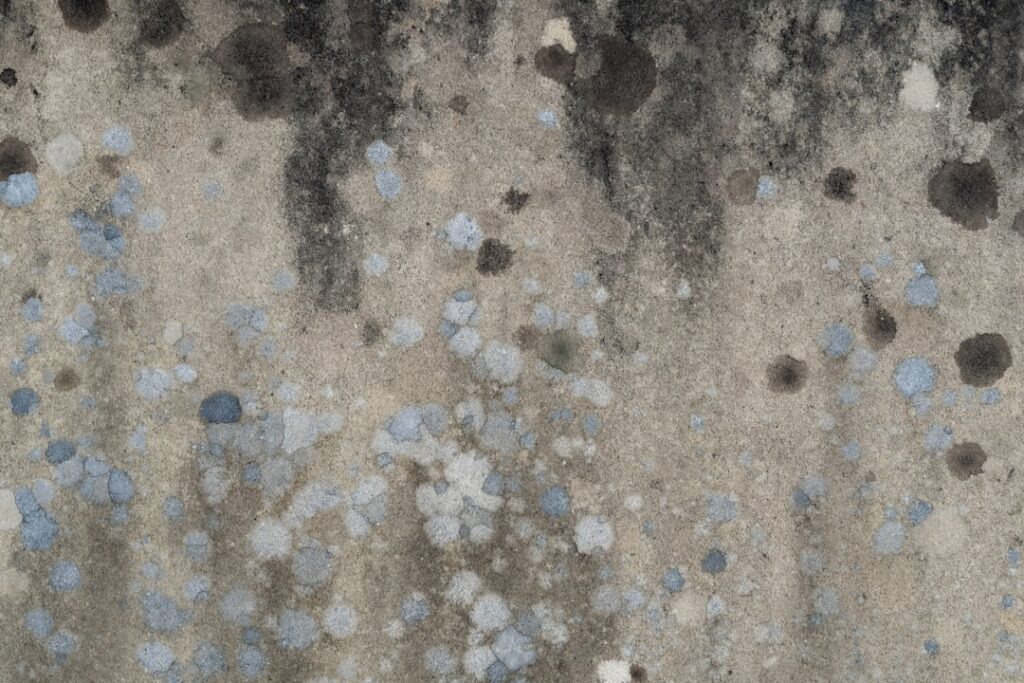
A discoloration on a wall sends many homeowners straight to a search bar, because mold and ordinary grime can look alike from across a room. Knowing what mold looks like on walls helps you respond proportionally instead of panicking over a smudge or ignoring a real colony. Mold appears in a range of colors and textures, and the surface it grows on changes how it presents. This guide summarizes EPA and CDC guidance current as of 2026 to help you read the signs; consult a certified professional for testing and your physician for any health concerns.
Is this mold, asbestos, or water damage? Get a free instant screen
Upload a clear photo of the suspect area. You'll get an instant AI screening opinion and what to do next. This is screening guidance, not a professional determination.
Screening guidance only. AI can be wrong. Confirm asbestos, mold type, or lead with lab testing or a licensed professional before acting.
What does mold look like on walls?
Mold on walls typically shows up as irregular spots or patches rather than a uniform stain. It can be fuzzy, slimy, or powdery, and the edges are usually fuzzy and undefined rather than sharp. Early growth often looks like scattered specks, almost like someone flicked a paintbrush, before the spots merge into larger blotches.
Texture is a strong clue. Dirt and water stains sit flat and smooth, while mold frequently has a three-dimensional, fuzzy or raised quality you can sometimes see at an angle in good light. A musty smell accompanying the discoloration pushes the odds heavily toward mold. For a side-by-side comparison, our guide to what mold looks like on walls shows how presentation shifts across paint, drywall, and tile.
What do the different colors mean?
Color hints at the type of mold but does not confirm it; only lab analysis identifies a species with certainty. That said, certain colors recur on walls. Black or dark-green slimy growth often appears where moisture is heavy and persistent. Green and white powdery growth is extremely common and tends to show on damp drywall and painted surfaces.
Pink, orange, or brown films, often seen near bathrooms, may be mold or bacterial growth feeding on soap residue. The color matters less than the moisture behind it. To understand how appearance maps to type, our overview of the different types of mold walks through the common families homeowners encounter.
Is black mold always toxic?
Not necessarily. Many dark molds are not the species people mean when they say toxic black mold, and color alone cannot tell them apart. The CDC notes that all indoor mold should be removed regardless of color, because dampness itself drives health concerns. Treat any wall mold seriously without assuming the worst from color alone.
Mold versus dirt, stains, and efflorescence
Several harmless things mimic mold. Dirt and dust gather in even layers and wipe away cleanly. Water stains leave flat, often ring-shaped marks with crisp edges and no texture. Efflorescence, a white crystalline deposit on masonry and basement walls, looks powdery but is mineral salt left by evaporating water, not a living organism.
A simple field check helps. Dab the spot with a cotton swab dipped in diluted detergent or hydrogen peroxide; mold often lightens or smears, while a stain or mineral deposit usually does not change the way mold does. Persistent musty odor, fuzzy texture, and spreading over time all point toward mold rather than a cosmetic mark.
Where mold shows up on walls and why
Location tells you about the moisture source. Mold near the floor on a basement wall suggests groundwater or foundation moisture. Growth high in a corner of an exterior wall often signals condensation where warm indoor air meets a cold surface. Patches around windows point to leaks or condensation on the glass and frame.
Hidden plumbing makes bathroom and kitchen walls frequent sites. A slow leak inside the cavity can feed mold that surfaces as a stain long before you find the pipe. Our explainer on mold on walls and its causes connects common patterns to the moisture problems behind them.
What wall mold reveals about hidden problems
Visible mold is often the tip of a larger issue. Drywall is porous, so a patch on the painted face may sit above more extensive growth inside the wall cavity where insulation and the back of the board stay damp. The surface stain can be a fraction of the actual colony.
This is why scrubbing the visible spot rarely ends the matter. If the cavity remains wet, mold returns. Moisture meters and, where useful, thermal imaging reveal the hidden extent that the eye misses. The mold inspection and testing hub outlines how professionals map what lies behind a wall before deciding how much to open up.
When you can clean it and when you cannot
A small patch of surface mold on a non-porous wall, like sealed tile or painted concrete in a dry room, often wipes away with an appropriate cleaner. The EPA’s general guideline is that areas under about 10 square feet are within reach for a careful homeowner with proper protection.
Porous drywall is trickier. Once mold penetrates the paper facing, cleaning the surface leaves roots behind, and heavily affected sections usually need cutting out and replacing. Large areas, growth after flooding, or any patch tied to a hidden leak call for professional assessment rather than a quick wipe.
How to respond when you spot mold
Start by finding and stopping the moisture. Check for leaks, run a dehumidifier in damp rooms, and improve ventilation where condensation forms. Do not paint over mold; it will bleed through and continue growing beneath the new coat.
Document the spot with photos if a rental or insurance claim may follow. For anything beyond a small, clearly surface-level patch, an independent inspection clarifies how far the problem extends before you commit to a cleanup. Reading the wall correctly early saves both money and worry later.
How mold looks different on various wall materials
The same mold presents differently depending on what it grows on. On smooth painted drywall, mold often appears as defined spots or speckles that you can see clearly against the flat surface. On textured or popcorn finishes, growth can hide in the texture and look more like general discoloration until it spreads.
Masonry and concrete walls add complication. Mold on these surfaces competes visually with efflorescence and water staining, so distinguishing the living growth from mineral deposits takes a closer look. Tile and glazed surfaces show mold most clearly because the smooth, non-absorbent face leaves growth sitting plainly on top, which is also why those surfaces clean most easily.
The smell that accompanies wall mold
Sight is not the only sense that detects mold. A musty, earthy odor often accompanies wall growth and sometimes precedes a visible patch, especially when the mold is establishing inside the wall before surfacing. That smell comes from compounds active mold releases, so a persistent musty odor in a room with no obvious growth is a clue worth following.
Odor can also reveal hidden problems. A smell that strengthens near a particular wall, behind furniture, or in a closet suggests growth in a spot you have not inspected. Pairing what you see with what you smell gives a fuller picture than appearance alone, and a strong musty odor without visible mold often justifies a closer look behind the surface.
Early signs before mold is obvious
Wall mold rarely appears fully formed. Early signs include faint discoloration, small scattered specks, a slightly fuzzy texture catching the light at an angle, and that first hint of mustiness. Catching mold at this stage makes cleanup far simpler, since a small surface patch is much easier to address than an established colony.
Paint behaving oddly can also signal trouble. Bubbling, peeling, or staining paint often means moisture is moving through the wall, and mold frequently follows moisture. Treating these early warnings as prompts to check for dampness, rather than waiting for obvious black growth, keeps small problems from becoming large ones.
What wall mold means for indoor air
Visible mold on a wall affects more than that wall. Spores and fragments enter the air, and the CDC notes that indoor dampness and mold are associated with respiratory symptoms in sensitive individuals. A moldy wall is therefore both a surface problem and an air-quality consideration for the people in the room.
This guide summarizes general guidance and is not medical advice. Anyone experiencing symptoms they suspect are tied to mold should consult a physician, while the building side is handled by removing the growth and the moisture behind it. Addressing visible wall mold promptly limits how much spore material circulates while the source is being fixed.
Documenting wall mold properly
If a rental dispute, sale, or insurance claim may follow, good documentation protects you. Photograph the affected wall from several distances and angles, capture the surrounding area for context, and note the date you discovered the growth. Record any musty odor and any history of leaks or condensation in that location.
A consistent record matters because mold problems evolve. Dated photos showing how a patch changes over time demonstrate whether it is spreading and how quickly. For renters, prompt written notice to a landlord with photos creates a paper trail, and for sellers and buyers, documentation supports honest disclosure and fair negotiation around any needed remediation.
When to act and when to test
For a small, clearly surface-level patch on a hard, non-porous wall in a dry room, prompt cleaning with proper protection is the right move. The EPA’s roughly 10-square-foot guideline marks the upper edge of reasonable do-it-yourself work. Below it, action usually beats testing, since the cleanup is the same regardless of species.
Testing earns its place in specific situations: when growth is suspected but hidden, when a health condition makes the species relevant, when a transaction needs documentation, or to verify a remediation worked. For the ordinary visible patch, identifying it correctly and addressing the moisture matters far more than laboratory confirmation of which mold it is.
Seasonal patterns in wall mold
Wall mold often follows the seasons, and noticing the pattern helps pinpoint the cause. In colder months, mold tends to appear on exterior walls and in corners where warm indoor air condenses against cold surfaces. This condensation-driven growth peaks in winter and may fade as the weather warms and humidity drops.
Summer brings its own pattern. High outdoor humidity, especially in humid climates, can keep indoor surfaces damp enough for mold without any condensation. Recognizing whether your wall mold tracks with winter condensation or summer humidity points toward the right fix, whether that is better insulation and ventilation or stronger dehumidification.
What to do the moment you spot it
A clear first response prevents a small spot from becoming a large one. Begin by locating and stopping the moisture, checking for leaks, condensation, or humidity sources near the patch. Avoid disturbing the growth aggressively, and never paint over it, since it will bleed through and keep growing beneath the coat.
Then assess scale honestly. A small, surface-level patch on a hard wall in a dry room is usually within reach to clean with proper protection, while anything larger, porous, or tied to a hidden leak warrants an independent look. Photographing the spot and noting the date gives you a baseline whether you clean it yourself or call for help.
References
- A Brief Guide to Mold, Moisture and Your Home — U.S. Environmental Protection Agency
- About Mold and Health — Centers for Disease Control and Prevention
- Mold Inspection Standards — International Association of Certified Home Inspectors
- Mold Cleanup in Your Home — U.S. Environmental Protection Agency
Front Range homeowners unsure whether a wall stain is mold or something cosmetic can get in touch through our contact page for a connection to a qualified local inspector who can take a closer look.