What Does House Mold Look Like: A Room Guide
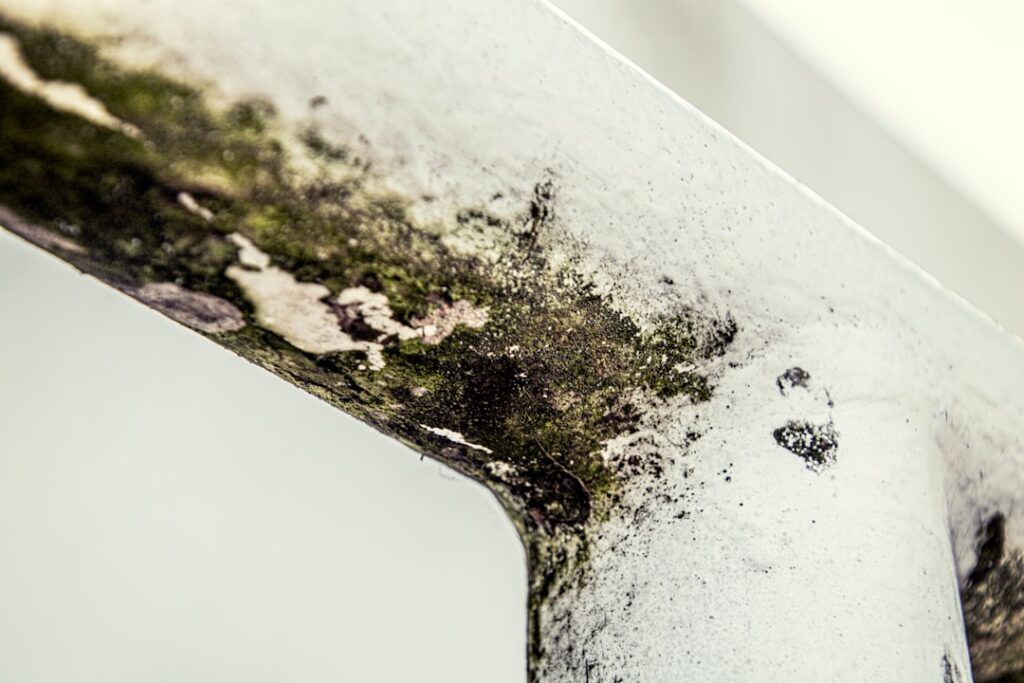
Mold does not look the same everywhere in a house. A bathroom colony reads differently from one hiding behind drywall or living in an HVAC duct. Understanding what house mold looks like location by location helps you catch it where it actually starts. This guide tours the home room by room, describing the appearance and the hidden clues for each spot. It summarizes EPA and CDC guidance current as of 2026 and is home-environment information, not medical advice; any symptom belongs to a physician rather than to a visual check.
Is this mold, asbestos, or water damage? Get a free instant screen
Upload a clear photo of the suspect area. You'll get an instant AI screening opinion and what to do next. This is screening guidance, not a professional determination.
Screening guidance only. AI can be wrong. Confirm asbestos, mold type, or lead with lab testing or a licensed professional before acting.
What Does House Mold Look Like in Different Rooms?
The constant across every room is moisture; the variable is how mold presents given the materials and conditions there. On hard bathroom tile it may be a thin, dark surface film, while on basement drywall it can be a fuzzy patch eating into the paper. The appearance shifts with the surface, so location is as informative as color. A general primer on what mold looks like by color and texture pairs well with this room-by-room tour.
Bathroom Mold
Bathrooms are the most common mold site because of constant humidity. Look for dark spots or a thin film along grout lines, in shower corners, on caulk, around the tub, and on the ceiling above the shower where steam condenses. It often appears black, pink, or orange. Much of this is surface growth on nonporous tile that wipes off, but recurring growth signals a ventilation problem. The guide on detecting bathroom mildew covers these surface growths in detail.
The Ceiling and Fan Clue
Mold spreading on a bathroom ceiling or around the exhaust-fan grille usually means the fan is undersized, not running long enough, or not venting outside. The growth pattern points straight at the airflow problem.
Basement Mold
Basements combine cool temperatures, below-grade dampness, and stored belongings, a perfect mold setting. Look for fuzzy white, green, or black patches on drywall, framing, and stored cardboard, plus growth along the sill plate where the wall meets the foundation. A persistent musty smell is often the first sign before anything is visible. Distinguish true mold from efflorescence, the white crystalline mineral deposit on masonry that dissolves in water and is not fuzzy. On the Front Range, finished basements below grade are a leading mold site despite the dry climate.
Mold Behind Walls
Hidden mold is the most concerning because it grows unseen until it is extensive. Clues include a musty odor with no visible source, discoloration or staining bleeding through paint, bubbling or peeling paint and wallpaper, warped or soft drywall, and a wall that feels damp. These signs mean moisture is feeding growth inside the cavity. The guide on testing for mold throughout a house explains how air sampling and moisture meters reveal what the eye cannot.
Why Behind-the-Wall Mold Matters Most
Because it is hidden, behind-wall mold often traces to a slow plumbing leak or chronic condensation that has run for weeks or months. By the time staining appears, the colony and the underlying damage can be substantial, which is why odor and stain clues should never be ignored.
HVAC and Duct Mold
Mold in heating and cooling systems is dangerous precisely because the system distributes spores throughout the house. Look for growth around supply registers and vent covers, on the drip pan and coils of the air handler, and inside ductwork. A musty smell that intensifies when the system runs is a strong indicator. The EPA specifically flags HVAC contamination as a situation warranting professional handling, since cleaning ducts improperly can spread spores further.
Kitchen and Laundry Mold
Kitchens and laundry rooms hide mold under and behind appliances. Check beneath the sink, behind the refrigerator and dishwasher, around the washing machine, and inside the rubber door gasket of front-loading washers, where dark growth is common. Slow leaks from supply lines and drains feed colonies in cabinets people rarely open. A musty cabinet or a leak stain under the sink deserves a closer look.
Attic and Roofline Mold
Attics are a frequently overlooked mold site because few people climb up to look. Growth there usually traces to roof leaks, inadequate ventilation, or bathroom and kitchen exhaust fans that vent into the attic instead of outdoors. Look for dark staining on the underside of the roof sheathing, especially near the ridge and around penetrations, and for discoloration on rafters. A musty smell when the attic hatch is opened is a warning sign. Attic mold often signals a ventilation imbalance, where warm moist air rises and condenses on cold sheathing in winter, a common pattern in colder climates.
Crawlspace Mold
Crawlspaces combine bare ground, poor airflow, and proximity to plumbing, making them prime mold territory. Growth appears on floor joists, subflooring, and any stored materials, often as white or gray fuzz. Because the crawlspace sits beneath living space, its moisture and spores can migrate upward into the home through what building scientists call the stack effect. A vapor barrier over exposed soil, improved drainage, and sometimes encapsulation address the underlying dampness. Homeowners rarely inspect crawlspaces, so a musty smell on the first floor with no visible source upstairs sometimes points downward.
Mold on Windows and Sills
Windows are mold magnets because cold glass condenses indoor humidity every cool morning. Look along the bottom of the sash, on the sill, and in the frame corners where water collects, where dark or black spotting commonly appears. Older or single-pane windows condense more, and the daily wetting feeds Cladosporium and Alternaria. Recurring window mold is one of the clearest signals that indoor humidity is too high, so it doubles as a diagnostic clue. The guide on what mold looks like by color and texture helps confirm window growth is mold rather than grime.
What to Do When You Spot House Mold
Wherever it appears, the response is the same: find and fix the moisture, then remove the growth and dry the area. Small hard-surface patches are often DIY; larger areas, hidden growth, or HVAC contamination warrant a professional. The pillar overview of mold inspection and testing for homeowners explains when a full assessment is worth it and how clearance verification works.
Mold in Closets and Storage Areas
Closets and storage areas grow mold quietly because they are packed, still, and rarely inspected. Look for mold on the backs of items stored against exterior walls, on leather goods and fabrics, on stored cardboard, and in corners where airflow is poor. A musty smell when opening a closet is often the first clue. Closets on exterior walls or below grade are most prone, since the wall stays cool and condensation forms behind stacked belongings. Leaving a little space around stored items and improving airflow helps, and recurring closet mold signals the surrounding space is too humid.
Mold Under Flooring and Carpet
Mold beneath flooring is hidden by definition and often traces to a slow leak or moisture wicking up from a slab. Signs include a musty smell that has no visible source, carpet that feels damp or smells stale, discoloration spreading from the edges, and warped or cupped hardwood or laminate. Carpet padding holds moisture and grows mold readily after water intrusion, frequently requiring removal. Because the growth is under the surface, this is one of the situations where moisture meters and sometimes lifting a section of flooring are needed to confirm what the nose already suspects.
How Appearance Guides Your Next Step
Where and how house mold appears points toward both the moisture source and the right response. Growth high on a wall or ceiling suggests a roof or upper-level leak, while growth low along baseboards suggests groundwater or a floor-level source. Surface growth on hard bathroom tile is usually a simple cleanup, while fuzzy growth eating into basement drywall signals a deeper problem. Reading the location and texture together helps a homeowner decide whether a cloth and detergent will do or whether the situation calls for moisture investigation and possibly a professional, as the broader guide to testing for mold in a house explains.
Acting on House Mold by Location
The response to house mold scales with location and extent. Visible surface growth in a bathroom or kitchen is often manageable directly, while suspected growth behind walls, under floors, in crawlspaces, or in HVAC usually warrants professional detection and remediation because it is hidden and extensive. In every case the principle holds: find and fix the moisture, remove the growth, and dry the area. Matching the response to where the mold appears, rather than treating every spot identically, is what makes cleanup both effective and proportionate to the actual problem.
House Mold in Front Range Homes
Colorado Front Range houses show house mold in predictable spots despite the dry climate. Below-grade basements across Denver-area counties are the leading site, with growth on drywall, framing, and stored items where dampness collects. Bathrooms with weak ventilation and windows that condense in winter follow. Attics can develop growth when exhaust fans vent into them or when ice dams force meltwater under shingles. The regional lesson is that a dry climate concentrates mold into the home’s damp pockets rather than eliminating it, so Front Range homeowners should focus their visual checks on basements, bathrooms, attics, and windows.
When Visible Growth Means More Is Hidden
A visible patch is sometimes only the edge of a larger hidden problem. Growth bleeding through paint, staining around a baseboard, or a small spot near a chronically damp area can indicate a colony established inside the wall or under the floor. House mold that keeps returning after cleaning, or that appears alongside a persistent musty smell, strongly suggests hidden growth feeding the visible part. In these cases, what the eye sees underrepresents the actual extent, which is why recurring or odor-accompanied growth warrants moisture investigation and often professional detection rather than repeated surface cleaning.
Using Your Nose Alongside Your Eyes
Identifying house mold is not purely visual, and in many rooms the nose leads. A musty, earthy smell often signals active growth before anything is visible, especially when mold hides inside walls, under floors, in crawlspaces, or in ductwork. Walking through a house and noting where the air smells stale or damp, a particular closet, a basement corner, a room when the HVAC runs, points toward growth the eyes would miss. Treating a persistent musty odor as a finding worth investigating, rather than something to mask with air freshener, catches hidden house mold that a visual-only check leaves undiscovered.
How Appearance Changes With Severity
House mold reads differently depending on how advanced it is. Early growth often shows as faint speckling or slight discoloration in a damp spot, easy to dismiss. As it progresses, patches darken, gain texture, and spread, and a musty smell strengthens. Advanced house mold appears as large, heavily textured masses, sometimes with drywall that is soft, stained, or crumbling, and growth that has spread beyond what is visible into the cavity. Reading the severity from the appearance helps a homeowner judge urgency: early growth invites a prompt cleanup, while advanced growth signals a long-standing moisture problem and often calls for professional remediation.
References
- A Brief Guide to Mold, Moisture and Your Home — U.S. Environmental Protection Agency
- Mold in the Home Basics — Centers for Disease Control and Prevention
- Cleaning Mold in the Home — U.S. Environmental Protection Agency
If you have found growth somewhere in your Front Range house, connect with a vetted inspector through our contact page to confirm it and trace the moisture behind it.