Mold Detector: What Homeowners Need to Know
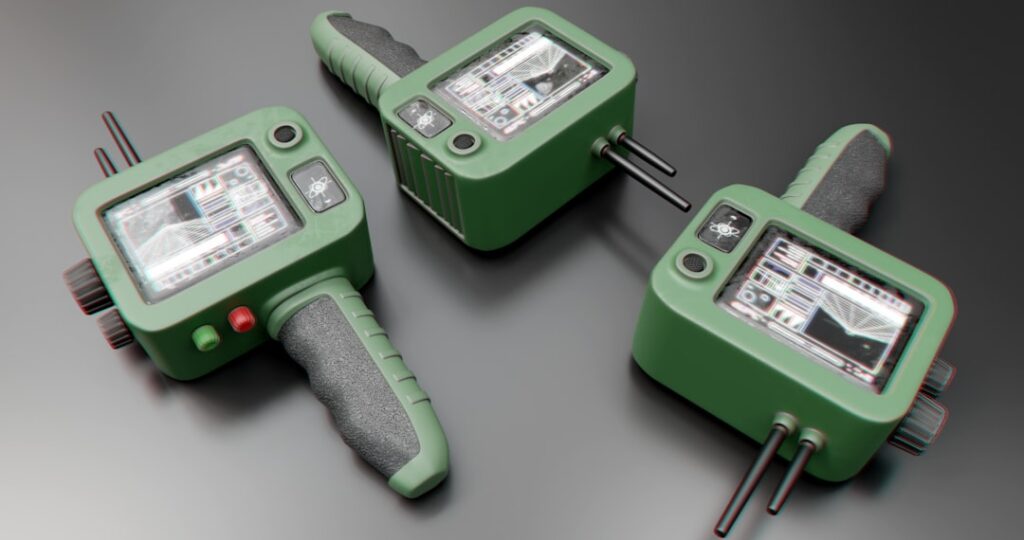
A mold detector is any device or kit marketed to identify mold or the conditions that breed it, ranging from petri-dish test kits to humidity sensors to air-quality monitors. Understanding what each can actually do saves homeowners from false confidence. This guide summarizes EPA and CDC guidance current as of 2026; consult a certified professional for testing decisions and your physician for health concerns. The EPA’s position is blunt: in most cases, if you can see or smell mold, sampling is unnecessary, and the real value lies in detecting the moisture that drives growth.
Part of our Home Inspection Tools guide — start there for the full picture →
Is this mold, asbestos, or water damage? Get a free instant screen
Upload a clear photo of the suspect area. You'll get an instant AI screening opinion and what to do next. This is screening guidance, not a professional determination.
Screening guidance only. AI can be wrong. Confirm asbestos, mold type, or lead with lab testing or a licensed professional before acting.
What a “Mold Detector” Actually Is
The term covers several different products. Some are settling-plate or swab kits that grow a culture you mail to a lab. Others are electronic monitors that track humidity, temperature, and sometimes airborne particles. None of these directly and reliably “detects mold” the way a smoke alarm detects smoke; they either sample for later analysis or measure the conditions that favor growth. Knowing which type you have sets realistic expectations.
Do Home Mold Test Kits Work?
Home kits can confirm that mold is present, but the EPA notes that because mold spores are everywhere, a positive result is almost guaranteed and tells you little. Settling plates collect whatever floats by, including normal background spores. Without a trained interpretation and an outdoor comparison sample, the numbers are hard to act on. These kits rarely change what you should do, which is find and fix moisture.
The Petri-Dish Trap
A plate left out will grow something, and many homeowners read that as proof of a problem. Since spores exist in all air, a colony on a plate is expected. It does not measure concentration in a meaningful way or locate hidden growth.
Humidity and Moisture Monitors
This is where detectors earn their keep. A simple hygrometer or smart humidity sensor tells you when indoor humidity climbs above the 60 percent threshold the CDC flags as mold-friendly. Catching rising humidity early lets you ventilate or dehumidify before mold establishes. For diagnosing the source of dampness, moisture meters used by inspectors are far more useful than spore kits.
Air-Quality and Particle Sensors
Consumer air-quality monitors measure particulates and sometimes volatile compounds, but they cannot specifically identify mold spores or confirm a mold problem. A so-called smart sensor that flashes an alert may simply be reacting to dust or cooking. Treat these as general indoor-air tools, not mold diagnostics.
When the EPA Says Skip Testing
The EPA states that if visible mold is present, sampling is usually unnecessary because the response is the same regardless of species: remove it and fix the moisture. Spending on a detector to confirm what your eyes and nose already tell you delays the actual fix. Our overview on how to tell if you have mold in your house covers the signs that matter.
When Professional Testing Helps
Testing earns its cost in specific situations: a real-estate dispute, a sensitive household, a recurring problem, or mold you smell but cannot find. Professionals collect air and surface samples, compare indoor counts to outdoor baselines, and interpret results with training a kit cannot replace. Our guide to how to know if your home has mold explains when to invest.
What Detectors Cannot Replace
No consumer device finds mold hidden inside a wall cavity the way a trained inspector using moisture meters, borescopes, and thermal imaging can. Detectors measure conditions or sample air; they do not locate the source. The most important detection tool is still a methodical search for water, guided by our walkthrough on finding mold in your house.
Getting Real Value From a Detector
If you buy anything, choose a quality humidity monitor and place it in damp-prone areas like the basement and bathroom. Use it to keep humidity in the 30 to 50 percent range and to catch spikes after storms or snowmelt. That preventive use, rather than spore-counting, is where a detector genuinely protects a Front Range home.
How Professionals Detect Mold
Professional detection goes well beyond a settling plate. Inspectors use calibrated moisture meters to find dampness in walls and floors, borescopes to peer inside cavities through small holes, and thermal imaging to spot temperature differences that hint at hidden water. When sampling is warranted, they collect air and surface samples and send them to an accredited lab, comparing indoor counts against an outdoor baseline. This combination of tools and interpretation is what a consumer detector cannot replicate, and it locates the source rather than just confirming spores exist.
Placing a Humidity Monitor Effectively
If you buy one device, make it a quality humidity monitor and place it where dampness concentrates: the basement, a bathroom, near a sump pit, or by a frequently condensing window. Position it away from direct airflow from vents, which can skew readings. Check it after storms, snowmelt, and long humid stretches. Used this way, the monitor becomes an early-warning system, prompting you to ventilate or dehumidify before mold gets a foothold. That preventive role is its real value.
Detectors and Real-Estate Transactions
During a home purchase, a store-bought kit carries little weight. Buyers, sellers, and their agents rely on professional inspection and accredited lab results, not a petri dish left on a counter. If mold is a concern in a transaction, a professional assessment with documented sampling and an outdoor comparison is what holds up. Our overview on how to tell if a house has mold covers what matters when money is on the line.
The Limits of Consumer Technology
Marketing for so-called smart detectors often implies they continuously sniff out mold. In reality, particle and air-quality sensors react to dust, cooking smoke, and other compounds without specifically identifying mold. A flashing alert can mean many things. Treat consumer air-quality devices as general indoor-air tools, useful for tracking trends, but not as mold diagnostics. The honest detection toolkit for a homeowner is a humidity monitor plus attention to leaks, odors, and visible growth.
When a Detector Actually Helps
A detector earns its place when it tracks the conditions that breed mold rather than chasing spores. A humidity monitor that keeps you in the 30 to 50 percent range, a leak sensor under a problem sink, and a habit of checking damp areas after storms together prevent more mold than any spore kit catches. Our overview on how to know if your home has mold explains how these preventive tools fit a broader strategy.
Comparing Detector Types Side by Side
Settling-plate and swab kits sample what is present but nearly always confirm spores, since spores exist everywhere, so they rarely change your course of action. Air-quality particle sensors track dust and compounds but cannot specifically identify mold. Humidity monitors measure the single condition that most directly predicts mold and are the most actionable for homeowners. Moisture meters, used mainly by inspectors, locate dampness in materials. Understanding that each tool answers a different question keeps you from buying a device that cannot do what you hoped.
What to Look For in a Humidity Monitor
A useful humidity monitor displays relative humidity clearly, holds reasonable accuracy, and ideally logs trends or alerts when levels climb. Battery models work in basements without outlets, while connected models can notify your phone. Calibration matters less than consistency; what you want is a reliable read on whether you are staying in the 30 to 50 percent range the CDC favors. Place one in each damp-prone area rather than relying on a single living-room reading that misses the basement.
Detectors and Mold Prevention
The honest value of detection is prevention, not diagnosis. A humidity monitor that prompts you to run a dehumidifier, a leak sensor under a problem sink, and a habit of checking damp areas after storms together stop mold before it starts. This preventive posture beats reacting to a spore count after growth is established. Our overview on preventing mold growth shows how monitoring fits into a moisture-control strategy that actually keeps mold out.
When a Detector Gives False Reassurance
The risk with consumer detectors is misplaced confidence. A kit that grows a modest colony might be read as proof of a serious problem, or a particle sensor that stays quiet might be taken as proof there is no mold when growth is hidden inside a wall. Neither conclusion is reliable. Devices that measure conditions are useful; devices that claim to confirm or rule out mold can mislead. When in doubt, trust your eyes, nose, and a professional over a gadget’s verdict.
When to Call a Professional
Skip the kit and call a certified professional when you smell mold but cannot find it, when growth keeps returning, when a sale or dispute requires documentation, or when occupants are medically vulnerable. A pro brings the equipment and interpretation that home detectors lack and can pinpoint the moisture source a sensor only hints at.
Smart-Home Integration and Leak Sensors
Connected leak sensors placed under sinks, behind toilets, near water heaters, and by sump pits alert you the moment water appears, often through a phone notification. Catching a leak in minutes rather than weeks is one of the most effective forms of mold prevention, since it stops moisture before growth begins. Paired with a humidity monitor, these sensors give a meaningful early-warning network. This is a genuinely useful application of smart-home technology for mold, far more than any device claiming to sniff out spores.
Maintaining Your Detection Devices
A detector only helps if it works. Replace batteries on schedule, clean humidity monitor sensors of dust that can skew readings, and test leak sensors periodically. Reposition devices if you finish a basement or change how a room is used. Review the readings rather than ignoring them; a monitor that quietly records months of high humidity does no good if no one acts on it. Treat detection as an active habit, not a set-and-forget purchase.
The Honest Verdict on Mold Detectors
For most homeowners, the best mold detector is not a spore kit but a humidity monitor combined with leak sensors and a habit of looking and smelling for trouble in damp areas. These tools target the conditions mold needs rather than confirming what is already obvious. When real uncertainty arises, hidden growth, a dispute, or a sensitive household, professional testing outperforms any consumer device. Our overview on finding mold in your house shows how detection fits a complete strategy.
Detectors Versus Your Own Senses
Often a homeowner’s eyes and nose outperform a gadget. Visible growth and a persistent musty smell are reliable indicators that something needs attention, and the EPA notes visible mold rarely requires sampling to confirm. A detector adds value by quantifying conditions you cannot sense, like a humidity level creeping up before any odor appears. Used together, attentive observation plus a humidity monitor catches problems early. Relying on a spore kit to tell you what your senses already report is the least useful approach of all.
References
- Mold Testing or Sampling Guidance — U.S. Environmental Protection Agency
- Mold Frequently Asked Questions — Centers for Disease Control and Prevention
- A Brief Guide to Mold, Moisture and Your Home — U.S. Environmental Protection Agency
- Mold Inspection Standards — InterNACHI
Frequently asked questions
Do home mold test kits actually work?
They can confirm mold is present, but since spores exist in all air, a positive result is nearly guaranteed and tells you little. The EPA notes sampling is usually unnecessary when mold is visible; the fix is the same regardless.
What is the best kind of mold detector to buy?
A quality humidity monitor is the most useful consumer device. It alerts you when indoor humidity exceeds 60 percent so you can ventilate or dehumidify before mold establishes.
Can a sensor detect hidden mold in walls?
No consumer sensor reliably finds mold inside wall cavities. Trained inspectors use moisture meters, borescopes, and thermal imaging to locate hidden growth and its water source.
When should I pay for professional testing?
Professional testing helps in real-estate disputes, sensitive households, recurring problems, or when you smell mold but cannot find it. Pros compare indoor and outdoor samples and interpret results.
If you suspect hidden mold and want more than a store-bought kit, a vetted Front Range inspector can help. Reach out through our contact page, or explore our mold inspection and testing hub first.