DIY Mold Test Kit: What Homeowners Should Know
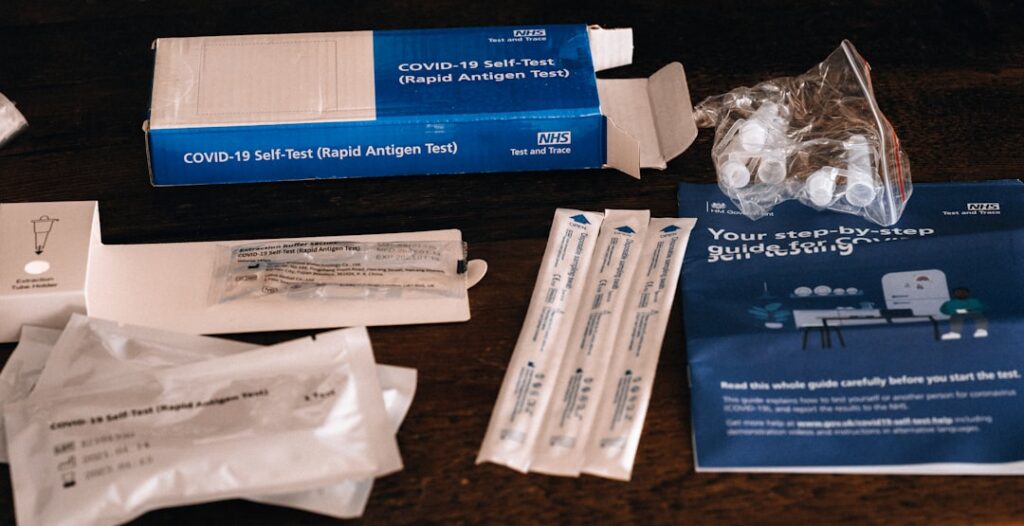
Drugstores and online retailers sell DIY mold test kits for the price of a takeout dinner, promising to tell you whether your home has a mold problem. They are popular for an understandable reason: professional testing costs more, and homeowners want a quick answer. A DIY mold test kit can be useful in narrow situations, but it also has real limitations that the packaging rarely explains. This guide covers how the kits work, what their results actually mean, and when spending on a professional makes more sense. It summarizes EPA and CDC guidance current as of 2026 — consult a physician about symptoms and a certified professional for testing decisions that matter.
Part of our Mold Testing & Inspection guide — start there for the full picture →
Is this mold, asbestos, or water damage? Get a free instant screen
Upload a clear photo of the suspect area. You'll get an instant AI screening opinion and what to do next. This is screening guidance, not a professional determination.
Screening guidance only. AI can be wrong. Confirm asbestos, mold type, or lead with lab testing or a licensed professional before acting.
What the kit results cannot replace
Before getting into the methods, it helps to be clear about the gap a kit leaves no matter how carefully you use it. A DIY mold test does not include the two things that make professional assessment valuable: trained interpretation and on-site investigation.
A professional does not just collect a sample; they walk the property, read moisture with meters, scan for hidden dampness with thermal imaging, trace odors to their source, and interpret any sampling against the building’s conditions and an outdoor baseline. The sample is one data point within that broader picture. A kit hands you a sample — often just colonies on a plate — with none of the context that makes it meaningful. That is why two homeowners can run identical kits and reach opposite, equally unreliable conclusions: one panics over a plate that grew normal background mold, while another feels reassured by a plate that missed a colony hidden inside a wall.
The kit also cannot tell you what to do next, which is usually the real question. Finding mold leads to the same response regardless of the test result — remove it and fix the moisture — and a hidden problem requires investigation a plate cannot perform. Understanding this gap upfront keeps expectations realistic: a kit can satisfy curiosity or characterize a visible patch, but it cannot substitute for the judgment and on-site work that turn a sample into an actionable answer.
How a DIY mold test kit works
Most consumer kits use one of a few methods. The most common is a settle plate: a petri dish of growth medium that you expose to the air for a set time, then seal and let incubate for several days. If mold spores were present, colonies grow on the plate, and the kit may include a chart or a mail-in option to identify them.
A second type is a surface or tape-lift sample, where you press an adhesive strip or swab onto visible growth and either read a color result or mail it to a lab. A third type is an air-pump kit, less common at the consumer level, that draws a measured air volume across a collection cassette for lab analysis. Kits with a mail-in lab component cost more but return identification of the mold types found, while standalone settle plates only show that something grew.
What a DIY mold test kit can and cannot tell you
The honest assessment is that these kits answer a narrower question than buyers expect. A settle plate can confirm that mold spores are present in the air — but mold spores are present in virtually every indoor environment, so a plate growing colonies is almost guaranteed regardless of whether you have a real problem.
The EPA’s position is direct: sampling for mold is not generally recommended for homeowners, because there are no established standards for acceptable indoor spore levels, and the results are difficult to interpret without an outdoor baseline and professional analysis. A DIY plate tells you mold exists; it cannot tell you whether the amount is abnormal, where it is coming from, or whether your home has a hidden problem. For the broader landscape of testing options and their accuracy, our overview of mold test types and what they reveal puts DIY kits in context.
The three main kit types in detail
Choosing among DIY kits is easier when you understand what each type measures and where each falls short. The three common formats answer different questions, none of them as completely as buyers expect.
Settle (gravity) plate kits
These are the cheapest and most common. A petri dish of growth medium is exposed to room air, sealed, and incubated for several days; colonies that appear indicate spores were present. The weakness is that spores are present nearly everywhere, the method depends on uncontrolled airflow and gravity, and without an outdoor control the result has no benchmark. A settle plate confirms mold exists in the air, which is almost always true, rather than whether the level is abnormal.
Surface and tape-lift kits
You press an adhesive strip or swab onto visible growth and either read a result or mail it to a lab. These are best for characterizing something you can already see. They do not assess air quality or find hidden growth, and identifying a patch you can see rarely changes the response, since visible mold should be removed regardless of type.
Air-pump (cassette) kits
Less common at the consumer level, these draw a measured air volume across a collection cassette for lab analysis, which is closer to professional sampling. They cost more and still depend on proper technique and an outdoor comparison to mean much. Even then, interpreting the numbers without professional context is difficult, since there are no established healthy-versus-unhealthy thresholds for indoor spore counts.
The accuracy limits of consumer kits
Several factors undercut the reliability of home kits. Settle plates depend on gravity and airflow, so results vary with where and how long you place them. Contamination during handling is easy. Without a simultaneous outdoor air sample for comparison, an indoor count means little, since the meaningful question is whether indoor levels exceed what is drifting in from outside.
Identification by eye is unreliable too — you cannot determine a mold species from how a colony looks on a plate, and even mailed-in results may not pinpoint the source location. A negative DIY result is also no guarantee: mold growing inside a wall may not release enough spores into the room for a settle plate to catch, so the kit can read “clean” while a hidden problem festers behind drywall. Our guide to signs of mold behind drywall covers the clues a settle plate will miss.
How to use a DIY kit to get the least-bad result
If you decide to use a kit anyway, a few practices improve whatever value it can offer. For a settle plate, place it in the room of concern away from drafts, doors, and vents, and follow the exposure time exactly — too short and nothing grows, too long and the plate is overwhelmed.
The single most useful upgrade is to run a control plate outdoors at the same time for the same duration. Because mold spores exist everywhere, an indoor count means little on its own; comparing it to the outdoor baseline is the only way to judge whether indoor levels are unusual. If the indoor plate grows far more than the outdoor one, that is a more meaningful signal than either number alone. Label and date every plate, handle them with clean hands to avoid contamination, and incubate them as the instructions direct, away from food-prep areas. For kits with a mail-in lab option, follow the sampling instructions precisely and ship promptly so the sample does not degrade. These steps do not turn a consumer kit into professional sampling, but they avoid the most common mistakes that make a home result meaningless.
When a DIY kit is actually useful
Despite the limits, a kit has a few reasonable uses. It can satisfy basic curiosity cheaply, give a rough sense of whether airborne spores are unusually high in a specific room, or provide a mail-in identification of a visible patch you want characterized. For a homeowner who simply wants to confirm that a suspicious spot is mold and is willing to mail it to a lab, that can be enough.
What a kit should not do is drive a major decision. The EPA notes that if you can see mold, you should remove it regardless of type, which means a test to identify visible growth rarely changes what you do next. Spending on a kit to confirm what your eyes already tell you is usually wasted money compared with simply cleaning the area and fixing the moisture.
DIY kit versus professional testing on cost
The price gap is real and shapes the decision. Consumer kits run roughly ten to forty dollars, with mail-in lab analysis sometimes adding a similar amount. A professional mold inspection with air or surface sampling typically costs several hundred dollars, varying with the property size and number of samples.
That gap tempts homeowners toward the cheap option, but the value depends entirely on the question. For confirming that a visible patch is mold before mailing it for identification, a kit is fine and the professional is overkill. For a decision with real stakes — a home purchase, an insurance claim, a recurring problem, or suspected hidden growth — the professional’s calibrated equipment, paired indoor and outdoor sampling, on-site moisture mapping, and interpreted report deliver something a settle plate cannot. Paying several hundred dollars to avoid a several-thousand-dollar mistake, or to support a claim, is sound; paying it to confirm a patch you can already see is not. Match the spend to the consequence of being wrong, and the choice usually becomes clear. Our overview of mold test types and accuracy details what each level of testing can confirm.
When professional testing is worth it
Professional testing earns its higher cost in specific scenarios that DIY kits cannot handle well. Hire a pro when you smell mold but cannot find it, when you suspect hidden growth inside walls or HVAC systems, when growth recurs despite cleaning, when you need defensible documentation for a real estate transaction or insurance claim, or to verify that a large remediation succeeded.
A professional collects indoor and outdoor air samples for comparison, uses calibrated equipment, inspects with moisture meters and thermal imaging, and interprets results against the property’s conditions. That combination of measurement and judgment is what a settle plate cannot replicate. The lab the professional uses also analyzes samples under a microscope to identify and quantify what is present, far beyond what a homeowner reads off an incubated plate. For the full picture across inspection, testing, and remediation, the mold inspection and testing hub connects these decisions so you can match the tool to the question. Used realistically — for cheap confirmation of a visible patch, not as the basis for a costly project — a DIY mold test kit knows its place. The mistake to avoid is letting a ten-dollar plate either trigger an expensive overreaction or provide false reassurance about a hidden problem; in both cases the kit has been asked to do a job it was never designed for, and a professional assessment would have served the decision far better.
References
- Should You Have the Mold Tested? — U.S. Environmental Protection Agency
- About Mold and Your Health — Centers for Disease Control and Prevention
- Mold and Your Health — Colorado Department of Public Health and Environment
Frequently asked questions
Are DIY mold test kits accurate?
They have significant limits. Settle plates almost always grow something because spores exist everywhere, and without a simultaneous outdoor sample for comparison the result means little. The EPA does not generally recommend homeowner sampling because there are no standards for acceptable indoor spore levels. A kit can confirm a visible patch but cannot reliably gauge a problem's severity.
Can a DIY kit detect mold hidden inside walls?
Often not. Mold growing inside a wall cavity may not release enough spores into the room for a settle plate to catch, so the kit can read clean while a hidden problem continues. A musty smell with no visible source is better investigated with moisture meters and a professional inspection.
Do I need a mold test if I can already see the mold?
Usually not. The EPA advises removing visible mold regardless of species, so a test to identify it rarely changes what you do next. Spending on a kit to confirm what you can already see is generally less useful than cleaning the area and fixing the moisture source.
When should I pay for professional mold testing instead?
Choose a professional when you smell mold but cannot find it, suspect hidden growth in walls or HVAC, have recurring mold, need documentation for a sale or insurance claim, or want to verify a large remediation. Professionals compare indoor and outdoor samples and interpret results against the property's conditions.
If a DIY kit left you with more questions than answers, a professional assessment can settle them. Connect with a vetted Front Range mold inspector through our contact page.
DIY mold test kits
A test kit can confirm whether a suspect patch is mold and (with lab analysis) what type — though visible mold over ~10 sq ft generally warrants a professional.
| Product | Why | Buy |
|---|---|---|
 DIY Mold Test (lab included) DIY Mold Test (lab included) | Surface + air-sampling options. | Amazon — $49.99 |
 Healthful Home 5-Minute Mold Test Healthful Home 5-Minute Mold Test | Rapid screening strips. | Amazon — $35.47 |
 Mold Test Plates (DIY petri dishes) Mold Test Plates (DIY petri dishes) | Settle-plate style sampling you culture at home. | Amazon — $22.99 |