Mold Detector for Home: What Homeowners Should Know
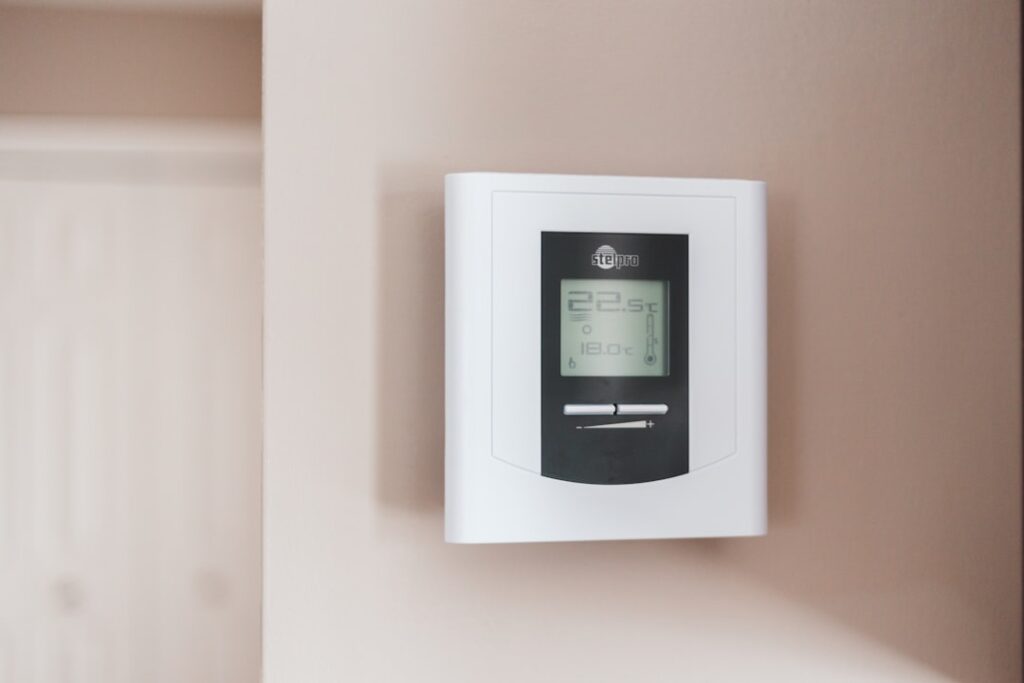
The idea of a mold detector for the home is appealing: plug in a device, watch for an alert, and know whether mold is lurking. The honest picture is that no single household gadget detects mold on its own, but a handful of affordable tools can help catch the conditions and hidden moisture that lead to growth. This guide summarizes EPA and CDC guidance current as of 2026 and offers general information, not medical advice; people with respiratory conditions should consult a physician about exposure concerns.
Part of our Home Inspection Tools guide — start there for the full picture →
Is this mold, asbestos, or water damage? Get a free instant screen
Upload a clear photo of the suspect area. You'll get an instant AI screening opinion and what to do next. This is screening guidance, not a professional determination.
Screening guidance only. AI can be wrong. Confirm asbestos, mold type, or lead with lab testing or a licensed professional before acting.
What a Mold Detector for Home Use Really Is
There is no consumer device that continuously monitors a home and signals when mold appears, the way a smoke or carbon monoxide detector works. Mold confirmation requires visual inspection or laboratory analysis of a sample. What gets marketed as a “mold detector for home” is generally one of several indirect tools: a humidity monitor, a moisture meter, an air-quality monitor, or a sampling test kit. Each measures something related to mold risk rather than mold itself.
The EPA frames the issue helpfully: if you can see or smell mold, you already have your answer and should address the moisture, no testing required. So the realistic goal for a homeowner is not detecting a species but spotting the dampness and humidity that mold needs. Our broader mold inspection and testing hub explains when testing genuinely matters and when it does not.
The Main Types of Home Mold Tools
Understanding what each tool actually measures keeps expectations realistic.
Humidity Monitors (Hygrometers)
The most useful everyday device for most homes. A hygrometer reads indoor relative humidity, and since the EPA recommends keeping it between 30 and 50 percent, a monitor that reads consistently above 60 percent warns you that conditions favor mold before any growth appears. They cost very little and provide ongoing, actionable information.
Moisture Meters
Because mold needs moisture in materials, a moisture meter that reads the moisture content of drywall, wood, and flooring is the closest thing to a hidden-mold finder. It reveals wet spots behind dry-looking surfaces, which is exactly where mold hides. Inspectors depend on these heavily, and a basic model is within reach for homeowners. Our companion overview of the black mold detector question goes further into how these readings are interpreted.
Air-Quality Monitors
Some monitors track airborne particles and report a general air-quality index. They can hint at elevated particulates but cannot confirm mold species or locate a source. Treat their output as a rough background signal, not a diagnosis.
Mold Test Kits
Surface-swab or air-settle test kits send a sample to a lab or culture it at home. They can confirm mold is present, but because spores exist in nearly all indoor air, results are easy to misread, and the EPA notes there are no federal standards for acceptable levels to compare against.
The settle-plate style kits are especially easy to misinterpret. Open a culture dish in almost any room and something grows, because normal indoor air carries spores everywhere. Without an outdoor comparison sample and someone qualified to interpret the relationship, a positive result tells you little. Surface swabs are more focused but generally confirm what you can already see. And no kit locates a hidden source or measures the moisture feeding growth, which is the information that actually leads to a fix. For most homeowners the money is better spent on a moisture meter and a hygrometer than on repeated test kits.
What These Tools Cannot Do
Setting expectations prevents wasted money. No home tool will tell you definitively that you have toxic black mold versus a harmless surface mold without lab analysis, and even lab results rarely change the recommended action. No monitor continuously guards against mold the way a smoke detector guards against fire. And no device fixes the underlying problem — moisture. A tool can point you toward a damp wall, but you still have to find the leak or condensation source and correct it. The EPA’s consistent message is that controlling moisture, not detecting spores, is what prevents and resolves mold.
How to Find Hidden Mold at Home
A methodical approach beats relying on any single device. Use your senses first: a musty, earthy odor is a strong indicator of growth even when nothing is visible, and our guide on whether black mold has a smell describes what to listen for with your nose. Then work through the home systematically:
- Check moisture-prone areas — under sinks, behind toilets, around windows, in basements and crawl spaces, and near HVAC equipment.
- Use a hygrometer to find rooms running above 60 percent humidity.
- Scan suspect surfaces with a moisture meter to reveal hidden dampness.
- Review the home’s moisture history: past leaks, flooding, or chronic condensation.
- Look behind and under furniture on cool exterior walls, where condensation forms.
If a smell or a damp reading points to a closed wall cavity, a borescope can let you inspect inside with a small hole rather than full demolition.
Smart Monitors and Connected Devices
A growing category of connected home devices tracks temperature, humidity, and sometimes air-quality metrics, sending readings to a phone app and alerting you when humidity climbs. For mold prevention this is genuinely useful, not because the device detects mold but because it flags the high humidity that precedes it. A monitor that warns you when a basement crosses 60 percent relative humidity gives you time to run a dehumidifier before growth starts. Some models claim to estimate mold spore or VOC levels; treat those numbers as rough indicators rather than diagnoses, since they cannot identify species or pinpoint a source.
The practical value of these devices is continuous awareness. A one-time hygrometer reading shows a moment; a connected monitor shows trends — the nightly humidity spike in a bathroom, the seasonal creep in a crawl space, the jump after a storm. That trend data helps you target ventilation and dehumidification where they are actually needed. Just keep expectations grounded: the device watches conditions, and you still have to act on what it shows by controlling moisture and investigating any musty smell it cannot explain.
When to Call a Professional Instead
Home tools are great for everyday awareness and early warning, but some situations warrant a professional. Call an inspector when there is a persistent musty smell with no visible source, when growth appears widespread, when a health-sensitive household member is affected, or when you need verification that a cleanup actually worked. A professional brings calibrated equipment, infrared imaging, trained interpretation, and proper sampling protocols when testing is genuinely warranted — capabilities no consumer device matches.
What to Actually Buy
For most households, two inexpensive tools cover the practical bases: a hygrometer to keep humidity in the 30-to-50-percent range the EPA recommends, and a basic moisture meter to investigate damp spots. That combination catches the conditions that precede mold and helps you locate hidden moisture, which is far more valuable than a pricey device promising to detect mold itself.
Save sampling test kits for the narrow cases where confirming a type or verifying a cleanup matters, and recognize their limits. Above all, remember that the most effective mold prevention is not a detector at all — it is controlling humidity, running exhaust fans, and fixing leaks within 24 to 48 hours. Tools help you watch; moisture control is what keeps mold away.
Your Nose as a Detector
The most sensitive mold detector in most homes is the one you were born with. The musty, earthy odor mold produces is detectable at low levels and often shows up before any visible growth, because it comes from compounds released as mold grows on damp material. A persistent musty smell with no obvious source is a strong sign of hidden growth — inside a wall, under flooring, behind a cabinet, or in an HVAC duct. Rather than masking that smell with air fresheners, treat it as a clue and trace where it is strongest.
Combine the smell test with your other tools. If an odor intensifies near a particular wall or worsens when the HVAC runs, scan that area with a moisture meter and check the nearest plumbing or condensation source. Used together, an alert nose, a hygrometer, and a moisture meter form a practical home detection system that beats any single device, because they point you toward the moisture that actually drives growth.
Building Monitoring Into a Routine
Detection works best as an ongoing habit rather than a one-time scare response. Place a hygrometer in the rooms most prone to dampness — the basement, a ground-floor bathroom, a laundry area — and glance at it the way you would a thermostat, acting whenever humidity creeps above 60 percent. After any plumbing incident, roof leak, or appliance overflow, scan the affected materials with a moisture meter and dry them within the first day or two, since most molds colonize wet materials within 24 to 48 hours.
Seasonally, walk the moisture-prone areas: under sinks, behind the washing machine, around the water heater, along cool exterior walls, and through any basement or crawl space. This routine catches problems while they are small and cheap to fix, and it costs almost nothing. The payoff is that you rarely face a large, hidden mold problem, which is worth far more than any device promising to detect mold after it has already taken hold.
What Each Tool Costs and Delivers
Matching spending to value keeps a home detection setup practical. A hygrometer costs roughly $10 to $30 and provides ongoing humidity readings you can act on — excellent value. A basic moisture meter runs about $20 to $50 and finds dampness behind dry-looking surfaces after a leak — also strong value. A connected smart monitor costs more but adds trend data and phone alerts, useful for chronically damp spaces like basements. A DIY test kit costs $10 to $40 plus possible lab fees and delivers results that are hard to interpret, so its value is limited to specific cases like verifying a cleanup.
For most households, the hygrometer-plus-moisture-meter combination covers the practical bases for well under $80 and lasts for years. That modest investment in monitoring the conditions mold needs outperforms a pricier device marketed as a mold detector, because it gives you the information that actually leads to prevention and early intervention rather than a vague after-the-fact reading.
From Detection to Action
A tool is only useful if you act on what it shows, so pair monitoring with a simple decision plan. When a hygrometer reads above 60 percent humidity, run a dehumidifier or improve ventilation until it drops into the EPA-recommended 30-to-50-percent range. When a moisture meter flags a damp wall after a leak, dry it within the first day or two and find the source. When you notice a musty smell, investigate the nearest moisture-prone areas rather than masking it. When you see visible growth on a hard surface under about 10 square feet, clean it with detergent, water, and PPE.
And when the situation exceeds those limits — a hidden source you cannot trace, widespread growth, a health-sensitive household member, or the need to verify a cleanup — escalate to a professional. This action plan turns inexpensive monitoring tools into genuine protection, because the value was never in the detection itself but in the prompt response it enables.
References
- Should You Test or Sample for Mold? — U.S. Environmental Protection Agency
- About Mold and Your Health — Centers for Disease Control and Prevention
- A Brief Guide to Mold, Moisture and Your Home — U.S. Environmental Protection Agency
Frequently asked questions
Does a mold detector for home use actually work?
No single home device detects mold on its own. Mold confirmation needs visual inspection or lab analysis. Tools like hygrometers and moisture meters detect the humidity and dampness mold requires, which is the practical way to catch a problem early.
What is the best home tool to catch mold early?
A hygrometer plus a basic moisture meter. The hygrometer flags humidity above the EPA-recommended 30-to-50-percent range, and the moisture meter reveals damp materials behind dry-looking surfaces, which is where hidden mold grows.
Are home mold test kits reliable?
They can confirm mold is present but are easy to misread, since spores exist in nearly all indoor air and there are no federal standards for acceptable levels. They are most useful for confirming a type or verifying a cleanup, not for routine screening.
When should I call a professional instead of using a detector?
Call a professional for a persistent musty smell with no visible source, widespread growth, a health-sensitive household member, or to verify a cleanup. Inspectors bring calibrated tools and proper sampling that consumer devices cannot match.
If your tools point to hidden moisture you cannot trace, Front Range homeowners can reach a vetted inspector through our contact page for a thorough assessment.