Get Rid of Mold in House: What Homeowners Need to Know
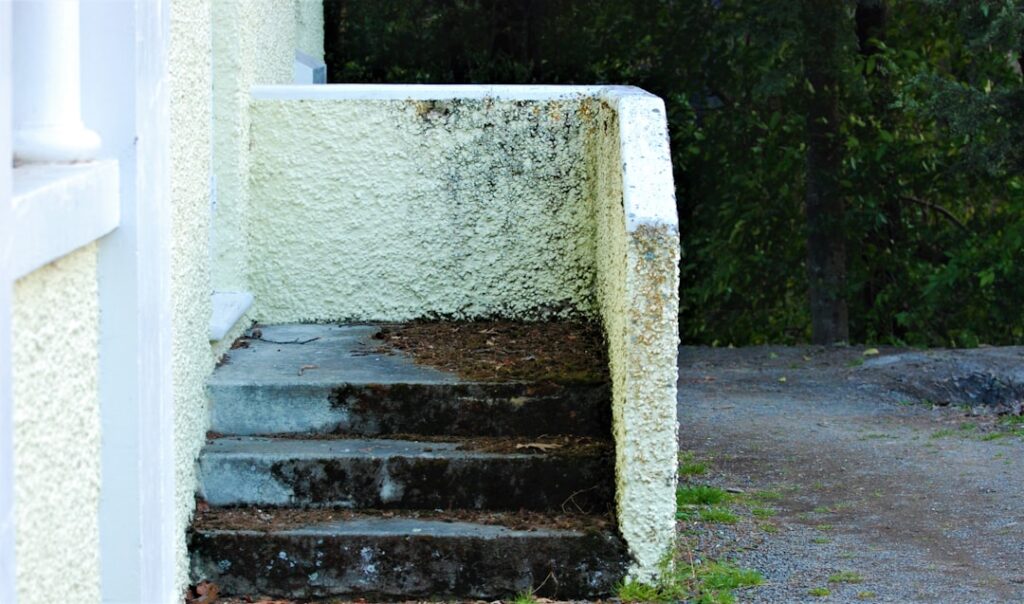
Get rid of mold in house starts with one piece of advice most homeowners get wrong: find the moisture source first, fix it, then remove the mold. Reverse the order and the colony grows back. This guide opens with a TL;DR quick-reference summary for homeowners who just need the sequence, then expands into the full Environmental Protection Agency (EPA) and Institute of Inspection, Cleaning and Restoration Certification (IICRC) protocol for those working through a real job. This article summarizes EPA, CDC, and IICRC guidance current as of 2026 — consult a certified mold professional for patches over ten square feet or any sewage involvement.
Is this mold, asbestos, or water damage? Get a free instant screen
Upload a clear photo of the suspect area. You'll get an instant AI screening opinion and what to do next. This is screening guidance, not a professional determination.
Screening guidance only. AI can be wrong. Confirm asbestos, mold type, or lead with lab testing or a licensed professional before acting.
TL;DR: get rid of mold in house in the right order
Find the moisture source. Fix it. Then remove the mold. Do not reverse the order.
The full sequence in eight bullets:
- Find every active or recent water source feeding the mold.
- Fix each one — plumbing leak, roof flashing, foundation crack, humidity problem.
- Confirm the area can dry out — moisture meter readings drop over 24-48 hours.
- Contain the work area with plastic sheeting; HVAC off.
- PPE on — N95 respirator, nitrile gloves, eye protection.
- Clean nonporous surfaces with detergent and water; cut out porous materials with 18-inch margins.
- Verify visually, by odor, and by moisture meter against an unaffected control area.
- Re-check at one week, two weeks, and one month.
That is the entire framework. Everything below is detail layered on top.
Why source-moisture diagnosis comes first
Mold needs three things to grow indoors: a food source, comfortable temperature, and moisture. Food (drywall paper, wood, cotton dust) is everywhere in a home and cannot reasonably be eliminated. Temperature in the human comfort range is non-negotiable. Moisture is the only variable a homeowner controls. Remove the moisture, and the mold dies whether or not anyone scrubs it.
The EPA’s Brief Guide to Mold, Moisture, and Your Home emphasizes this point as the central act of cleanup. Homeowners who clean mold without addressing moisture see recurrence within months. Homeowners who fix moisture without aggressive cleaning sometimes see colonies die back on their own. Moisture is the lever; everything else is incidental.
Common Front Range moisture sources include slow plumbing leaks behind drywall, roof flashing failures around skylights and chimneys, ice-dam infiltration in attic-adjacent rooms during winter freeze-thaw cycles, foundation cracks in finished basement spaces, and chronic high indoor humidity during winter when sealed homes retain moisture from cooking, showering, and respiration. The CDC recommends keeping relative humidity below 50% as the most reliable prevention.
Diagnostic tools that pay for themselves
Three inexpensive tools cover most homeowner mold diagnosis. A pinless moisture meter ($40-$80 at hardware stores) reads through paint without leaving holes. A digital hygrometer ($15) measures relative humidity in any room. A bright LED flashlight does oblique-angle inspection of cleaned surfaces. Together these cost under $150 and replicate most of what a professional inspector would do on a first visit.
The moisture meter walked across a wall identifies wet zones. Readings drop to single digits in dry areas; elevated readings extending beyond the visible mold mark the true extent of moisture. The hygrometer left in a room with a history of mold catches humidity spikes that drive condensation. The flashlight at oblique angle catches residual sheen after cleaning that direct light misses.
For hidden moisture that surface tools cannot find, a Council-certified Mold Inspector with thermal imaging capability is worth the $300-$500 fee. Thermal imaging shows temperature differentials behind finishes that indicate hidden moisture. The mold inspection hub covers what to ask before hiring an inspector.
Containment and PPE for the actual cleanup
Containment isolates the work area so disturbed spores stay confined. For patches under ten square feet, plastic sheeting (6-mil polyethylene) taped over doorways with an exhaust path (open window or HEPA scrubber) is sufficient. Larger patches require sealed containment chambers with negative-pressure HEPA scrubbing per IICRC S520. HVAC stays off during all work.
PPE baseline: N95 respirator, nitrile gloves, sealed eye protection, clothing that covers arms and legs. Larger jobs use P100 respirators and disposable Tyvek coveralls. Children, pregnant residents, and household members with respiratory sensitivity should be elsewhere during work. PPE comes off inside containment at the end of work, into a sealed disposal bag. Wash exposed skin with soap and water before leaving the work area.
Cleaning versus removal — the material question
Hard, nonporous surfaces — tile, fiberglass, sealed concrete, glass, finished hardwood with intact polyurethane — can be cleaned in place. The EPA recommends detergent and water with mechanical scrubbing. Bleach is acceptable but adds little removal benefit; the scrubbing action is what removes the colony. Never mix bleach with ammonia-based cleaners — the resulting chloramine gas is toxic.
Porous materials — drywall paper, ceiling tile, carpet padding, insulation, unfinished wood that supported active growth — get cut out and bagged. For drywall, cut at least 18 inches past visible damage in every direction. Use an oscillating multi-tool rather than a reciprocating saw to limit dust dispersion. Bag the removed material immediately. The wall-cavity removal walkthrough covers the cut sequence in detail.
The cleaning-versus-removal call is the most consequential decision in the cleanup. Cleaning a porous material that should have been removed leaves the colony in place. Removing a hard nonporous surface that could have been cleaned wastes material and money. Read the substrate before deciding the approach.
Verification — the part homeowners skip most
Verification is what separates jobs that hold from jobs that look done but recur. The IICRC S520 specifies three criteria. Visually clean — no remaining staining or biomass under oblique flashlight inspection. Free of musty odor — closed-room first-breath test after two hours. Dry to instrument reading — moisture meter readings match an unaffected control area of the same construction.
All three must pass to declare the job complete. Pass two and fail one, and the work continues. Many DIY homeowners pass the visual check confidently, the odor check less confidently, and skip the instrument check entirely. The instrument check is the most rigorous of the three because it catches hidden moisture the eye and nose miss.
Follow-up verification at one week, two weeks, and one month catches regressions. Front Range jobs done in warm weather should get a winter follow-up to catch heating-season condensation patterns the original work might have missed. Any regression means more work is needed.
Common Front Range moisture patterns the protocol should catch
Colorado homes have moisture patterns that surprise people from other climates. Winter condensation behind drywall on cold north-facing walls is the most common hidden mold source. Crawl space vapor barriers torn during HVAC work let ground moisture into floor systems all summer. Swamp coolers (still common in older Denver and Boulder homes) raise indoor humidity 20-30 percentage points during operation and drive mold growth on cool surfaces.
Attics deserve their own check. Bath fans vented into the attic rather than to the exterior dump warm humid air against cold roof sheathing every shower. Winter frost on the underside of the roof deck becomes spring drips of liquid water on insulation. By the time ceiling spots appear in upstairs rooms, the attic colony has been growing for two seasons.
When the protocol says stop and call a professional
The EPA’s working threshold is ten square feet of affected area. Above that, the agency recommends professional remediation regardless of homeowner confidence. Other stop-and-call conditions include visible mold inside HVAC ductwork, sewage backup contamination, structural wood with active decay, mold on furniture containing closed-cell insulation foam, and any household member developing new respiratory symptoms during the work.
Professional cost ranges on the Front Range: small contained jobs $500-$1,500, full-room jobs $3,000-$6,000, whole-house remediation after flood or roof failure $15,000+. Get two or three written estimates with itemized line items for each phase. Skip bidders who lump everything into a single dollar figure or who treat verification as optional.
Documentation for insurance and resale
Documentation is the most useful homeowner habit during and after cleanup. The file should include photographs of the affected area before, during, and after work with timestamps. Moisture meter readings logged throughout the process. Contractor invoices if professional work was hired. Receipts for DIY supplies. Any third-party verification testing results.
For insurance claims, the documentation establishes when the moisture event occurred and supports the distinction between sudden-onset water damage (typically covered) and long-term seepage (typically excluded). For resale disclosure, the documentation shows the seller acted responsibly when mold was discovered and the work was completed to standard. Several states require disclosure of known mold history; Colorado uses a general property disclosure form that asks about water damage and other known defects.
Special cases: pets, plants, and HVAC humidifiers
A few household sources of indoor moisture often get overlooked. Pet water bowls placed against drywall walls slowly wet the wall over months. Indoor plants overwatered with poor drainage drip onto wood floors. Whole-house humidifiers connected to HVAC systems run during winter to raise indoor humidity, and incorrect humidistat settings can drive moisture far above the 50% relative humidity target the CDC recommends.
Aquariums and fish tanks contribute meaningful evaporation in small rooms — a 55-gallon tank can evaporate 5-10 gallons of water per month, raising humidity in the room significantly. Cooking without exhaust fan use, gas appliances without proper venting, and unvented gas dryers all add moisture to interior air. Any of these can drive recurrent mold problems on cool exterior surfaces, and addressing them is part of the moisture-source diagnosis.
Preventing recurrence after cleanup ends
Keep indoor relative humidity below 50% year-round. Fix plumbing drips within 48 hours of discovery. Vent bathrooms, kitchens, and laundry to the exterior of the house, never into attics or wall cavities. Maintain gutters and downspouts so roof water drains at least six feet from the foundation. Run a hygrometer in any room with a history of mold and treat readings above 55% as a trigger to investigate.
For Front Range homes, summer dehumidification in basements and winter ventilation in upper floors form the seasonal core of prevention. A $200 basement dehumidifier and a humidity-sensing bath fan switch ($30) together prevent more recurrence than any cleaning chemical on the market.
The maintenance habits that actually work are small, consistent, and cheap. Wipe down bathroom tile after each shower during humid weather. Inspect silicone caulk lines quarterly for darkening or separation. Check the bath fan exhaust at the roof or eave once a year to confirm it still vents to the exterior. Replace HVAC filters on schedule. Annual visual inspection of attic and crawlspace areas catches developing problems before they produce visible mold inside living spaces.
References
- EPA Brief Guide to Mold, Moisture, and Your Home — U.S. Environmental Protection Agency
- CDC Mold Cleanup Guide — Centers for Disease Control and Prevention
- InterNACHI Mold and Indoor Air Quality — International Association of Certified Home Inspectors
- OSHA Mold Hazard Recognition — Occupational Safety and Health Administration
Front Range homeowners working through a mold cleanup can connect with a vetted certified mold inspector through our contact page for a scope assessment before committing to DIY or contractor work.
Mold removal & cleanup picks
For a small, contained patch (under ~10 sq ft) these EPA-friendly removers handle surface mold. Larger or recurring growth warrants a professional assessment first.
| Product | Why | Buy |
|---|---|---|
 RMR-86 Instant Mold Stain Remover RMR-86 Instant Mold Stain Remover | Fast-acting on stains; ventilate and wear PPE. | Amazon — $18.38 |
 Concrobium Mold Control Concrobium Mold Control | No-bleach formula that also helps prevent regrowth. | Amazon — $13.48 |
 Mold Armor Mold & Mildew Remover Mold Armor Mold & Mildew Remover | Widely stocked bathroom/surface remover. | Amazon — $22.98 |