Mold Odor Removal: What Homeowners Should Know
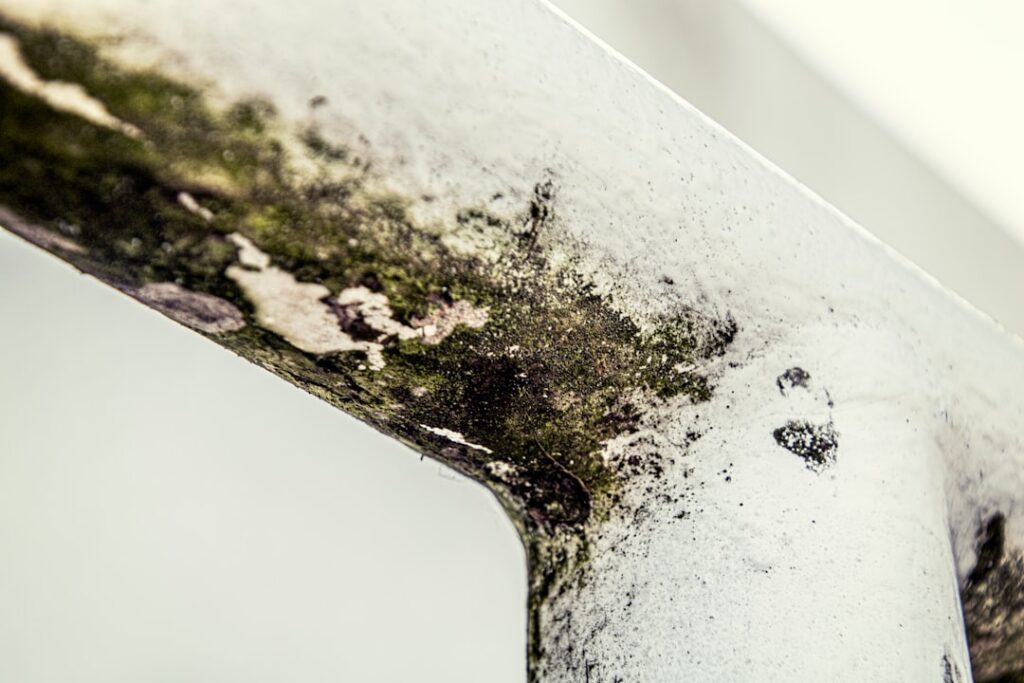
That persistent musty, earthy smell that greets you in the basement or lingers in a closet is one of the most reliable warning signs of a mold problem, even when nothing is visible. Effective mold odor removal is not about spraying a fragrance over the smell; it is about finding and removing the active growth and the moisture feeding it. Mask the odor and it returns; remove the cause and it goes for good. This guide summarizes EPA and CDC guidance current as of 2026 and is educational only; consult a physician for symptoms and a certified professional for testing decisions.
Part of our Mold Removal & Remediation guide — start there for the full picture →
Is this mold, asbestos, or water damage? Get a free instant screen
Upload a clear photo of the suspect area. You'll get an instant AI screening opinion and what to do next. This is screening guidance, not a professional determination.
Screening guidance only. AI can be wrong. Confirm asbestos, mold type, or lead with lab testing or a licensed professional before acting.
What causes a musty mold smell?
The musty odor comes from microbial volatile organic compounds, or MVOCs, gases that mold releases as it grows and metabolizes. Because these gases are produced by active growth, a strong musty smell usually means living mold is present somewhere nearby, even if it is hidden behind drywall, under flooring, or inside ductwork. The smell is essentially the mold announcing itself before you can see it.
This is why odor is such a useful diagnostic clue. The EPA notes that a musty smell can indicate mold even where none is visible, and that the response should be to investigate and address the source. Air fresheners, candles, and “odor eliminator” sprays do nothing about the MVOCs at their source; they only add a competing scent. As soon as the masking product fades, the musty smell returns because the mold is still growing.
Why masking the smell never works
Plenty of products promise to neutralize mold odor, deodorizing sprays, plug-ins, ozone generators, and fogging treatments. The problem is that none of them removes the growth producing the MVOCs. A fragrance simply overlays the musty smell temporarily. Ozone generators are sometimes marketed for odor, but the EPA warns that ozone at concentrations high enough to affect odors can be harmful to breathe and is not an appropriate way to clean indoor air, and it does not fix the underlying mold or moisture.
Fogging and antimicrobial treatments may knock back surface organisms briefly, but without physical removal and moisture correction, growth resumes and the odor along with it. The EPA’s remediation guidance centers on removing mold and controlling moisture, not on chemical deodorizing. Treating the smell as the problem, rather than as a symptom, leads to an endless cycle of masking and recurrence.
Finding the hidden source of the odor
Because a musty smell means active growth, the productive step is locating it. Start where moisture collects: basements, crawl spaces, under sinks, around windows, behind appliances, and near any past leak. Trust the nose, the smell is usually strongest near the source. Check for visible growth, water stains, peeling paint, and dampness, and feel for soft or warped materials.
Hidden sources are common: mold behind drywall after a slow leak, under flooring over a damp slab, inside wall cavities, or within HVAC ducts that distribute the smell room to room. A moisture meter helps find wet materials behind surfaces, and a borescope can inspect inside walls or ducts. If the smell follows the HVAC system when it runs, the duct interior or air handler is a likely source, as the guide on black mold in air ducts explains.
Removing the mold that causes the odor
Once you locate the growth, removal follows standard mold-cleanup principles. The EPA allows homeowners to handle visible mold under about ten square feet on hard surfaces. Ventilate, wear an N95, gloves, and eye protection, and stop the moisture source first. Scrub non-porous surfaces with detergent and water and dry thoroughly. Porous materials that are contaminated, drywall, carpet, insulation, often must be removed rather than cleaned, since the odor-producing growth roots into them.
Removing the contaminated material is frequently what finally clears the smell, because surface cleaning leaves rooted growth behind. After removal, drying the area to normal moisture levels stops new growth. The guidance in how to clean mold walks through the methods for different materials, all of which apply when the goal is eliminating odor at its source.
Clearing residual odor after the mold is gone
Once active growth and contaminated materials are removed and the area is dry, some lingering smell can remain in residual dust and porous surfaces. At this stage, gentle measures help: thorough cleaning of hard surfaces, HEPA vacuuming to remove settled spores and dust, increased ventilation, and time. Activated-charcoal or baking-soda absorbers can take up residual odors passively without adding fragrance.
The key sequence is order of operations: remove the growth and fix moisture first, then address residual odor. Reaching for deodorizers before removal just masks an ongoing problem. If a musty smell persists after thorough removal and drying, that usually signals a second source you have not yet found, not a failure of the deodorizing step.
Preventing musty odors from returning
Odor prevention is mold prevention, which is moisture control. Keep indoor humidity in the EPA’s 30 to 50 percent range, run a dehumidifier in damp basements and crawl spaces, ventilate bathrooms and kitchens, and fix leaks promptly. Improve airflow in enclosed spaces, and avoid storing damp items or cardboard against walls. Maintain HVAC filters and the condensate drain so the system does not harbor or distribute growth.
A home that stays dry and well-ventilated rarely develops a musty smell, because there is no sustained moisture for mold to produce MVOCs. The smell, when it does appear, is best treated as a free early-warning system pointing you toward a moisture problem before it becomes a large one.
When to call a professional
Call a professional when a musty smell persists despite cleaning, when you cannot find the source, when the odor follows the HVAC system, or when it appears alongside large or recurring growth or health symptoms. A hidden source behind walls, under floors, or inside ductwork often needs the moisture mapping, borescope inspection, and accredited-lab sampling a certified inspector provides.
An inspector can trace an odor to its source and confirm whether mold is active, which prevents the expensive trial-and-error of tearing into walls at random. For how assessment and remediation connect, see the mold inspection and testing hub.
What MVOCs are and why they signal active growth
The musty smell is not the mold itself but a byproduct of its metabolism, and that distinction explains a great deal about removal. As mold digests the material it grows on, it releases microbial volatile organic compounds, MVOCs, a mix of alcohols, ketones, and other gases that the nose registers as earthy, musty, or like wet cardboard. Because these gases are produced during active growth, a strong, persistent musty smell is good evidence that living mold is present and metabolizing somewhere nearby.
This is why odor is such a valuable early-warning signal. The gases diffuse readily through walls and floors, so a smell can reach a room long before any growth becomes visible there, pointing toward a hidden source behind drywall, under flooring, or inside ductwork. It also explains why deodorizing fails: a fragrance does nothing to the organism producing the MVOCs, so as long as the mold lives and metabolizes, the gases, and the smell, keep coming. The EPA notes that a musty odor can indicate mold even where none is visible, which makes the nose a free diagnostic tool worth trusting.
Why ozone and fogging are the wrong tools
Several aggressive products are marketed specifically for mold odor, and it is worth understanding why mainstream guidance steers away from them. Ozone generators are sold as odor eliminators, but the EPA warns that ozone at concentrations high enough to affect odors can be harmful to breathe, and that ozone does not effectively clean indoor air or remove the source of a smell. Running an ozone generator might mask an odor briefly while creating a respiratory hazard, and it leaves the mold and its moisture untouched, so the smell returns once the gas dissipates.
Fogging and antimicrobial sprays share the same flaw at the root. They may knock back surface organisms for a short time, but they do not physically remove the rooted growth in porous materials that produces most of the odor, and they do nothing about the moisture feeding it. The EPA’s remediation guidance centers on removing mold and controlling moisture, not on chemical treatments applied over a still-active problem. A treatment that promises to eliminate odor without removing material or addressing water is, almost by definition, treating the symptom and leaving the cause.
The correct order of operations for clearing odor
Eliminating a musty smell durably comes down to sequence, and getting the order wrong is why so many attempts fail. The first step is always finding and stopping the moisture source, because growth resumes the moment it has water again. Second comes locating and physically removing the active growth, scrubbing non-porous surfaces and cutting out contaminated porous materials like drywall, carpet, and insulation that hold the odor-producing growth in their fibers. Third, the area is dried to a normal moisture content so new growth cannot start.
Only after those steps should residual odor be addressed, and at that point gentle measures suffice: thorough cleaning of hard surfaces, HEPA vacuuming to capture settled spores and dust, increased ventilation, and passive absorbers such as activated charcoal or baking soda that take up lingering smells without adding fragrance. Reaching for deodorizers before removal inverts the sequence and masks an ongoing problem. If a musty smell persists after thorough removal and drying, the most likely explanation is a second source that has not been found, not a shortfall in the deodorizing, which is why a lingering odor is a prompt to keep investigating rather than to spray more.
Tracing an odor that follows the HVAC system
One pattern deserves special attention because it points to a source many homeowners overlook: a musty smell that appears or intensifies the moment the heating and cooling system turns on. Because the air handler draws air across a coil and pushes it through ducts to every room, mold growing on the wet coil, in the drain pan, or inside the duct interior gets its MVOCs distributed throughout the house whenever the blower runs. The smell then seems to come from everywhere at once and tracks with system operation rather than with any single room.
Locating it means looking at the system rather than the walls. The cooling coil and condensate pan stay wet through the cooling season and collect dust, making them a common origin, and duct runs through hot attics can grow mold where condensation forms inside them. A flashlight or borescope at the registers and just inside the duct openings can reveal staining, while a check of the drain pan and line shows whether overflow is feeding the problem. If the odor clearly follows the HVAC, the system, not the room, is the place to investigate, a pattern the companion guide on black mold in air ducts examines in more depth. Confirming and clearing a system-borne source usually requires a professional, since the coil interior and duct runs are beyond safe DIY reach.
Reading odor as a map of moisture problems
Because the musty smell travels from active growth, its strength and location form a rough map that guides the search for the source. Walking the home and noting where the odor intensifies, low in a basement, in a particular closet, near a window, under a sink, points toward the dampest zones, since the smell is usually strongest closest to the growth producing it. An odor that is general and tied to the HVAC suggests a system source, while one localized to a single room narrows the hunt to that space.
Timing adds another layer to the map. A smell that worsens after rain or snowmelt suggests water intrusion from outside, while one that tracks with humid weather or runs year-round points to chronic condensation or a steady leak. A musty odor that appears only when a closed space is opened indicates trapped, stagnant moisture in that pocket. Used this way, the nose becomes a free diagnostic instrument, narrowing where to deploy a moisture meter or borescope before opening any wall. The EPA’s recognition that a musty smell can indicate mold even where none is visible is exactly why treating the odor as information, rather than as something to cover up, is the productive response.
References
- A Brief Guide to Mold, Moisture and Your Home — U.S. Environmental Protection Agency
- Mold Cleanup in Your Home — U.S. Environmental Protection Agency
- Ozone Generators That Are Sold as Air Cleaners — U.S. Environmental Protection Agency
- About Mold and Your Health — Centers for Disease Control and Prevention
Frequently asked questions
What causes the musty mold smell?
The odor comes from microbial volatile organic compounds, or MVOCs, that mold releases as it grows. Because these gases come from active growth, a strong musty smell usually means living mold is present nearby, even if it is hidden behind walls, under floors, or in ductwork.
Do air fresheners or sprays remove mold odor?
No. They only overlay a competing scent and do nothing about the growth producing the smell, so the odor returns once they fade. Ozone generators are also inappropriate, since the EPA warns ozone at odor-affecting levels can be harmful to breathe and does not fix the mold.
How do I actually get rid of mold odor?
Find and remove the active growth and contaminated porous materials, fix the moisture source, and dry the area. Only after removal should you address any residual smell with cleaning, HEPA vacuuming, ventilation, and passive absorbers like activated charcoal.
Why does the musty smell come back after cleaning?
Because surface cleaning leaves rooted growth in porous materials, or because there is a second hidden source you have not found. A persistent odor after thorough removal usually points to another moisture problem worth investigating, often with a professional.
If a musty smell lingers and you cannot find the source, Front Range homeowners can get in touch through our contact page to connect with a vetted local inspector who can trace the odor to its source.