Mold in Basement Removal: What Homeowners Need to Know
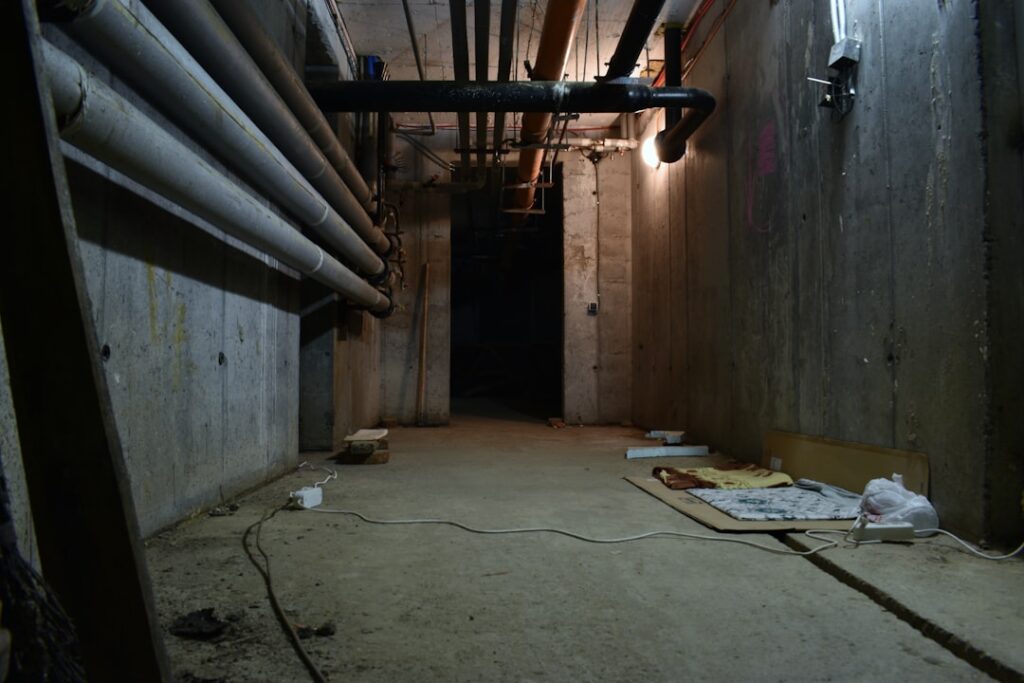
Basements collect the conditions mold loves: cool surfaces, below-grade dampness, poor airflow, and stored cardboard and fabric that hold moisture. Finding fuzzy growth on a foundation wall or a musty smell at the bottom of the stairs is common, especially along the Front Range where snowmelt and spring runoff push water toward foundations. This guide explains how mold in basement removal actually works, what you can handle and what you cannot, and how to keep it from returning. It summarizes EPA and CDC guidance current as of 2026; consult your physician for symptoms and a certified professional for testing or large-scale removal decisions.
Part of our Mold Removal & Remediation guide — start there for the full picture →
Is this mold, asbestos, or water damage? Get a free instant screen
Upload a clear photo of the suspect area. You'll get an instant AI screening opinion and what to do next. This is screening guidance, not a professional determination.
Screening guidance only. AI can be wrong. Confirm asbestos, mold type, or lead with lab testing or a licensed professional before acting.
How Does Mold in Basement Removal Work?
The process has two halves that matter equally: removing the mold and removing the moisture that caused it. The EPA is clear that cleanup without moisture control fails, because mold regrows on any surface that stays damp. Effective basement removal therefore starts with finding the water source before any scrubbing begins.
For the removal itself, hard surfaces like concrete walls, floors, and framing lumber can usually be scrubbed with detergent and water, then dried. Small areas under about 10 square feet are within a homeowner’s reach with proper protection. Porous materials are different: the EPA recommends discarding heavily contaminated porous items such as carpet, drywall, ceiling tiles, and cardboard rather than trying to clean them, because mold roots deep inside and survives surface treatment.
The sequence is locate the moisture, protect yourself, remove or clean affected materials, dry the space thoroughly, and then keep humidity controlled. Skipping the moisture step turns removal into a recurring chore. The mold inspection and testing hub describes how professionals trace basement moisture when the source is not obvious.
What Causes Basement Mold?
Basements stay cool because they sit below grade, surrounded by earth. Warm interior air meeting cool foundation walls condenses, and that condensation feeds mold. Add common water intrusions, foundation cracks, poor exterior grading, downspouts that dump near the wall, plumbing leaks, and humidity from a clothes dryer, and the basement becomes the dampest part of many homes.
Identifying the dominant cause shapes the fix. Condensation calls for dehumidification and insulation; bulk water intrusion calls for grading, drainage, or waterproofing. The guide on black mold in the basement details the moisture patterns that drive growth in below-grade spaces.
What You Can Remove Yourself
A homeowner can typically handle small, surface-level mold on hard materials. Concrete foundation walls and floors, painted block, and bare framing lumber can be scrubbed with detergent and water. Stored items with hard surfaces, plastic bins, metal shelving, glass, can be wiped clean. Wear an N-95 respirator, gloves, and goggles, ventilate the space, and dry everything when finished.
What you should plan to discard includes water-damaged cardboard, soaked carpet and padding, moldy ceiling tiles, contaminated drywall, and upholstered furniture that absorbed moisture. The EPA recommends bagging and removing these rather than cleaning them. Working in small sections limits spore spread. The guide on removing mold from basement walls covers the wall-specific method in detail.
When the Job Is Too Big for DIY
Several conditions push basement mold beyond a homeowner job. Growth covering more than about 10 square feet, mold inside finished walls or under flooring, contamination following a flood or sewage backup, and a musty smell throughout the basement all signal a professional scope. In these cases the EPA recommends professional remediation with containment to prevent spreading spores to the rest of the home.
Finished basements complicate matters because mold often hides behind drywall and insulation against the foundation. By the time it is visible, the cavity may be widely colonized. Anyone with asthma, allergies, or a weakened immune system should not attempt basement cleanup, given the confined, spore-heavy environment. The guide on treating mold in the basement outlines where the DIY line sits.
What Professional Basement Remediation Includes
Professional remediation follows a structured process. The crew assesses the extent of growth and the moisture source, then sets up containment, often plastic sheeting with negative air pressure and HEPA-filtered air scrubbers, to keep spores from migrating upstairs. Workers wear protective equipment scaled to the job size.
Contaminated porous materials are removed and discarded, salvageable hard surfaces are cleaned and HEPA-vacuumed, and the area is dried completely. The moisture source is corrected or referred to the appropriate trade, whether that means sealing a foundation crack, correcting drainage, or fixing a leak. Reputable firms recommend verifying the result afterward. A company that skips containment or ignores the moisture source is not following accepted practice.
What Basement Mold Removal Costs
Costs vary by the size of the area, the materials involved, accessibility, and your region. Small DIY jobs cost little more than cleaning supplies and protective gear. Professional remediation ranges widely, with contained surface jobs at the lower end and large or structural projects reaching several thousand dollars. Finished basements cost more because demolition and reconstruction add to the bill.
Get multiple written estimates and compare scope, not just totals, since one bid may include containment, disposal, and drying while another omits them. Fixing the moisture source, such as waterproofing or drainage work, is a separate cost that the remediation alone does not cover. The guide on professional mold removal cost breaks down the variables that move the price.
Signs Your Basement Mold Is Worse Than It Looks
Visible growth on a basement wall is sometimes only a fraction of the problem, and a few signs hint that more lurks out of sight. A musty smell stronger than the visible patch would explain points to hidden growth, often behind finished walls or under flooring. Persistent high humidity readings, condensation that keeps returning, and water staining that spreads all suggest an active, ongoing moisture source rather than a one-time event.
Other indicators include warped or buckled flooring, peeling paint on lower walls, a sump pump that runs frequently, and mold that reappears within days of cleaning. In a finished basement, soft or discolored drywall near the floor is a common tell that the cavity behind it is affected. When several of these signs appear together, the situation has likely outgrown a surface cleaning, and opening the wall or calling a professional to assess the full extent becomes the prudent move. Catching this early prevents a modest cleanup from turning into a major structural repair. The mold inspection and testing hub describes how professionals confirm the true extent.
Removing Mold From Stored Belongings
Basements double as storage, and mold often shows up first on the things kept there rather than the structure. Sort belongings into what can be salvaged and what cannot. Hard, non-porous items, plastic bins, metal tools, glass, sealed furniture, can be wiped clean with detergent and dried. These are usually worth keeping.
Porous items are the casualties. Cardboard boxes, paper, books, fabric, upholstered furniture, and similar absorbent goods that are heavily contaminated should generally be discarded, since mold roots inside them and surface cleaning leaves growth behind. Salvageable textiles can sometimes be laundered in hot water and dried fully. To prevent a repeat, store belongings in sealed plastic bins on shelving rather than cardboard on the floor, which keeps them off damp concrete and away from rising humidity. This single habit prevents much of the recurring mold homeowners find on basement storage.
Finding the Moisture Source First
Because moisture control is the foundation of any lasting removal, the first task is diagnosis. Walk the basement looking for the telltale signs: water stains on walls and floors, efflorescence on concrete, condensation on cold surfaces and pipes, damp insulation, and a musty smell that intensifies in certain corners. Note whether moisture is general humidity throughout the space or concentrated intrusion at a specific point.
Each pattern points to a different fix. Condensation on cold walls indicates a humidity and insulation issue best addressed with a dehumidifier and air movement. Water stains low on a wall after rain suggest exterior intrusion from grading or drainage. Damp spots near plumbing point to a leak. Identifying the dominant source before cleaning prevents the frustrating cycle of scrubbing a wall that simply gets wet again. The mold inspection and testing hub describes how professionals use moisture meters and thermal imaging to find sources that are not visible.
Drying the Basement After Removal
Removal is incomplete until the space is dry, and basements dry slowly. After cleaning hard surfaces and discarding contaminated materials, run a dehumidifier and fans to drive down both surface moisture and the humidity in the air. Concrete is porous and holds water, so masonry surfaces need extra drying time before you trust them to stay clear.
An inexpensive hygrometer helps confirm the space is actually reaching the EPA’s recommended sub-50-percent humidity rather than just feeling drier. Keep stored items off the floor and away from walls so air can circulate. In a finished basement, cavities behind walls must dry as well, which is one reason heavily affected drywall is removed rather than left in place. Rushing this stage is the most common way a thorough removal still fails, because residual dampness reseeds growth within days.
Health and Safety During Basement Removal
Basements concentrate the hazards of mold cleanup because they are confined and poorly ventilated, so spores you disturb linger in the air around you. Wear an N-95 or N-100 respirator, non-vented goggles, and gloves throughout, and consider a disposable coverall for larger jobs. Open any available windows or vents and use a fan to move air toward an opening rather than circulating it back at you.
Avoid running the home’s central HVAC during cleanup, since return ducts can pull basement spores into the rest of the house. People with asthma, allergies, or weakened immune systems should not perform basement mold removal at all, given the elevated exposure in a tight space. Take breaks in fresh air, and launder your work clothes separately afterward. Treating the basement as a higher-exposure environment than an open room is the right mindset, and it is part of why larger basement jobs are best left to professionals with containment equipment.
Preventing Basement Mold From Returning
Durable prevention is about keeping the basement dry. Run a dehumidifier to hold relative humidity below 50 percent, the EPA’s recommended ceiling. Direct downspouts well away from the foundation, grade soil to slope away from the house, and seal foundation cracks. Insulate cold surfaces and pipes to reduce condensation, and avoid storing cardboard and fabric directly on the floor.
Address leaks within 24 to 48 hours, vent any clothes dryer to the outside, and keep air moving with fans if the space is stagnant. Front Range homeowners should pay particular attention to spring snowmelt and summer storms that drive water toward foundations. When the basement stays dry, mold rarely returns, which is the entire point of doing the removal right the first time. The homeowners who avoid repeat problems are the ones who treat moisture control as the main event and the scrubbing as a one-time cleanup, rather than the other way around. A basement that has been waterproofed, dehumidified, and kept clear of cardboard and damp storage simply does not offer mold the conditions it needs, and that is the standard worth aiming for.
References
- Mold Cleanup in Your Home — U.S. Environmental Protection Agency
- A Brief Guide to Mold, Moisture and Your Home — U.S. Environmental Protection Agency
- About Mold and Health — Centers for Disease Control and Prevention
- Mold and Your Health — Colorado Department of Public Health and Environment
Frequently asked questions
Can I remove basement mold myself?
Small surface mold under about 10 square feet on hard materials like concrete or framing can be scrubbed with detergent and water while wearing protection. Larger areas, finished walls, or flood-related mold need a professional with containment.
What basement materials should I throw away?
The EPA recommends discarding heavily contaminated porous items: water-damaged cardboard, carpet and padding, moldy ceiling tiles, contaminated drywall, and absorbent furniture. Hard surfaces like concrete and metal can usually be cleaned.
Why does mold keep coming back in my basement?
Recurring basement mold means the moisture source is unresolved. Condensation, foundation cracks, poor drainage, or high humidity feed regrowth. Keeping humidity below 50 percent and fixing water intrusion is essential.
How much does basement mold removal cost?
DIY costs little beyond supplies. Professional remediation ranges from contained surface jobs at the lower end to several thousand dollars for large or finished-basement projects. Get multiple estimates and compare scope.
If basement mold keeps returning, the moisture source needs to be found before removal will last. We can connect Front Range homeowners with a vetted local inspector. Reach out through our contact page to get matched.