Cost for Mold Remediation: A Homeowner Price Guide
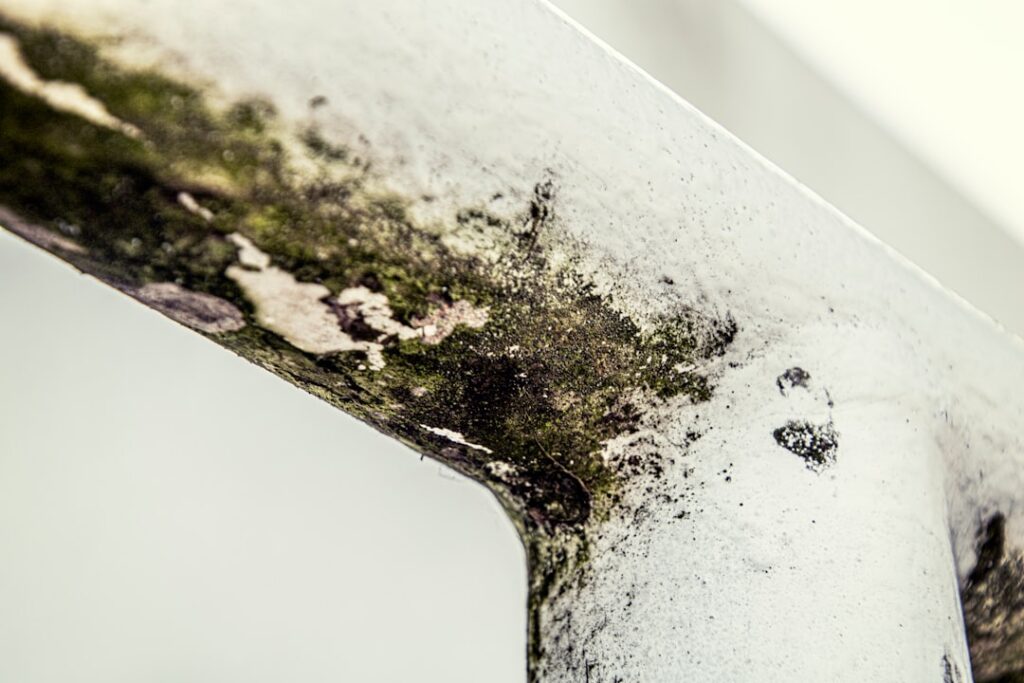
The cost for mold remediation in most homes lands somewhere between $1,500 and $6,000, with small surface jobs starting around $500 and whole-house or structural problems climbing past $15,000. Price swings this widely because mold is a symptom of a moisture problem, and the real bill depends on how far that moisture has traveled. This guide summarizes EPA and CDC guidance current as of 2026 and reflects typical contractor pricing; consult a certified remediation professional for a binding estimate and your physician for any health symptoms.
Is this mold, asbestos, or water damage? Get a free instant screen
Upload a clear photo of the suspect area. You'll get an instant AI screening opinion and what to do next. This is screening guidance, not a professional determination.
Screening guidance only. AI can be wrong. Confirm asbestos, mold type, or lead with lab testing or a licensed professional before acting.
What does mold remediation actually cost?
For a localized problem caught early, expect to pay $500 to $1,500. That covers a single small area, such as mold behind a bathroom vanity or a patch of drywall under a window. Mid-sized projects involving one or two rooms, HVAC components, or a section of crawl space typically run $2,000 to $6,000. Large jobs that involve structural framing, multiple floors, or extensive hidden growth can reach $10,000 to $30,000.
The U.S. Environmental Protection Agency notes that homeowners can often handle contaminated areas smaller than about 10 square feet themselves. Beyond that threshold, professional remediation is the safer route, and that is where the bulk of remediation spending happens. The single biggest cost driver is not the mold itself but the water source feeding it, which usually has to be repaired first. Our mold inspection and testing hub walks through how that diagnostic step shapes the entire budget.
What drives the price up or down
Several variables move the number more than any flat rate ever could:
- Square footage and location. Mold inside a finished living room costs less to reach than the same area inside a wall cavity, an attic, or an unvented crawl space.
- Material that must be removed. Porous materials like drywall, carpet, and insulation usually cannot be cleaned and have to be torn out and replaced. Non-porous surfaces such as tile and metal can often be cleaned in place.
- Containment requirements. Sealing a work area with plastic sheeting and running negative-air machines with HEPA filtration protects the rest of the house but adds labor and equipment cost.
- The underlying moisture repair. A leaking roof, failed sump pump, or grading problem must be fixed, or the mold returns. That repair is a separate line item.
- Testing. Pre- and post-remediation air or surface sampling adds a few hundred dollars but documents that the job worked.
Front Range homes carry their own quirks. Finished basements are common across Denver, Arapahoe, and Douglas counties, and basement moisture from poor grading or sprinkler overspray is a frequent trigger. The dry Colorado climate slows some growth outdoors, but sealed, conditioned interiors hold humidity just fine.
Cost by location in the home
Pricing tends to cluster by where the mold lives:
Bathrooms and kitchens
Small, accessible, and usually surface-level. Most bathroom jobs fall in the $500 to $1,500 range unless water has reached the subfloor. Persistent shower growth often signals a ventilation gap rather than a leak.
Basements and crawl spaces
These dominate the middle of the price range, roughly $2,000 to $7,000. Crawl spaces are labor-intensive because of tight access, and they frequently need a vapor barrier or encapsulation afterward to stop the cycle from repeating.
Attics
Attic mold, often from roof leaks or blocked soffit vents, runs $1,500 to $7,000. Sheathing replacement and re-establishing proper ventilation push the upper end higher.
HVAC systems
Mold inside ductwork or on an evaporator coil spreads spores throughout the house. Cleaning and treating an HVAC system typically costs $2,000 to $6,000 and may require component replacement.
What a professional estimate should include
A credible quote itemizes the work rather than offering a single round number. Look for separate lines covering containment setup, removal and disposal of contaminated material, HEPA vacuuming and air scrubbing, antimicrobial treatment, the moisture-source repair, and any post-clearance testing. The Centers for Disease Control and Prevention emphasizes that fixing the water problem is non-negotiable, so an estimate that ignores the leak is incomplete.
Reputable remediators follow a written protocol, often based on industry standards, and many provide a clearance report from an independent third party. If a contractor both writes the remediation protocol and verifies their own work, that conflict is worth questioning. Comparing the steps in your quote against a standard mold remediation protocol helps you spot gaps before signing.
Insurance, DIY, and saving money
Homeowners insurance is inconsistent on mold. Many policies cover mold only when it results from a sudden, covered event such as a burst pipe, and they exclude damage from long-term neglect or gradual leaks. Some policies cap mold payouts at $1,000 to $10,000 regardless of the actual bill. Reading your declarations page before a problem appears saves a lot of frustration later.
DIY is reasonable for small, non-toxic surface mold on hard materials, using detergent, water, and proper protective gear. It is not appropriate for large areas, contaminated HVAC systems, immunocompromised households, or anyone with respiratory sensitivity, where the CDC and EPA both advise professional handling. Skipping containment on a large job can spread spores and turn a contained problem into a whole-house one.
To keep costs down, act early. A square foot of mold is far cheaper than a wall cavity full of it. Address humidity with a dehumidifier where appropriate, fix leaks promptly, and get multiple itemized bids. Three written estimates from licensed contractors give you both a fair price and a clearer picture of the actual scope.
How the moisture repair shapes the total bill
Homeowners often fixate on the per-square-foot cost of mold removal and overlook the line item that swings the total most: repairing the water source. Mold is a symptom, and the EPA is unambiguous that growth recurs unless the moisture problem is corrected. The cost of that correction varies enormously. A simple plumbing fix under a sink might add $150 to $400. Re-grading soil around a foundation, extending downspouts, or installing a French drain can add $1,500 to $6,000. A roof repair or partial reroof to stop attic leaks can add several thousand more. A failed sump pump or a foundation crack pushes the figure higher still.
Because of this, two homes with identical visible mold can produce wildly different bills. The home where mold grew from a one-time overflow needs cleanup and a small repair. The home where mold grew from chronic basement seepage needs cleanup plus a drainage solution that may cost more than the remediation itself. When comparing quotes, separate the remediation line from the moisture-repair line so you understand what each contractor is actually proposing to fix. A quote that is suspiciously low often omits the moisture repair entirely, which guarantees the mold returns and a second bill arrives within months.
Reconstruction and hidden costs to budget for
The remediation itself is only part of the picture. Once contaminated drywall, insulation, flooring, or cabinetry is removed, those materials have to be replaced, and reconstruction is frequently quoted separately. Replacing a section of drywall, repainting, and reinstalling trim in a single room can add $1,000 to $4,000. Flooring replacement, especially hardwood or tile over a damaged subfloor, adds more. If the mold reached structural framing, sistering or replacing joists and studs is both costly and time-consuming.
Several other costs catch homeowners off guard. Temporary relocation may be necessary during a large remediation, particularly for households with respiratory sensitivities. Contents cleaning — treating furniture, clothing, and belongings exposed to spores — is sometimes a separate service. Disposal fees for contaminated material scale with volume. And if testing reveals the problem is larger than the initial visual estimate, the scope and price grow accordingly. Building a 10 to 20 percent contingency into your budget is prudent, since mold problems have a habit of being larger behind the wall than they look on its surface.
Getting comparable quotes
The single best way to control cost is to gather at least three written, itemized estimates and insist they cover the same scope. Vague, all-in numbers cannot be compared, so ask each contractor to break out assessment, containment, removal and disposal, cleaning and treatment, the moisture repair, reconstruction, and post-remediation verification. When the line items line up, price differences become meaningful rather than guesswork.
Ask each company about certifications, liability insurance, and whether they use independent clearance testing. A bid that is dramatically lower than the others usually signals a narrower scope, a skipped moisture repair, or no verification — not a bargain. Front Range homeowners should also confirm familiarity with local conditions, since basement and crawl space moisture from grading and irrigation is a recurring regional driver. Reading your homeowners policy before you commit clarifies what, if anything, insurance will offset.
When to call a professional
Call a remediation company when affected areas exceed roughly 10 square feet, when mold is inside HVAC equipment, when there is sewage or contaminated water involved, or when occupants have asthma, allergies, or compromised immune systems. A professional inspection also makes sense when you smell mold but cannot see it, since hidden growth behind walls or under floors is common and costs more the longer it hides. The earlier a moisture problem is caught, the smaller — and cheaper — the eventual remediation tends to be.
Regional cost differences and the Front Range
Mold remediation pricing varies by region because labor rates, climate, and housing stock all differ. Coastal and humid markets often see higher average bills because growth spreads faster and recurrence prevention — encapsulation, whole-home dehumidification — adds scope. Drier climates like Colorado’s Front Range can see lower averages for comparable visible mold, but the region has its own cost drivers that catch homeowners off guard.
Finished basements are common across Denver, Douglas, Arapahoe, and Jefferson counties, and basement moisture is a frequent trigger. The usual culprits are poor exterior grading that channels water toward the foundation, sprinkler systems overspraying foundation walls, window-well drainage failures, and the occasional sump-pump issue. Because the mold often hides behind finished basement walls, the visible patch understates the true extent, and opening the wall can reveal a larger problem and a larger bill. Snowmelt cycles add seasonal moisture loading that a humid-climate inspector might not anticipate.
The practical upshot for Front Range homeowners is to budget for the moisture-source fix as the variable that matters most. A small amount of visible basement mold tied to a grading problem may cost more to resolve permanently than a larger but contained bathroom job, because the grading correction is the expensive part. Getting a quote that explicitly diagnoses and prices that source — rather than only the cleanup — is what separates a lasting fix from a recurring expense.
Timeline and what affects how long it takes
Cost and time are linked, since labor hours drive much of the bill. A small, contained job can be completed in a day. A multi-room or basement project with significant tear-out, drying, and reconstruction can stretch across one to two weeks. Drying is the step that most often extends a timeline, because rebuilding over material that has not returned to normal moisture levels simply reseeds the problem, and a remediator who rushes that step is setting up a callback.
Several factors lengthen a project: the extent of porous material that must be removed and replaced, the complexity of the moisture repair, the need to coordinate separate trades for plumbing or roofing fixes, and the availability of reconstruction labor afterward. Asking for a written schedule alongside the itemized estimate helps you plan around the disruption and confirms the contractor has thought the sequence through rather than improvising on site.
References
- Mold Cleanup in Your Home — U.S. Environmental Protection Agency
- About Mold and Your Health — Centers for Disease Control and Prevention
- Mold Remediation Guidance — U.S. Environmental Protection Agency
If you are on the Front Range and want a clear read on the moisture source behind your mold before paying for remediation, reach out through our contact page to connect with a vetted local inspector.