White Mold in Crawl Space: A Homeowner’s Guide
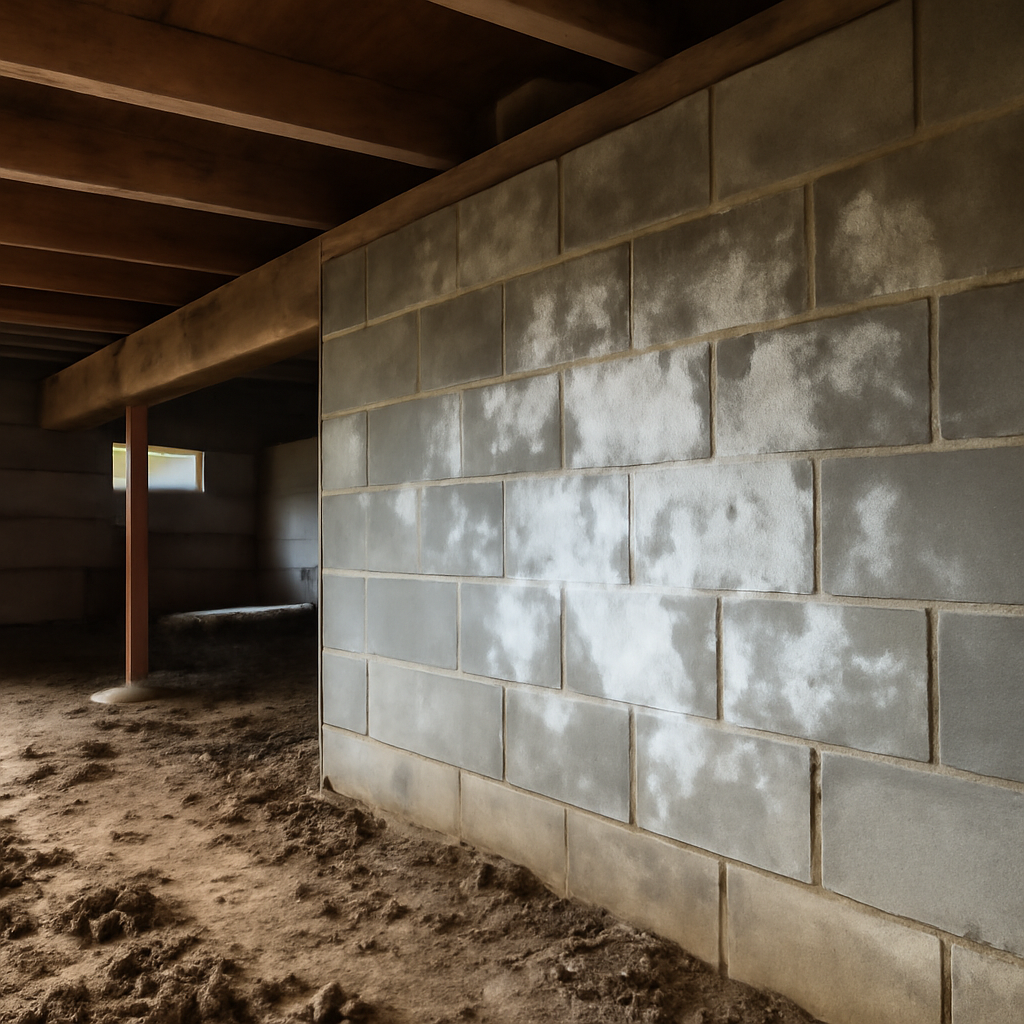
A flashlight beam swinging across floor joists often catches it first: a fuzzy, cottony, white growth clinging to the wood under a house. Finding white mold in crawl space framing alarms most homeowners, and the reaction is reasonable. That powdery bloom is a sign that moisture has been sitting somewhere it should not. The good news is that white mold is rarely the most toxic species, and the conditions feeding it are usually fixable. This guide summarizes EPA and CDC guidance current as of 2026 for general education only; it is not a medical diagnosis, and a certified mold professional should make testing and remediation decisions for your specific home.
Part of our Crawl Space & Attic Guide guide — start there for the full picture →
Is this mold, asbestos, or water damage? Get a free instant screen
Upload a clear photo of the suspect area. You'll get an instant AI screening opinion and what to do next. This is screening guidance, not a professional determination.
Screening guidance only. AI can be wrong. Confirm asbestos, mold type, or lead with lab testing or a licensed professional before acting.
What Is White Mold in a Crawl Space?
White mold is not a single organism. It is a catch-all term for several fungal species that appear white, gray, or pale when they colonize a surface. Common culprits in crawl spaces include species of Aspergillus, Penicillium, and Cladosporium, all of which can present as light-colored colonies depending on the surface and their growth stage. Because color alone does not identify a species, a white patch can be harmless surface growth or the early phase of a colony that later darkens.
The EPA does not classify mold by color for risk purposes. Instead, it treats any visible indoor mold as something to remove and any underlying moisture source as something to correct. That principle matters: chasing the color of the growth is less useful than chasing the water that allowed it.
Is White Mold Dangerous?
White mold can cause the same kinds of reactions that other molds do. According to the CDC, exposure to damp and moldy environments is associated with upper-respiratory symptoms, coughing, wheezing, and nasal irritation in otherwise healthy people, and may trigger more serious reactions in those with asthma, allergies, or weakened immune systems. None of that depends on the mold being a particular color.
People sometimes confuse white mold with efflorescence, a crystalline white deposit that forms when water moves through concrete or masonry and leaves mineral salts behind. Efflorescence is not biological and brushes off as a gritty powder; mold is fuzzy, may smear, and often returns quickly after wiping. Anyone with respiratory conditions should avoid disturbing suspected mold and should consult a physician about symptoms rather than self-diagnosing from a web search.
White Mold vs. Wood Rot
White, stringy growth on joists can also be the early stage of a wood-decay fungus rather than surface mold. Decay fungi feed on the wood itself and can weaken structural framing over time, which is a more serious problem than cosmetic surface mold. If pressing a screwdriver into a joist leaves it soft or crumbly, that points to rot and warrants a structural look, not just a surface cleaning.
What Causes White Mold to Grow Under a House?
Mold needs three things: a food source, spores, and moisture. Wood framing and organic debris supply food, spores are everywhere in outdoor air, and that leaves moisture as the only variable a homeowner can actually control. In Colorado, crawl spaces stay drier than in humid coastal regions, but several local patterns still drive growth.
Spring snowmelt and summer monsoon storms push groundwater toward foundations. Plumbing leaks drip onto soil and joists. Missing or torn vapor barriers let ground moisture evaporate straight into the air. Poorly directed downspouts dump roof runoff against the foundation. And in vented crawl spaces, warm humid outdoor air can condense on cooler surfaces during certain seasons. The EPA’s guidance is consistent across all of these: keep indoor relative humidity below roughly 60 percent, and ideally between 30 and 50 percent, to discourage growth.
For a broader look at how dampness develops below the floor and the warning signs that precede visible growth, our overview of crawl space mold and its common triggers walks through the moisture pathways in more detail.
How to Get Rid of White Mold in a Crawl Space
The EPA’s basic rule is straightforward: areas of mold smaller than about 10 square feet can often be handled by a homeowner with the right precautions, while larger areas, contaminated HVAC systems, or growth caused by sewage or persistent flooding call for a professional. White mold under a house frequently spreads across more area than it first appears, so measure before deciding.
Fix the Moisture First
Cleaning mold without fixing the water source guarantees it will return. Track down the leak, regrade soil away from the foundation, extend downspouts, repair the vapor barrier, and consider a dedicated crawl space dehumidifier sized for the space if humidity stays high after the obvious leaks are sealed. Encapsulation, which seals the crawl space with a heavy liner, is increasingly common on the Front Range for exactly this reason.
Clean Safely
For small areas, scrub non-porous and semi-porous surfaces with detergent and water, then dry thoroughly. The EPA does not recommend bleach as a routine mold cleaner; soap and water plus full drying is the baseline. Wear an N-95 respirator, goggles without vent holes, and gloves. Disturbing mold releases spores, so ventilation and protective gear matter. Porous materials that are heavily colonized, such as soaked insulation or rotted wood, usually need to be removed rather than cleaned.
Know When to Call a Pro
Large colonies, recurring growth, musty odors that persist after cleaning, or any sign of structural decay are reasons to bring in a qualified inspector or remediation contractor. A professional can sample the area, identify the moisture source, and document the work for a real-estate transaction if needed.
How to Keep White Mold From Coming Back
Prevention is cheaper than remediation. Keep the crawl space dry, maintain a working vapor barrier, ensure gutters and downspouts move water well away from the house, and check the space at least twice a year, ideally after spring melt and after the late-summer storm season. A simple humidity monitor left in the crawl space gives early warning long before growth becomes visible. If the space was vented and stays humid, ask an inspector whether sealing and conditioning it makes sense for your home.
Front Range homes built on expansive clay soils are especially sensitive to drainage problems, so grading and downspout maintenance pay off more here than in many regions. For homeowners weighing professional help, the mold inspection and testing hub explains what a thorough crawl-space assessment should include and how testing supports a clean bill of health.
How White Mold Spreads Under a Front Range Home
White mold does not stay put. Once a colony establishes on a joist or subfloor, it releases spores that ride air currents to nearby wood, insulation paper, cardboard storage boxes, and any other organic surface with enough moisture. In an enclosed crawl space with poor airflow, those spores settle quickly and start new colonies, which is why a problem that looked like a single fuzzy patch in spring can cover several joist bays by late summer.
The Front Range climate adds its own twist. Daytime heat and cool nights create temperature swings that drive condensation cycles inside vented crawl spaces. When warm, moisture-laden outdoor air drifts in through foundation vents and meets the cooler surfaces of pipes, ductwork, and framing, water condenses on those surfaces. That repeated wetting and drying is enough to sustain growth even without a plumbing leak. Homes that were tightly sealed during energy retrofits can trap that moisture longer, giving colonies more time to expand.
Spores also migrate upward. The stack effect, the natural tendency of warm air to rise through a house, pulls crawl-space air into living areas through gaps around plumbing, wiring, and floor penetrations. Studies summarized by the EPA suggest a meaningful share of the air a household breathes on the main floor originates below it. That connection is the reason a crawl-space mold problem is not just a structural nuisance; it can influence the indoor air quality of the whole home.
What White Mold Does to Wood and Structure
Surface mold itself is primarily a cosmetic and air-quality concern, but the conditions that feed it often invite more damaging organisms. Persistent dampness on framing encourages wood-decay fungi, which actually consume the cellulose and lignin that give lumber its strength. Over time, decay can soften joists, sills, and subflooring to the point that repairs become structural rather than cosmetic.
Inspectors look for several clues. Discoloration that follows the grain, a spongy feel when a probe is pressed into the wood, and a stringy or web-like white growth that penetrates rather than sits on the surface all point toward decay rather than ordinary surface mold. Catching the moisture problem early, while the growth is still superficial, is far cheaper than replacing rotted framing later. This is one reason regular crawl-space checks pay off, especially in older Front Range homes where the original vapor barrier may be torn or missing entirely.
Insulation and Stored Belongings
Fiberglass batt insulation held up by paper facing is a common casualty. The paper is organic and absorbs moisture, becoming a food source, and once mold colonizes the facing the insulation usually has to be removed rather than cleaned. Cardboard boxes, old carpet, and wood scraps stored in the crawl space act the same way, holding moisture and seeding new growth. Clearing organic clutter out of a crawl space is a simple, free prevention step many homeowners overlook.
Testing and Confirming What You Found
Color cannot identify a species, so when the answer matters, sampling does. A professional can take a tape-lift or swab sample from the surface and a separate air sample to compare spore counts inside the crawl space against outdoor baseline levels. The lab results indicate which genera are present and whether indoor counts are elevated, which informs how aggressive the cleanup needs to be. The EPA notes that for most homeowners, sampling is optional; if you can see mold, the response is the same regardless of species, which is to remove it and fix the moisture.
Sampling becomes more valuable in specific situations: a real-estate transaction where documentation is needed, a household member with asthma or a compromised immune system, a dispute with a seller or contractor, or recurring growth that returns after cleaning. In those cases, an objective lab report supports decisions and protects everyone involved. Homeowners weighing whether to test can review what a professional assessment includes through the broader mold guidance and decide based on their situation rather than on the color of the growth alone.
Don’t Mistake It for Something Harmless
Two look-alikes trip people up. Efflorescence, the crystalline salt deposit on concrete, is not biological and poses no health risk. Frost or ice crystals can form on cold surfaces in winter and vanish when temperatures rise, mimicking a white film. Neither is mold. The reliable tests are simple: mold is fuzzy and often has a musty odor, it tends to smear when wiped, and unlike a mineral deposit it returns after cleaning because it is alive.
The Cost of Ignoring White Mold
It is tempting to dismiss a small white patch under the house as cosmetic, especially when no one spends time in the crawl space. That calculation usually proves expensive. Left alone, the moisture that feeds white mold keeps working on the structure, and a problem measured in dollars early becomes a problem measured in thousands later. Replacing rotted joists, removing colonized insulation, and remediating spread growth costs far more than fixing the original leak or vapor-barrier gap would have.
There is a transaction cost as well. When a Front Range home goes up for sale, buyers and their inspectors routinely look in the crawl space, and visible mold becomes a negotiating lever or a deal obstacle. A seller who addressed the moisture and documented a clean follow-up assessment is in a far stronger position than one explaining away a fuzzy ceiling of growth during due diligence. Treating the problem when it is small protects both the structure and the home’s value.
Health Costs Are Real Too
Because crawl-space air mixes into living space through the stack effect, ignoring growth below the floor is not purely a structural gamble. The CDC links damp, moldy environments to respiratory irritation, and households with members who have asthma or allergies feel that connection most. Addressing the source removes both the structural threat and the air-quality concern at once, which is why moisture control sits at the center of every credible recommendation.
Encapsulation as a Long-Term Fix
For homes that repeatedly battle crawl-space moisture, encapsulation has become a popular durable solution on the Front Range. The approach seals the crawl space with a heavy, continuous polyethylene liner across the floor and up the walls, closes the foundation vents, and often adds a dedicated dehumidifier to hold humidity in the target range below 60 percent. Done well, encapsulation transforms a damp, mold-prone space into a dry, conditioned buffer between the soil and the home.
Encapsulation is more involved and more expensive than spot cleaning, so it is not always the first step. But for a home with chronic moisture, a history of recurring growth, or a crawl space being used for storage or mechanicals, it can end the cycle that keeps feeding white mold. A qualified inspector or contractor can assess whether the moisture pattern justifies the investment, weighing it against simpler measures like improved drainage and a working vapor barrier. Either way, the principle holds: control the water, and the mold loses its foothold.
References
- Mold Cleanup in Your Home — U.S. Environmental Protection Agency
- Basic Facts About Mold and Dampness — Centers for Disease Control and Prevention
- A Brief Guide to Mold, Moisture and Your Home — U.S. Environmental Protection Agency
If your crawl space shows white growth or a persistent musty odor and you want a clear answer before it spreads, Front Range homeowners can connect with a vetted local inspector through our contact page for a moisture-focused assessment.