Crawl Space Insulation Near Me: Choosing a Pro
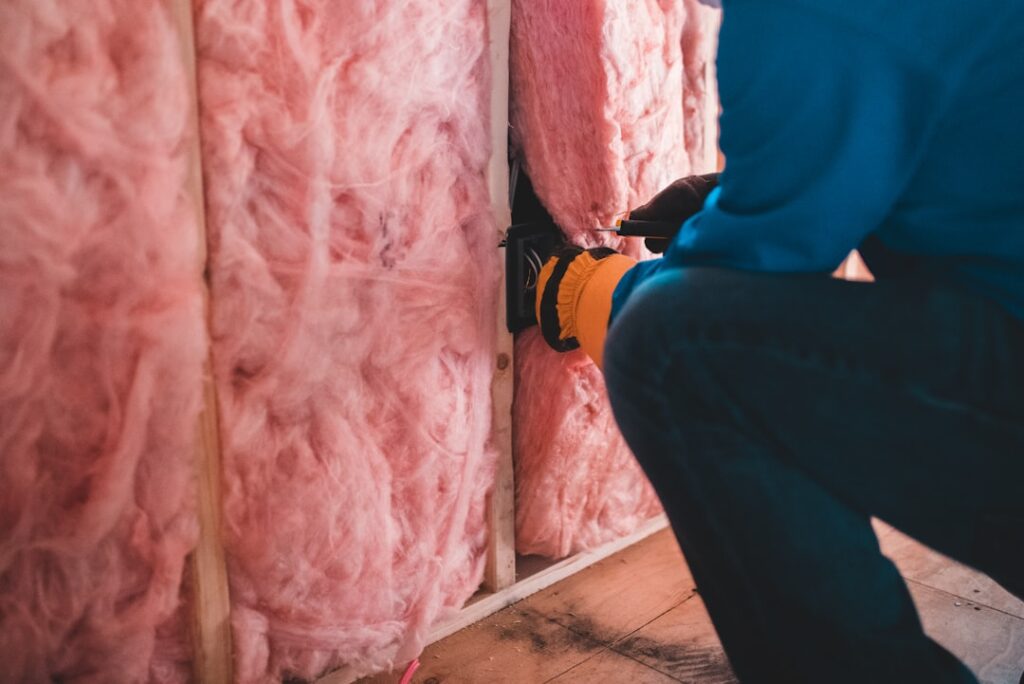
Typing crawl space insulation near me into a search bar returns a wall of ads, directory listings, and lead-generation forms, and almost none of them tell you which company will actually do the work right. Crawl space work is unusually easy to get wrong, because most of it happens out of sight, the moisture conditions are invisible until they cause damage, and a poor install can trap water against the structure it was supposed to protect. This guide is about the vetting, not the sales pitch: how to build a shortlist of local contractors, what to ask on the phone and on site, how to read multiple quotes, the red flags that should end a conversation, and how to decide whether the job belongs to a pro at all.
How to find crawl space insulation contractors near you
Start by separating the two kinds of results a local search produces. Lead-generation sites collect your information and sell it to whoever pays, so you may get five calls from companies that never set foot near your neighborhood. Direct listings for established local insulation, waterproofing, and encapsulation contractors are the ones worth pursuing. Build a shortlist of three to five companies that clearly serve your area and clearly do crawl space work, not just attic blow-ins or general handyman services.
Good sourcing channels include your state contractor licensing board’s public lookup, trade-association directories, and referrals from a home inspector who has recently been under houses like yours. Reviews help, but read them for specifics: mentions of moisture problems solved, clean crawl spaces, and follow-up service matter more than a star average. Before you call anyone, get oriented on what a sound approach even looks like by reading the parent overview on crawl space insulation methods, so you can tell a knowledgeable bid from a scripted one.
Local knowledge genuinely matters here. A contractor who works in your climate every day knows whether the region’s crawl spaces need aggressive moisture control or simple wall insulation, and that judgment shapes the whole project. A humid-climate crew that defaults to encapsulation and a dry-climate crew that defaults to foam board are both drawing on real regional experience; a company that treats every house identically usually is not.
Insist on a moisture inspection before any insulation
The most important thing a good crawl space contractor does is refuse to insulate a wet space. Moisture is the root cause of nearly every crawl space failure, so the first visit should include a real inspection: a look for standing water, efflorescence on the foundation, a check of the existing vapor barrier, a humidity reading, and an inspection of the floor joists and subfloor for rot or mold. Insulation installed over an unresolved moisture problem does not fix the problem; it hides it and can accelerate rot by holding dampness against wood.
If a company wants to quote insulation without ever discussing where the water comes from, that is a disqualifying sign. The DOE’s guidance on crawl spaces treats ground and air moisture control as the foundation of the entire assembly, not an optional add-on. Ask any contractor to walk you through what they found and how their proposal addresses it. A crawl space with active water intrusion needs drainage and a vapor strategy first, an approach spelled out in the guide to wet crawl space insulation. Insulation is the last step, not the first.
What to ask before you hire
A short list of pointed questions separates the serious contractors from the ones selling a template. Ask each of these and compare the answers across companies.
Are you licensed and insured, and can I see proof? Request the license number and a certificate of general liability and workers’ compensation insurance. If a worker is injured under your house and the company is uninsured, the liability can land on you.
How did you assess the moisture, and what did you find? The answer should reference an actual inspection of your crawl space, not generic claims.
What R-value are you installing, and for which climate zone? A competent contractor cites DOE climate-zone recommendations and can explain why a given R-value suits your region.
What material and thickness, and why that choice here? They should tie the recommendation to your floor type, height, and moisture conditions rather than defaulting to whatever they always use.
Do you handle old-insulation removal and disposal? Tearing out moldy or rodent-damaged batts is a real cost and a health consideration, especially in older homes where vermiculite or asbestos wrap may be present.
What warranty do you offer, and does it cover moisture performance? A workmanship warranty and, for encapsulation, a moisture or humidity guarantee show the company stands behind the outcome.
Who does the work, employees or subcontractors? This affects accountability and quality control.
Get multiple itemized quotes
Never hire off a single bid, and never accept a lump sum. Collect at least three written quotes and require each to itemize the same components: moisture remediation, vapor barrier, insulation material and thickness, air sealing, rim-joist work, old-insulation removal, and any dehumidifier. Itemization is the only way to see why one bid is higher, and it often reveals that the cheapest quote simply omitted the moisture work.
Comparing quotes intelligently also means understanding the cost structure behind them, since labor is usually 40 to 60 percent of the total and the method chosen sets the range. The companion guide on crawl space insulation cost lays out per-square-foot ranges for each method so you can judge whether a bid is reasonable or padded. Aim to compare equal thermal performance: ask every contractor for the installed R-value so you are weighing comfort and savings, not just the bottom-line number.
Be deliberate about timing and pressure. A quality contractor gives you a written proposal and time to consider it. High-pressure, sign-today discounts are a tactic, not a favor. If a company insists the price is only good if you commit on the spot, treat that as information about how they operate.
Red flags that should end the conversation
Certain behaviors reliably predict a bad outcome. Walk away when you see them.
A quote given over the phone without ever inspecting the crawl space cannot account for access, height, or moisture and is essentially a guess. A refusal to provide a license number or insurance certificate is disqualifying. A demand for a large cash deposit before any work begins, especially more than a modest scheduling percentage, is a risk. A pitch that skips moisture entirely and jumps straight to insulation misunderstands the whole problem. Wildly low bids usually mean an omitted step, most often the vapor barrier or the code-required ignition barrier over foam, that will surface as a change order later. And a company that cannot clearly explain why it recommends a particular method for your specific house is selling a script.
Pay attention to how a contractor talks about older homes as well. A crew that dismisses the possibility of asbestos-containing pipe wrap or vermiculite in a pre-1980 crawl space, or offers to just rip it out without testing, is cutting a corner that can expose your household to a real hazard. The safer path is to learn how to identify asbestos and to have suspect materials tested before anyone disturbs them.
Deciding between DIY and hiring a pro
Not every crawl space needs a contractor. A dry, accessible crawl space that only needs fiberglass batts or straightforward foam board is a reasonable do-it-yourself project for a homeowner who does not mind the conditions, and it can cut the price to material-only. The realistic question is whether your crawl space is dry, tall enough to work in safely, free of hazardous existing insulation, and free of an active moisture problem. If all four are true, self-installing simpler insulation is defensible.
Hire a professional when any of the following apply: there is standing water, high humidity, or visible mold; the job calls for spray foam or full encapsulation; the existing insulation may be asbestos-containing or heavily contaminated; the crawl space is too tight to work in safely; or the project involves electrical work for a dehumidifier. These are the situations where a mistake is expensive, hazardous, or both. Spray foam and encapsulation in particular involve chemistry, curing, code compliance, and moisture engineering that reward professional experience.
There is also a middle path many homeowners take: hire out the moisture control and vapor barrier, which are the parts most likely to cause harm if done wrong, and consider self-installing simpler insulation afterward if conditions allow. Whatever you decide, the sequence never changes. Solve the water, then insulate.
Vetting a company’s crawl space experience
Insulation is a broad trade, and a company that excels at blowing cellulose into attics may rarely go under houses. Ask specifically how many crawl space and encapsulation jobs the crew completes in a typical year and request photos of recent crawl space work, ideally before-and-after shots that show a clean vapor barrier and neat wall insulation. Ask for a couple of local references from crawl space projects and actually call them, focusing your questions on whether moisture problems stayed solved a year later. A contractor who can produce that kind of specific, recent, local track record is a very different bet than one who treats your crawl space as an occasional side job.
Contractor types and which one you actually need
The word “insulation contractor” covers several kinds of companies, and matching the right type to your job saves money and frustration. A general insulation contractor handles attics, walls, and crawl spaces and is a reasonable fit for a straightforward, dry crawl space that only needs batts or foam board. A crawl space or foundation specialist, sometimes marketed as an encapsulation or waterproofing company, is the right call when moisture is the central issue, because that is their core business. A spray-foam contractor is a specialist in the chemistry and equipment for foam and is who you want if closed-cell foam is the plan, a method whose pro-only requirements are covered in the guide to spray foam insulation for a crawl space.
The mismatch to avoid is hiring a general handyman or a company that mainly blows cellulose into attics for a crawl space that has a real moisture problem. They may install insulation competently and still leave the underlying water untouched, which guarantees failure. When you call, ask directly what share of the company’s work is crawl space and encapsulation, and let the answer steer you toward the right specialty for your conditions.
Reading reviews and references the right way
Star ratings are a weak signal on their own; the content of reviews is where the useful information lives. Look for reviews that mention the specific things that go wrong in crawl spaces: whether the moisture problem stayed solved, whether the vapor barrier was installed neatly, whether the crew cleaned up, and whether follow-up service was responsive when a question came up months later. A company with a slightly lower average rating and detailed, moisture-focused praise is a better bet than one with a perfect score and only vague comments.
When you ask for references, request recent local crawl space projects specifically, not attic jobs or commercial work. Then actually call them and ask targeted questions: did the humidity stay down through a wet season, did any insulation sag or fall, and would they hire the company again. Photos matter too. A contractor proud of their crawl space work can usually show before-and-after images of a clean liner and neat wall insulation, and a company that cannot produce any is telling you something about how often they do this work.
Understanding warranties and what they cover
Warranties in this trade vary widely, and the difference is worth understanding before you sign. A basic workmanship warranty covers defects in the installation itself for a stated period. For encapsulation, the more meaningful protection is a moisture or humidity performance guarantee, which commits the company to a dry crawl space and gives you recourse if it stays damp. Read what voids the warranty, whether it transfers to a future owner, and how long it lasts. A confident encapsulation contractor stands behind the moisture outcome, not just the labor, and a reluctance to put any humidity commitment in writing is worth noting.
Also clarify what happens if a problem appears later. Ask how service calls are handled, whether they carry a fee, and how quickly the company responds. The value of a warranty is only as good as the company’s willingness to honor it, which is another reason an established local firm with a track record beats a low bid from an unknown.
Timing the project and preparing for the visit
Crawl space contractors are often busiest in spring and fall, so scheduling in a slower stretch can mean better availability and sometimes better pricing. Before the assessment visit, clear access to the crawl space entrance, note where you have seen water or smelled musty air, and gather any history you have about past leaks, flooding, or previous insulation work. The more accurate information the contractor has, the more accurate the quote. It also helps to have a general sense of your DOE climate zone and the recommended R-values before the conversation, so you can ask informed questions rather than accepting whatever is proposed.
Finally, keep the decision unhurried. A good contractor gives you a written, itemized proposal and the room to compare it against others. The homeowners who end up happiest are usually the ones who treated the search the way this guide describes: build a shortlist of specialists, insist on a moisture inspection, gather itemized quotes, check references carefully, and match the choice to their home’s real conditions rather than to whoever answered the phone first.
References
- Crawlspace Insulation Guidance — U.S. Department of Energy, Energy Saver
- Where to Insulate in a Home — U.S. Department of Energy
- Crawl Space Inspection Basics — International Association of Certified Home Inspectors
The hardest part of hiring is knowing whether a bid actually fits your crawl space and climate. If you would like an impartial assessment before you choose a company, you can reach a local crawl-space and insulation professional through our contact page and get an honest read on what your home really needs.