Kidde Nighthawk CO + Gas
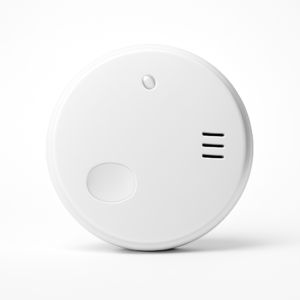
The Kidde Nighthawk KN-COEG-3 is a plug-in alarm that watches for two hazards at once: carbon monoxide and explosive gas such as natural gas or propane.
The Kidde Nighthawk KN-COEG-3 is a plug-in alarm that watches for two hazards at once: carbon monoxide and explosive gas such as natural gas or propane. It suits homes with a gas range, gas furnace, propane appliances or a gas dryer, where one device near the kitchen or utility area can cover both risks. Its standout is the digital display, which shows the CO level it is sensing and switches to “GAS” when it picks up a combustible gas, with a 9-volt battery keeping it running during outages.
Specifications
| Specification | Details |
|---|---|
| Detects | Carbon monoxide plus explosive gas (natural gas, propane) |
| Power | Plugs into a standard 120V outlet; 9-volt battery backup |
| Display | Digital LED readout of sensed CO level, or “GAS” for explosive gas |
| Alarm | 85-decibel horn plus LED status indicators |
| Memory | Peak Level Memory tied to the last CO detection or last test |
| Sensor type / certification | Not stated in listing |
| Size | About 6.1 x 3.8 x 2.5 in |
| Model / warranty | KN-COEG-3; warranty not stated in listing |
Kidde Nighthawk KN-COEG-3 — plug-in CO + explosive gas alarm, 9V backup, digital display, 85 dB, peak memory
How It Compares
One of Only Three Home Plug-Ins on the Shelf That Also Sense Explosive Gas
Of the 12 similar listings, four are not home wall alarms: an industrial four-gas monitor, a handheld CO meter, a 12-volt RV detector and one unrelated listing. Among the remaining home alarms, only three detect explosive gas as well as CO: this KN-COEG-3, a second listing that carries the same KN-COEG-3 model number and identical feature bullets, and Kidde’s newer COPDLG. Everything else is CO-only.
The COPDLG matters here because its own listing says it replaces the KN-COEG-3. On paper it adds several things this listing does not state: a backlit screen, an early low-level CO alert in the 30–70 ppm range, a rotating plug, AA backup instead of a 9-volt, named UL 2034 5th Edition and ETL listing, and a stated 7-year warranty. If both are available, the newer model is the one with more documented features.
The KN-COEG-3 still holds an edge over the CO-only units: three CO-only Kidde listings also describe peak memory, but none of them flags combustible gas. Its listing does not state the CO sensor type, the gas sensor’s trigger level, a certification standard or warranty length, so check the packaging or manual for those.
Who It’s For — and Who Should Skip It
This is a good fit for homes that burn natural gas or propane indoors and want one outlet-powered device covering both CO and a leak, especially near a kitchen, laundry room or mechanical room. The readout is useful for anyone who wants to see a CO number rather than wait for a horn.
Skip it for bedrooms far from outlets (a battery CO alarm is simpler there), or if the only outlets near your gas appliances sit high on the wall. Natural gas is lighter than air while propane is heavier, so placement matters; if you want the documented low-level CO warning and a stated warranty, the COPDLG is the closer match.
Using It at Home
Many Front Range homes run gas furnaces, water heaters, ranges and fireplaces, and mountain properties often rely on propane tanks. A combined alarm in the kitchen or near the utility room covers the leak risk, while separate CO alarms near bedrooms handle overnight protection.
- Plug it into an outlet near, but not right beside, gas appliances; avoid outlets controlled by a wall switch.
- Install a fresh 9-volt battery so it keeps sensing during winter power outages.
- Test it monthly with the button and glance at the display for any nonzero CO reading.
If it shows “GAS” or you smell rotten eggs, do not flip switches or use phones inside; leave and call your gas utility from outdoors. Persistent low CO numbers usually trace to a furnace, water heater or venting fault; contact us to arrange an inspection of combustion appliances and flues.
Pros
- Covers CO and natural gas or propane in one device
- Display shows the CO level it is sensing
- Peak Level Memory feature
- 9-volt backup keeps it working in outages
Cons
- Kidde lists the COPDLG as its replacement
- No sensor type, certification or warranty stated
- Plug-in location limits gas-sensing placement
Related Guides
- Kidde Nighthawk carbon monoxide detectors
- Best natural gas detectors
- What to do about a gas leak smell
- Best carbon monoxide detectors
- Carbon monoxide detector installation
As an Amazon Associate we earn from qualifying purchases. Product details come from the current Amazon listing; we have not lab-tested this unit, and prices and availability change.
Prices change often — check the live price on Amazon. As an Amazon Associate we earn from qualifying purchases.