Smart Smoke and Carbon Monoxide Detector Guide
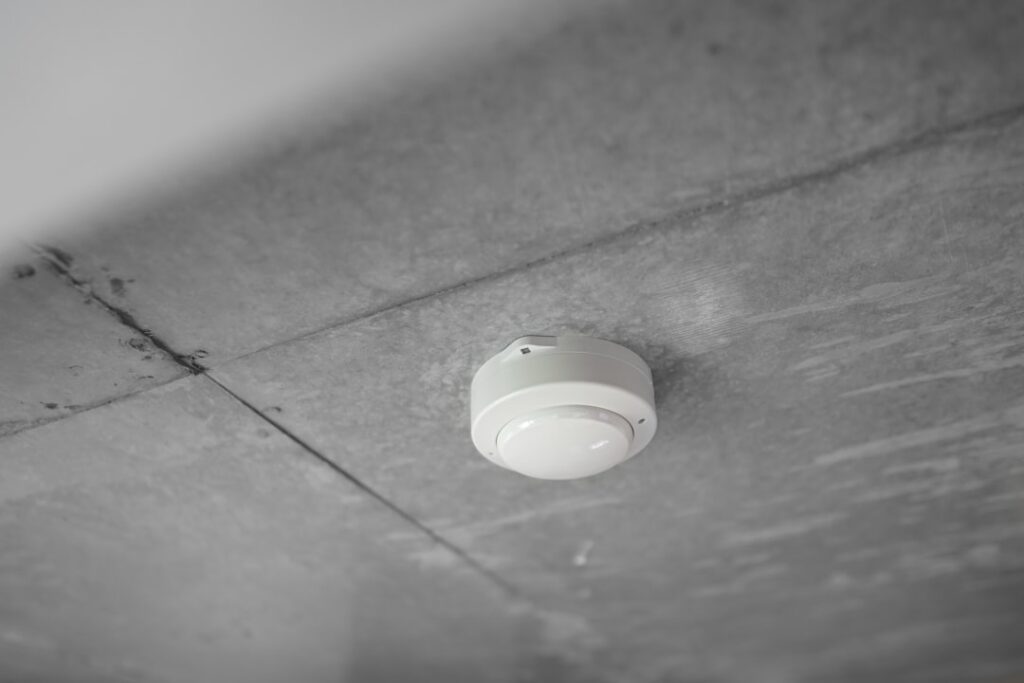
A traditional smoke or carbon monoxide alarm does one thing: it sounds when a hazard reaches its threshold. That works only if someone is home to hear it. A smart smoke and carbon monoxide detector adds connectivity, sending alerts to your phone, telling you which room triggered, and linking units so they all sound together. For families, travelers, and anyone who worries about a fire or CO event while away, that added awareness is the main draw. This guide explains what these devices do, the features that matter, where to place them, their limits, and how to keep them working. The safety guidance here follows NFPA and CDC recommendations current as of 2026.
Part of our Home Inspection Tools guide — start there for the full picture →
What a Smart Combination Detector Does
A smart smoke and carbon monoxide detector combines two life-safety functions in one connected device. It detects smoke from fire and carbon monoxide from incomplete combustion, then alarms locally and sends notifications to your phone through Wi-Fi. Many models announce the type and location of the hazard by voice, so you hear “smoke detected in the basement” rather than a single ambiguous beep.
Combining smoke and CO detection in one unit reduces ceiling clutter and ensures both hazards are covered at each location. Pairing that with smart connectivity means you learn about an event whether you are in the next room or across the country. The core safety job is the same as a basic alarm; the smart layer is about awareness and faster response.
Key Features Worth Having
Smart detectors vary, and certain features deliver the most practical value.
Phone Alerts and Remote Monitoring
The headline feature is a push notification to your phone when an alarm triggers, even when you are away. That lets you call a neighbor, the fire department, or emergency services for a home you cannot reach. For travelers and second-home owners, this is the single biggest reason to go smart.
Interconnection
Smart units can link wirelessly so that when one alarms, they all sound. In a large or multi-story home, this means a basement fire alarm also wakes people upstairs. Interconnection is a major safety upgrade over standalone alarms that only sound where the hazard is. Our guide on choosing the best carbon monoxide detector explains how interconnection benefits CO coverage specifically.
Voice Alerts and Self-Testing
Voice announcements that name the hazard and location speed up your response. Automatic self-testing and low-battery phone notifications mean you are less likely to discover a dead unit by chance. Some models also distinguish a minor issue, like cooking smoke, from a genuine emergency, reducing nuisance alarms.
Where to Place Smart Detectors
Placement follows established fire and CO safety rules regardless of how smart the device is. For fire protection, NFPA guidance calls for a smoke alarm inside every bedroom, outside each sleeping area, and on every level including the basement. For carbon monoxide, install a detector outside each sleeping area and on every level.
A combination unit satisfies both at a location. Keep units away from kitchens and bathrooms, where cooking smoke and steam cause false alarms, generally at least 10 feet from cooking appliances. Keep CO function at least 15 feet from fuel-burning appliances to avoid nuisance triggers. For the count and spacing of CO coverage in particular, our guide on how many carbon monoxide detectors you need lays out the one-per-level-plus-bedrooms rule.
Limits and Considerations
Smart features add convenience but come with tradeoffs to understand. The devices depend on Wi-Fi and power; if your internet or power is down, you lose the remote alerts, though the local alarm should still sound on battery backup. They cost more than basic alarms, and some require a hub or a subscription for full features.
Most importantly, smart connectivity does not change the fundamentals: the device must still meet recognized safety standards, be placed correctly, and be maintained. A phone alert is no substitute for evacuating when the alarm sounds. And like all CO sensors, the carbon monoxide element has a limited service life regardless of how smart the unit is. Treat the smart features as a helpful addition to, not a replacement for, sound life-safety practice.
Responding to an Alarm
When a smart detector alarms for smoke, get everyone out and call the fire department; do not stop to investigate. When it alarms for carbon monoxide, get everyone to fresh air immediately and call 911 or the fire department from outside. The voice announcement and phone alert help you understand which hazard and where, but the response is the same urgency as any alarm. If you receive a phone alert while away, contact emergency services and someone who can check the home, and never assume a remote alert is a false one to dismiss.
Reducing Nuisance Alarms
False alarms train people to ignore real ones, so reducing them matters. Place units away from kitchens and bathrooms, keep them dusted, and use models that can tell cooking smoke from fire. Smart units often let you silence a nuisance alarm from your phone, but confirm there is no real hazard first rather than reflexively dismissing it.
Maintaining Smart Detectors
Smart detectors still need upkeep. Test them periodically, even though many self-test, and respond promptly to low-battery and end-of-life notifications. Keep the app updated and the Wi-Fi connection stable so alerts arrive reliably. Vacuum dust off the units so sensors stay responsive.
Replace units at end of life. Smoke sensors and especially CO sensors degrade over time, and most combination units carry a service life around ten years, with a replacement date printed on the housing. When that date arrives, replace the whole unit, since an expired sensor may not detect a real hazard. A smart detector that has aged out is no safer than no detector, no matter how good its app once was.
Smart Versus Traditional Detectors
Deciding between smart and traditional detectors comes down to what you value. Traditional alarms are inexpensive, reliable, and require no setup beyond mounting and batteries. They sound loudly where the hazard is, which is enough protection for someone who is always home to hear it. For a small home or a tight budget, basic alarms placed correctly meet the safety requirement fully.
Smart detectors cost more and depend on Wi-Fi for their headline features, but they add awareness that traditional units cannot. Phone alerts protect a home you are away from, interconnection ensures a basement alarm wakes upstairs occupants, and voice announcements speed your response by naming the hazard and room. For larger homes, frequent travelers, second-home owners, and households with members who sleep heavily or have mobility limits, those features can be decisive. The right choice depends on your home’s size, your travel habits, and how much you value remote monitoring.
Integrating With a Smart Home
Many smart smoke and CO detectors connect with broader home automation, which extends their usefulness. Linked to smart lighting, an alarm can trigger lights to guide an exit path during a nighttime emergency. Integrated with a smart thermostat, some systems shut off the HVAC fan during a fire to avoid spreading smoke, or during a CO event to stop circulating contaminated air. Alerts can route to multiple family members’ phones so someone always knows.
These integrations add convenience and can genuinely improve a response, but they should never replace the fundamentals. The detector must still meet recognized safety standards, sit in the correct location, and sound a local alarm independent of the internet. Treat automation as a helpful enhancement layered on top of a sound life-safety device, not as the core of your protection. A fancy integration is worthless if the underlying detector is misplaced or expired.
Privacy and Connectivity Considerations
Connected detectors collect data and rely on your network, which raises a few practical points. Choose reputable brands with clear privacy practices, keep firmware updated for security and reliability, and ensure your Wi-Fi is stable so alerts arrive without delay. Understand that if your internet or power fails, you lose remote features, though a quality unit still sounds its local alarm on battery backup. Weighing these factors helps you get the smart features’ benefits without overrelying on connectivity for life-safety functions.
Coverage Across the Whole Home
Whatever type you choose, complete coverage follows the same principles. Provide smoke detection inside every bedroom, outside each sleeping area, and on every level including the basement, and provide CO detection on every level and outside each sleeping area. Combination units satisfy both at a location, and smart interconnection ties them together so a hazard anywhere sounds everywhere. For the specific CO count and spacing across a home, our guide on how many carbon monoxide detectors you need lays out the rules in detail.
Build a maintenance routine to match: test units periodically, respond to low-battery and end-of-life notifications promptly, keep the app and firmware current, and replace units when they expire. A well-planned, well-maintained set of smart combination detectors, placed correctly and kept current, delivers both the loud local alarm that protects people present and the remote awareness that protects a home when no one is there to hear it.
More Questions About Smart Smoke and CO Detectors
How much do smart smoke and carbon monoxide detectors cost?
Smart smoke and carbon monoxide combination detectors typically cost about $50 to $150 each, compared with roughly $25 to $60 for standard combination alarms. Hardwired versions may add installation cost if wiring changes are needed.
A whole home usually needs several units: one in each bedroom, outside sleeping areas and on every level, so totals add up quickly. A practical approach is pairing a few smart units in key areas with interconnected standard alarms elsewhere, as long as the brand supports mixing them in one system.
Can smart smoke detectors call the fire department?
Most smart smoke and carbon monoxide detectors do not call the fire department on their own; they send alerts to phones so someone can call 911. Some offer paid professional monitoring that can dispatch emergency services.
Phone alerts depend on Wi-Fi and internet service, so they may fail during an outage. The loud local alarm remains the most important safety function. Anyone receiving a remote alert while away should call emergency services and contact anyone who may be inside rather than waiting to confirm.
Can smart smoke and CO detectors replace hardwired alarms?
Battery-only smart smoke and CO detectors can replace hardwired alarms only where local code allows; many jurisdictions require hardwired, interconnected alarms in new construction and major remodels. Hardwired smart models are available to satisfy those rules.
When an existing hardwired alarm is replaced, the new unit should also be hardwired, connected to the same circuit and interconnect wire. Adapters or new models from the same brand often make this straightforward. A licensed electrician can confirm compatibility and code requirements for a particular home.
Do smart smoke detectors need a hub?
Many smart smoke and carbon monoxide detectors connect directly to home Wi-Fi and do not need a hub. Others use a dedicated hub or a smart home platform with Zigbee or Z-Wave to talk to the app.
Hub-based systems can extend range and keep devices talking to each other even when the internet is down, but they add one more device to power and maintain. Check router compatibility, often 2.4 GHz only, and whether alarms still interconnect locally if the hub or internet goes offline.
References
- Smoke Alarm Safety — National Fire Protection Association
- Carbon Monoxide Safety — National Fire Protection Association
- About Carbon Monoxide Poisoning — Centers for Disease Control and Prevention
Frequently asked questions
What does a smart smoke and carbon monoxide detector do?
It detects both smoke from fire and carbon monoxide, then alarms locally and sends notifications to your phone over Wi-Fi. Many models announce the hazard type and location by voice, and smart units can link so that when one alarms, they all sound throughout the home.
Are smart smoke and CO detectors worth it?
They are valuable if you want alerts while away from home, voice announcements that name the room, and interconnection so all units sound together. They cost more and depend on Wi-Fi for remote features, but the local alarm still works on battery if the internet is down.
Where should smart smoke and CO detectors be placed?
Inside every bedroom, outside each sleeping area, and on every level including the basement, following NFPA guidance. Keep units away from kitchens and bathrooms to avoid false alarms, and keep the CO function at least 15 feet from fuel-burning appliances.
How long does a smart smoke and CO detector last?
Most combination units carry a service life around ten years, with a replacement date printed on the housing. Smoke and especially CO sensors degrade over time, so replace the whole unit when the date arrives. Smart features do not extend the sensor's life.
Do smart smoke detectors work without Wi-Fi?
Yes, smart smoke and carbon monoxide detectors still sound their local alarm without Wi-Fi. What stops working is the phone notification and remote monitoring until the connection returns, so the in-home siren remains the primary warning.
Do smart smoke and CO detectors give false alarms?
Smart smoke and carbon monoxide detectors can give nuisance alarms from cooking smoke or shower steam, like any smoke alarm. Many smart models reduce this with dual sensors and let users silence a nuisance alarm from the app.
How often should smart smoke detectors be tested?
Smart smoke and carbon monoxide detectors should be tested monthly using the test button, even if the unit runs automatic self-checks. Monthly tests confirm the siren is loud enough to wake sleepers and that interconnected alarms sound together throughout the home.
CO & gas detectors
A carbon monoxide alarm is the cheapest life-safety device in the house. Combination CO + explosive-gas units add a layer near furnaces and gas lines.
| Product | Why | Buy |
|---|---|---|
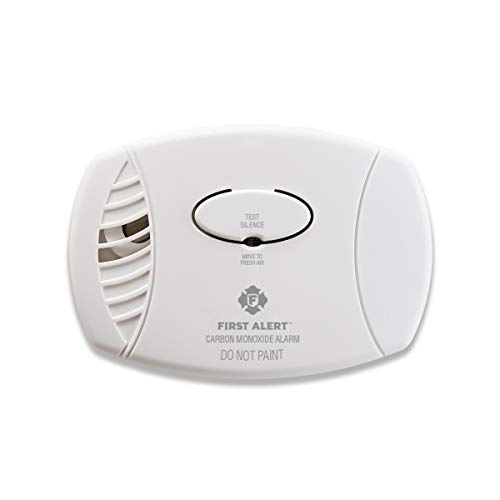 First Alert CO Alarm | Plug-in with battery backup. | Amazon — $21.99 |
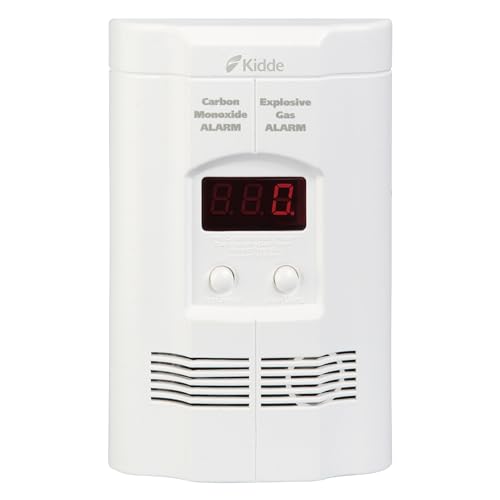 Kidde Nighthawk CO + Gas | Detects CO + natural/propane gas. | Amazon |