Pipe Inspection Camera: What Homeowners Should Know
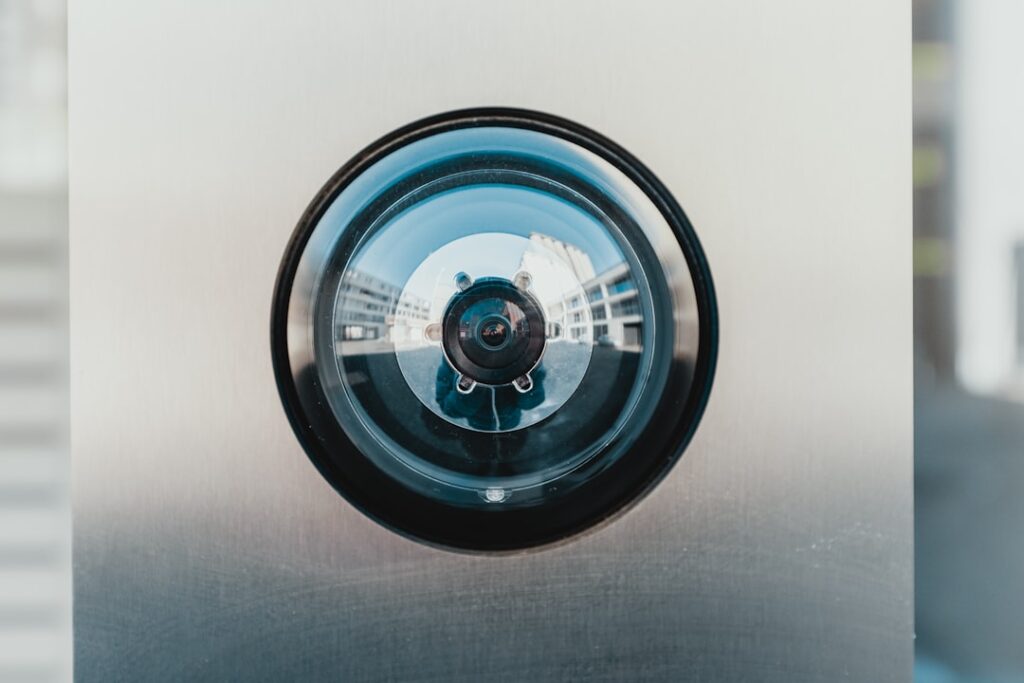
Most of a home’s plumbing hides behind walls, under slabs, and below the yard, which means a problem can fester for months before anyone notices a slow drain or a damp spot. A pipe inspection camera ends the guesswork by sending a waterproof lens directly into the pipe and showing exactly what is happening inside. For a home buyer along the Front Range eyeing an older property, or an owner chasing a recurring backup, this tool turns an expensive mystery into a visible, locatable fact. Knowing how these cameras work and what they can and cannot do helps you decide when to rent one, buy one, or hire a pro.
Part of our Home Inspection Tools guide — start there for the full picture →
What a pipe inspection camera does
A pipe inspection camera is a small, waterproof video camera mounted on the end of a long, flexible cable. An operator feeds the cable into a drain, sewer line, or supply pipe, and a screen displays a live video feed from inside. The result is a direct look at the pipe’s interior, revealing clogs, cracks, corrosion, root intrusion, collapsed sections, and pooling water that signals a belly or sag in the line.
Better systems add two features that transform the footage into actionable information. A built-in light illuminates the dark interior so the camera can see. And many include a locating transmitter, called a sonde, that lets the operator pinpoint the camera’s exact depth and position from above ground. That means a problem found 40 feet down a sewer line can be marked on the lawn within inches, so digging targets one small spot instead of trenching the whole yard.
Common types of pipe inspection cameras
Cameras vary by the size of pipe they serve and the depth they reach. Matching the tool to the job prevents wasted money and frustration.
Drain and sewer cameras
These are the heavy-duty units, built for the larger lines that carry waste out of the house, typically three to six inches in diameter. They use a stiff yet flexible “push rod” cable that can travel a hundred feet or more and usually include a locator. This is the category a plumber reaches for when diagnosing a main-line backup. Homeowners researching this end of the market often compare features in a guide to choosing a sewer camera with a locator before renting or buying.
Borescope and inspection cameras
Smaller, more affordable borescopes use a thin, bendable cable a few feet long. They shine for inspecting tight spaces: behind walls, inside HVAC ducts, under sinks, and into shorter sections of pipe. Many connect to a smartphone over Wi-Fi. They cannot navigate a long sewer run, but for spotting a leak under a vanity or a blockage in a short drain, they are inexpensive and handy.
Pipe-specific and slim cameras
Between the two sit slim push cameras designed for one-and-a-half to three-inch lines, the kind found in kitchen and laundry drains. They balance reach and maneuverability for the mid-size pipes that give homeowners the most everyday trouble.
When homeowners should use a pipe inspection camera
Several situations justify reaching for a camera rather than guessing. Recurring drain backups that return weeks after snaking suggest a deeper structural problem, a collapsed section, root intrusion, or a sagging line, that only a camera can reveal. Slow drains across multiple fixtures point to a main-line issue worth inspecting.
Home buyers benefit enormously. Before purchasing an older home, especially the mid-century houses common across Denver and its suburbs, a sewer scope inspection checks whether the buried main line is sound. Clay pipe, cast iron, and Orangeburg lines in homes built before the 1980s are prone to cracking and root invasion, and replacing a sewer lateral can run many thousands of dollars. A scope before closing is cheap insurance, and it pairs naturally with the other diagnostics covered in a full rundown of home inspection tools.
Owners also use cameras to locate a lost item dropped down a drain, to verify a repair after the fact, and to document a problem for an insurance claim or a seller negotiation. Seeing the pipe is far more persuasive than describing the symptom.
Buying versus renting versus hiring
The right path depends on how often you will use a camera and how complex the job is.
Hiring a professional makes sense for a sewer-line diagnosis. A licensed plumber brings a high-quality camera, a locator, and the experience to interpret murky footage, distinguishing a harmless joint from a true crack. A standalone sewer scope inspection typically costs somewhere in the low hundreds of dollars, and the value lies as much in the interpretation as in the equipment.
Renting suits a one-time project where you are comfortable reading the footage yourself. Many tool-rental outlets and home centers rent drain cameras by the day. Buying a budget borescope under a hundred dollars is reasonable for an owner who wants to peek behind walls or under sinks regularly, but a professional-grade sewer camera with a locator costs well into the thousands, hard to justify for a single home.
Reading the footage and its limits
A camera shows the inside of a pipe, but interpreting what it shows takes practice. Mineral scale, a buildup of grease, and a hairline crack can look similar to an untrained eye on a small screen in cloudy water. Standing water in a low spot may mean a belly in the line, or it may just be a temporary pool. Roots are easier to spot, often appearing as fine white tendrils breaking through a joint.
The camera also has limits. It cannot see through a complete blockage, so the line may need clearing before a full inspection. It does not measure pipe-wall thickness or detect leaks behind intact pipe walls. And without a locator, knowing something is wrong does not tell you where to dig. For supply-side leaks hidden in walls, pairing the camera with other tools, such as an infrared thermometer for spotting temperature clues, often narrows the search faster than the camera alone.
Choosing a quality camera
If you decide to buy, a few specifications separate a useful tool from a frustrating one. Look for adequate cable length for your longest run, a waterproof camera head rated for full submersion, and bright LED lighting. Resolution matters: a sharp image makes the difference between confidently identifying a crack and squinting at a blur. A self-leveling camera head keeps the picture upright as the cable twists.
For sewer work, a built-in locator is worth the premium because it converts a vague diagnosis into a precise dig location. Recording capability lets you save and share footage, useful for second opinions and negotiations. Skip the cheapest no-name units, whose dim lights and grainy images often hide the very defects you are hunting.
What pipe materials are common in older homes
Knowing what your pipes are made of helps you anticipate what a camera might reveal. In homes across the Front Range, the sewer lateral, the pipe carrying waste from the house to the city main, varies by era. Mid-century houses often used clay tile pipe, which is durable but brittle; its joints are a favorite entry point for tree roots, and sections can crack or shift over decades.
Cast iron was common for both drains and sewer lines and corrodes from the inside out, leaving a rough, scaling interior that snags debris and eventually develops holes. Orangeburg pipe, a tar-and-paper product used in some mid-century construction, is notorious for deforming and collapsing as it ages, and finding it on camera usually signals a replacement is coming. Newer homes use PVC or ABS plastic, which resists roots and corrosion but can still suffer from poor installation, bellies, or crushing from shifting soil.
A camera inspection identifies not just the defect but often the pipe material, which shapes the repair recommendation. A cracked clay joint might be cleared and relined, while a collapsing Orangeburg line almost always needs full replacement. That context is part of why professional interpretation adds so much value over a raw video feed.
What the specifications actually mean
Spec sheets for pipe cameras list numbers that look interchangeable until a job exposes the difference. Cable length is the obvious one: a 100-foot reel covers most residential sewer laterals, but a long run to a city main or a deep rural septic line can demand 150 feet or more. Camera-head diameter matters just as much in the opposite direction; a one-inch head navigates a kitchen drain that a larger sewer head cannot enter, while a head too small for a six-inch sewer line wanders off-center and produces a tilted, hard-to-read view.
Resolution and lighting work together. A sharp sensor paired with a bright, adjustable LED ring is what separates confidently spotting a hairline crack from squinting at a gray blur in cloudy water. Glare is the flip side: too much light reflecting off wet pipe walls can wash out detail, so adjustable brightness earns its place. A self-leveling head, which keeps the image upright as the cable twists through bends, spares the operator from mentally rotating every frame. For sewer work specifically, the presence and frequency of the locating sonde, commonly 512 Hz, determines whether the receiver above ground can find the camera at all.
Trenchless repair and what the camera enables
One reason a pipe inspection camera has become so valuable is the rise of trenchless repair methods that depend on knowing exactly where and how a pipe is damaged. Pipe lining, or cured-in-place pipe, inserts a resin-coated liner that hardens into a new pipe inside the old one, avoiding a full excavation. Pipe bursting pulls a new pipe through the path of the old one, fracturing the original outward.
Both methods require an accurate camera survey first, to confirm the line is a candidate and to locate problem areas precisely. Without the camera and its locator, a crew would have to dig blindly or trench the entire run. The inspection turns a potentially disruptive, lawn-destroying repair into a targeted, often trenchless fix, which is part of why the modest cost of a scope pays for itself in avoided digging.
The camera also informs the choice between methods. Lining works only where the host pipe is largely intact and continuous enough to support the new liner, so a survey showing a fully collapsed or badly offset section may rule it out in favor of bursting or open excavation. Knowing the pipe diameter, the number and severity of bends, and the location of any service connections lets a contractor quote accurately and avoid mid-job surprises. Without that footage, a crew prices the worst case or discovers complications after the work begins, both of which cost the homeowner more.
Trenchless methods also have practical limits the camera helps reveal. Sharp bends, multiple service connections, or severe diameter changes can complicate or rule out lining, and the survey exposes those conditions before a crew commits. A homeowner who understands what the footage showed can ask informed questions, whether the line is a lining candidate, where the worst damage sits, and how a repair would access it, rather than accepting a quote on faith. That informed conversation is part of the value a careful camera inspection delivers.
When to call a professional
A simple under-sink leak or a peek behind drywall is well within a homeowner’s reach with an inexpensive borescope. But anything involving the main sewer line, suspected structural pipe damage, or a pre-purchase sewer scope deserves a licensed plumber. They read ambiguous footage correctly, locate defects accurately, and recommend repairs scaled to the real problem rather than the scary-looking one.
For Front Range buyers and owners of older homes, a professional sewer scope is one of the highest-value inspections available, often catching a five-figure repair before it becomes a surprise. The camera is only as good as the eyes reading it, and experience is what turns a video feed into a sound decision.
References
- Home Inspection Standards of Practice — InterNACHI
- How to Care for Your Septic System — U.S. Environmental Protection Agency
- Standard of Practice — American Society of Home Inspectors
Frequently asked questions
What is a pipe inspection camera used for?
It sends a waterproof video camera on a flexible cable into a pipe or drain to reveal clogs, cracks, corrosion, root intrusion, and sagging sections. Homeowners and plumbers use it to diagnose hidden plumbing problems and to scope sewer lines before buying an older home.
How much does a sewer camera inspection cost?
A standalone professional sewer scope inspection typically runs in the low hundreds of dollars. The cost reflects both the equipment and the plumber's skill at interpreting the footage and locating any defect.
Can I rent a pipe inspection camera?
Yes. Many tool-rental outlets and home centers rent drain cameras by the day, which suits a one-time job if you are comfortable reading the footage. For a sewer-line diagnosis, hiring a professional is usually the better value.
What can't a pipe inspection camera detect?
It cannot see through a full blockage, measure pipe-wall thickness, or find leaks behind intact pipe walls. Without a built-in locator it also cannot tell you where to dig, only that a problem exists somewhere along the line.
Borescopes & inspection cameras
A borescope lets you see inside walls, ducts, drains, and crawlspaces without opening anything up.
| Product | Why | Buy |
|---|---|---|
 DEPSTECH Wireless Borescope DEPSTECH Wireless Borescope | Wi-Fi to your phone; semi-rigid cable. | Amazon — $39.99 |
 Teslong Dual-Lens Borescope Teslong Dual-Lens Borescope | Side + front view; good for ducts. | Amazon — $149.99 |
 Ridgid micro CA-150 Ridgid micro CA-150 | Rugged handheld with screen. | Amazon — $292.55 |