Industrial Inspection Camera: What Homeowners Should Know
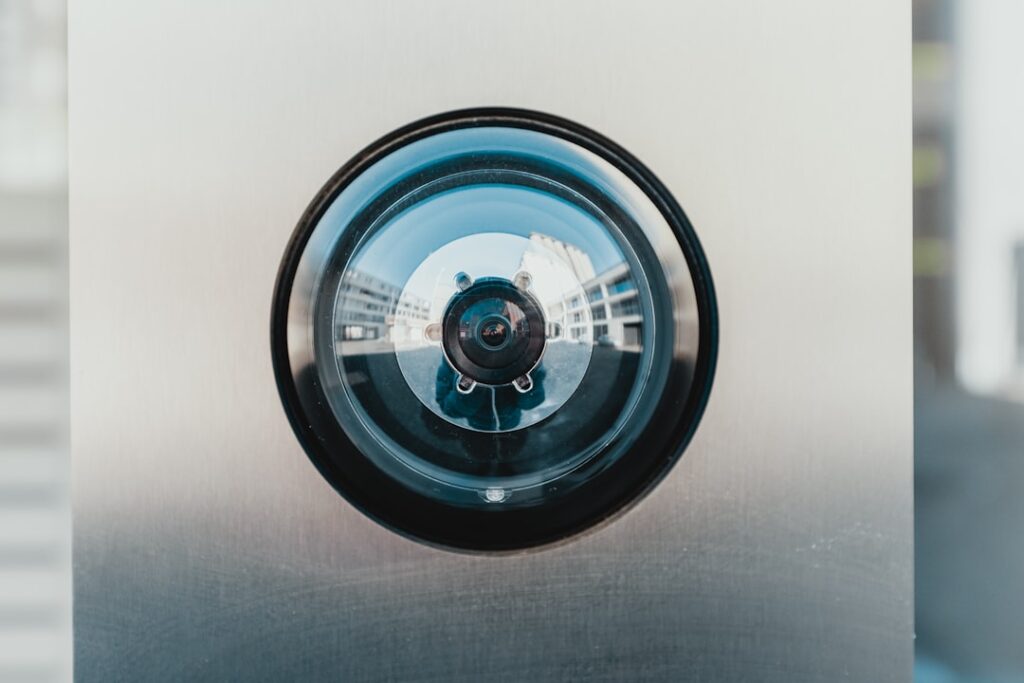
An industrial inspection camera is, at its core, a borescope built to a tougher standard, a camera on a flexible or rigid probe designed to look inside places people cannot, but engineered for daily professional use rather than the occasional homeowner peek. The same family of tool helps an inspector check a chimney flue, a mechanic examine an engine cylinder, and a plumber survey a drain. This guide explains what separates an industrial-grade inspection camera from a consumer model, what its specs mean, and where that ruggedness is worth paying for around a home.
What is an industrial inspection camera?
An industrial inspection camera is a video borescope optimized for demanding environments and repeat use. Like any borescope, it places a small camera and light source at the end of a probe and streams the image to a screen, letting you inspect confined, dark, or hazardous spaces without dismantling them. The “industrial” label signals a build that survives heat, moisture, chemicals, dust, and constant handling.
The applications are the familiar ones, scaled up in difficulty. Technicians use them to inspect engine internals, turbine blades, weld seams inside pipes, HVAC ductwork, and machinery that cannot be taken apart for a look. The principle matches a phone borescope; the difference is everything around the camera, the cable, the screen, the controls, and the durability. Our plain-language borescope guide covers the basic concept these industrial tools build on.
It is worth stressing that the underlying optical idea has not changed in decades; what has changed is the supporting hardware. The earliest industrial borescopes were purely optical, glass and mirrors down a rigid tube. Modern video units replaced the eyepiece with a tiny sensor at the tip and a screen at the handle, which is what made flexible, steerable, recordable inspection possible. An industrial camera is the mature, ruggedized expression of that evolution, while a phone borescope is the cheapest possible version of the same idea.
Where industrial inspection cameras are used
The professional applications explain why these tools are built the way they are. In manufacturing and aviation, inspectors use them for non-destructive testing, examining turbine blades, engine internals, and weld seams inside pipes and pressure vessels without cutting anything open. A flaw found this way can prevent a catastrophic failure, so image clarity and reliability are paramount.
In the trades, plumbers run them through drains and sewer lines, HVAC technicians inspect ductwork and heat exchangers, and automotive mechanics check cylinder walls and hard-to-reach assemblies. In facilities and utilities, they survey conduits, tanks, and machinery that would be costly or dangerous to dismantle. The common thread is that all of these involve repeat, demanding use in dirty or hot environments, which is exactly the workload a consumer scope cannot survive. Understanding that workload makes the price premium on industrial units make sense.
How an industrial camera differs from a consumer one
The gap between a cheap phone borescope and an industrial unit shows up in a handful of concrete ways.
Build and sealing
Industrial cameras carry higher ingress-protection ratings, meaning the probe and often the whole unit resist water, oil, and dust. They tolerate temperature extremes and rough handling that would kill a consumer model. For a tool dunked in engine oil or fed through a hot duct daily, that sealing is the difference between a season of use and a single job. The IP rating printed on the spec sheet is the quick shorthand for this, and it is one of the first numbers a professional checks before trusting a scope in a wet or dirty environment.
Articulation
Better industrial scopes offer steerable tips, where a joystick or dial bends the camera head to aim around corners and look at a surface squarely. Cheap units have a fixed forward view, forcing you to fight the cable to aim. Articulation turns blind probing into deliberate inspection, and it is often the single feature that most separates a professional experience from a frustrating one, because it lets you examine the side wall of a pipe or the far face of an obstruction instead of only what happens to lie straight ahead.
Image quality and controls
Industrial units pair higher-resolution sensors with adjustable, brighter lighting and dedicated screens with measurement, zoom, and recording. The ability to capture and annotate images for a report matters in professional work, where the inspection has to be documented, not just glanced at.
Probe options
Industrial systems often accept interchangeable probes of different diameters and lengths, plus accessories like mirror tips and hooks for retrieval. That flexibility lets one tool serve many jobs, where a consumer unit is locked to its single fixed probe.
Durability under repeat use
Beyond sealing, industrial units use strain-relieved connectors, tougher cable jackets, and components rated for many thousands of insertions. A consumer scope’s cable and connector are the first things to fail under daily abuse, while an industrial tool is engineered to survive being pushed, pulled, and dragged through grime for years. For a professional, that reliability is the whole point, because a tool that dies mid-job costs far more than its purchase price in lost time.
The specs worth understanding
A few numbers decide whether a given camera fits a task. Probe diameter governs where it fits; a smaller head reaches tighter spaces but usually carries a lower-resolution sensor. Cable length sets reach, but longer cable is harder to control, so the right length is the shortest one that does the job. Articulation range, the degrees the tip can bend, determines how well you can aim around obstacles. Ingress rating tells you what fluids and dust the probe survives. And lighting adjustability matters more than megapixels, because confined spaces are dark and a too-bright LED washes out a close subject.
Resolution is worth keeping in perspective. A 1080p sensor is ample for most inspection work, and headline pixel counts rarely improve a dim close-up. Sealing, articulation, and light control affect real-world results more than the number on the box. Our comparison of endoscope versus borescope sorts out the related terminology you will run into while shopping.
Rigid, flexible, and video borescopes
Inspection cameras come in a few mechanical styles, and the right one depends on the path to what you want to see.
Flexible video borescopes
The most versatile and the most common in trade work, these have a bendable probe that snakes around corners and obstacles, with the better units adding a steerable tip. They suit drains, ductwork, and engine bays where the path twists. The flexibility that makes them useful also makes them harder to push and aim than a rigid tool.
Rigid borescopes
A rigid borescope is a straight, stiff tube, often delivering superior optical clarity because it can use precision lenses rather than a fiber or chip at the tip. It excels at straight-line inspections, like looking down a bore or into a straight port, but it cannot navigate bends. Our guide on the rigid borescope covers where that straight-line clarity wins.
Articulating systems
High-end industrial units combine a flexible probe with a joystick-controlled articulating tip and interchangeable optics, giving the navigation of a flexible scope with deliberate aiming. These are the documentation-grade tools used in aviation and heavy industry, and their cost reflects that capability.
Does a homeowner need an industrial inspection camera?
For most homeowners, no. A consumer borescope handles a one-time look into a wall cavity, a drain, or behind an appliance perfectly well, and the industrial features, ruggedization, articulation, interchangeable probes, are overkill for occasional use. Paying for an industrial unit to find a dropped ring once is wasted money that could buy a moisture meter and a cheap thermal scope with cash to spare, a combination that solves more household problems than an expensive borescope ever would.
The exceptions are the people who inspect for a living or who do enough mechanical and trade work that a tool gets used hard and often. A working home inspector, an HVAC tech, or a serious DIYer with a busy shop benefits from the durability and the steerable tip, because a fixed-view consumer scope frustrates on repeat jobs and fails under abuse. The home inspection tools guide helps weigh whether your use justifies the step up.
There is also a middle tier worth knowing about. Between the throwaway phone borescope and the heavy industrial system sits a class of prosumer scopes, sealed reasonably well, offering a basic steerable tip and a decent screen, at a price a serious homeowner can stomach. For someone who inspects their own properties or does regular mechanical work but is not a full-time professional, that middle tier often hits the sweet spot, delivering most of the practical benefit without the industrial price tag.
How inspection cameras fit a home inspection
A home inspector uses an inspection camera as a non-destructive way to see into chimneys, behind built-ins, into wall cavities at suspected leak points, and into ductwork, often the spots a thermal camera or moisture meter flagged first. The borescope confirms with a direct image what another tool only suggested, and a steerable, well-lit industrial-grade unit gives a cleaner, document-ready view than a wobbly consumer one.
A standard inspection is non-invasive, so the inspector reaches these spaces through existing access, an unused flue, a cleanout, an attic hatch, a panel opening, rather than drilling into finished surfaces. That constraint is exactly why a flexible, steerable probe earns its keep: it lets the inspector navigate from an accessible opening to the area of concern without damaging the home. The image it returns is then read alongside the moisture and thermal data, never in isolation, which is the disciplined way a professional builds a conclusion from several tools rather than one picture.
That layered approach, thermal or moisture tool to find the suspect area, then a camera to look, is how inspectors reach conclusions without tearing a house apart. The image is one input, read in the context of training and the other findings. Our guide on borescope inspection cameras covers how that confirmation step plays out in practice.
Renting versus buying
For a homeowner with a one-time need that a cheap consumer scope cannot meet, renting an industrial-grade camera is often the smart middle path. A rental gives you the articulation, sealing, and image quality of a professional unit for the duration of a specific job, a tricky sewer survey or an awkward cavity inspection, without the cost of ownership and storage.
Buying makes sense only when the use is frequent enough to justify it. A working inspector or a busy tradesperson uses the tool weekly and benefits from owning a reliable, document-ready unit. A homeowner who needs one twice a decade does not. Our borescope rental guide walks through when renting beats buying, and it usually does for occasional household needs.
How to choose the right inspection camera
Match the tool to the actual job rather than to the most impressive spec sheet. Decide first on the path: a straight bore favors a rigid scope, while a twisting drain or duct needs a flexible one, ideally with a steerable tip if you must inspect side walls. Then size the probe to the smallest opening you need to enter, and choose the shortest cable that reaches, since excess length only makes steering harder.
Confirm the ingress rating covers the fluids and dust the probe will face, and prioritize adjustable lighting and a usable screen over headline resolution. Finally, decide whether you need to document findings; if the inspection has to be recorded for a report or a client, image capture and annotation matter, which is a feature gap that often separates a true industrial unit from a consumer toy. Getting these few choices right matters far more than the brand on the housing.
References
- Standards of Practice for Home Inspections — InterNACHI
- Building Inspection Resources — International Code Council
- Detecting Air Leaks in the Home — U.S. Department of Energy
- A Brief Guide to Mold, Moisture and Your Home — U.S. Environmental Protection Agency
Borescopes & inspection cameras
A borescope lets you see inside walls, ducts, drains, and crawlspaces without opening anything up.
| Product | Why | Buy |
|---|---|---|
 DEPSTECH Wireless Borescope DEPSTECH Wireless Borescope | Wi-Fi to your phone; semi-rigid cable. | Amazon — $29.99 |
 Teslong Dual-Lens Borescope Teslong Dual-Lens Borescope | Side + front view; good for ducts. | Amazon — $143.99 |
 Ridgid micro CA-150 Ridgid micro CA-150 | Rugged handheld with screen. | Amazon — $178.59 |