Portable Inspection Camera: What Homeowners Need to Know
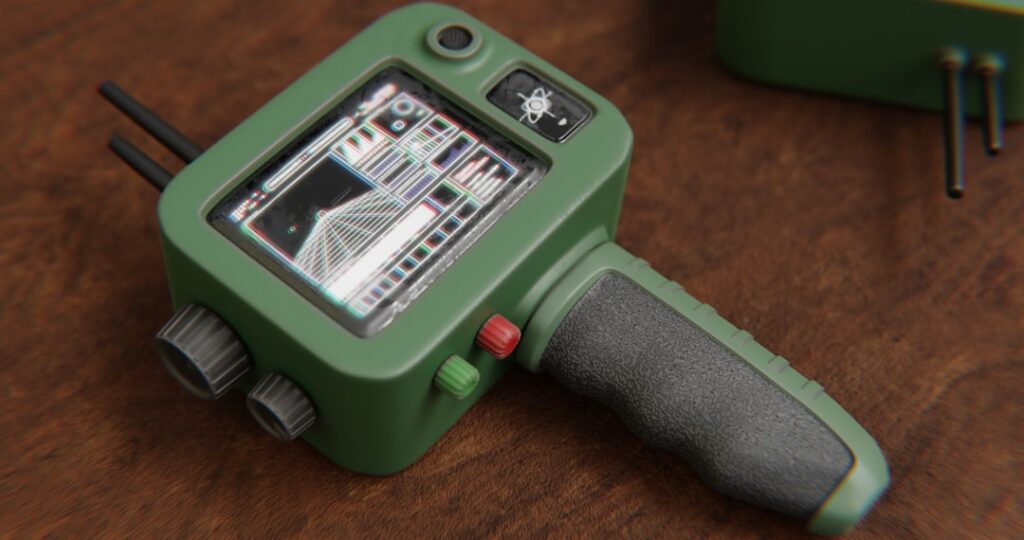
A “portable inspection camera” is a handheld diagnostic tool with a small camera at the end of a flexible probe and an integrated screen for viewing what the probe sees. The category overlaps with the broader borescope market but emphasizes one specific feature: the screen is part of the unit, not a separate device or phone you have to connect. Homeowners, mechanics, HVAC technicians, plumbers, and home inspectors all use them. The buying decision depends on probe diameter, probe length, image quality, recording capability, and durability. This guide walks through the features that actually matter, the dominant brands in the 2026 market, and where the cheaper offerings cut corners.
What a portable inspection camera does
The basic design has three parts: a camera head with integrated LED illumination at the end of a flexible probe, a probe of varying length (typically 1 to 3 meters), and a handheld console with a screen (typically 2.4 to 4.3 inches) plus controls. The user inserts the probe into a cavity, behind a wall, into pipework, under a vehicle, or through a small access hole, and sees on the screen what the camera sees.
The applications are broad. HVAC technicians inspect duct interiors and equipment compartments. Plumbers check drain lines and trap interiors. Mechanics look into cylinders, transmission cases, and other inaccessible spaces. Home inspectors look inside wall cavities through small drilled access holes, into attic spaces too tight to enter, and behind built-in cabinetry. Homeowners use them for less specialized work — finding lost objects in cavities, checking refrigerator coils, looking into chimney flues, and inspecting under sinks and behind appliances.
Key specifications to evaluate
Probe diameter
Probe diameter is the limiting factor on what cavities the camera can enter. Common diameters: 17 mm (general purpose, will not fit into small holes), 8.5 mm (typical “fits in a 1/2-inch drilled hole”), 5.5 mm (small openings, automotive cylinder inspection), 3.9 mm (true small-access work). Smaller probes cost more, produce lower image quality at a given price tier, and are more fragile. Match the probe diameter to your typical access size; do not buy smaller than you need.
Probe length
Common probe lengths are 1 meter (3 feet, sufficient for most wall-cavity and HVAC work), 1.5 meters (most popular general-purpose length), 3 meters (drain-line inspection, attic work, long pipe runs), and 10 meters (specialty plumbing scopes). Longer probes are harder to maneuver and more expensive. Most home inspection and HVAC use is covered by 1 to 1.5 meter probes.
Image quality and sensor
Camera resolution at the probe tip varies from VGA (640 by 480, common in budget tools) to 1280 by 720 HD on premium tools. Resolution matters less than illumination and lens quality for typical uses, because the cavity being inspected is usually small enough that low resolution is sufficient. LED illumination intensity at the probe tip is often the more important spec — dim LEDs produce useless images in dark cavities.
Articulation
Articulating probes have a small flexible joint near the tip that the user can steer in two or four directions with a joystick or thumb-wheel. Articulation lets the user look around inside a cavity without moving the entire probe. Articulation roughly doubles the cost of a tool versus a similar non-articulating model. For routine wall-cavity inspection, non-articulating is acceptable. For mechanical inspection inside complex assemblies, articulation is worth the cost.
Recording and connectivity
Most modern inspection cameras record video and capture stills to internal storage or a microSD card. Higher-end tools include Wi-Fi or USB-C connectivity for transferring recordings to a phone or computer. Recording capability is important for inspectors who need to document findings for clients.
Dominant brands and models in 2026
Klein Tools ET450 / ET350
The Klein ET450 is a popular mid-tier portable inspection camera among electricians and general contractors. Probe diameter 9 mm, probe length 1 meter, 3.5-inch screen, simple operation. Klein’s reputation in the electrical-trade market drives sales; the optics are adequate rather than excellent. Price around $200. The ET350 is a similar tool at a slightly lower price tier.
FLIR VS70
The FLIR VS70 is a higher-end professional inspection camera with interchangeable probes. The base unit accepts probes in different diameters, including 6 mm and 8.5 mm options. The 5.7-inch screen is large for the category. Articulation is available on some probe configurations. Recording is built in. Price approximately $1,200 to $1,500 depending on probe kit, putting it in the working-pro tier.
Milwaukee 2310-21 / 2317-21
Milwaukee’s inspection cameras leverage the M12 battery platform. The 2310-21 is a basic single-camera tool at around $200; the 2317-21 adds dual cameras (forward-facing plus side-view) and articulation at around $400. Milwaukee’s strong dealer presence in the trades makes these tools easy to acquire and service.
Ridgid Micro CA-330 / CA-350
Ridgid (the SeeSnake brand) plays heavily in plumbing inspection but also sells smaller handheld scopes. The Micro CA-330 at around $300 and CA-350 at around $400 compete directly with the Milwaukee and Klein offerings. Probe lengths and diameters vary; check the specific model.
Depstech, Teslong, Vividia, Anesok
The lower-cost end of the market is filled with Chinese-manufactured brands sold heavily on Amazon. Prices range from $30 to $150. Image quality, durability, and warranty support vary widely. These tools are reasonable for occasional homeowner use; they typically do not survive daily professional service.
What to look for and what to skip
Useful features that justify their cost: adequate LED illumination (look for tools with multiple LEDs at the probe tip, not just one), screen brightness sufficient for outdoor use, probe quality that resists kinking and cracking, water resistance on the probe (most are rated for water resistance on the probe but not the console — confirm specifications), and recording with timestamp metadata.
Features often marketed but less useful in practice: ultra-high resolution sensors (the limiting factor in cave imaging is illumination and lens, not sensor resolution); built-in measurement tools (the geometry inside cavities rarely permits accurate measurement); 360-degree probe rotation (useful in some mechanical work, marginal in wall-cavity inspection).
Borescope vs portable inspection camera
The terms overlap. “Borescope” originally meant a rigid optical tube used for industrial inspection of bores and cylinders. The category expanded to include flexible-probe video tools, and in modern usage the words are often interchangeable. The distinction this article emphasizes is the screen: portable inspection cameras have integrated screens, while many entry-level borescope-style products are USB or wireless probes that require a phone or laptop for viewing.
Integrated-screen tools are more convenient and rugged but cost more. Phone-tethered tools are cheaper, lighter, and offer larger display real estate on the phone, but depend on the phone for power and a working app. Trade-off: pick based on your tolerance for app failure and your need to operate without a phone tethered.
Internal context and related reading
For broader homeowner orientation on home inspection tools, our hub on home inspection tools walks through the entire category. Readers focused on the borescope side of the same question should also see borescope inspection, which covers methodology and probe-insertion techniques.
Use case scenarios
Home inspection
Home inspectors use portable inspection cameras to verify findings without invasive demolition. A drilled 1/2-inch access hole into a wall cavity admits an 8.5 mm probe; the inspector can verify the presence or absence of mold, water staining, insulation, or framing damage. The image plus measurement context (depth of probe insertion) goes into the inspection report.
HVAC service
HVAC technicians inspect evaporator coils, blower wheels, duct interiors, and equipment compartments. The compact probe reaches into spaces where direct visual inspection requires disassembling sheet metal. Findings can drive recommendations for cleaning, sealing, or component replacement.
Plumbing
Plumbers use longer-probe inspection cameras (3 meters and up) for drain-line inspection. The category overlaps with dedicated sewer-scope tools, which use longer probes (15 to 30 meters) and self-leveling cameras. For under-sink and trap-area work, a 1-meter scope is usually sufficient.
Automotive and mechanical
Cylinder inspection during engine work, transmission-case inspection, fuel-tank inspection, and similar tasks call for small-diameter probes (5.5 mm and below) and often articulation. Premium mechanical-shop tools in this category run $1,000 and up.
Care and durability
The probe is the most failure-prone part. Coiling the probe in a tight loop, kinking it during storage, or applying excessive lateral force during insertion all damage the internal wires and optics. Store the probe in its provided cradle or in a loose coil at least 12 inches in diameter. Wipe the probe clean after use and avoid solvents. Keep the LED window clear; oils and dust accumulate quickly and dim the illumination.
Pricing summary
Entry-level homeowner tools: $30 to $80, suitable for occasional use, expect probe failure within months of regular service. Mid-tier general-purpose tools: $150 to $300, suitable for trade use, two to five year service life under regular use. Professional articulating tools: $500 to $1,500, suitable for daily inspection use, includes recording and connectivity. Specialty articulating tools with interchangeable probes: $1,500 to $3,000+, used in regulated industries and mechanical workshops with daily heavy use.
Real-world residential use cases
Homeowners reach for an inspection camera in a few recurring scenarios. Finding the source of a small water stain on a ceiling by inserting the camera through an existing recessed-light opening rather than cutting drywall. Verifying that wall cavities behind a remodeled bathroom contain the expected insulation and no hidden damage. Checking refrigerator coils and condenser fans for accumulated dust without disassembling the appliance. Inspecting chimney flues for creosote accumulation before scheduling sweep service. Locating a lost ring or earring that fell down a sink drain or vanity gap.
None of these uses justify a $1,500 professional tool. A $40 to $150 mid-tier camera covers the homeowner scenarios well. Save the higher-end tools for trade and inspection use where image quality, durability, and documentation features earn back the cost over many uses.
Phone-app integration
Many inspection cameras pair with smartphone apps via Wi-Fi or USB-C. The app displays the live image on the phone screen, allows recording to the phone’s storage, and shares files through standard phone-sharing tools. App-tethered tools cost less than equivalent standalone-screen tools but depend on the phone for power and a working app. App quality varies widely; cheap brands often ship apps that drop connections, lag noticeably, or stop receiving updates.
Working professionals typically prefer standalone-screen tools because the integrated console is more reliable than phone tethering. The integrated tool works in damp environments, in direct sun, and in locations without a phone (some commercial sites prohibit phones for security reasons). Homeowners who already use their phone for everything often find app-tethered tools convenient and cost-effective for occasional use.
Software for recorded data
Inspection cameras that record to internal storage or microSD typically output standard MP4 video and JPEG stills. The files transfer to a computer via USB cable or card reader. Inspection-management software (HomeGauge, Spectora, ISN, HouseMaster) handles photo and video annotation, report generation, and client delivery. Trades-specific software for HVAC, plumbing, and electrical work integrates camera output into service tickets and invoices.
Standardize file naming and folder structure for any inspection work that will be referenced later. Date-prefix filenames make chronological sorting trivial. Subfolders for each project or property keep documentation organized. Cloud backup protects against device loss or storage failure. These habits cost little time and pay back across many inspections.
References
- InterNACHI Inspection Camera Reference — International Association of Certified Home Inspectors
- ASHI Inspector Resources — American Society of Home Inspectors
- DOE Home Energy Assessment Guidance — U.S. Department of Energy
- ICC International Codes — International Code Council
Borescopes & inspection cameras
A borescope lets you see inside walls, ducts, drains, and crawlspaces without opening anything up.
| Product | Why | Buy |
|---|---|---|
 DEPSTECH Wireless Borescope DEPSTECH Wireless Borescope | Wi-Fi to your phone; semi-rigid cable. | Amazon — $39.99 |
 Teslong Dual-Lens Borescope Teslong Dual-Lens Borescope | Side + front view; good for ducts. | Amazon — $159.99 |
 Ridgid micro CA-150 Ridgid micro CA-150 | Rugged handheld with screen. | Amazon — $330.67 |