Industrial Borescope Inspection Camera: A Guide
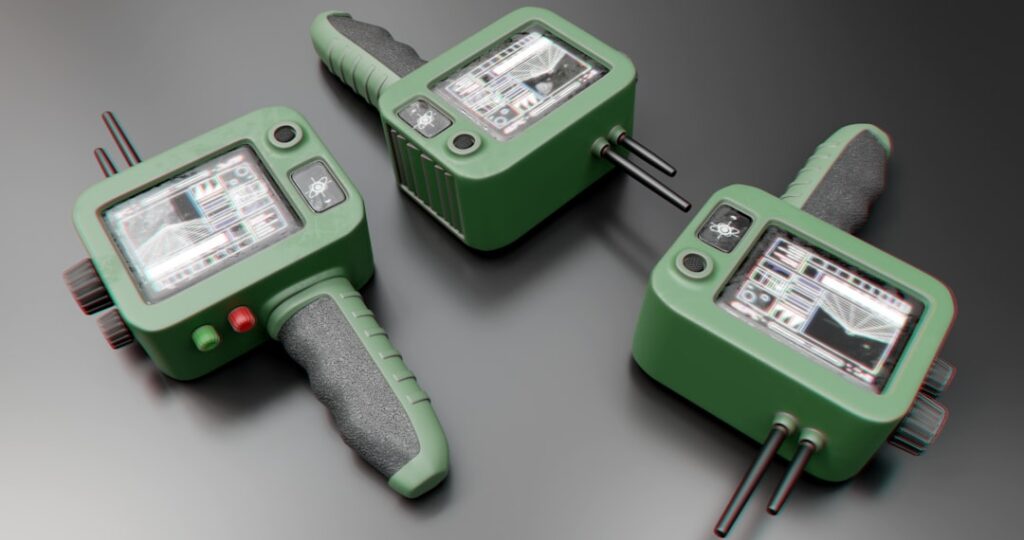
An industrial borescope inspection camera is a thin, flexible (or rigid) probe with a camera and light at its tip, used to see inside spaces too small or too dangerous to reach by hand. While the “industrial” label suggests engine bores and pipelines, the same tools are increasingly used in home inspection to look inside walls, ducts, drains, and crawlspaces without cutting anything open. This guide explains what these cameras do, the specifications that separate a useful tool from a frustrating one, realistic prices, and where they fit in a home inspection workflow.
Part of our Home Inspection Tools guide — start there for the full picture →
What an Industrial Borescope Inspection Camera Does
A borescope extends your vision into confined, enclosed, or hazardous spaces. The probe carries a tiny camera and LED illumination to the inspection point, and the live image displays on an attached screen, a phone, or a tablet. “Industrial” units are built tougher than consumer toys — better optics, durable probes, IP-rated water resistance, and articulating tips on higher-end models that let the operator steer the camera around bends.
For building work, the appeal is non-destructive access. Instead of cutting a hole to check a wall cavity for moisture, pests, or wiring, an inspector slips a slim probe through an existing gap. The Standards of Practice that InterNACHI and ASHI publish describe inspection as primarily visual; a borescope simply extends what’s visually accessible. Our broader home inspection tools guide places it alongside thermal cameras and moisture meters as a diagnostic aid rather than a standalone test.
The Specifications That Actually Matter
Probe diameter
The most consequential spec. Diameters commonly range from about 3.9 mm to 8 mm or 9 mm. A slim 5.5 mm probe fits through small drilled holes and tight spaces; a thicker probe is more durable but needs a larger opening. For wall-cavity and machinery work, 5.5 mm to 8 mm is a practical range.
Resolution and sensor
Camera resolution determines image clarity. Entry probes manage 640×480, while better units capture 1080p or higher. Higher resolution matters when you’re reading fine detail — a hairline crack, a corrosion pattern, a part number stamped inside a cavity.
Probe length
Common lengths run from 1 meter up to 5 or even 10 meters on specialized units. Longer probes reach deeper into ducts and drains but become harder to push and steer. Match length to the typical job; excess cable is awkward in tight residential work.
Articulation
Basic borescopes have a fixed tip; advanced industrial units offer two-way or four-way articulation, letting the operator actively steer the camera around corners. Articulation dramatically increases capability and cost.
Lighting, focus, and waterproofing
Adjustable LED brightness prevents washout in reflective spaces. A reasonable depth of field keeps near and mid objects sharp. An IP67 waterproof probe is essential for drain and plumbing inspection. Dual or side-view cameras on some models show what’s ahead and to the side simultaneously.
Connectivity and display
Options range from a dedicated handheld screen to Wi-Fi units that stream to a phone. Wi-Fi models like the Klein Tools ET20 WiFi borescope trade a bit of latency for the convenience of using a phone as the display and recorder.
Price Tiers and Examples
Consumer ($30–$120)
Basic Wi-Fi or USB borescopes with 5.5–8 mm probes and 1080p sensors. Adequate for occasional homeowner peeks behind a wall or down a drain, but flimsier and without articulation.
Prosumer and trade ($150–$600)
Units from Milwaukee, Klein, and similar brands with sturdier probes, better optics, and useful accessories. The Milwaukee M12 borescope fits here, integrating with a tool battery platform that contractors already own.
Industrial ($1,000–$10,000+)
Articulating videoscopes from makers like Olympus and Hawkeye, with high-resolution sensors, measurement features, and rugged construction for turbine, pipeline, and aerospace work. The Olympus borescope line illustrates this professional tier. These are far beyond residential needs but define what “industrial” truly means.
Home Inspection Use-Cases
Several inspection problems are well suited to a borescope. Checking a wall cavity for hidden moisture, mold, or pest activity through a small hole avoids opening the wall. Inspecting ductwork for debris, disconnections, or biological growth is straightforward with a long flexible probe. Examining drain and sewer lines for blockages or root intrusion — using a waterproof probe — can reveal problems a surface inspection misses. Looking inside chimneys, behind built-in cabinetry, or into inaccessible mechanical chases all become possible without demolition.
A borescope complements other tools rather than replacing them. A thermal camera flags a cool area suggesting moisture; the inspector drills a discreet hole and confirms with a borescope and a moisture meter. That layered approach produces evidence rather than guesswork.
Limitations to Understand
Borescopes only show what the probe can physically reach and what the light illuminates. Image quality drops in large open cavities where the LED can’t reach the far surface, and a fixed-tip probe can’t see around an obstruction. They reveal visible conditions only — a borescope can show staining that looks like mold but can’t identify the species or confirm moisture content without a separate meter. Pushing a probe blindly risks snagging on wiring or insulation. And consumer-grade units often disappoint on durability, with fragile cables and dim lighting. Setting expectations prevents the common frustration of buying a cheap unit and concluding the whole tool category is useless.
Buying Criteria Summary
For home use, prioritize a 5.5–8 mm probe, at least 1080p resolution, a waterproof IP67 rating if you’ll inspect drains, adjustable lighting, and a probe length matched to your typical reach (1–2 meters covers most residential work). Articulation is a luxury most homeowners can skip but professionals doing duct and mechanical work will value. If you already own a cordless tool platform, a battery-compatible model saves money. For occasional use, a sub-$100 Wi-Fi unit is reasonable; for repeated professional work, invest in trade-grade build quality.
Resolution, Field of View, and Depth of Field
Three optical specs shape what you actually see through a borescope. Resolution, covered earlier, governs fine detail. Field of view (FOV) describes how wide an area the lens captures — a wider FOV (say 70 to 120 degrees) shows more of a cavity at once and helps with orientation, while a narrower FOV magnifies a smaller area for detail. Depth of field describes the range of distances that stay in acceptable focus; many fixed-focus probes are optimized for objects a few centimeters from the tip, which suits close inspection inside pipes and cavities but blurs distant surfaces in a large open space.
For home work, a moderately wide FOV with a fixed focus tuned to short range covers most tasks — wall cavities, ducts, and drains are inspected close-up. When evaluating a unit, look past the resolution headline to whether the lens suits the distances you’ll work at; a high-resolution sensor with a focus range mismatched to your task still produces disappointing images. Side-view and dual-camera tips, available on better units, expand what a single probe can examine by letting you look forward and sideways without withdrawing and reinserting. Matching these optical traits to the inspection turns a borescope from a novelty into a genuinely useful diagnostic tool.
Borescope vs Endoscope vs Inspection Camera
The terms get used loosely, and clearing them up helps buyers shop. Technically, a borescope is an optical instrument for inspecting bores and enclosed spaces, originally rigid and used in machining and firearms. An endoscope is the same idea applied to medical use inside the body. An “inspection camera” or “videoscope” is the modern digital version most homeowners actually buy — a flexible probe with a digital camera and LED feeding a screen or phone. In everyday retail, these labels overlap heavily, and a $60 “endoscope camera” and a $60 “borescope” are usually the same class of tool.
What matters more than the label is the spec set: probe diameter, resolution, length, waterproofing, lighting, and whether it articulates. A product calling itself an “industrial inspection camera” should back that claim with rugged construction, an IP-rated probe, and decent optics, not just the word “industrial” on the box. Our guide to the best endoscope camera compares specific consumer and prosumer units, and the same evaluation criteria apply regardless of which of these three names a seller chooses.
Rigid vs Flexible vs Articulating Probes
Borescopes come in three mechanical styles, and choosing the right one depends on the path to the target. Rigid borescopes use a straight tube and offer the sharpest optics, ideal for straight-line access to a bore or chamber but useless around corners. Flexible borescopes bend to follow a winding path through a duct, drain, or wall cavity, trading some optical clarity for reach; this is the most common style for building work. Articulating videoscopes add operator-controlled tip steering — two-way or four-way — so the camera can actively look around an obstruction once it is in place.
For most home inspection tasks, a flexible probe handles the job. Articulation becomes valuable when you need to inspect a specific feature inside a complex space, such as examining a particular weld inside machinery or steering around a baffle in a duct. The added mechanism raises cost substantially, which is why articulating scopes dominate the industrial tier and rarely appear in consumer units. Our overview of borescope accessories covers the mirror tips, hooks, and magnets that extend a basic probe’s usefulness without full articulation.
Lighting, Image Quality, and Recording
Lighting is where cheap and capable borescopes diverge most. The LEDs at the probe tip are the only light source inside a dark cavity, so adjustable brightness is essential — too little and the image is murky, too much and reflective surfaces wash out. Better units let you dial the light to match the space. Image quality also depends on the sensor: a 1080p camera resolves the part numbers, hairline cracks, and corrosion textures that a 640×480 sensor smears.
Recording capability matters for inspection documentation. Units that capture stills and video — to an SD card, internal memory, or a connected phone — let you save evidence for a report, a repair quote, or a negotiation. Wi-Fi models stream to a phone app that doubles as the display and recorder, though they introduce slight latency that can make precise probe steering feel laggy. For anyone producing inspection findings rather than just taking a quick look, on-board recording is worth prioritizing over a marginally cheaper view-only unit.
Field Technique for Cleaner Results
Even a good borescope produces poor results in untrained hands, so a few habits help. Feed the probe slowly and never force it; a snag can be wiring, insulation, or a fragile component you do not want to disturb. Keep the lens clean — a smear of dust or moisture ruins the image, and many probes accept a quick wipe before insertion. Use the smallest entry hole that admits the probe, especially in finished walls, so any drilling stays discreet and easy to patch.
Plan the path before inserting. Know roughly where the target is and what lies between you and it, so you are not pushing blindly through a cavity that contains wiring or plumbing. When inspecting drains or wet areas, confirm the probe is rated waterproof to its full insertion length, not just at the tip. These techniques separate a useful inspection from a frustrating one and protect both the home and the tool.
When to Call a Professional
Hire a professional when the inspection target is consequential or hard to reach — a suspected sewer-line break, hidden moisture behind a finished wall before a purchase, or duct contamination affecting indoor air. Professionals carry higher-resolution articulating scopes, know how to maneuver a probe without causing damage, and pair the borescope with thermal imaging and moisture metering to confirm what the camera suggests. For a quick look down a visible drain or behind an accessible panel, a consumer borescope is fine; for evidence that will drive a repair or negotiation, professional equipment and interpretation matter.
References
- Standards of practice for home inspections — InterNACHI
- Standards of practice for home inspectors — ASHI
- Confined-space inspection safety — OSHA
Frequently asked questions
What is an industrial borescope inspection camera used for?
It is a probe with a camera and light that lets you see inside confined or enclosed spaces without opening them. Uses include wall cavities, ductwork, drains, chimneys, and machinery, providing non-destructive visual access.
What probe diameter should I choose?
For most home work, 5.5 mm to 8 mm balances reach and durability. Slimmer probes fit smaller holes, while thicker ones resist damage but need a larger opening. Match the diameter to the spaces you inspect most.
How much does a good borescope cost?
Consumer Wi-Fi units run $30 to $120, trade-grade models from Milwaukee or Klein run $150 to $600, and articulating industrial videoscopes from Olympus or Hawkeye start around $1,000 and climb well past $10,000.
Can a borescope detect mold or moisture?
It can show visible staining or growth, but it cannot identify mold species or measure moisture. Confirm suspected moisture with a separate moisture meter, since a borescope only provides a visual image.
Borescopes & inspection cameras
A borescope lets you see inside walls, ducts, drains, and crawlspaces without opening anything up.
| Product | Why | Buy |
|---|---|---|
 DEPSTECH Wireless Borescope DEPSTECH Wireless Borescope | Wi-Fi to your phone; semi-rigid cable. | Amazon — $29.99 |
 Teslong Dual-Lens Borescope Teslong Dual-Lens Borescope | Side + front view; good for ducts. | Amazon — $149.99 |
 Ridgid micro CA-150 Ridgid micro CA-150 | Rugged handheld with screen. | Amazon — $290.06 |