Bore Inspection Camera: What Homeowners Need to Know
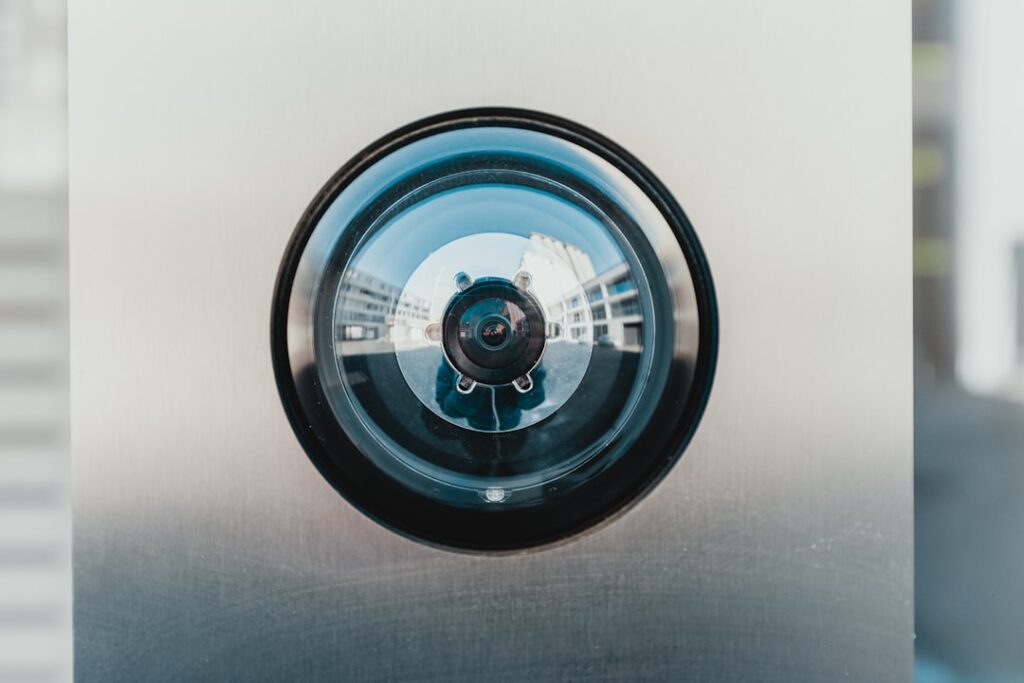
The phrase “bore inspection camera” returns search results from two different worlds. Residential homeowners use the term for inspection cameras that thread into plumbing, wall cavities, or HVAC ducts. Firearms enthusiasts use the same phrase for slim cameras that inspect the rifling inside a gun barrel during cleaning. The hardware overlaps in some cases and diverges in others. This guide covers the residential use cases primarily, notes the firearms overlap so readers find the right category for their need, and explains how to choose a camera that matches the inspection. Reference manufacturer specifications and ICC and NFPA standards for any plumbing or fire-related inspection planning.
Part of our Home Inspection Tools guide — start there for the full picture →
Two distinct meanings of “bore inspection camera”
In residential contexts, the term is synonymous with “borescope” or “inspection camera.” It refers to a flexible cable with a small camera at the tip, often with LED illumination, that threads into tight or enclosed spaces and transmits live video to a screen or smartphone. In firearms contexts, the term refers to a specialized rigid or semi-flexible probe (commonly 0.20 to 0.50 inches in diameter) that inspects the rifling, throat, and chamber of a gun barrel for fouling, wear, or pitting. The firearms category overlaps with residential consumer borescopes in some cases, but high-end firearms bore scopes use specialized optics and lighting tuned for the geometry of a rifled barrel.
Residential use cases
The main residential applications are plumbing inspection, wall-cavity inspection, HVAC duct inspection, automotive cylinder inspection, and tight-space inspection (behind appliances, inside walls, inside drains, inside ductwork). A bore inspection camera lets a homeowner look at conditions that would otherwise require removing a wall, pulling an appliance, or hiring a plumber to run a service camera. Most residential cameras have flexible cables three to fifteen feet long with cable diameters between 0.20 and 0.45 inches, which fits most household pipe and access situations.
Plumbing applications
A bore inspection camera in plumbing work is often used to inspect drain lines for blockages, root intrusion, broken pipes, or grease buildup. The camera threads through a cleanout opening or a removable trap, follows the pipe interior, and shows the operator what is downstream. Most residential plumbing camera tips are 0.30 to 0.45 inches in diameter to navigate 1.5-inch and 2-inch drain lines. Smaller-diameter cameras work in supply lines and water-heater inlets. ICC plumbing code references describe the access-point requirements that determine where a homeowner can introduce a camera without cutting into the line.
HVAC and ductwork applications
Inspection cameras with longer cables (eight to fifteen feet) and steerable or semi-articulating tips work well for HVAC ducts. The camera enters through a register or an inspection panel and travels through the duct interior, revealing dust buildup, mold, debris, disconnected duct sections, and damaged insulation. ASHRAE indoor-environmental references discuss the role of duct inspection in maintaining indoor air quality. NADCA-credentialed duct cleaners use specialized inspection cameras as part of their standard workflow, but a homeowner with a consumer camera can do preliminary scoping before deciding whether to contract professional cleaning.
Wall-cavity inspection
Looking inside a wall typically requires drilling a small access hole (three-eighths to one inch) and threading the camera through. The camera reveals framing, insulation, wiring, plumbing, and any pest, mold, or moisture problems concealed in the cavity. Wall-cavity inspection is one of the most useful residential applications because the alternative — opening the wall — is destructive and expensive. Our broader home inspection tools hub covers wall-cavity workflow in more detail, and our best borescopes guide compares specific product categories for residential use.
Firearms bore scope applications
A firearms bore scope is a specialized tool designed for inspecting the interior of a rifle, pistol, or shotgun barrel. The probe diameter matches the bore (commonly 0.22, 0.27, 0.30 caliber, or larger), and the illumination and optics are designed to see the rifling lands and grooves clearly. Bore-scopes show fouling buildup, copper or lead deposits, pitting, throat erosion, and cleaning effectiveness. Consumer borescopes with thin probe diameters can substitute in some cases, but the dedicated firearms tools produce better-illuminated and better-focused images of the barrel interior. This guide covers the firearms category briefly so readers searching for the residential meaning understand they have arrived at the right page.
Camera specifications that matter
Five specifications drive image quality and usability. Cable diameter determines what spaces the camera fits into; 0.20 to 0.30 inches handles most tight spaces, 0.40 to 0.45 inches handles drain lines. Cable length matters for how far into a duct or pipe the camera reaches; eight to fifteen feet covers most residential situations. Resolution at the sensor (commonly 720p to 1080p on modern cameras) determines how clear the image is. LED illumination brightness affects what the camera can see in dark cavities. Articulation (single-direction, dual-direction, or four-way) determines whether the camera can navigate turns. Single-direction tips are cheapest, four-way tips are most maneuverable, dual-direction is the common middle ground.
Smartphone-paired versus dedicated-screen cameras
Two display options dominate the market. Smartphone-paired cameras transmit video via Wi-Fi or USB to a phone app, which displays and records the feed. The smartphone replaces a dedicated screen, which keeps the camera cheaper and the bundle lighter. Dedicated-screen cameras include a built-in LCD on the handle, which works without a smartphone and avoids Wi-Fi or app reliability issues but adds bulk and cost. Smartphone-paired models suit homeowners who own a recent phone and prefer the convenience. Dedicated-screen models suit users who want a self-contained tool that works without a phone present.
Recording and documentation
Most modern cameras record video or capture still images. Documentation matters when the inspection result might inform a contractor’s scope or an insurance claim. Save the video file, screenshot any key frames, and label the recording with date, location, and what the cavity or pipe was. A homeowner inspecting a drain line before calling a plumber arrives at the appointment with footage that lets the plumber price the work accurately, which often shortens the visit and reduces guesswork. Our best inspection cameras guide covers recording capabilities by category.
Price tiers and what they buy
Consumer bore inspection cameras range from $30 to $400 for most residential models. The $30 to $60 tier covers basic single-direction cameras with short cables and modest resolution; useful for occasional household use. The $80 to $150 tier covers most common needs: dual-direction articulation, 720p to 1080p resolution, smartphone or built-in screen, eight-to-fifteen-foot cables. The $200 to $400 tier covers four-way articulation, higher resolution, longer cables, and ruggedized casings. Professional plumbing service cameras with 100-foot cables, sonde locators, and self-leveling heads run $1,500 to $5,000 and are usually rented rather than purchased.
Use-case mismatches to avoid
Buying a camera that does not match the intended use leads to frustration. A four-foot cable will not navigate a typical drain line cleanout. A 0.45-inch cable will not enter a half-inch wall hole. A smartphone-paired model with weak Wi-Fi will lose connection inside a metal duct. A single-direction tip cannot navigate the bends in a typical drainpipe. Listing the intended use case before buying and matching the camera specs to that use case avoids the most common mismatches. For homeowners with multiple intended uses, the $80 to $150 tier with dual-direction articulation and an eight-foot cable usually covers the widest range.
When a bore inspection camera reaches its limit
A homeowner camera handles preliminary scoping, simple drain inspections, and wall-cavity investigations. It does not replace a professional plumbing service camera for long sewer lateral inspections, a NADCA-credentialed duct cleaner for full duct surveys, or a credentialed mold inspector for cavity-sample collection. The homeowner camera identifies whether a problem exists; the professional service identifies the scope and produces documentation that holds up in commercial transactions. Combining a homeowner camera with a professional follow-up usually produces better outcomes than either alone.
Cable construction and durability
Inspection-camera cables come in two common constructions. Semi-rigid cables (steel or fiberglass wrapped in soft plastic) hold their bent shape, which helps thread the camera around corners without losing the path. Fully flexible cables drape and follow gravity, which suits drain-line work where the cable falls into pipes naturally. Cheaper cables can kink or develop signal loss with repeated bending; better cables tolerate hundreds of bend cycles before failing. The cable connector at the handle and at the camera tip is a common failure point. Cameras with replaceable cables cost more upfront but extend the tool’s life because the cable can be swapped without buying a new camera. Front Range homeowners using inspection cameras in cold weather should also check the operating temperature range; some consumer cameras stiffen significantly in temperatures below freezing, which makes threading into outdoor drains or unheated crawlspaces harder.
Lighting and image clarity in dark spaces
Camera tips include LED illumination because the spaces being inspected are usually pitch dark. LED count and brightness affect what the camera sees. Two to six LEDs is standard; some cameras include a dimmer to reduce glare on shiny surfaces like new copper pipe or sheet metal. Reflective surfaces close to the camera tip can wash out detail without adjustable lighting. Cameras with dimmable illumination cost slightly more but produce more usable images in mixed conditions. Image quality also depends on the camera’s autofocus or fixed-focus design. Fixed-focus cameras at common consumer price points focus at roughly two to eight inches from the tip; objects closer or further may appear blurry. Autofocus cameras handle a wider range but add cost.
Maintenance and cleaning
Inspection cameras work in dirty environments. The camera tip picks up grease, mineral deposits, paint, and biological residue depending on the inspection. Clean the tip after each use with a soft cloth and mild detergent; harsh solvents can damage the lens coating. Coil the cable loosely for storage rather than wrapping tightly, which extends the cable’s flexible life. Replace the tip cover or accessory cap when not in use to protect the lens from impact damage. A camera that lasts five years of regular use returns far more value than a cheaper model replaced annually because of cable failure or lens damage.
Accessory tips and attachments
Many cameras include accessory tips that change the inspection angle or function. A side-view mirror clipped onto the camera tip lets the homeowner see at right angles to the cable direction, which is useful for inspecting pipe interiors where the wall to either side matters more than the direction of travel. A magnet tip recovers dropped screws or other ferrous items from drains and tight spaces. A hook attachment retrieves non-magnetic items. These accessories add minimal cost and dramatically expand what the camera can do. Consider buying a camera that includes the accessory kit rather than purchasing a bare camera and adding accessories separately, which usually costs more overall.
Sonde locators and pipe tracking
Professional plumbing service cameras include a sonde, a small electromagnetic transmitter at the camera tip that emits a signal a handheld locator can detect from outside the pipe. The technician traces the camera position from above ground, which is valuable when a buried sewer line needs digging or when a clog location must be marked. Consumer cameras rarely include sondes because the locator hardware is expensive. A homeowner investigating a sewer line who needs to mark the dig location should rent or hire a sonde-equipped service rather than relying on a consumer camera that lacks the locator capability.
References
- ICC International Plumbing Code References — International Code Council
- InterNACHI Plumbing Inspection Reference — International Association of Certified Home Inspectors
- ASHRAE HVAC Standards — American Society of Heating, Refrigerating and Air-Conditioning Engineers
- NFPA Code References for Building Inspection — National Fire Protection Association
Frequently asked questions
What is a bore inspection camera?
In residential use, the term is synonymous with borescope or inspection camera: a flexible probe with a small camera at the tip that threads into pipes, wall cavities, ducts, or other enclosed spaces. In firearms use, the term refers to specialized probes for gun-barrel inspection.
How much does a bore inspection camera cost?
Consumer residential cameras run $30 to $400. The $80 to $150 tier covers most household needs. Professional plumbing service cameras with 100-foot cables and sonde locators run $1,500 to $5,000.
What is the difference between a bore camera and a borescope?
The two terms describe the same residential category in most contexts. Manufacturers and retailers use both interchangeably. In firearms contexts, bore scope refers specifically to a barrel-inspection tool with optics tuned for rifling.
Can I use a household camera to inspect a gun barrel?
Consumer thin-cable borescopes can produce usable images of larger-caliber barrels, but the illumination and focus of dedicated firearms tools produce clearer results. For serious barrel work, a firearms-specific bore scope is the right tool.
Borescopes & inspection cameras
A borescope lets you see inside walls, ducts, drains, and crawlspaces without opening anything up.
| Product | Why | Buy |
|---|---|---|
 DEPSTECH Wireless Borescope DEPSTECH Wireless Borescope | Wi-Fi to your phone; semi-rigid cable. | Amazon — $39.99 |
 Teslong Dual-Lens Borescope Teslong Dual-Lens Borescope | Side + front view; good for ducts. | Amazon — $149.99 |
 Ridgid micro CA-150 Ridgid micro CA-150 | Rugged handheld with screen. | Amazon — $292.55 |