Olympus Borescope: What Homeowners Should Know
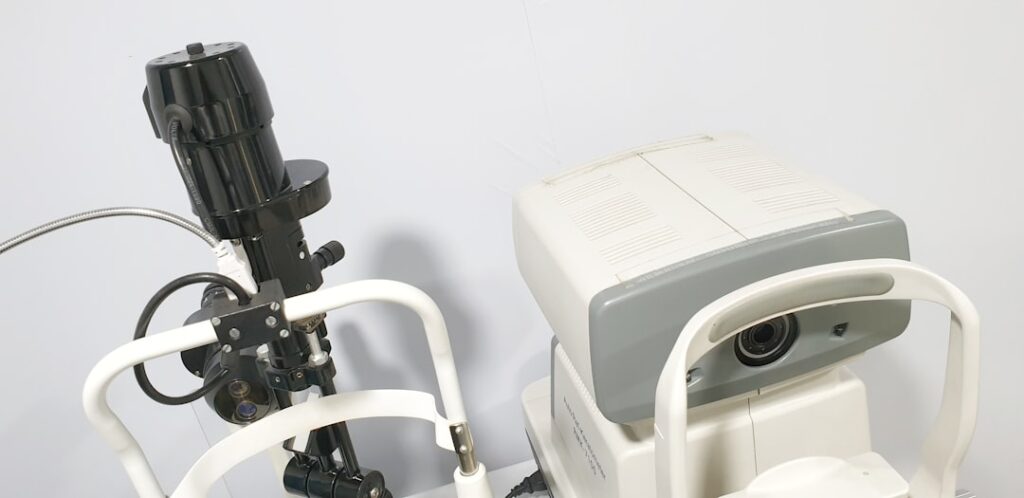
The Olympus borescope name carries weight because it sits at the industrial end of the visual-inspection market, where the tools are videoscopes built for aircraft engines and pipelines rather than weekend projects. For a homeowner or a working inspector, understanding what that pedigree buys, and what it costs, prevents both overspending and disappointment. This overview summarizes manufacturer specifications and trade-body guidance current as of 2026, and explains where these instruments fit alongside the gear an inspector already carries, covered in our home inspection tools guide.
Part of our Home Inspection Tools guide — start there for the full picture →
What an Olympus borescope is
An Olympus borescope is a professional remote visual inspection device, most often a videoscope, that threads a long flexible insertion tube tipped with a camera and LED illumination into spaces a person cannot see directly. The image returns to a handheld display. Olympus (its industrial inspection line now operates under Evident) built its reputation in aerospace, power generation, and manufacturing quality control, where finding a hairline crack inside a turbine blade is the whole job.
That heritage shows in the engineering. The flagship IPLEX series offers high-resolution sensors, articulating tips that steer through bends, interchangeable optical adapters, and software that measures defect dimensions on screen. These are not the $80 phone-camera scopes sold for clearing drains; they are instruments that run into five figures.
The distinction between a borescope and a videoscope is worth drawing, because the Olympus name spans both. A traditional borescope relays an image through optics or a fiber bundle to an eyepiece. A videoscope places a tiny image sensor at the tip of the insertion tube and sends the picture electronically to a display. Olympus industrial products are predominantly videoscopes, which is why they can articulate, record, and measure. For a buyer, the practical effect is that a videoscope steers around bends and captures findings, where a simpler optical borescope only looks straight ahead through glass.
Key specifications that matter
When comparing videoscopes, a handful of specs separate a professional tool from a toy. Knowing them helps decode any product sheet.
- Insertion tube diameter: Olympus industrial scopes commonly range from about 2.4 mm to 6.0 mm. Smaller tubes reach tighter passages; larger tubes carry better optics and more light.
- Working length: Often 2 to 10 meters on IPLEX models, far beyond the 1 meter typical of consumer scopes.
- Articulation: Professional tips steer in two or four directions, frequently to 130 degrees or more, so the operator aims the camera around corners.
- Resolution and sensor: High-pixel-count CCD or CMOS sensors deliver detail a consumer scope blurs.
- Illumination: Bright LED or laser-diode light sources, with adjustable output for dark cavities.
- Measurement: Stereo and scan measurement functions size a defect without removing the part.
The combination of a steerable tip, long reach, and on-screen measurement is what justifies the price for an industrial buyer.
Image quality on these scopes also depends on the sensor’s dynamic range and the quality of the illumination, not just raw pixel count. A high-end videoscope balances exposure across a scene that mixes bright reflective metal with dark recesses, so detail survives in both, where a cheap scope blows out the highlights and loses the shadows. For grading a defect, that even exposure matters as much as resolution, which is part of what separates instruments at this tier from consumer cameras that simply count megapixels.
Home-inspection use cases
Most home inspectors do not need an IPLEX, but the same category of tool earns its place in several inspection tasks. A flexible borescope lets an inspector look inside a wall cavity through a small opening to check for moisture damage, pest activity, or missing insulation without opening the wall. It can travel a sewer or drain line to spot a clog or root intrusion, peer into an HVAC plenum or duct run, and inspect a chimney flue for cracks or creosote.
The discipline of looking before cutting aligns with how ASHI and InterNACHI frame non-invasive inspection. A scope confirms a suspicion that a moisture meter or thermal camera first raised. For the more affordable end of this category, our overview of a flexible borescope covers the tools a typical residential inspector actually buys.
There are also tasks where industrial-grade capability genuinely matters even in a residential context. Inspecting a long, winding sewer lateral for a hairline crack, documenting the condition of an inaccessible structural connection inside a wall, or examining a complex HVAC assembly can exceed what a consumer scope resolves. In those cases the articulation and image quality of an Olympus-class videoscope produce a clearer record, which is why some specialized sewer-scope and commercial-inspection firms invest in the tier even though a typical single-family report does not require it. The honest question is frequency: a tool used twice a year rarely justifies a five-figure purchase, while a firm running daily sewer or industrial inspections may recover the cost quickly.
How an inspector reads what the scope shows
Owning the tool is only half the skill; interpreting the image is the rest. A borescope reveals discoloration, debris, cracks, corrosion, and standing water, but distinguishing active moisture from an old stain, or a structural crack from a cosmetic surface line, takes judgment. The camera offers no depth measurement on basic models, so an inspector estimates scale from known references in the frame. This is why trade bodies treat scope findings as observations that often warrant a follow-up by a specialist trade rather than a final diagnosis, and why the written report should describe what was seen rather than overstate what it proves.
Pricing tiers
Olympus-class industrial videoscopes occupy the top tier. A new IPLEX system can run from roughly $10,000 into the tens of thousands depending on tube length, articulation, and measurement options. Used or older-generation units sometimes appear on the secondary market for less, but service and accessory support matter at this level.
For context, a mid-tier professional borescope from another industrial brand might land in the low thousands, while consumer wifi borescopes sell for $40 to $200. The Olympus tier makes sense for aviation, industrial NDT, or specialized commercial inspection work, not for routine residential reports. A home inspector weighing the spend should ask honestly how often a job truly requires industrial reach and measurement.
Measurement: the feature that defines the tier
On-screen measurement is the capability that most separates an Olympus-class videoscope from everything cheaper, and it is worth understanding. Using stereo or scan-based optical adapters, the instrument captures the geometry of a defect and lets the operator measure its length, depth, or area directly on the display, without removing the part. For an aircraft engine or a turbine, that means grading a crack against a published tolerance to decide whether a component stays in service, which is a decision with safety and financial weight. No consumer scope offers this; they show an image and leave sizing to guesswork. For residential work the function is rarely needed, since a home inspector documents the presence of a problem rather than measuring it to a thousandth of an inch, which is another reason the industrial tier overshoots typical home use.
How it compares to alternatives
Two comparisons frame the decision. Against a Milwaukee borescope, the contrast is stark: the Milwaukee M12 line is a tradesperson tool priced in the low hundreds with a fixed or lightly steerable tip and modest resolution, ideal for an electrician or plumber checking a run. The Olympus offers articulation, reach, and measurement the Milwaukee cannot, at roughly fifty times the price.
Against a Klein Tools wifi borescope, the gap is wider still. The Klein streams to a phone and costs well under $100, suiting a homeowner clearing a drain or checking behind an appliance. It has no articulation, limited resolution, and no measurement. The Klein answers “is there a clog,” while the Olympus answers “how deep is this crack inside a casting.” Buyers comparing the consumer end can review our best inspection camera guide.
Reach, articulation, and tip control in practice
What separates an industrial videoscope from a consumer scope in daily use is control. A four-way articulating tip lets the operator drive the camera around a bend, hold it against a surface, and survey a chamber wall methodically, rather than blindly pushing a fixed camera and hoping it points the right way. Combined with insertion-tube lengths of several meters, this turns inspection of long ducts, deep wall cavities, and extended drain runs into a controlled process. The trade-off is a learning curve: steering a scope well takes practice, and a poorly handled tube can knot or jam inside a passage, which is both a damage risk and a retrieval headache.
Optical adapters extend the versatility further. Forward-viewing tips look straight ahead, side-viewing adapters examine bore walls, and close-focus or stereo adapters support measurement. Swapping adapters lets one instrument serve several inspection geometries, which is part of what the price buys. For a residential inspector, none of this is necessary for a quick look behind a wall, but for the specialized commercial work the tier targets, the control and adaptability are the entire point.
Calibration, maintenance, and limitations
Industrial videoscopes require care that consumer scopes do not. The insertion tube is the most failure-prone component; bending it past its rated radius or forcing it through debris damages the steering and optics. Measurement functions rely on calibrated optical adapters that must be matched and periodically verified for accurate sizing. The light source and battery need routine checks before field use.
Limitations matter too. A borescope of any tier sees only what light reaches; it cannot detect moisture behind an intact surface the way a meter does, and it cannot reveal temperature differences the way a thermal camera does. It is a confirmation and access tool, not a stand-alone diagnostic. Used within that role, and respecting OSHA guidance on safe access to confined or energized spaces, it adds reach that no other instrument provides.
Routine maintenance extends an expensive instrument’s life considerably. The insertion tube should be inspected for kinks and abrasion before and after each use, the objective lens kept clean, and the articulation tested gently rather than forced. Storing the scope coiled at a generous radius in its case, away from heat and grit, prevents the slow damage that shortens an industrial scope’s service life. None of this is burdensome, but neglecting it on a five-figure tool is an expensive mistake.
Battery and software support are practical considerations at this tier. Industrial videoscopes use proprietary batteries and firmware, and a unit several generations old may no longer receive software updates or replacement insertion tubes, which can strand an otherwise functional instrument. Buyers eyeing used Olympus or Evident equipment should confirm that parts, service, and adapters remain available before committing, because a damaged insertion tube on an unsupported model can cost as much as a whole consumer scope to repair.
Who should consider this tier
The Olympus class fits a narrow but real audience. Aviation maintenance, power generation, manufacturing quality control, and industrial nondestructive testing depend on the reach, articulation, and measurement these scopes provide. Within the inspection trade, specialized sewer-scope operators and commercial building inspectors who scope ductwork and structural cavities daily can justify the investment through volume. A typical residential home inspector, by contrast, is far better served by a sub-$300 flexible or wifi scope that handles the occasional wall, drain, or duct look. Matching the tool to how often the job truly demands industrial capability is the whole decision, and for most homeowners the answer points well below the Olympus tier.
References
- Standards of Practice — International Association of Certified Home Inspectors
- Standard of Practice — American Society of Home Inspectors
- Confined Spaces Safety — Occupational Safety and Health Administration
Frequently asked questions
Is an Olympus borescope worth it for home inspection?
For routine residential work, usually not. Olympus-class industrial videoscopes run from roughly $10,000 upward and are built for aviation and industrial NDT. Most home inspectors are well served by a flexible borescope or wifi scope costing a fraction of that.
What makes Olympus borescopes so expensive?
Articulating steerable tips, long insertion tubes of several meters, high-resolution sensors, bright light sources, and on-screen measurement functions that size a defect without removing the part. These features matter for industrial inspection but are overkill for most homes.
How does an Olympus borescope compare to a Milwaukee or Klein scope?
The Milwaukee M12 and Klein wifi scopes are tradesperson and homeowner tools priced in the low hundreds or under $100, with little or no articulation and modest resolution. The Olympus adds steering, reach, and measurement at many times the cost.
What can a borescope inspect in a home?
Wall cavities through a small hole, sewer and drain lines, HVAC ducts and plenums, and chimney flues. It confirms findings a moisture meter or thermal camera first flagged, but it only sees what light reaches and cannot detect hidden moisture or temperature on its own.
Borescopes & inspection cameras
A borescope lets you see inside walls, ducts, drains, and crawlspaces without opening anything up.
| Product | Why | Buy |
|---|---|---|
 DEPSTECH Wireless Borescope DEPSTECH Wireless Borescope | Wi-Fi to your phone; semi-rigid cable. | Amazon — $39.99 |
 Teslong Dual-Lens Borescope Teslong Dual-Lens Borescope | Side + front view; good for ducts. | Amazon — $149.99 |
 Ridgid micro CA-150 Ridgid micro CA-150 | Rugged handheld with screen. | Amazon — $285.79 |