Buying a Flipped House: Red Flags and What to Inspect
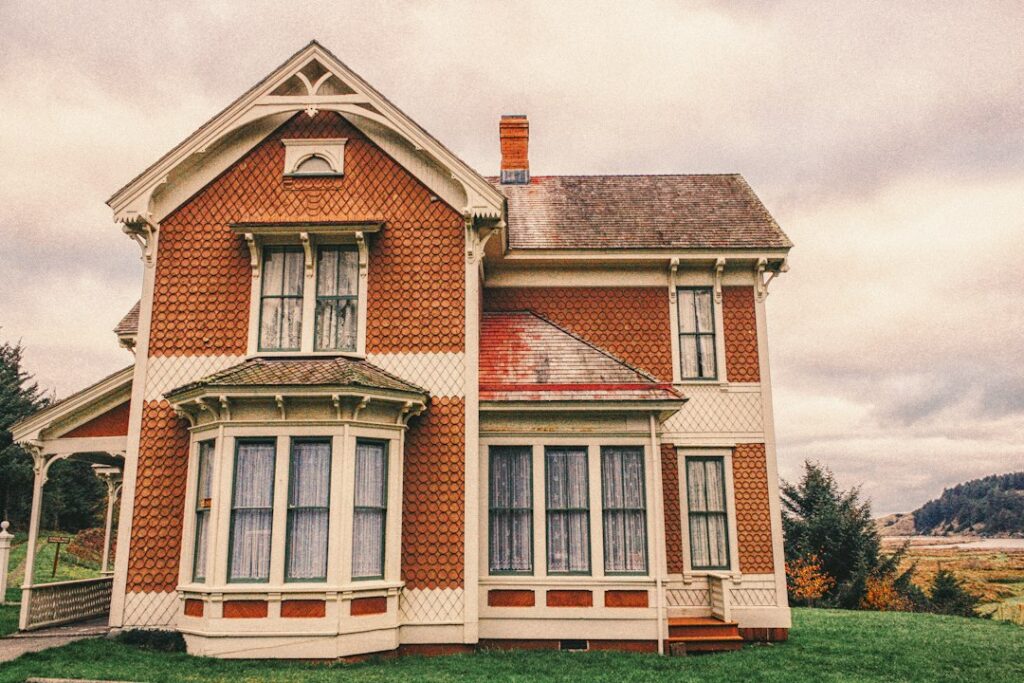
A freshly flipped house can look like the perfect listing: new floors, new paint, a remodeled kitchen with quartz counters and a bathroom that photographs beautifully. Many flips are done well by investors who fix the real problems along with the visible ones. Others are designed mainly to look good for a quick sale, with fresh finishes covering an old roof, tired mechanical systems, unpermitted wiring or water damage. House flipping is a business that rewards speed and cost control, and those incentives can work against the buyer if the inspection is rushed or the paperwork is not checked. This guide explains how to approach a flipped home as a buyer: the cosmetic cover-ups inspectors often find, how to check permits with the local building department, the federal lead-safe rules that apply to flippers working on older homes, which systems deserve a closer look, and what the extra due diligence typically costs. Rules and prices vary by jurisdiction; treat the figures here as general 2026 context.
Part of our Home Inspections Explained guide — start there for the full picture →
What to Know Before Buying a Flipped House
A flipped house is a property bought, renovated and resold within a relatively short period, usually by an investor rather than an owner-occupant. Signs that a listing is a flip include a recent purchase in the public records, a price well above that prior purchase, a vacant property staged for sale, and a listing that emphasizes new finishes throughout.
None of that is a problem in itself. The key differences between a flip and a typical resale are:
- Limited seller history. The investor may have owned the house for only a few months and may know little about how it performs through a season of storms, freezes or snowmelt.
- Concentrated renovation. A large amount of work was done quickly, often by several trades, sometimes with mixed oversight.
- Visible vs. invisible priorities. Budgets often favor finishes buyers notice over systems they do not.
- Disclosure limits. Seller disclosures reflect what the seller knows. An investor who never lived in the house may disclose little.
The inspection is the buyer’s main tool for seeing past the staging. Our guide to what a home inspection covers explains the scope of a standard visual inspection and its limits.
Cosmetic Cover-Ups Inspectors Find
Inspectors who see many flips tend to report a similar pattern: new surfaces over old problems. Common examples include:
- Fresh paint over water stains. New ceiling paint can hide staining from roof leaks or plumbing above. Moisture meters and thermal imaging, where the inspector uses them, can sometimes reveal damp areas that look clean.
- New flooring over damaged subfloor. Luxury vinyl plank or laminate installed over soft, uneven or water-damaged subfloor, especially in bathrooms and kitchens.
- Caulk and trim hiding gaps. Heavy caulk around tubs, windows and baseboards can conceal movement, rot or poor fit.
- Covered foundation cracks. Fresh paint, parging or finished basement walls over cracks that show up again after a season. Our guide to foundation cracks explains which patterns warrant an engineer.
- New fixtures on old pipes. Shiny faucets and toilets connected to galvanized supply lines or deteriorating drains.
- New covers on old panels. Updated devices and cover plates on wiring that was extended or modified without a permit.
- Air fresheners and fans. Odor masking in basements and crawlspaces where moisture or sewer gas is a concern.
An inspection cannot see through finished walls, and inspectors do not remove finishes. What they can do is notice the signals: new paint only on one section of ceiling, flooring that flexes, doors that do not latch, and patterns that suggest something underneath.
Unpermitted Work and How to Check Permits
Unpermitted work is one of the most common concerns with flips. Permits matter because they usually trigger inspections by the building department at key stages, such as rough electrical and plumbing before walls are closed. Without them, no one outside the flipper’s team may have looked at the work before it was covered.
How to Check
- Ask the seller. Request a list of all work performed, the contractors involved and copies of permits and final inspection sign-offs.
- Search public records. Many Front Range cities and counties offer online permit lookups by address. Others require a records request to the building department.
- Compare scope with permits. A new kitchen with relocated plumbing, a new bathroom, a finished basement or a replaced electrical panel typically requires permits in most jurisdictions. If extensive work appears with no matching permit, ask why.
- Check for finals. An open permit that was never finaled may mean the work was never inspected at completion.
Permit requirements vary by jurisdiction and type of work, so the local building department is the definitive source. Unpermitted work does not always mean poor work, but it shifts risk to the buyer: insurers may question it, the next buyer’s inspector may flag it, and legalizing it later may require opening walls. The same permit questions come up with smaller projects; our guide to deck permits shows how they surface at sale.
Home inspectors generally do not determine permit status or code compliance. The ASHI Standard of Practice, for example, lists compliance with codes, regulations and ordinances among the items inspectors are not required to determine. Checking permits is the buyer’s and agent’s job.
Lead-Safe Rules Apply to Flippers
Many flips are older homes, and older homes often have lead-based paint. The EPA’s Lead Renovation, Repair and Painting (RRP) program page states that the RRP rule requires anyone paid to perform work that disturbs painted surfaces in homes built before 1978 to be certified and their employees trained in lead-safe work practices. It explains that the rule generally does not apply to homeowners doing projects in their own pre-1978 homes, but that it does apply if you buy, renovate and sell homes for profit, which EPA identifies as a house flipper.
The EPA’s page for RRP contractors lists covered activities, including remodeling and repair, electrical work, plumbing, painting preparation, carpentry and window replacement, and notes that firms cannot advertise or perform covered renovation activities in pre-1978 homes without firm certification. It also describes exclusions, such as housing built in 1978 or later and minor work that disturbs six square feet or less of paint per room inside or 20 square feet or less outside.
For a buyer, this suggests a few practical questions on any pre-1978 flip:
- Was the renovation firm lead-safe certified, and can the seller provide the firm’s name?
- Were windows, trim or walls disturbed during the renovation?
- Was any cleaning verification or lead dust testing performed after the work?
Sellers of pre-1978 homes also have disclosure duties. The EPA’s lead-based paint disclosure rule requires sellers and agents to provide information about known lead-based paint and hazards before a contract is signed and gives buyers a 10-day opportunity for a lead paint inspection or risk assessment unless the parties agree otherwise. A lead paint inspection or dust testing can be especially relevant where extensive renovation has occurred. Older flips may also contain asbestos in materials that were disturbed during demolition; see asbestos testing cost.
Systems to Inspect Closely on a Flip
A flip’s finishes are new; the question is what else is. Buyers should ask for the age of each major system and have the inspector focus attention accordingly.
Roof
Roofs are expensive, and some flips keep the existing covering. Check age, layers, flashing and attic evidence of leaks. New shingles laid over an old layer can hide deck problems.
Electrical
Look for panel age and type, service size relative to new loads such as a bigger kitchen or added air conditioning, and DIY-style wiring in basements and attics. Older homes may still have knob-and-tube wiring hidden behind new drywall in places.
Plumbing and Sewer
New fixtures can sit on old supply lines or drains. Check pipe materials, water pressure and drainage. A sewer scope is one of the most valuable add-ons on a flip because the lateral is invisible, expensive and rarely replaced during cosmetic renovation. See sewer scope inspection cost.
Heating, Cooling and Water Heating
Flippers sometimes clean and keep older furnaces and water heaters. Data plates often show manufacture dates; inspectors record them. A 20-year-old furnace in a newly remodeled house is a common finding.
Bathrooms and Kitchens
Look at tile showers for proper waterproofing, signs of leaks beneath tubs, venting of bath fans to the outdoors and kitchen range hood ducting. Check under sinks for leaks and improper drain connections.
Basements and Grading
Finished basements can hide water intrusion. Inspectors check for staining, efflorescence, odors and grading that slopes toward the house. Radon is also worth testing on the Front Range; see radon testing cost.
Questions to Ask the Seller of a Flip
- When did you buy the house, and what condition was it in?
- What work was done, and by whom? Were contractors licensed and insured?
- Which permits were pulled, and were they all finaled?
- Which systems were replaced, and which were kept? Ages of roof, furnace, water heater and panel?
- Was a sewer scope performed before or after the renovation?
- Are there warranties on any work or equipment that will transfer?
- For pre-1978 homes, was the renovation firm lead-safe certified?
Written answers and documents are more useful than verbal assurances. Some flippers offer a home warranty as an incentive; it can help with some repairs but is not a substitute for an inspection, and coverage often excludes pre-existing conditions.
Signs of a Well-Done Flip vs. a Rushed One
Not every flip deserves suspicion. Some investors specialize in thorough renovations and document everything, partly because it helps them sell. Buyers can look for signals on both sides.
Signs of a Careful Renovation
- Permits pulled for electrical, plumbing and mechanical work, with final sign-offs available.
- A written scope of work listing which systems were replaced and which were kept.
- Receipts, model numbers and warranty paperwork for new equipment such as the furnace, water heater and roof.
- A pre-renovation inspection or sewer scope the seller is willing to share.
- Consistent workmanship in less visible spaces such as the attic, mechanical room and crawlspace.
Signs of a Rushed Job
- Very short ownership combined with extensive visible changes and no permits on record.
- Quality that drops sharply in closets, basements and utility areas compared with the kitchen and main living spaces.
- Paint overspray on outlets, fixtures, pipes and the electrical panel.
- Mismatched or missing trim, uneven tile lines and doors that do not close properly.
- Original windows, roof and mechanical equipment left in place alongside high-end finishes.
- Reluctance to answer questions about contractors, permits or system ages.
Quick ownership by itself is not a red flag; many legitimate renovations are completed in a few months. The combination of speed, missing documentation and uneven quality is what deserves extra scrutiny. A final walkthrough before closing is also the time to confirm that any promised repairs or punch-list items were actually completed, since flippers often finish small items in the last days before a sale.
Costs of Due Diligence on a Flipped House
The general inspection for a flipped house usually costs the same as for any similar home; see home inspection cost for typical factors. The extra due diligence on a flip tends to come from add-ons: a sewer scope, a radon test, lead or asbestos testing on older homes, and a structural engineer or electrician if the inspector flags concerns. Together these can add several hundred dollars or more depending on what is needed.
That spending is generally small compared with the cost of discovering a failed sewer line, an overloaded electrical service or hidden water damage after closing. As broad 2026 context, those repairs can each range from a few thousand to tens of thousands of dollars depending on scope. If findings are significant, an inspection contingency gives the buyer leverage to request repairs, negotiate a credit or walk away, depending on the contract terms.
How Insurance and Appraisal Fit In
Two other parties look at a flipped house before closing, and neither replaces the inspection. The lender’s appraiser estimates market value, often leaning on comparable sales of renovated homes; an appraisal may note obvious condition problems, but it is not a systems review. Our guide to home inspection vs. appraisal explains the difference. Flips priced at the top of the neighborhood sometimes appraise low, which can reopen price negotiations.
Insurers, meanwhile, ask about roof age, electrical panel type, wiring and plumbing materials. A buyer who learns that the roof was kept rather than replaced, or that an older panel remains, may see higher premiums or coverage limits. Getting an insurance quote during the inspection period, with the system ages from the report in hand, avoids surprises late in the transaction. Insurers may also ask whether renovation work was permitted, which is another reason to verify permits early.
A Practical Approach to Buying a Flip
- Check the property’s sale history to confirm it is a flip and how long the investor owned it.
- Request permits, contractor names and a scope of work before or right after going under contract.
- Verify permits with the local building department.
- Schedule a general inspection, sewer scope and radon test promptly.
- Add lead and asbestos testing for pre-1978 homes where renovation disturbed old materials.
- Bring in specialists for any system the inspector flags.
- Negotiate based on unexpected major findings and documented gaps in permits.
Buyers comparing a finished flip with an unrenovated house may find our guide to buying a fixer-upper useful; the two approaches trade price against certainty in different ways. For more on scheduling inspections and choosing an inspector, see the hiring process guide and the home inspection basics hub.
References
- Lead Renovation, Repair and Painting Program — U.S. Environmental Protection Agency
- Renovation, Repair and Painting Program: Contractors — U.S. Environmental Protection Agency
- Real Estate Disclosures about Potential Lead Hazards — U.S. Environmental Protection Agency
- ASHI Standard of Practice for Home Inspections — American Society of Home Inspectors
Frequently asked questions
Is it safe to buy a flipped house?
Many flips are well done, but some prioritize finishes over systems. A thorough inspection, a sewer scope, permit verification and questions about which systems were replaced help buyers separate good flips from risky ones.
How do I check if a flipped house had permits?
Ask the seller for permits and final sign-offs, then confirm with the local building department, many of which offer online lookups by address. Compare the permits with the scope of work visible in the house.
Does the EPA lead paint rule apply to house flippers?
Yes. EPA says the RRP rule applies to anyone who buys, renovates and sells homes for profit, so paid work disturbing paint in pre-1978 homes must follow certified lead-safe practices.
Can a home inspector tell if work was done without a permit?
Not reliably. Inspectors can note work that appears recent or amateur, but standards of practice generally exclude code compliance. Permit status is confirmed through building department records.
What should I inspect most closely on a flip?
Focus on what is hard to see or expensive: roof, electrical service, plumbing, the sewer lateral, furnace and water heater ages, bathrooms and finished basements. Add radon testing on the Front Range.
Looking at a freshly renovated listing on the Front Range? Contact us to connect with an inspector who knows where flips tend to cut corners and can help you look past the new finishes.