What Will Fail a VA Home Inspection? MPR Red Flags
Buyers using a VA-backed mortgage often search for what will fail a VA home inspection, and the honest answer starts with a correction: a home inspection does not pass or fail anything. The pass-or-fail step in a VA purchase is the VA appraisal, where a VA-assigned appraiser checks the home against the program’s Minimum Property Requirements, usually shortened to MPRs. A private home inspection is a separate service that the buyer orders, and its report describes conditions rather than issuing a grade. Knowing which step can actually stall a loan, which items tend to get flagged, and what happens once a condition is called out lets a buyer plan repairs, negotiations and timelines with fewer surprises. This guide describes the MPRs in general terms, lists the issues that commonly come up on Colorado Front Range homes, and explains the usual paths forward. Program rules change and lenders add their own conditions, so confirm specifics with your loan officer.
Part of our Home Inspections Explained guide — start there for the full picture →
Appraisal vs Inspection: What Can Actually “Fail”
The VA appraisal exists to protect the loan and, by extension, the veteran. The appraiser estimates market value and notes whether the property appears to meet the program’s baseline standards for a home that is safe, structurally sound and sanitary. If a condition falls short, the appraisal is typically issued “subject to” repairs, meaning the lender expects the item to be corrected before the loan closes. That is the closest thing to a “fail” in the process. It rarely ends a deal outright; more often it adds a repair step and a re-check.
A home inspection works differently. The inspector is hired by and reports to the buyer, spends hours rather than minutes in the house, and documents the condition of the roof, structure, exterior, plumbing, electrical, heating and cooling, interior, insulation and ventilation. The Consumer Financial Protection Bureau notes that a home inspection is different from an appraisal and that buyers generally need both, and it recommends scheduling an independent inspection as soon as possible after choosing a home. The inspection report is information for the buyer. Nothing in it automatically blocks a VA loan, although a buyer may choose to share findings, and serious safety items often overlap with what an appraiser would flag anyway.
For a closer look at how the two processes divide responsibility, see our guide to VA home inspection requirements, and for a lender-focused view, the overview of VA loan home inspection requirements. Both explain why the inspection is generally optional while the appraisal is not.
The Minimum Property Requirements in Plain Terms
The MPRs are written as broad standards rather than a long checklist. Described generally, they ask whether the home is a reasonable place to live without immediate hazards and whether it will hold up as collateral for the loan. The themes that recur across the requirements include:
- Safety: no obvious hazards to occupants, such as exposed live wiring, missing stair railings in dangerous spots, or deteriorated paint in older homes where lead may be present.
- Soundness: a structure without major defects, a roof that keeps water out and has some remaining life, and a foundation without signs of serious movement.
- Sanitation: a safe and adequate water supply, a working sewage disposal method, and functioning plumbing.
- Utilities and heat: working electricity and a heating system able to keep living areas at a healthy temperature, plus a working water heater.
- Access: safe access to the property, plus reasonable access to spaces such as attics and crawl spaces so they can be observed.
Two points are worth keeping in mind. First, the appraiser applies these standards during a visit that focuses on value, so the review is not exhaustive. A defect hidden behind finished walls or inside a sewer line may never come up. Second, appraisers use judgment. Two appraisers could reasonably differ on whether a worn roof has enough remaining life, and lenders sometimes add their own requirements on top of the program standards. Treat any list of “automatic fails,” including the one below, as a guide to likely flags rather than a rulebook.
Because the official program documents are the controlling source, buyers who want the exact wording should ask their lender or appraiser for the current requirements. The summary here is meant to help with planning, not to replace those documents.
Items That Commonly Get Flagged
The following conditions come up often enough in VA purchases that buyers and sellers tend to plan around them. Whether any one of them leads to a required repair depends on its severity and on the appraiser’s judgment.
Roof Condition and Remaining Life
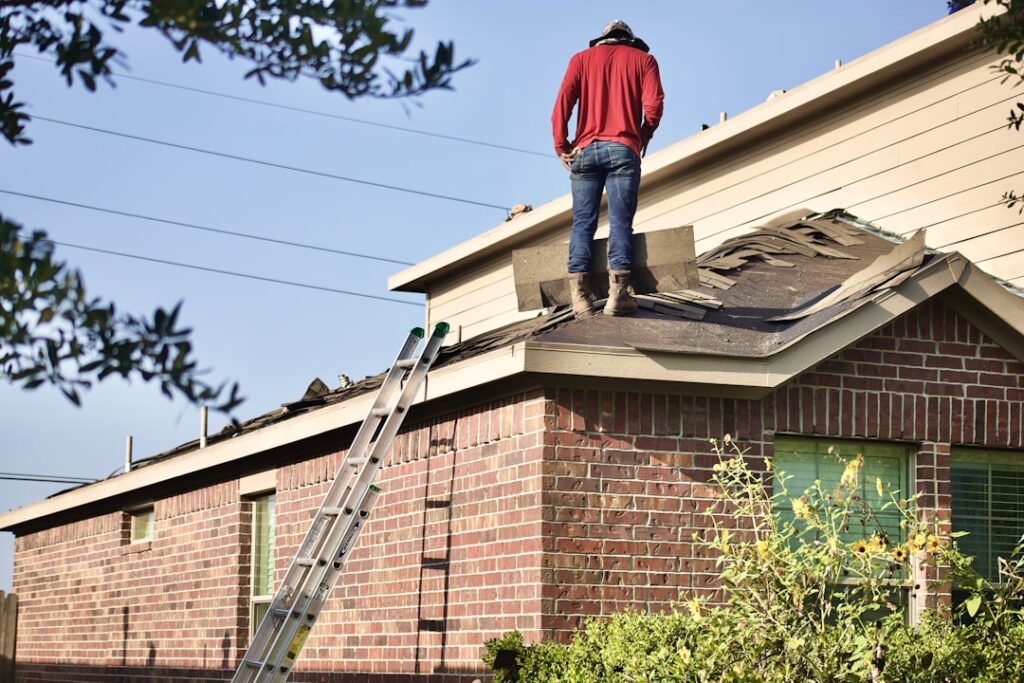
A roof with missing or curling shingles, active leaks, visible daylight through the decking, or obvious end-of-life wear is one of the most frequently flagged items. The concern is whether the roof will keep water out for a reasonable period after closing. On the Front Range, hail is a frequent cause of granule loss and bruised shingles, so a roof that looks fine from the street can still raise questions up close. Roofs with several layers of shingles may also draw attention because of added weight and shorter service life.
Heating That Is Safe and Adequate
The home needs a permanent heating source that can keep living areas comfortable. A furnace that does not run, a cracked heat exchanger noted by a technician, missing flue connections, or rooms that rely entirely on portable heaters can all raise concerns. In Colorado’s climate, heating problems tend to get extra attention, especially in winter appraisals. Wood stoves as a sole heat source may need a closer look depending on lender policy.
Water Supply and Sewage Disposal
A safe, adequate water supply and a working method of sewage disposal are core sanitation items. Homes on public water and sewer usually pass this part easily if fixtures and drains work. Properties with private wells or septic systems on the rural edges of the Front Range may need water quality testing or a septic evaluation, and requirements can vary by location and lender. Visible leaks, a nonfunctioning water heater, or drains that back up are typical flags.
Electrical Hazards
Exposed or frayed wiring, open junction boxes, missing cover plates, ungrounded panels with obvious defects, scorched outlets, and amateur wiring are the kinds of conditions that can be called out. An appraiser is not an electrician and will not test circuits, but obvious shock or fire hazards are fair game. A simple outlet tester can help a seller or buyer spot reversed polarity or open grounds before the appraisal visit, though it does not replace an electrician’s evaluation.
Peeling Paint in Pre-1978 Homes
Deteriorated paint is one of the best-known VA flags in older homes. The concern is lead. The EPA notes that lead-based paint for use in homes was banned in 1978 but is still present in millions of homes, and that lead-based paint is usually not a hazard if it is in good condition, while deteriorating paint that is peeling, chipping, chalking or cracking is a hazard and needs prompt attention. Federal disclosure rules also require sellers of most pre-1978 housing to share known information about lead-based paint before a buyer signs a contract. In a VA purchase, chipped paint on older trim, window sills, porches or exterior siding is often flagged for correction.
Wood-Destroying Insect Reports
Some states and regions require a wood-destroying insect inspection for VA loans, and others do not. Colorado’s requirements may differ from those in states with heavy termite pressure, so confirm with the lender whether a report is needed. Even where it is not required, evidence of active infestation or significant structural damage from insects or rot can still be noted during the appraisal. Rodent activity is a separate issue, but heavy infestation can raise sanitation concerns; our guide to a rodent home inspection covers what inspectors look for.
Safe Access and Walking Surfaces
The property should have safe, year-round access for pedestrians and vehicles. Inside and out, broken stairs, missing handrails on long flights, rotted deck boards, and large trip hazards may be noted. Homes on private roads can raise access and maintenance questions that the lender may need to address separately.
Crawl Space and Attic Access
Appraisers generally need to be able to view the attic and crawl space, or at least confirm that access exists. A crawl space with standing water, excessive moisture, or debris, or an attic hatch that has been sealed or blocked, can lead to a request for access or a further look. Signs of moisture problems, such as active leaks or obvious mold growth on framing, may also be noted.
Quick Reference Table: Flags and Typical Fixes
The table summarizes the items above. Fixes are typical approaches rather than requirements, and costs vary widely with the home and the contractor.
| Item | Why it’s flagged | Typical fix |
|---|---|---|
| Roof near end of life or leaking | May not keep water out for a reasonable period after closing | Repair damaged areas or replace; roofer’s letter on remaining life |
| Heating not working or unsafe | Home needs a safe, adequate permanent heat source | HVAC service, repair or replacement; technician’s report |
| Water supply or sewage problems | Core sanitation standard | Fix leaks or drains; well water test or septic evaluation where applicable |
| Exposed or hazardous wiring | Shock and fire risk to occupants | Licensed electrician corrects the hazard |
| Peeling paint in a pre-1978 home | Possible lead hazard from deteriorating paint | Lead-safe paint stabilization by a certified renovator |
| Wood-destroying insect evidence | Possible structural damage; some regions require a report | Licensed pest inspection, treatment, repair of damage |
| Unsafe stairs, decks or access | Fall and injury hazards; property must be reachable | Repair treads, add handrails, replace rotted boards |
| Blocked attic or crawl space access | Spaces need to be observable | Open access, clear debris, address standing water |
What Happens After an Item Is Flagged
When the appraisal comes back “subject to” repairs, the most common path is that the condition is fixed before closing and the appraiser or another qualified person confirms the work. Who pays for the repair is negotiated between buyer and seller. The VA program has limits on certain fees veterans can be charged, but repair costs are usually a matter for the contract, and sellers frequently handle them to keep the deal moving.
The CFPB describes the general pattern for loan programs that require a property to meet specified standards: the appraisal could say the property is subject to repairs, and if major repairs such as a new roof are needed, the lender can require them to be made before closing as a condition of the loan, or could ask the buyer to put enough money into a special account to pay for the repair immediately after closing. That second option, often called a repair escrow or escrow holdback, may be available in some situations, such as weather-dependent exterior work during a Colorado winter. Availability depends on the lender and the program, so do not assume it will be offered.
Timing matters. Repairs, contractor scheduling and re-inspection can push a closing date. Building a few extra days into the contract, and getting contractor quotes early, reduces stress. Our guide to home inspection repair cost estimates explains how to gather numbers you can actually use in a negotiation.
If the seller refuses to make required repairs, the options typically include the buyer paying for repairs where the lender allows it, renegotiating the price, or walking away under the contract’s terms. Contract language controls what is possible, so involve your agent early.
Why a Private Inspection Still Matters for VA Buyers
Because the appraisal checks only headline conditions, a clean appraisal does not mean the house is in good shape. Many costly problems sit outside the MPR review: an aging sewer line with root intrusion, a water heater near the end of its life, poor attic ventilation, hidden moisture in a finished basement, or elevated radon. Radon deserves a specific mention on the Front Range, where many homes test above the EPA action level, and it is usually not part of a VA appraisal at all.
A private home inspection fills those gaps. The American Society of Home Inspectors Standard of Practice describes what a home inspector is expected to observe and report, such as the roof covering, structure, electrical service and distribution, heating equipment, and plumbing, and it also lists exclusions, such as not being required to determine the cost of corrections or the remaining life expectancy of systems and components. That framework is a good reminder that an inspection reports conditions; it does not certify a home for a loan.
For VA buyers, the practical approach is to schedule the inspection early in the contract period, before the appraisal if possible. If the inspector finds peeling paint, a failing furnace or an exposed wire, the buyer can raise it with the seller before the appraiser does, often making the appraisal step smoother. Our VA home inspection checklist walks through a pre-appraisal review, and the guide to VA home inspection cost covers what the inspection and common add-ons usually run.
Preparing a Home Before the VA Appraisal
Sellers who accept a VA offer, and buyers who want a smooth closing, can reduce the chance of a “subject to” appraisal with a short pre-appraisal walk-through:
- Walk the exterior and look for peeling paint on trim, fascia, porch rails and window frames, especially on homes built before 1978. Paid paint work in a pre-1978 home generally needs lead-safe practices; the EPA’s Renovation, Repair and Painting rule requires that firms paid to disturb paint in pre-1978 homes be certified and use lead-safe work practices.
- Check the roof from the ground with binoculars for missing shingles, and look at attic decking for water stains.
- Run the heat and confirm the furnace lights, distributes air, and vents properly. Replace the filter. Keep service records handy.
- Open every faucet and flush every toilet to confirm water pressure and drainage. Fix visible leaks under sinks.
- Close up electrical hazards: install missing cover plates, put covers on junction boxes, and have an electrician fix anything exposed.
- Clear access to the attic hatch, crawl space opening, electrical panel, water heater and furnace.
- Fix trip hazards such as loose stair treads, missing handrails and rotted deck boards.
- Confirm utilities are on on the appraisal date. A vacant home with water or gas shut off may get flagged simply because systems cannot be observed.
None of these steps guarantees a clean appraisal, but they remove the most common avoidable flags. Older homes in Denver, Lakewood, Aurora, Colorado Springs and Fort Collins often need the paint and electrical steps most.
Using Inspection Findings in Negotiations
The appraisal and the inspection feed into the negotiation in different ways. Required appraisal repairs generally have to be addressed for the loan to close, so they tend to be resolved through repairs before closing. Inspection findings, by contrast, are bargaining information: the buyer can request repairs, a credit, or a price change, and the seller can accept, counter or decline. The CFPB notes that depending on the purchase contract and local market conditions, the seller may or may not agree to pay for repairs, and that a contract contingent on a satisfactory inspection generally lets the buyer cancel without penalty if not satisfied.
Some practical points for VA buyers:
- Prioritize safety and big-ticket items. A failing roof or furnace matters more than cosmetic wear, and safety items often overlap with MPR concerns.
- Understand seller credits. VA rules limit certain seller concessions, and lenders interpret those limits. Ask how a credit would be treated before asking for one.
- Get written quotes. A contractor quote is more persuasive than a guess, and it helps the lender if a repair escrow is discussed.
- Watch the deadlines. In Colorado, inspection objections follow dates set in the purchase contract. Missing a deadline can limit options.
Our guide on asking for a price reduction after a home inspection covers how to frame requests, when a credit makes more sense than a repair, and how to respond to counteroffers. For broader background, the home inspection basics hub and the hiring process section explain how to choose an inspector and what a full report includes.
Common Misconceptions About VA “Failures”
“The VA inspects the house for me.” The VA appraisal is not a home inspection. It is a valuation with a minimum condition check. A buyer who skips the inspection may close on a home with problems the appraisal never addressed.
“Any defect will kill the loan.” Most flags lead to repairs rather than denial. Cosmetic issues, such as worn carpet, dated finishes or minor wall cracks, are generally not MPR concerns.
“Older homes can’t qualify.” Older homes qualify regularly. They are simply more likely to need paint stabilization, electrical corrections or roof work first.
“The inspector decides what gets repaired.” The inspector reports conditions. The appraiser and lender decide what is required for the loan, and the buyer and seller negotiate the rest.
“If the appraisal is clean, skip the inspection.” The appraisal is usually scheduled after the inspection window, and it does not look at the same depth. Waiting for it means giving up leverage the inspection contingency provides.
Any summary of program standards, including this one, is general information rather than legal or lending advice. Contracts, lender overlays and program guidance change, so the loan officer and the purchase contract remain the final word for a specific transaction.
References
- Schedule a Home Inspection — Consumer Financial Protection Bureau
- Real Estate Disclosures about Potential Lead Hazards — U.S. Environmental Protection Agency
- Lead Renovation, Repair and Painting Program — U.S. Environmental Protection Agency
- ASHI Standard of Practice for Home Inspections — American Society of Home Inspectors
Frequently asked questions
Can a home inspection fail a VA loan?
No. A home inspection describes conditions and does not pass or fail anything. The VA appraisal checks the home against Minimum Property Requirements, and items it flags usually must be corrected before closing.
What are the most common VA appraisal repair items?
Frequently flagged items include roofs near the end of their life, heating that does not work, water or sewage problems, exposed wiring, peeling paint in homes built before 1978, unsafe stairs or decks, and blocked attic or crawl space access.
Who pays for repairs required by a VA appraisal?
It is negotiated between buyer and seller. Sellers often pay to keep the sale on track, but lenders and program rules affect what a buyer can pay or receive as a credit, so check with the loan officer.
Can repairs be completed after closing on a VA loan?
Sometimes. Some lenders allow an escrow holdback for work that cannot be done right away, such as exterior work in winter, but it is not guaranteed. Many required repairs must be finished before closing.
Does peeling paint always fail a VA appraisal?
Deteriorated paint in a home built before 1978 is commonly flagged because it may contain lead. Correction usually means lead-safe paint stabilization. Peeling paint on newer homes is less of a safety concern, though appraisers may still note it.
Buying a Front Range home with a VA loan and want an inspection booked before the appraisal? Send us the property details and we will help you plan the visit.