Outlet Tester: What Homeowners Need to Know
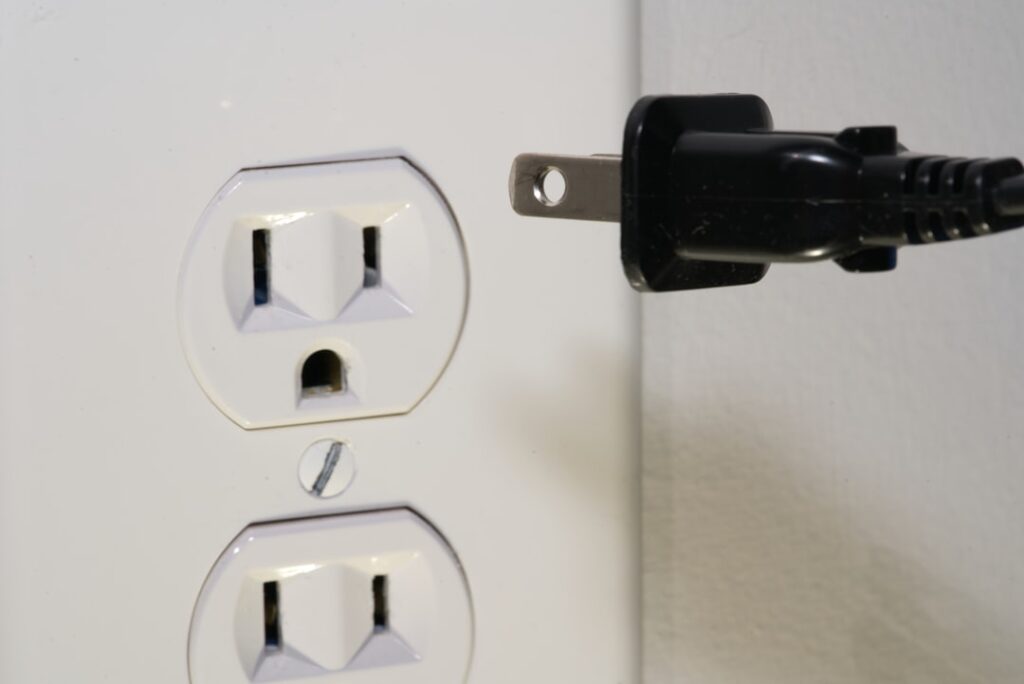
The small three-light gadget that plugs into a wall receptacle is one of the cheapest diagnostic tools a homeowner can own, and one of the most misunderstood. An outlet tester reads how a receptacle is wired and flags common faults in seconds. Home inspectors carry one in every kit because it catches problems a visual look never could. This guide explains what the lights mean, what the tool confirms, and the real limits behind its simple appearance, with citations drawn from electrical code and inspection-trade sources rather than any single brand.
What Does an Outlet Tester Do?
An outlet tester is a plug-in device that checks whether the three conductors at a standard 120-volt receptacle—hot, neutral, and ground—are connected correctly. Most units use three indicator lights in a pattern that maps to a printed legend on the body. By comparing the lit pattern to the legend, a user can tell at a glance whether the outlet is wired correctly or has one of several common faults.
The tool draws a tiny current through each conductor and lights an LED or neon lamp when voltage is present where it should be. Because it is non-destructive and instant, an inspector can move through every accessible receptacle in a house quickly, building a map of which ones are safe and which need attention from a licensed electrician.
How to Read the Three-Light Pattern
The legend on the tester is the key, and patterns vary slightly by manufacturer, so the printed chart on the device always governs. A typical layout uses two amber lights and one red, arranged so that specific combinations signal specific conditions.
Common readings include:
- Correct wiring — usually two amber lights, no red. The hot, neutral, and ground are all where they belong.
- Open ground — the equipment grounding conductor is missing or disconnected, common in older homes with two-prong wiring retrofitted to three-prong outlets.
- Open neutral — the return path is broken, which can leave the outlet dead or behaving erratically.
- Open hot — no power reaching the receptacle.
- Reversed polarity — hot and neutral are swapped, a shock hazard because devices stay energized even when switched off.
- Hot/ground reversed — a dangerous miswire that can energize the grounding system.
Reading the pattern correctly takes only the legend and a steady hand. The tool tells the user the category of fault, not the exact wire that is loose, which is where a licensed electrician’s troubleshooting begins.
The GFCI Test Button
Better outlet testers add a button that trips a ground-fault circuit interrupter. Pressing it introduces a small, deliberate imbalance between hot and neutral. A working GFCI senses that imbalance and cuts power, which is exactly the behavior that protects people from electrocution in wet areas like kitchens, bathrooms, garages, and exterior outlets.
If the button trips the GFCI, the protection works. If nothing happens, the device may be miswired, unprotected, or failed. The National Electrical Code, published by NFPA, has expanded GFCI requirements across successive editions, so a pre-2000 home along the Front Range often lacks protection that current code expects. The tester button is the fastest way to confirm whether existing GFCIs still function, and it pairs naturally with a dedicated GFCI tester for circuits that need closer evaluation.
What the Tester Cannot Tell You
The biggest misconception is that a clean reading means the outlet is fully safe. It does not. A standard three-light tester confirms the presence and arrangement of conductors, but it cannot detect several serious conditions.
It will not reveal a bootleg ground, where the neutral and ground are jumpered at the receptacle to fake a ground connection; the lights may read correct while no real equipment ground exists. It cannot measure how much current the circuit can safely carry, nor detect undersized wire, loose backstab connections behind the device, or overheating. It does not check for an open neutral upstream that only matters under load. Inspection guidance from InterNACHI is explicit that these testers screen for common faults and are not a substitute for a full circuit analysis.
Outlet Tester vs. Other Electrical Tools
The outlet tester occupies a specific tier of the electrical toolkit. Above it sit instruments that measure rather than indicate.
Versus a Multimeter
A multimeter reads actual voltage, resistance, and continuity as numbers. It can confirm 120 volts hot-to-neutral, measure the small voltage drop that hints at a loose connection, and test conductors a plug-in tester ignores. It is slower and requires probing terminals, so inspectors use it to follow up on a fault the quick tester flagged.
Versus a Voltage Tester
A non-contact digital voltage tester simply senses whether a conductor is energized, useful for confirming a circuit is dead before work. It says nothing about wiring arrangement. The three tools complement each other: the outlet tester triages, the voltage tester confirms power state, and the multimeter quantifies. For a fuller picture of how each fits an inspection, the home inspection tools guide lays out the whole electrical kit.
How Inspectors Use It in the Field
During a general home inspection, the tester is part of a representative sample of receptacles, not necessarily every outlet behind furniture. The inspector plugs in, reads the pattern, presses the GFCI button where protection is expected, and notes any fault in the report. A reversed-polarity reading in a 1960s Denver bungalow, for example, becomes a recommendation to have a licensed electrician correct the wiring.
The tool’s speed is what makes whole-house sampling practical. Checking thirty receptacles with a multimeter would take an hour; with a plug-in tester it takes minutes. That efficiency is why the device earns its place in the standard kit even though it cannot diagnose everything. The inspector’s judgment turns a lit pattern into an actionable finding.
Choosing and Using One Safely
For a homeowner, the practical buying advice is short. Pick a model with a clear printed legend and a GFCI test button, and one rated for the local voltage. Cheap testers and better ones read the same basic faults; the differences are durability, light visibility, and the addition of the GFCI function.
Safe use comes down to interpretation. Treat any non-correct reading as a reason to stop and call an electrician rather than attempting a repair behind the wall. Reversed hot-ground and bootleg-ground risks mean the receptacle can be live in ways the tester understates. The device is a screening aid, and its value is in pointing a trained professional toward the outlets that need real attention.
Understanding the Faults in Depth
Each fault the tester flags has a different cause and a different level of urgency, and knowing them helps a homeowner understand why an electrician treats some as routine and others as emergencies.
Open Ground
An open ground means the equipment grounding conductor is not connected. In older homes wired with two-conductor cable, three-prong receptacles were often installed without a true ground, leaving appliances and surge protectors without their safety path. It is extremely common in mid-century Front Range housing and usually resolved by running a ground, bonding to an existing grounded box, or installing GFCI protection where code permits ground-fault devices to substitute.
Reversed Polarity
Reversed polarity swaps the hot and neutral connections. The outlet still powers a device, which masks the problem, but the device’s housing or internal components stay energized even when switched off. For a lamp, that means the bulb socket is live with the switch open—a genuine shock risk. It is typically a wiring error at the receptacle and a quick fix for an electrician.
Hot-Ground Reverse
The most dangerous common reading, hot-ground reverse, energizes the grounding system itself. Any metal appliance case connected to that ground becomes live. This reading demands the circuit be shut off and corrected before use, and it is one reason the tester’s quick screen is worth running on every accessible outlet.
Receptacle Types the Tester Cannot Read
Standard plug-in testers are built for ordinary 120-volt, three-prong receptacles. Several common fixtures fall outside their scope. A 240-volt receptacle for a dryer or range uses a different configuration the tester cannot accept. Two-prong receptacles, common in pre-1960s homes, have no ground slot for the tester’s ground pin, so the device cannot evaluate them in the usual way.
Tamper-resistant receptacles, now required by code in living areas to protect children, have internal shutters that can make inserting any plug, including a tester, stiffer. The tester still works, but the resistance is normal. USB-integrated receptacles and smart outlets add electronics the simple tester ignores. Knowing what the tool cannot read prevents a homeowner from misinterpreting a non-reading as a fault when it is simply an unsupported fixture.
Why GFCI and AFCI Protection Matters
The GFCI test button connects the outlet tester to one of the most important safety advances in residential wiring. A ground-fault circuit interrupter compares the current flowing out on the hot conductor with the current returning on the neutral. A mismatch means current is leaking somewhere—possibly through a person—and the device cuts power in a fraction of a second. The National Electrical Code, maintained by NFPA, has steadily expanded where GFCI protection is required, from a single bathroom outlet decades ago to kitchens, garages, basements, outdoors, and laundry areas today.
Arc-fault circuit interrupters address a different hazard: the heat of an electrical arc from damaged wiring, a leading ignition source for home fires. Standard outlet testers do not test AFCI function, which is one more reminder of the tool’s limits. An older home may pass a basic outlet-tester screen on every receptacle yet still lack the GFCI and AFCI protection that modern code expects, which is exactly the gap a thorough inspection documents for the buyer.
When to Call a Licensed Electrician
Any reading other than “correct,” any GFCI that fails to trip, and any outlet that feels warm, sparks, or smells of ozone calls for a licensed electrician. The same is true for older homes where the tester shows correct lights but the system relies on two-wire cable without a true ground. Code adoption across Colorado follows the National Electrical Code, and a licensed pro works to the edition your jurisdiction enforces.
The outlet tester does its job by drawing a clear line between outlets that pass a basic screen and those that do not. Acting on that line—by escalating faults to a qualified electrician—is what turns a one-dollar light pattern into real electrical safety for a household.
Outlet Testing During a Home Inspection
For a buyer, the outlet tester’s findings become part of the larger electrical picture a home inspection assembles. An inspector does not test every receptacle behind every piece of furniture, but follows a representative-sample approach, checking accessible outlets in each room and all the wet-area locations where GFCI protection is expected. Patterns matter more than any single outlet: a scattering of open grounds across an older home tells a different story than a single reversed-polarity outlet from a recent DIY repair.
The report translates the lit patterns into recommendations a buyer can act on. A reversed-polarity outlet becomes a note to have an electrician correct the wiring; a non-functioning GFCI in a bathroom becomes a recommendation to replace the device; widespread open grounds in a mid-century home flag a system-level limitation that informs both safety planning and budgeting. The tester’s speed is what makes whole-house sampling feasible within the time an inspection allows, and its findings feed directly into the buyer’s understanding of what the electrical system needs.
The Limits of a Sampling Approach
It helps to understand what a representative sample does and does not capture. Outlets blocked by furniture, appliances, or stored belongings may not be tested, and faults behind them go undocumented. A tester also evaluates each outlet only at the moment of the check; an intermittent fault from a loose connection that depends on temperature or load may read correct during the inspection and misbehave later.
This is why an inspection report frames electrical findings as a snapshot rather than a guarantee, and why a buyer with concerns about an older system may want a licensed electrician to perform a deeper evaluation. The outlet tester is a triage instrument: it efficiently identifies the obvious, common faults across a sample of outlets, and it points toward the locations and systems that warrant a closer professional look. Recognizing its boundaries is part of using its results responsibly.
References
- Receptacle testing and common faults — InterNACHI
- National Electrical Code (NFPA 70) GFCI requirements — NFPA
- Electrical provisions in the residential code — International Code Council