Rodent Home Inspection: Evidence and Next Steps
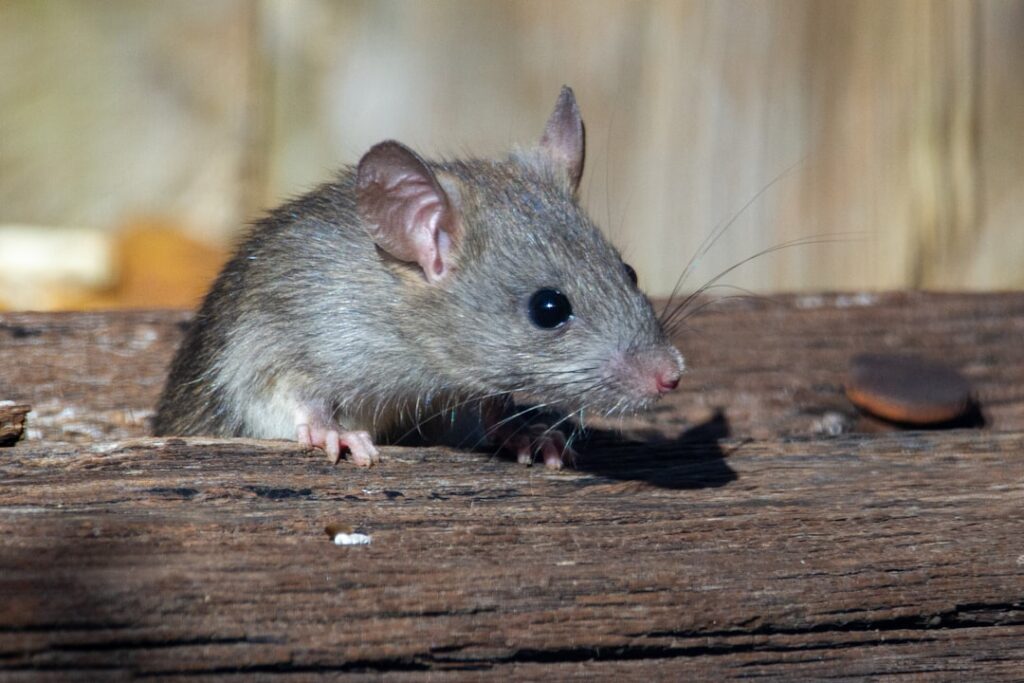
Rodents leave a paper trail, and a careful home inspection often catches it before a buyer or owner ever sees a mouse. A “rodent home inspection” is not a separate pest-control service in most cases; rather, it is the part of a standard home inspection where the inspector documents evidence of rodent activity, the damage it causes, and the entry points that let it happen. Understanding what an inspector looks for, how it differs from a dedicated pest inspection, and when to bring in a specialist helps homeowners act on findings rather than panic over them.
What a Home Inspector Looks For in a Rodent Inspection
A home inspector evaluates the property visually and notes signs that rodents are present or have been. The classic evidence falls into a handful of categories: droppings, gnaw marks, nesting material, runways and rub marks, and physical entry points. None of these is hidden science. Mouse droppings look like small dark grains scattered near food sources, behind appliances, and in drawers; rat droppings are larger. Gnaw marks appear on wood trim, wiring insulation, stored boxes, and the corners of cabinets.
Inspectors pay special attention to attics, basements, crawl spaces, garages, and the spaces behind and beneath kitchen appliances, because those are the quiet, sheltered zones rodents prefer. Insulation that has been compressed, shredded, or tunneled is a strong indicator of nesting. A musty, ammonia-like odor in an enclosed space often accompanies an active infestation. The inspector records these observations with photos and recommends follow-up where warranted, the same way the broader home inspection process handles any finding outside its scope.
Common Entry Points Inspectors Flag
Rodents do not need a large opening. A mouse can pass through a gap about the width of a pencil, and a rat through a hole the size of a quarter. Inspectors look at the building envelope for these openings because sealing them is the foundation of any lasting solution.
Foundation and Exterior Gaps
Cracks in the foundation, gaps where utility lines (water, gas, electrical, cable) penetrate the exterior, and openings around hose bibs are frequent entry routes. Inspectors note unsealed penetrations and deteriorated mortar.
Roofline, Vents, and Soffits
Damaged or unscreened gable and soffit vents, gaps where the roof meets the wall, and chewed fascia give rodents attic access. In wooded Front Range neighborhoods, tree limbs touching the roof act as bridges, and inspectors often note overhanging branches as a contributing factor.
Doors, Garages, and Crawl Space Openings
Worn weatherstripping under doors, gaps around garage doors, and uncovered crawl-space vents are common ground-level entries. Crawl spaces in particular combine easy access with the dark, undisturbed conditions rodents seek.
Why Rodent Evidence Matters: Health and Structural Risks
Rodents are more than a nuisance. The CDC links rodents to the spread of diseases including hantavirus, leptospirosis, and salmonellosis, with exposure occurring through droppings, urine, contaminated surfaces, and in some cases inhaling dust from dried droppings. Hantavirus, associated with deer mice in the western United States including Colorado, is rare but serious, which is why disturbing nesting material without precautions is discouraged.
The structural and safety risks are just as practical. Rodents gnaw electrical wiring, and chewed insulation on live wires is a recognized fire hazard. They damage HVAC ductwork, plumbing lines, and the building’s thermal insulation, degrading energy efficiency. Contaminated insulation in an attic or crawl space sometimes has to be removed and replaced, which is a real cost a buyer will want to understand before closing. Because these issues overlap with air-quality and moisture concerns, a rodent finding sometimes prompts a closer look at conditions a standard home inspection covers in the attic and crawl space.
How a Rodent Home Inspection Differs From a Standard One
A general home inspection is broad and visual. It documents rodent evidence as one of many findings, but it does not include trapping, baiting, treatment, or a guarantee that the home is pest-free. The inspector’s job is to observe and report, then recommend a qualified specialist if the evidence warrants it. That is the same boundary that keeps environmental hazards like radon and asbestos outside the standard scope.
A dedicated pest or wildlife inspection, by contrast, is performed by a licensed pest-control professional who specializes in identifying the species, assessing the extent of the infestation, and designing an exclusion and treatment plan. In some transactions, especially with VA or certain conventional loans, a separate wood-destroying-organism or pest report is required, but that focuses on termites and similar pests rather than rodents specifically. Buyers comparing what each professional delivers benefit from understanding the limits of a general inspection before assuming it replaces a pest pro. The role distinction mirrors the way an insurance home inspection serves a narrower, defined purpose.
When to Call a Pest Professional
Call a licensed pest-control or wildlife company when a home inspector documents active signs, fresh droppings, recent gnaw marks, audible scratching, live or recently dead rodents, or when nesting material is found in insulation. A specialist confirms whether the infestation is active, identifies the species, and builds a plan that combines exclusion (sealing entry points), sanitation, and population control.
The order of operations matters. Trapping without sealing entry points produces an endless cycle; sealing without removing the existing population traps animals inside. A reputable pest pro addresses both. For contaminated insulation or droppings cleanup, professionals follow safety practices such as ventilating the space, wetting droppings before removal rather than sweeping or vacuuming dry material, and using appropriate personal protective equipment, all measures the CDC recommends to reduce exposure to aerosolized particles.
What Buyers and Owners Should Do With the Findings
If a home inspection turns up rodent evidence, treat it as actionable information, not a deal-breaker. Ask the inspector to clarify whether the signs look active or historical. Get a pest-control assessment and, if needed, written estimates for exclusion, cleanup, and any insulation replacement. In a purchase, those estimates support a credit or repair request during the inspection contingency period.
For owners staying in place, the durable fix is exclusion plus prevention: seal gaps with rodent-resistant materials, screen vents, trim back vegetation touching the structure, store food and pet food in sealed containers, and keep the garage and crawl space tidy. A one-time extermination without these steps tends to fail. Folding rodent prevention into routine home maintenance, the way a thorough owner approaches any system flagged during the hiring and inspection process, keeps the problem from returning season after season.
Telling Active Infestations From Old Evidence
One of the most useful judgments an inspector can offer is whether the signs look active or historical, because that distinction changes everything about the response. Fresh droppings are dark, soft, and moist, while old droppings are gray, dry, and crumble easily. Recent gnaw marks show light, clean wood; older marks are darkened and weathered. A faint odor and scattered new droppings near a food source suggest an active population, whereas a single old nest in an attic with no fresh signs may simply document a problem a previous owner already resolved.
Inspectors also note behavioral evidence. Rub marks, dark, greasy smudges along baseboards, pipes, and beam edges, form where rodents repeatedly travel the same routes; shiny, fresh smudges indicate current traffic. Disturbed insulation with clear tunnels, shredded paper or fabric gathered into nests, and stored food caches in odd corners all point to recent activity. None of this replaces a pest professional’s confirmation, but it helps a buyer decide how urgently to act and whether to treat the finding as a present problem or a documented past one.
Seasonality matters on the Front Range. Rodents push indoors as temperatures drop in fall and winter, seeking warmth and food, so signs found in a winter inspection may reflect very recent entry. A home inspected in summer with old evidence and no fresh signs presents a different picture than the same home inspected in January with active droppings near the furnace. Sharing the season and the home’s history with the pest professional helps them gauge the infestation’s scale.
What Rodent Damage Costs to Fix
Buyers want a sense of the financial stakes behind a rodent finding, and the range is wide. Minor cases, sealing a few entry points and setting traps, may run a few hundred dollars through a pest-control company. The cost climbs with the extent of contamination and damage. Replacing rodent-soiled attic or crawl-space insulation is a common and significant line item, because contaminated insulation often cannot be salvaged and removal must be done carefully to avoid aerosolizing droppings.
Chewed electrical wiring is the finding that worries inspectors most, both for the fire risk and the repair cost, since damaged runs may need an electrician to trace and replace. Gnawed plumbing lines, damaged ductwork, and compromised vapor barriers add up. For a heavily infested home, the combined cost of exclusion, cleanup, insulation replacement, and any electrical or duct repairs can reach several thousand dollars. That is exactly why documenting the evidence during the inspection contingency, then getting written estimates, gives a buyer the leverage to request a credit or repair before closing rather than absorbing the cost afterward. Understanding how findings translate into negotiation is part of the broader home inspection scope.
Prevention That Actually Holds Up
Lasting rodent control is built on exclusion, not poison. Sealing entry points is the single most effective measure, and it must use materials rodents cannot chew through: steel wool packed into gaps, hardware cloth over vents, sheet metal over chewed corners, and proper sealant rather than expanding foam alone, which mice gnaw. Every utility penetration, gap under a garage door, and unscreened vent is a candidate for sealing.
Habitat and food control reinforce the seal. Store pantry staples and pet food in hard, sealed containers; clean up spilled birdseed and fallen fruit; keep firewood and debris away from the foundation; and trim tree limbs back from the roofline so rodents cannot bridge onto the structure. Inside, reducing clutter in basements, attics, and garages removes nesting sites. These habits matter especially in wooded and semi-rural Front Range neighborhoods where deer mice and other rodents are common and where the surrounding landscape constantly resupplies the population.
Monitoring closes the loop. After exclusion and cleanup, periodic checks, listening for scratching, watching for new droppings, inspecting the attic and crawl space seasonally, catch reinfestation early before it becomes another expensive problem. A home inspection that flags rodent evidence is the start of this ongoing maintenance mindset, not a one-time event. Owners who treat prevention as routine upkeep, on the same footing as changing furnace filters or cleaning gutters, rarely face a serious infestation twice.
Front Range geography reinforces the need for vigilance. Homes backing to open space, greenbelts, fields, or foothills sit beside a steady reservoir of wild rodents that probe for entry each fall, and even tidy suburban properties near drainage corridors see pressure. That environmental reality means exclusion is not a one-and-done project but a maintained barrier, re-checked as caulk ages, weatherstripping wears, and new utility work opens fresh penetrations. Buyers evaluating a home near open land should read a clean rodent inspection as a snapshot, not a permanent guarantee, and plan to keep the building envelope sealed over the years they own it.
References
- Rodents, Diseases, and Cleanup Guidance — Centers for Disease Control and Prevention
- Rodent Control and Rodenticide Safety — U.S. Environmental Protection Agency
- Home Inspection Standards and Scope — InterNACHI