How Long Does a Dishwasher Last? Lifespan, Wear Signs, Next Steps
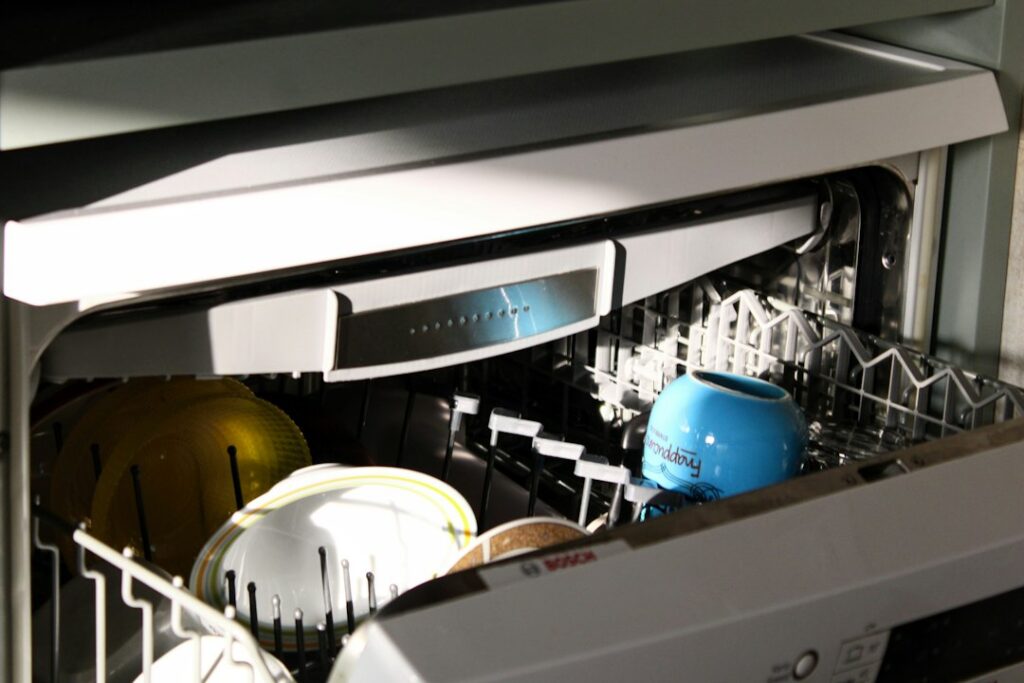
Most built-in dishwashers last roughly 9 to 12 years, with well-maintained models on soft water sometimes running 15 years and budget units on hard water occasionally failing in 6 or 7. The pump, the door seal, the control board and the heating element are the parts that usually decide when a dishwasher is finished. So “how long does a dishwasher last” depends less on the calendar and more on water quality, loading habits and how quickly small leaks are caught. This guide explains typical lifespan by dishwasher type, what shortens and extends it, the signs a dishwasher is near the end, rules of thumb for repair versus replacement, typical replacement and installation costs, and how a home inspector checks a dishwasher when you are buying a home along the Colorado Front Range.
Part of our Plumbing & Water guide — start there for the full picture →
Typical Dishwasher Lifespan by Type
These ranges are industry rules of thumb based on common field experience. They are not warranties, and individual units can fall well outside them.
| Dishwasher type | Typical lifespan (typical range — varies with use and maintenance) | Common end-of-life failures |
|---|---|---|
| Entry-level built-in (plastic tub) | About 7–10 years | Pump and motor, door latch, control board, tub cracks |
| Mid-range built-in (stainless tub) | About 9–13 years | Circulation or drain pump, door seals, control board |
| Premium built-in | About 10–15 years | Electronics and sensors; repairs often justified longer |
| Drawer dishwasher | About 8–12 years | Lid seals, drawer motors and controls |
| Portable or countertop | About 5–10 years | Pump, faucet adapter and hose wear, lighter-duty parts |
Stainless-steel tubs tend to hold up better than plastic tubs because they resist staining, cracking and heat warping, and they help with drying. Beyond the tub, most of the differences in lifespan come from the quality of the pump, motor and electronics and from how the machine is installed and used.
Technology has changed quickly, too. ENERGY STAR says dishwasher technology has improved dramatically over the last decade, with newer certified models using soil sensors, improved water filtration, more efficient jets and rack designs that reduce energy and water use. That affects the repair-or-replace math on an older machine, as discussed below. The plumbing and water hub collects our related guides on dishwasher drains, leaks and installation.
What Shortens or Extends Dishwasher Life
Hard water and mineral scale
Mineral scale is one of the most common reasons dishwashers wear out early. Calcium and magnesium deposits build up on spray arms, filters, the heating element and inside the water inlet valve. Scale restricts water flow, forces the pump to work harder and reduces cleaning performance, which pushes owners toward hotter, longer cycles that add more wear. Water hardness varies across the Front Range depending on the source; some municipal supplies are relatively soft, while some private wells in the region produce much harder water. A simple water test or a look at the utility’s annual water quality report tells you which situation you are in. In harder water, a rinse aid, an occasional descaling cycle and a dishwasher detergent formulated for hard water help. Homes with a water softener tend to see less scale.
Filter cleaning
Many modern dishwashers use a manual filter at the bottom of the tub rather than a self-cleaning grinder. When that filter clogs with food debris, water cannot drain or circulate properly, odors develop and the pump strains. Owner’s manuals commonly recommend cleaning it every few weeks to monthly, depending on use. Many service calls for a dishwasher that does not clean or drain end with a technician cleaning a clogged filter. Our guides to a dishwasher not cleaning and a dishwasher not draining cover the filter, drain hose and air gap in detail.
Installation quality
A dishwasher that is not level can leak at the door. A drain hose without a high loop or air gap can let dirty sink water siphon back into the tub. A supply line that is kinked or overtightened can leak slowly under the unit for months, damaging the subfloor and cabinets without anyone noticing. Mounting brackets that are not secured let the machine shift when the door is opened. Our guide to dishwasher installation explains the water connection, drain loop, electrical supply and leak checks. Where local practice calls for an air gap, that small fitting beside the faucet is what keeps sink water out of the tub.
Usage and loading habits
- Overloading and blocking spray arms. Tall items that stop the arms from turning reduce cleaning and can stress the motor.
- Leaving large food debris on dishes. Scraping, not pre-rinsing, is usually enough for modern machines, but bones, seeds and labels can clog filters and damage pumps.
- Using the wrong detergent. Hand dish soap in a dishwasher creates excessive suds that can leak out of the door and confuse sensors.
- Running very frequently. A large household running two cycles a day will reach the end of a dishwasher’s life sooner than a couple running it twice a week.
Door seals and dry climates
The door gasket is a rubber or silicone seal that keeps water inside the tub. Food residue, harsh cleaners and age make it brittle or torn, and a worn gasket is a common source of leaks at the bottom of the door. Wiping the gasket clean during routine filter cleaning and replacing it when cracked is an inexpensive way to protect the floor. In very dry indoor air, which is common in Front Range homes during winter, leaving the door slightly open after a cycle helps dry the tub and discourages mold without harming the seal.
Signs a Dishwasher Is Near the End
Not every problem means a dishwasher is finished. Many symptoms come from a clogged filter or a simple part. These signs, especially together on an older unit, suggest it is time to evaluate replacement:
- Water on the floor or under the unit. Leaks can come from the door seal, a cracked tub, the pump seal, the inlet valve or the supply line. Our guide to a dishwasher leaking covers causes and hidden floor damage.
- Standing water after cycles. If clearing the filter, drain hose and air gap does not fix it, the drain pump may be failing.
- Dishes no longer get clean or dry. Persistent residue, cloudy glasses and wet loads can indicate a failing circulation pump, heating element or spray arm problems.
- Rust on the racks or inside the tub. Rusted rack tines can be coated or replaced, but rust coming from the tub or door is a sign of age.
- Cracks in a plastic tub. A cracked tub generally ends the machine’s life.
- Error codes that return after resets. Recurring control-board or sensor errors on an older unit are often the point where repair costs stop making sense.
- New grinding, humming or loud noises. These can mean a failing pump motor or debris in the pump.
- The door does not latch. Many dishwashers will not start without a secure latch, and a broken latch can also allow leaks.
Persistent musty odors and dark growth around the gasket or filter may be mold rather than a failing machine. Our guide to black mold in a dishwasher explains cleaning and prevention. The EPA notes that the key to mold control is moisture control and that water-damaged areas and items should be dried within 24 to 48 hours to prevent mold growth, which applies to any leak under a dishwasher as well.
Repair or Replace: Rules of Thumb
These are rules of thumb for weighing the decision, not formal standards. A technician’s diagnosis and the age of the machine matter most.
- The 50 percent rule. If the repair costs roughly half or more of a comparable new dishwasher and the unit is past about 6 to 8 years old, replacement usually makes more sense.
- Cheap fixes are worth doing. Filters, spray arms, door gaskets, rack wheels, float switches and inlet valves are commonly modest repairs, and some are homeowner-friendly with the power and water off.
- Pumps and control boards are the big calls. On a budget dishwasher more than several years old, the cost of a drain or circulation pump, motor or control board plus a service call often approaches the price of a new entry-level unit.
- Tub cracks and serious rust usually end the discussion. These are rarely economical to repair.
- Efficiency is a secondary factor. ENERGY STAR says a standard-size certified dishwasher costs about $50 per year to run and can save about 5,800 gallons of water over its lifetime. An old, inefficient machine costs more to run, but the bigger driver for most households is reliability and cleaning performance.
- Check warranties and recalls first. Some manufacturers warranty the tub, racks or certain parts longer than the rest of the machine. Searching the CPSC recalls database by brand and model number takes a minute and occasionally turns up a free remedy.
There is also a soft factor: a dishwasher that no longer fits the household’s needs. If the old machine is noisy, slow or cannot fit the dishes, an otherwise repairable unit may still be worth replacing. ENERGY STAR notes that standard-capacity models hold more than eight place settings and six serving pieces, while compact models hold fewer and may use more energy than standard models over time because of their smaller capacity.
Replace or go without?
Some owners of a dead dishwasher wonder whether to simply wash by hand. ENERGY STAR’s numbers favor the machine: it says washing dishes in a new certified dishwasher rather than by hand can cut utility bills by about $220 per year and save more than 230 hours of personal time annually. Actual savings depend on habits and utility rates, but for most households a working dishwasher is the more efficient choice, which is one more reason not to leave a failed unit sitting in the cabinet for months.
Timing matters as well. A dishwasher that is limping along at 11 or 12 years old is easier to replace on your own schedule, when you can compare models, measure the opening and book installation, than on the day it floods the kitchen. Owners who are planning a kitchen remodel within a year or two often nurse an older machine along with small repairs and then replace it with the rest of the appliances so the finishes and panel styles match.
Typical Replacement and Installation Costs
Dishwasher prices depend on features, noise rating, tub material, finish and installation complexity. The table below is a typical national range, 2026 — get local quotes and compare retailers. These are general planning figures, not quotes or cited statistics.
| Item | Typical national range, 2026 — get local quotes | Main cost drivers |
|---|---|---|
| Entry-level built-in dishwasher | Roughly $400–$700 | Plastic tub, fewer cycles, higher noise level |
| Mid-range built-in dishwasher | Roughly $700–$1,200 | Stainless tub, third rack, quieter operation |
| Premium or panel-ready dishwasher | Roughly $1,200–$2,500+ | Custom panels, advanced drying, very low noise |
| Like-for-like installation | Roughly $150–$400 | Reuse of existing water, drain and electrical connections; haul-away |
| Installation with plumbing or electrical changes | Roughly $400–$1,000+ | New shutoff valve, drain modifications, new circuit or junction box, cabinet work |
Installation surprises are common in older homes. A shutoff valve that will not close, a corroded supply line, a dishwasher plugged into an outlet that should be hardwired or the reverse, or a drain without a proper air gap or high loop can add cost. Our guide to the hardwired dishwasher explains junction boxes, disconnects and circuit requirements. Local rules on dishwasher drain connections, air gaps and electrical work vary, so check with your city or county building department if the job involves new plumbing or wiring.
How a Home Inspector Checks a Dishwasher
Unlike refrigerators, dishwashers are within the scope of a standard home inspection, though only at a basic level.
What the standard requires
The American Society of Home Inspectors Standard of Practice requires the inspector to inspect installed dishwashing machines, along with ovens, ranges, microwave ovens and food waste grinders, by using normal operating controls to activate the primary function. The same standard says the inspector is not required to operate every control and feature of an inspected appliance, and its general exclusions state that the inspector is not required to determine the remaining life expectancy of systems and components. In practice, that usually means running the dishwasher through a cycle or part of one and checking for leaks and drainage.
How the age is estimated
The model and serial number label is usually printed on the edge of the tub or the inside of the door, visible when the door is open. Many manufacturers encode the manufacture year and month or week in the serial number, though the format varies by brand. Inspectors may note an approximate age when the label is readable, and the seller’s disclosure or receipts can confirm it.
What inspectors commonly look for
- Whether the unit fills, sprays, drains and finishes its cycle without error codes
- Leaks at the door, under the unit or at the supply and drain connections, often checked with a flashlight and moisture meter in the sink base and toe-kick area
- A drain hose high loop or air gap, depending on local practice
- Secure mounting to the countertop or cabinets so the unit does not tip forward
- The electrical connection: a proper junction box or a grounded outlet, and a reachable means of disconnect
- Rusted racks, damaged door gaskets or a broken latch
- Water staining, swollen cabinet panels or soft flooring around the dishwasher
A dishwasher near or past 10 years old, one that leaks or one with damaged flooring nearby usually earns a recommendation for evaluation by an appliance technician or plumber. Hidden subfloor damage is the bigger financial risk, so it pays to take moisture findings seriously before closing.
Practical Ways to Help a Dishwasher Last Longer
- Clean the filter regularly. Follow the owner’s manual, usually every few weeks to monthly.
- Scrape, do not pre-rinse. Remove large food scraps and leave the rest for the machine.
- Use the right detergent and rinse aid. Products designed for hard water help where water is hard.
- Descale periodically. Run an empty cycle with a dishwasher cleaner if scale builds up.
- Check the door gasket. Wipe it clean and replace it if cracked or torn.
- Inspect under the sink. Look for drips at the supply valve and drain connection a few times a year.
- Run hot water at the sink first. Starting the cycle with hot water reaching the machine helps cleaning, especially in long kitchen runs.
- Leave the door ajar after cycles. Letting the tub dry discourages odors and mold.
Buyers should note the dishwasher’s age, watch for moisture clues in the sink base and toe-kick and budget for replacement if the unit is past about 10 years. For a vetted inspector who will check the kitchen plumbing and look for hidden water damage before you close, contact our team.
References
- Dishwashers — ENERGY STAR
- A Brief Guide to Mold, Moisture and Your Home — U.S. Environmental Protection Agency
- Recalls and Product Safety Warnings — U.S. Consumer Product Safety Commission
- ASHI Standard of Practice for Home Inspection — American Society of Home Inspectors
Frequently asked questions
How long does the average dishwasher last?
Most built-in dishwashers last roughly 9 to 12 years. Well-maintained units on soft water can run 15 years, while budget models on hard water sometimes fail in 6 or 7. The pump, door seal, control board and heating element usually decide the end.
Is it worth repairing an 8-year-old dishwasher?
Inexpensive repairs such as a filter, gasket, spray arm or inlet valve usually are. For a pump, motor or control board, a common rule of thumb says replace if the repair costs roughly half or more of a comparable new machine.
Does hard water shorten a dishwasher's life?
It can. Mineral scale builds up on spray arms, filters, the heating element and the inlet valve, restricting water flow and making the pump work harder. Rinse aid, periodic descaling and a water softener help in hard-water homes.
How do you find out how old a dishwasher is?
Look for the model and serial number label on the edge of the tub or inside the door. Many manufacturers encode the manufacture year and month or week in the serial number, though the format differs by brand.
Does a home inspector test the dishwasher?
Yes, at a basic level. The ASHI Standard of Practice requires inspectors to operate installed dishwashers using normal controls, but not every feature, and it does not require them to determine remaining life expectancy.
Buying a Front Range home and want the kitchen plumbing and appliances looked at closely? Reach out here to connect with a vetted local inspector.