Black Mold in a Dishwasher: Causes and How to Clean It
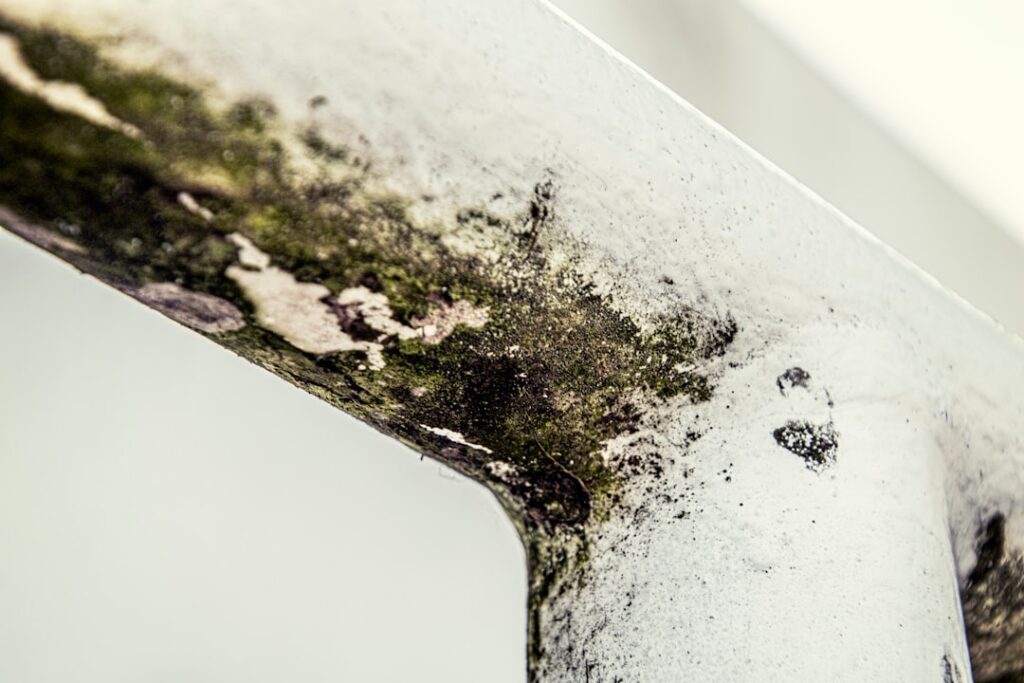
The dishwasher is one of the most overlooked spots for mold in the home, even though its warm, damp, food-rich interior is close to ideal for growth. Black mold in a dishwasher usually shows up first along the rubber door gasket, in the seal folds, and around the filter, where moisture and food residue linger between cycles. Catching it early keeps it from spreading and from leaving a musty smell on clean dishes. This guide summarizes EPA and CDC guidance current as of 2026; it is not medical advice, and anyone with symptoms should consult a physician while a certified professional handles larger contamination elsewhere in the home.
Is this mold, asbestos, or water damage? Get a free instant screen
Upload a clear photo of the suspect area. You'll get an instant AI screening opinion and what to do next. This is screening guidance, not a professional determination.
Screening guidance only. AI can be wrong. Confirm asbestos, mold type, or lead with lab testing or a licensed professional before acting.
Why Black Mold Grows in a Dishwasher
Mold needs moisture, a food source, and time, and a dishwasher supplies all three between runs. After a cycle, water clings to the door seal, the bottom sump, the filter, and the spray arms. Food particles trapped in the filter and gasket feed the growth, and the dark, closed interior holds warmth and humidity for hours. Households that run the machine only a few times a week give mold the longest windows to establish.
The frequency of use matters more than most people expect. A dishwasher run daily flushes its interior with hot water and detergent often enough to keep growth in check, while one used only once or twice a week sits damp with food residue for long stretches between cycles, giving mold ample time to establish. Vacation homes, lightly used kitchens, and machines that get loaded slowly over several days before running are especially prone. If yours sees infrequent use, the prevention habits below matter even more.
The dark patches you see are most often along the flexible gasket folds, under the bottom rack, and inside the filter housing. While “black mold” colloquially refers to a specific toxic species, the EPA and CDC stress that the color does not identify the organism and that all indoor mold growth should be cleaned regardless of type. The mold inspection and testing hub explains why moisture control, not species identification, drives the cleanup.
How to Clean Black Mold From a Dishwasher
Dishwasher mold is a contained, small-area problem that almost always falls within the homeowner DIY range. Put on gloves, and open windows for ventilation if you are sensitive to mold or cleaning fumes.
Step One: Empty and Inspect
Remove the racks, utensil basket, and spray arms. Pull out the filter at the bottom of the tub. Inspect the door gasket folds, the filter, the sump, and the spray-arm nozzles for dark growth and food debris.
Step Two: Scrub the Removable Parts
Wash the filter, racks, and spray arms in hot, soapy water, using an old toothbrush to clear nozzle holes and crevices. Stubborn mold on these parts responds to a paste of baking soda and water or a soak in white vinegar.
Step Three: Clean the Gasket and Interior
Wipe the rubber door seal and its folds thoroughly, since this is where mold most often hides. Distilled white vinegar on a cloth cuts through it well; a baking soda paste handles tougher spots. Wipe the tub walls and door interior.
Step Four: Run a Cleaning Cycle
Reassemble, place a dishwasher-safe cup of white vinegar on the top rack, and run a hot cycle empty. Follow with a sprinkle of baking soda across the tub floor and a short hot rinse to deodorize.
Do Bleach and Vinegar Belong in a Dishwasher?
White vinegar is the safer routine choice and effective against common molds, but check your owner’s manual first, because some manufacturers warn that acid can degrade rubber and stainless components over time with frequent use. Chlorine bleach should be avoided in stainless-steel dishwashers, as it can damage the finish and react badly with other residues. If you choose to use a bleach solution in a plastic-tub model, never mix it with vinegar or any acid, which produces hazardous chlorine gas. For most homeowners, vinegar plus baking soda and a hot cycle resolves the problem without risk.
Preventing Mold From Coming Back
Prevention is mostly about denying moisture and food. Scrape plates before loading so less debris reaches the filter, and clean the filter monthly. After the final cycle, crack the door open to let the interior dry rather than sealing in humidity, which is the single most effective habit for preventing regrowth. Run the dishwasher regularly rather than letting it sit damp for days.
Wipe the door gasket dry periodically and run a vinegar cleaning cycle every few weeks in humid conditions or monthly otherwise. The same moisture logic that keeps a dishwasher clear applies across the kitchen; lingering damp anywhere invites growth, much like the conditions that allow black mold in an air conditioner to take hold. Keeping appliances dry between uses is the common thread.
A simple maintenance calendar keeps the problem from ever taking hold. Wipe the gasket and check the filter weekly, pull and rinse the filter monthly, run a vinegar-and-baking-soda cleaning cycle monthly, and inspect under and behind the unit for leaks a couple of times a year. Avoid letting the dishwasher sit unused and sealed for long stretches, such as while traveling, with damp residue inside; run it empty and leave the door cracked before an extended absence. These habits cost a few minutes and prevent both the mold and the musty smell that prompts most people to investigate in the first place.
Cleaning Schedule and Products That Work
Matching the right product to dishwasher mold keeps the job effective and safe. White vinegar is the workhorse: it cuts grease, dissolves mineral buildup, and kills many common molds, and it is safe for most machines when used periodically. Baking soda deodorizes and provides gentle abrasion for scrubbing the tub and gasket. Together they handle the large majority of dishwasher mold without harsher chemicals. Commercial dishwasher cleaners and descaling tablets are formulated for the appliance and are a convenient alternative for routine maintenance.
A practical rhythm prevents buildup: a quick gasket wipe and filter check weekly, a filter rinse monthly, and a full vinegar-and-baking-soda cleaning cycle monthly, more often in humid conditions or if the machine runs infrequently. Avoid using bleach as a routine cleaner in stainless-steel interiors, and never combine bleach with vinegar or any acid because of the toxic gas risk. Sticking to vinegar and baking soda on a regular schedule, while leaving the door cracked to dry after cycles, keeps the interior from reaching the state where mold becomes visible in the first place.
When the Problem Is Bigger Than the Dishwasher
If mold keeps returning despite regular cleaning, or if you notice a musty smell, water staining, or warped flooring around or under the appliance, the issue may extend beyond the machine. A slow leak from the supply line, drain hose, or door seal can wet the subfloor and cabinet base, growing mold in places you cannot see. That is a moisture problem, not just a dirty appliance.
Check under and behind the dishwasher for dampness, and look at the adjacent cabinet floor. Persistent leaks that have soaked flooring or cabinetry can call for the kind of assessment described in our guide to cleaning mold around the home. If porous materials under the appliance are saturated and moldy, those may need removal rather than wiping.
Is the Dishwasher Even Sanitizing Your Dishes?
A reasonable worry is whether mold in the dishwasher contaminates the dishes it is supposed to clean. Modern dishwashers wash with hot water and detergent and many offer a sanitizing cycle that reaches temperatures high enough to kill most microorganisms, so a well-maintained machine generally cleans dishes effectively even though its damp interior can grow mold between cycles. The mold problem is about the appliance’s environment, not necessarily a sign your dishes are unsafe.
That said, a heavily mold-laden gasket and filter can leave a musty smell on glassware and impart odor, and a machine that no longer drains or heats properly may not be sanitizing as intended. If dishes come out smelling musty or with visible residue, the machine needs the thorough cleaning described here, and possibly service. Running the hottest available cycle, using a rinse aid, and keeping the filter clean all help ensure the wash is doing its job. For households with immune-compromised members, keeping the machine clean and using the sanitize cycle adds a margin of confidence.
Where Mold Hides in a Dishwasher
Knowing the hiding spots makes cleaning thorough rather than superficial. The rubber door gasket and its folds are the number-one location, because water and food pool in the creases and the seal stays damp between cycles. The filter at the bottom of the tub traps food particles and is a frequent source of both mold and odor. The spray-arm nozzles clog with debris that harbors growth, and the sump area where water collects before draining holds residue.
Less obvious spots include the detergent dispenser, the edges of the silverware basket, the track rollers on the racks, and the small gap under the bottom lip of the door. The drain hose and the air gap (where fitted) can also grow mold out of sight. A complete cleaning addresses all of these, not just the visible gasket, because mold left in the filter or sump simply reseeds the surfaces you wiped. Pulling the lower spray arm and the filter for a proper scrub is the step most people skip and the one that makes the difference.
Why a Clean Dishwasher Still Smells Musty
A dishwasher that smells musty even after a wipe-down usually has growth in a spot the cleaning missed, most often the filter, the sump, or deep in the door gasket folds. A clogged or dirty filter is the single most common culprit, since it sits in standing water and traps food. Pull it out, rinse it under hot water with a brush, and check whether the smell improves on the next cycle.
If the odor persists after a thorough clean and filter service, the cause may be biofilm in the drain hose or a partial drain clog leaving dirty water in the bottom of the tub. Running a hot cycle with vinegar, then a baking soda rinse, clears much of this, and confirming the dishwasher drains completely (no standing water in the sump after a cycle) rules out a plumbing issue. A machine that still smells and leaves standing water likely has a drainage problem worth a closer look, sometimes by a plumber.
When to Call a Professional
The dishwasher interior itself is a homeowner job, but call a professional when mold has spread into the surrounding cabinet, subfloor, or wall from a leak; when the affected area beyond the appliance exceeds about 10 square feet; when growth recurs despite cleaning and drying; or when household members have asthma, allergies, or weakened immunity. A plumber can address a leaking line, and a remediation professional can handle saturated structural materials.
A qualified inspector can confirm whether the moisture is contained to the machine or has reached the floor and cabinetry, and define any contaminated area before repairs. That keeps a simple appliance cleaning from masking a hidden leak that would otherwise grow mold for months.
References
- Mold Cleanup in Your Home — U.S. Environmental Protection Agency
- About Mold and Health — Centers for Disease Control and Prevention
- Mold and Your Health — Colorado Department of Public Health and Environment
If a leaking dishwasher has grown mold into your cabinet or subfloor and you are in the Front Range area, reach out via our contact page to connect with a vetted inspector who can check for hidden moisture.