Black Mold in Sink: Drains, Caulk, Overflow and Under-Sink Leaks
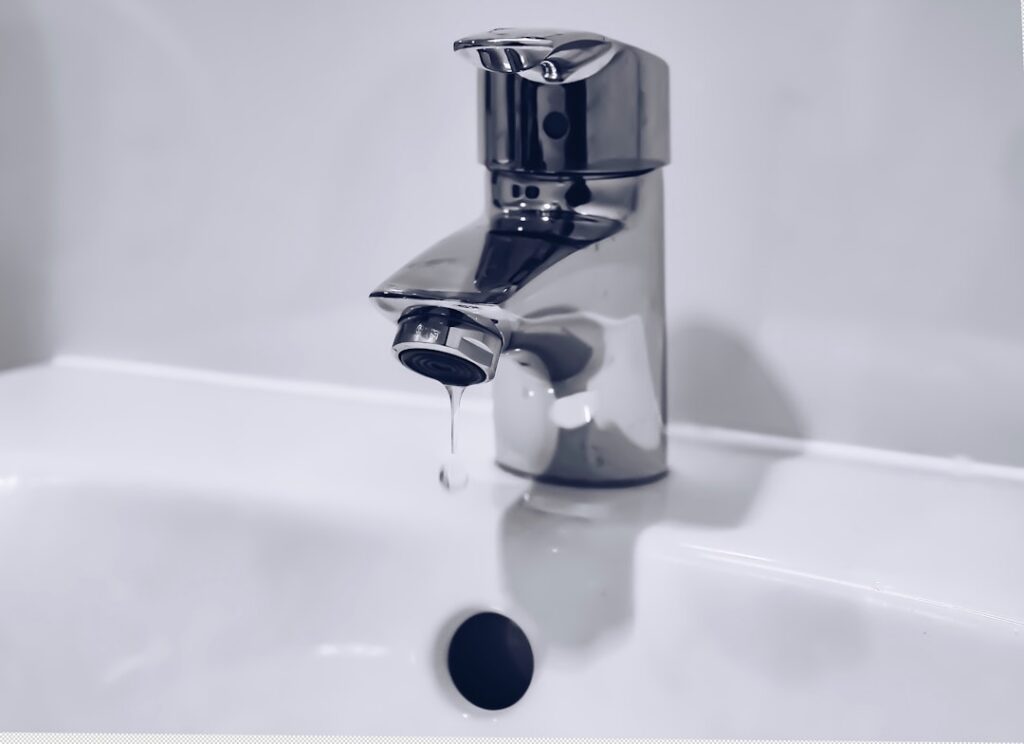
A dark ring just inside the drain, black specks along the caulk line, a slimy film around the faucet base, or a musty smell when the vanity door opens: these are the usual ways black mold in sink areas announces itself. Sinks are wet several times a day, collect soap, toothpaste, food and skin oils, and have crevices that rarely dry completely. That combination makes them one of the most common places homeowners notice dark growth. Some of what looks like mold is actually bacterial slime, and some of it is genuine mold growing in caulk or on a damp cabinet floor. The response is similar for both, and most sink-level growth is a cleaning and moisture job a homeowner can handle. This guide covers where dark growth forms around a sink, what each spot usually means, how to clean it, how to deal with leaks under the sink, and when the problem is bigger than the sink. It summarizes EPA and CDC guidance current as of 2026 for Colorado Front Range homes and is general information, not a diagnosis.
Part of our Black Mold & Your Health guide — start there for the full picture →
Is this mold, asbestos, or water damage? Get a free instant screen
Upload a clear photo of the suspect area. You'll get an instant AI screening opinion and what to do next. This is screening guidance, not a professional determination.
Screening guidance only. AI can be wrong. Confirm asbestos, mold type, or lead with lab testing or a licensed professional before acting.
Why Sinks Grow Black Slime and Mold
Mold needs moisture, a food source and time. A sink supplies all three. Water sits in the drain opening, in the overflow channel, under the faucet base and in the bead of sealant where the bowl meets the counter. Soap scum, toothpaste, food scraps and grease leave an organic film that feeds microbial growth. And because a sink is used again before it has fully dried, those surfaces may never get the dry spell that would otherwise stop growth.
EPA puts the core principle plainly: the key to mold control is moisture control. Molds generally do not cause problems indoors unless spores land on a wet or damp spot and begin growing (EPA, A Brief Guide to Mold, Moisture and Your Home). A sink is a small, permanently damp spot, which is why the same corners darken again a few weeks after cleaning.
Scrubbing removes growth; drying and repairing drips keep it from returning. The broader mold inspection and testing section follows the same moisture-first logic for every room in the house.
Mold, biofilm or bacteria?
A black or dark gray ring just inside the drain opening is often not mold at all, or not only mold. Drains commonly develop biofilm, a slimy layer of bacteria and other microbes held together by the material they secrete, mixed with soap and organic debris. It can look black, gray, orange or pink, and it often smells sour or musty. Fuzzy, spotty or speckled growth on caulk or on the cabinet floor is more typical of mold. In practice it is hard to tell them apart by eye, and the distinction rarely changes the plan: clean it off, dry the area and remove the moisture or residue that keeps feeding it.
CDC makes the same point about mold generally. If mold is seen or smelled, it should be removed, and the type of mold does not need to be known to clean it up (CDC, About Mold). So a lab sample of a drain ring is rarely worth the money. The guide to black mold in a sink and the black mold hub cover what the term “black mold” does and does not mean.
Where Black Mold Shows Up Around a Sink
Most sinks have five trouble spots.
The drain opening and stopper
The ring just inside the drain, the underside of a pop-up stopper and the stopper rod are the most common places to find dark slime. Hair, soap and toothpaste trap water there. The guide to the kitchen sink drain explains how the basket strainer and drain assembly fit together, which helps when taking them apart for cleaning.
The overflow hole
Most bathroom basins have a small overflow opening near the rim that connects to a channel running down to the drain. Water splashes into it, never fully drains, and the inside of that channel is rarely cleaned. It is a common source of a musty smell that persists even after the drain itself is clean. A dark edge around the overflow opening is usually a sign the channel behind it is coated.
The caulk line
The bead of silicone or acrylic sealant where the sink meets the counter, or where the backsplash meets the countertop, often develops black specks or a gray band. If the dark color sits on the surface, it can usually be cleaned. If it is inside the bead, or showing through from behind it, cleaning will not reach it. Growth embedded in caulk generally means the caulk has to come out.
The faucet base, handles and aerator
Water pools around the base of a faucet and under handles, especially on single-hole faucets with a deck plate. A dark, slippery film forms where the escutcheon meets the counter. The aerator at the spout tip can also collect dark residue mixed with mineral scale, which is common with harder Front Range municipal and well water.
The under-sink cabinet
This is the spot that matters most. A slow drip from a supply line, a shutoff valve, the drain tailpiece or the P-trap can keep the cabinet floor damp for weeks before anyone notices. Mold grows on the cabinet floor, the back panel, cardboard boxes and sponges stored there. A cabinet floor that is warped, soft or bubbled at the edges points to a leak that has been running for some time.
Sink Mold by Location: Cause and Fix
The table below matches each spot to the most likely cause and the usual fix.
| Spot | Likely cause | Fix |
|---|---|---|
| Ring inside the drain | Biofilm and organic buildup, often bacterial; standing water | Remove stopper or strainer, scrub with detergent and a drain brush, rinse with hot water, repeat regularly |
| Overflow hole | Splash water that never drains or dries; coated channel | Flush and scrub with a narrow bottle brush; rinse well |
| Caulk line (surface) | Water sitting on the bead after each use | Scrub with detergent and water, dry, wipe the bead after use |
| Caulk line (inside or behind bead) | Water getting behind failed or cracked sealant | Cut out caulk, clean and dry the joint fully, recaulk |
| Faucet base and handles | Pooled water at the deck plate; possible slow faucet drip | Clean, dry, check the faucet seal and repair drips |
| Aerator | Scale and residue at the spout tip | Unscrew, soak in vinegar, scrub, rinse, reinstall |
| Under-sink cabinet floor | Supply-line, valve, tailpiece or P-trap leak | Find and repair the leak, dry fully, clean or replace damaged panels |
| Swollen or soft cabinet base | Long-term leak saturating particleboard | Repair leak, replace the panel; check for hidden growth behind it |
How to Clean Each Spot
For hard, non-porous surfaces such as porcelain, stainless steel, solid-surface counters and chrome, EPA’s cleanup guidance is to scrub mold off with detergent and water and dry the surface completely (EPA, Mold Cleanup in Your Home). CDC adds that mold can be removed from hard surfaces with household products, soap and water, or a bleach solution of no more than 1 cup of household laundry bleach in 1 gallon of water, and warns never to mix bleach with ammonia or other cleaners because it can produce a poisonous gas (CDC, About Mold). Wear gloves and eye protection, open a window or run the fan, and keep the area ventilated while working.
Cleaning the drain and stopper
- Remove the pop-up stopper or kitchen basket strainer. Many bathroom stoppers lift straight out; others release by loosening the pivot rod nut under the sink.
- Pull out hair and debris by hand or with a plastic drain tool.
- Scrub the stopper and the inside of the drain opening with a drain brush and detergent. Work down as far as the brush reaches.
- Flush with hot water for a minute or two to move loosened material through the trap.
A drain that keeps turning black within days, or drains slowly after cleaning, usually has buildup further down in the tailpiece or trap. That calls for disassembly rather than stronger chemicals.
Cleaning the overflow channel
Push a narrow bottle brush or flexible pipe brush into the overflow opening and scrub the inside of the channel, then flush it with hot water poured directly into the opening.
Cleaning or replacing caulk
Surface spotting on caulk can usually be scrubbed off with detergent, a soft brush and patience. If the dark color stays after scrubbing, the growth is in or behind the bead. EPA advises against painting or caulking over moldy surfaces: clean the mold and dry the surfaces first (EPA, Mold Cleanup in Your Home). In practice that means:
- Cut out the old caulk with a utility knife or caulk removal tool.
- Scrub the joint with detergent and water, rinse and let it dry completely, ideally overnight with a fan.
- Apply a fresh bead of kitchen-and-bath sealant and let it cure for the full time on the label before using the sink.
Cleaning the faucet base and aerator
Scrub around the deck plate and handles with an old toothbrush and detergent, then dry. Unscrew the aerator, soak it in white vinegar to loosen scale, scrub the screens and rinse before reinstalling. If water seeps from beneath the faucet base or a handle when the faucet runs, the cartridge or O-rings may be failing, and the drip will keep feeding growth until it is repaired.
The broader guide on how to get rid of mold covers cleaning on other surfaces, and the guide to black mold in a dishwasher is useful for kitchens, since the dishwasher drain often shares plumbing with the sink.
Leaks Under the Sink and Swollen Cabinets
Dark growth on the cabinet floor is almost always a leak problem first and a mold problem second. Cleaning it without stopping the water simply resets the clock. EPA’s cleanup guidance starts with exactly that step: fix plumbing leaks and other water problems as soon as possible and dry all items completely (EPA, Mold Cleanup in Your Home).
Finding the leak
Empty the cabinet and dry every surface with a towel. Lay a sheet of dry paper towel on the cabinet floor, then run the faucet hot and cold for a few minutes, fill the basin and release it, and check where drops appear. Common sources include:
- Supply lines and shutoff valves. Braided supply lines and compression fittings can weep at the connection. Feel each joint with a dry tissue.
- The tailpiece. The short vertical pipe from the sink drain down to the trap has slip-nut joints that loosen over time. The guide to the sink tailpiece explains how it connects and how to reseat it.
- The P-trap. The curved section below the sink holds water to block sewer gas. Its slip nuts and washers can leak, especially after someone has taken it apart to clear a clog. See the P-trap guide.
- The basket strainer or drain flange. Plumber’s putty or gaskets under the drain flange dry out, and water can track down the outside of the tailpiece.
- The faucet itself. Seepage at the base can run down the supply lines.
The guide to a leak under the kitchen sink walks through diagnosis in more detail. Small drips add up: EPA WaterSense notes that household leaks can waste more than 9,300 gallons of water a year in the average home, and that a faucet dripping at one drip per second can waste more than 3,000 gallons per year. It also suggests checking faucet gaskets and pipe fittings for water on the outside of the pipe as a sign of a leak (EPA WaterSense, Fix a Leak Week).
Swollen particleboard and hidden growth
Most vanity and kitchen cabinet floors are particleboard or medium-density fiberboard with a thin laminate. Once water gets into the core, it swells, crumbles and stays wet for a long time. Porous materials like this are hard to clean: EPA notes that absorbent or porous materials may have to be thrown away if they become moldy, because mold can grow into crevices and be difficult to remove completely (EPA, Mold Cleanup in Your Home).
A swollen cabinet floor is usually better replaced than cleaned. Cut out the damaged panel or fit a new one over solid framing, after the leak is fixed and the space below has dried. Check the wall and subfloor behind it. Long-running leaks can track into drywall and flooring where growth is hidden from view. A musty odor that remains after the cabinet is cleaned and dry suggests material that still needs attention.
Items stored under the sink deserve a look too. Cardboard boxes, paper bags and sponges absorb water and should be thrown out if moldy. Towels and rags can sometimes be laundered; see mold on fabric for when washing is enough.
Preventing Mold in and Under the Sink
Prevention is mostly about giving the sink a chance to dry and catching water where it should not be. EPA’s Brief Guide recommends fixing plumbing leaks and other water problems as soon as possible, acting quickly when leaks or spills occur so wet materials are dried within 24 to 48 hours, running the bathroom fan or opening a window when showering, and using exhaust fans or opening windows when cooking, running the dishwasher or washing dishes (EPA, A Brief Guide to Mold, Moisture and Your Home). It also notes that in places that are often or always damp, increasing ventilation and cleaning more frequently will usually prevent mold from recurring, or at least keep it to a minimum.
Practical habits that help:
- Dry the basin and deck. A quick wipe around the faucet base and caulk line after heavy use removes the standing water that feeds growth.
- Clean the drain on a schedule. Pulling and rinsing the stopper every couple of weeks keeps biofilm from building into a thick ring.
- Run the exhaust fan. Bathroom vanities in rooms without a working fan stay humid long after a shower. Leave the fan on for a while after bathing.
- Fix drips promptly. A dripping faucet or weeping supply line is a steady water source. Repairs are often a washer, cartridge or fitting.
- Check the cabinet monthly. Run a hand along the cabinet floor and under the trap. A small leak caught early rarely leads to mold.
Front Range homes tend to have dry indoor air in winter, which helps surfaces dry, but sinks are the exception because they are wet repeatedly.
Health Concerns and When to Call a Professional
For most people, a dark drain ring is a cleanliness issue rather than a health emergency. Still, mold exposure affects people differently. CDC notes that for some people mold can cause a stuffy nose, sore throat, coughing or wheezing, burning eyes or skin rash; people with asthma or mold allergies may have severe reactions; and immune-compromised people and people with chronic lung disease may get infections from mold (CDC, About Mold). Anyone in those groups should avoid doing heavy mold cleanup and should talk with a physician about symptoms. The guide to black mold symptoms covers what health agencies do and do not link to mold exposure.
EPA’s size guideline is a useful line for deciding who should do the work. If the moldy area is less than about 10 square feet, roughly a 3 foot by 3 foot patch, most homeowners can handle it themselves; larger areas, or growth after significant water damage, may call for a professional (EPA, Mold Cleanup in Your Home). Sink-level growth almost always falls well under that size. Signs that the problem extends beyond the sink include:
- A musty smell that persists after the drain, overflow and cabinet are clean and dry.
- Soft, stained or bubbling drywall behind or beside the vanity.
- Growth that comes back quickly despite cleaning and a confirmed repair.
In those cases, a plumber can confirm the leak is fixed, and a mold inspector can check for hidden moisture with a moisture meter and visual inspection inside wall cavities or under flooring. Testing is rarely needed for visible sink growth; CDC says it does not recommend mold testing, noting that there are no set standards for what is and is not an acceptable quantity of mold in a home. For homeowners who want a basic screening, a mold test kit can show whether airborne spores are elevated, though results need careful interpretation.
It also helps to know what is not mold. Pink or orange slime in a sink or shower is usually bacterial, and gray mildew-like film on grout or caulk is often surface mildew. The guide to mildew stains explains how to remove lighter surface growth and stains that remain after cleaning.
Front Range Notes on Sinks and Moisture
Several conditions common in Colorado Front Range homes shape how sink mold develops. Many newer homes have particleboard vanity bases that swell quickly when wet. And during winter, a cold exterior wall behind a kitchen sink can cause condensation on supply lines or on the back of the cabinet, which looks like a slow leak but is actually moisture forming on cold surfaces.
When the cabinet floor is damp but no drip can be found, run the hand along the cold-water supply line on a humid day. If it is sweating, insulating the pipe and improving air movement in the cabinet usually solves the problem. EPA’s Brief Guide lists covering cold surfaces such as cold water pipes with insulation among the steps that help prevent condensation (EPA, A Brief Guide to Mold, Moisture and Your Home).
References
- A Brief Guide to Mold, Moisture and Your Home — U.S. Environmental Protection Agency
- Mold Cleanup in Your Home — U.S. Environmental Protection Agency
- About Mold — Centers for Disease Control and Prevention
- Fix a Leak Week — U.S. Environmental Protection Agency, WaterSense
Frequently asked questions
Is the black ring in a sink drain mold?
Sometimes, but often it is biofilm, a slimy layer of bacteria and organic residue that can also look gray, pink or orange. Telling them apart by eye is difficult, and it rarely changes the fix: remove the stopper, scrub the drain with detergent and hot water, and clean it regularly.
Can bleach be poured down a drain to kill sink mold?
Scrubbing with detergent and water removes most drain growth. CDC lists a bleach solution of no more than 1 cup per gallon of water as an option for hard surfaces, but bleach should never be mixed with ammonia or other cleaners, including drain products, because toxic fumes can result.
Should moldy caulk around a sink be cleaned or replaced?
Surface spots can often be scrubbed off. If dark color remains inside or behind the bead, cut the caulk out, clean and fully dry the joint, then recaulk. EPA advises against caulking over moldy surfaces.
Why does the cabinet under the sink smell musty?
A slow leak from a supply line, shutoff valve, tailpiece or P-trap is the usual cause, and stored cardboard or sponges can hold moisture too. Empty the cabinet, dry it, find and fix the leak, and replace any swollen particleboard.
When does sink mold need a professional?
Call a pro when growth extends beyond the cabinet, drywall or flooring is soft or stained, a musty smell persists after cleaning, or a leak has run for an unknown time. EPA suggests professional help for areas larger than about 10 square feet.
Cleaned the drain and the cabinet but still smell something musty behind the vanity? Reach out to our team and we can connect you with a Front Range inspector who can check the wall and floor around the sink for hidden moisture.
Mold removal & cleanup picks
For a small, contained patch (under ~10 sq ft) these EPA-friendly removers handle surface mold. Larger or recurring growth warrants a professional assessment first.
| Product | Why | Buy |
|---|---|---|
 RMR-86 Instant Mold Stain Remover RMR-86 Instant Mold Stain Remover | Fast-acting on stains; ventilate and wear PPE. | Amazon — $29.99 |
 Concrobium Mold Control Concrobium Mold Control | No-bleach formula that also helps prevent regrowth. | Amazon — $11.26 |
 Mold Armor Mold & Mildew Remover Mold Armor Mold & Mildew Remover | Widely stocked bathroom/surface remover. | Amazon — $22.98 |