Black Mold Under Sink: What Homeowners Need to Know
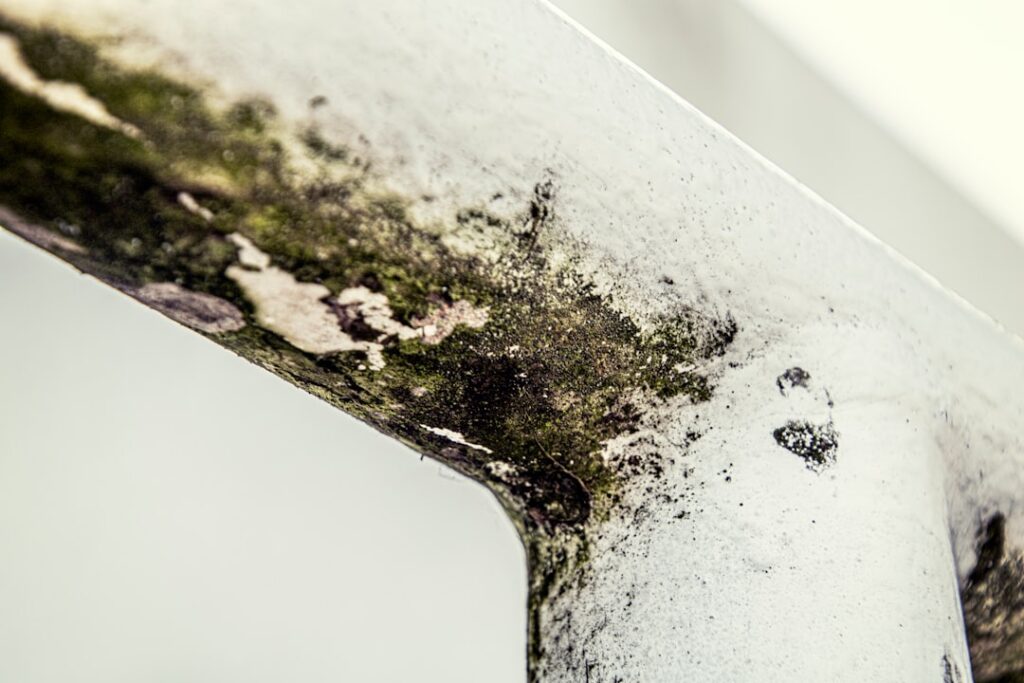
Open the cabinet under a kitchen or bathroom sink and a dark, musty patch on the back wall or cabinet floor is a common, unwelcome find. Black mold under sink areas thrives because the space is dark, enclosed, and frequently damp from small plumbing leaks. The good news: most under-sink mold is a contained, manageable problem if you act early and fix the leak feeding it. This guide summarizes EPA and CDC guidance current as of 2026 and general practice; consult your physician about symptoms and a certified professional for larger or recurring problems in your specific home.
Part of our Black Mold & Your Health guide — start there for the full picture →
Is this mold, asbestos, or water damage? Get a free instant screen
Upload a clear photo of the suspect area. You'll get an instant AI screening opinion and what to do next. This is screening guidance, not a professional determination.
Screening guidance only. AI can be wrong. Confirm asbestos, mold type, or lead with lab testing or a licensed professional before acting.
What Causes Black Mold Under a Sink?
Under-sink mold comes down to moisture in an enclosed, poorly ventilated space. The usual sources are slow drip leaks at the P-trap or supply line connections, condensation on cold water pipes, a leaking garbage disposal seal, or water that seeped in during a past overflow and never fully dried. Cabinet bases are often made of particleboard or MDF, which absorb water readily and provide the organic material mold feeds on.
The cabinet’s design works against you: doors stay closed, air doesn’t circulate, and a small leak can stay hidden for weeks. By the time you notice the smell or the stain, mold may have spread across the cabinet floor and up the back panel. The EPA’s guidance is consistent here, mold grows wherever moisture persists, so the fix always pairs cleaning with eliminating the water source. For broader context on dark mold, our guide to what black mold looks like on wood helps you tell growth from staining.
Is Black Mold Under the Sink Dangerous?
“Black mold” is a loose term, color alone doesn’t identify the species or its risk. The CDC notes mold exposure commonly causes nasal congestion, throat irritation, coughing, wheezing, and eye irritation, with stronger reactions in people who have mold allergies or asthma. People with weakened immune systems or chronic lung conditions face higher risk of more serious effects. A small, contained patch under a sink is usually low risk to clean, but treat any growth seriously and consult a doctor about specific symptoms.
Because the cabinet is enclosed, under-sink mold often stays localized rather than circulating through the home the way duct mold does. That containment is one reason it’s frequently a reasonable DIY job, provided the affected area is small.
How to Clean Black Mold Under a Sink
For a small area, roughly under 10 square feet per EPA guidance, you can usually handle cleanup yourself. Work methodically and protect yourself.
Step-by-Step Cleanup
First, shut off the water supply to the sink and clear everything out of the cabinet. Put on an N95 respirator, rubber gloves, and eye protection, and open a window or run a fan vented outdoors. Fix the leak before cleaning, tighten or replace the failing connection, P-trap, or disposal seal, because cleaning over an active leak accomplishes nothing.
Scrub hard, non-porous surfaces with detergent and water; the EPA recommends soap and water rather than relying on bleach for most household mold cleanup. Dry the area thoroughly with towels and a fan. If the cabinet base is particleboard that’s swollen, crumbling, or stained through, it’s porous and water-damaged, and the EPA notes such materials usually can’t be fully cleaned and should be removed and replaced. Our overview of cleaning mold covers products and technique in more depth.
Finding the Leak Behind the Mold
Because under-sink mold is almost always leak-driven, locating the water source is half the job. Work through the usual suspects in order. Dry everything, then run water and watch the P-trap and the slip-nut connections for drips. Check the supply-line connections at the shutoff valves and the faucet tailpieces, snug fittings sometimes weep under pressure. Inspect the base of the faucet where it meets the countertop, since a failed seal there can run water down into the cabinet. If you have a garbage disposal, check the seal between the disposal and the sink flange and the discharge connection.
Condensation is a sneakier culprit. On humid days, or in summer when supply lines are cold, water can bead on the pipes and drip onto the cabinet floor with no actual leak at all. The fix in that case is pipe insulation rather than a plumbing repair. If you tighten everything and dampness still returns, place a paper towel under each connection overnight; the spot that wets first is your source. This kind of methodical tracing is exactly what prevents the cycle of cleaning the same patch month after month.
Repairing Water Damage Under the Cabinet
Once the leak is fixed and the mold cleaned, assess the cabinet base. A swollen, delaminated, or crumbling particleboard floor is water-damaged beyond cleaning and should be cut out and replaced; many homeowners line the repaired base with a peel-and-stick vinyl mat or a fitted plastic under-sink liner to protect it going forward. If the leak ran long enough to reach the subfloor or the wall behind the cabinet, that’s where DIY ends and an inspection begins, hidden moisture in framing can rot wood and support mold you can’t see.
When to Call a Professional
Call a pro when the mold covers a large area, when it has spread into the wall behind the cabinet or under the flooring, when it keeps returning after cleaning, or when there’s been a significant or long-standing leak. A musty smell that persists after cleaning suggests hidden growth, possibly behind drywall or beneath the subfloor, that warrants inspection. Households with members who have asthma, allergies, or compromised immunity should lean toward professional handling. If you can’t pin down where the moisture is coming from, an independent inspection finds it before you keep re-cleaning the same spot.
Is Under-Sink Mold a Health Concern?
Because the cabinet is enclosed and small, under-sink mold is usually a localized exposure rather than a whole-home one, which puts it on the lower-risk end of household mold problems. Still, the CDC’s general guidance applies: mold exposure can cause nasal congestion, throat irritation, coughing, wheezing, and eye irritation, with stronger reactions in people who have mold allergies or asthma, and more serious effects in those with weakened immune systems. The main exposure moment is during cleaning, when scrubbing disturbs the growth and releases spores, which is why protective gear and ventilation matter even for a small job.
For a kitchen cabinet, there’s an added consideration: cleaning supplies, dish soap, and sometimes food storage share that space, so you want the area genuinely clean and dry, not just wiped. After remediating, let the cabinet air out before returning items, and store cleaning chemicals separately from anything food-related. If a household member with a respiratory condition is sensitive, having someone else do the cleaning, or calling a professional for anything beyond a minor patch, is the prudent path.
Preventing Mold From Coming Back
Prevention starts with stopping leaks. Check under-sink connections periodically for drips and dampness. Insulate cold water pipes that sweat with condensation. Keep a leak-detection habit: place a light-colored towel or a moisture sensor in the cabinet base so a new leak shows quickly. Improve airflow by leaving the cabinet doors open occasionally, especially after using the sink heavily. Store items off the cabinet floor on a shelf or liner so any moisture is visible rather than trapped.
Along the Front Range, under-sink condensation is common in summer when cold supply lines meet warm indoor air, and slow leaks can go unnoticed in finished basement bathrooms. Colorado’s dry climate doesn’t prevent localized cabinet moisture, the source is plumbing and condensation, not ambient humidity, so the fixes are the same year-round.
A few low-effort habits prevent most repeat problems. Replace worn supply lines and the P-trap’s slip-joint washers proactively if they’re old; braided stainless supply lines are more reliable than older compression connections. Add foam pipe insulation to cold supply lines that sweat. Keep the cabinet uncluttered so a new drip is visible rather than hidden behind stored bottles. And once or twice a year, empty the cabinet and check the base and back panel for the first signs of staining or a musty smell. Catching a problem at the staining stage keeps it a wipe-down rather than a cabinet replacement.
Kitchen vs. Bathroom Under-Sink Mold
The two most common under-sink mold locations behave a little differently. Kitchen sink cabinets contend with garbage-disposal seals, dishwasher supply and drain connections, and frequent heavy water use, so leaks there are often at the disposal or the dishwasher line rather than the trap alone. Food residue washed into the cabinet can also feed growth. Bathroom vanities, by contrast, more often suffer from condensation on cold supply lines and slow drips at the pop-up drain assembly, plus the added humidity of a steamy room.
The cleanup and the principle are the same in both, find and fix the water, then clean or replace affected materials, but the leak hunt focuses on different fittings. In kitchens, check the disposal and dishwasher connections first; in bathrooms, check the drain assembly and look for condensation. Knowing where each room’s leaks tend to originate shortens the search and gets you to the actual source faster.
How a Small Leak Becomes a Big Problem
The reason under-sink mold deserves prompt attention is how quickly a trivial drip escalates if ignored. A leak too slow to puddle still keeps the cabinet base damp, and within days mold colonizes the particleboard. Over weeks, the swelling base delaminates and the growth climbs the back panel. Over months, water wicks into the wall behind the cabinet and down to the subfloor, rotting wood and creating hidden growth that a simple cabinet cleanup can’t reach.
What starts as a 20-minute wipe-down can turn into removing the cabinet, replacing flooring, opening the wall, and remediating framing, exactly the large, costly job the EPA’s professional threshold describes. The lesson is that under-sink mold is most manageable when caught while it’s still a patch on the cabinet floor. Periodically opening the cabinet to look and smell, especially under a kitchen sink that gets heavy use, is the cheapest mold prevention there is. Catching the drip early is the difference between a quick fix and a remediation project.
How Under-Sink Mold Differs From Other Mold Problems
Compared with attic, basement, or HVAC mold, under-sink mold is usually smaller, more contained, and easier to trace to a single leak. That makes it one of the more DIY-friendly mold situations, when caught early. The risk is letting it sit: a slow leak left for months can rot the cabinet, damage the floor, and spread into the wall, turning a 20-minute cleanup into a remediation project. Catching it while it’s still a patch on the cabinet base is the difference. The broader mold inspection hub explains when to escalate from cleanup to professional assessment.
References
- Mold Cleanup in Your Home — U.S. Environmental Protection Agency
- About Mold and Your Health — Centers for Disease Control and Prevention
- A Brief Guide to Mold, Moisture and Your Home — U.S. Environmental Protection Agency
Frequently asked questions
What causes black mold under a sink?
Moisture in an enclosed, poorly ventilated cabinet, usually from slow plumbing leaks at the P-trap or supply lines, pipe condensation, or a leaking disposal seal. Particleboard cabinet bases absorb water and feed mold growth. The fix always includes stopping the water source.
Can I clean black mold under my sink myself?
Yes, for a small contained area under about 10 square feet. Shut off the water, wear an N95 respirator and gloves, fix the leak, and scrub hard surfaces with detergent and water. Swollen or crumbling particleboard should be replaced rather than cleaned.
Is black mold under the sink dangerous?
A small contained patch is usually low risk to clean, but mold can cause congestion, coughing, and eye irritation, with stronger reactions in people who have allergies, asthma, or weakened immunity. Consult a doctor about specific symptoms.
How do I stop mold from returning under my sink?
Fix and monitor leaks, insulate sweating cold-water pipes, improve airflow, and store items off the cabinet floor so moisture is visible. A moisture sensor or light towel in the cabinet base reveals new leaks early.
If under-sink mold keeps coming back or you suspect it has spread into the wall, reach out through our contact page to connect with a trusted Front Range inspector.
Mold removal & cleanup picks
For a small, contained patch (under ~10 sq ft) these EPA-friendly removers handle surface mold. Larger or recurring growth warrants a professional assessment first.
| Product | Why | Buy |
|---|---|---|
 RMR-86 Instant Mold Stain Remover RMR-86 Instant Mold Stain Remover | Fast-acting on stains; ventilate and wear PPE. | Amazon — $29.99 |
 Concrobium Mold Control Concrobium Mold Control | No-bleach formula that also helps prevent regrowth. | Amazon — $34.27 |
 Mold Armor Mold & Mildew Remover Mold Armor Mold & Mildew Remover | Widely stocked bathroom/surface remover. | Amazon — $22.98 |