Mold Under Sink: What Homeowners Need to Know
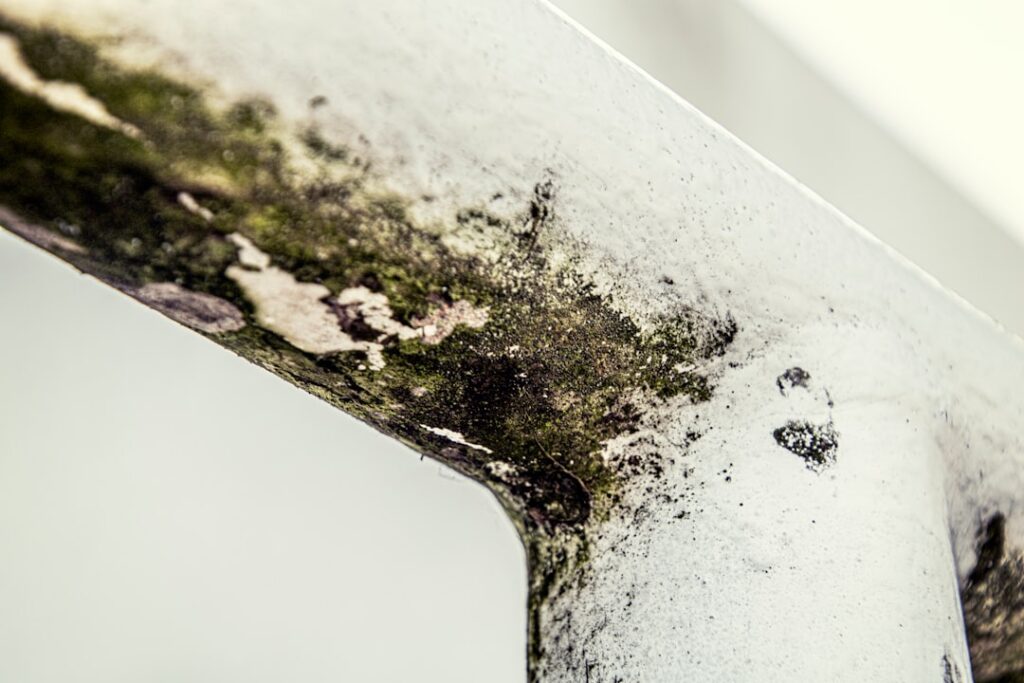
The dark cabinet beneath a kitchen or bathroom sink is one of the most common places mold takes hold in a home. Hidden plumbing, slow drips, and trapped humidity create the damp, dim conditions fungi need. Many homeowners only discover mold under sink cabinets after noticing a musty smell or a warped cabinet floor. This guide summarizes EPA and CDC guidance current as of 2026 and explains what causes the growth, how to clean small patches safely, and when the problem points to a plumbing or moisture issue that needs a certified professional. It does not diagnose health conditions; consult a physician about symptoms.
Part of our Mold Around the Home guide — start there for the full picture →
Is this mold, asbestos, or water damage? Get a free instant screen
Upload a clear photo of the suspect area. You'll get an instant AI screening opinion and what to do next. This is screening guidance, not a professional determination.
Screening guidance only. AI can be wrong. Confirm asbestos, mold type, or lead with lab testing or a licensed professional before acting.
Why Mold Grows Under Sinks
Mold needs three things: moisture, an organic food source, and time. The cabinet under a sink supplies all three. Particleboard and plywood cabinet bottoms are organic, the enclosed space holds humidity, and the cabinet sits directly below water-supply lines, drain pipes, and shutoff valves that can weep slowly for weeks before anyone notices.
The most frequent triggers are a loose compression fitting on a supply line, a worn P-trap washer, a failed garbage-disposal gasket, or condensation on a cold water line during humid stretches. Even a small drip of a few drops per hour keeps the cabinet floor damp enough for colonization. The EPA notes that mold can begin growing on a wet surface within 24 to 48 hours, so a leak that goes unnoticed over a weekend is enough to start a colony.
Front Range homes are generally dry, but kitchens and bathrooms are the exception. Cooking, dishwashing, and bathing push indoor humidity up locally, and a sealed cabinet traps that moisture against wood. Older Denver-area homes with original cabinetry are especially prone because the unfinished underside of the cabinet floor absorbs water readily.
How to Identify Mold Under a Sink
Visual signs are usually the first clue. Look for black, green, gray, or white speckling on the cabinet floor, the back wall of the cabinet, or the underside of the countertop. Mold often radiates outward from the wet spot near the pipes. A persistent musty or earthy odor when you open the cabinet door is another strong indicator, even before staining is obvious.
Run your hand along the cabinet floor and the pipes. Dampness, soft or spongy wood, peeling laminate, and bubbling paint all signal chronic moisture. Water stains that are darker at the edges suggest repeated wetting and drying. If the cabinet bottom flexes under light pressure, water has already compromised the material.
It helps to distinguish mold from simple mineral deposits or dirt. Mold tends to be fuzzy or slimy and spreads in irregular patches, while mineral scale is hard and chalky. If you are unsure whether a stain is mold or mildew, our explainer on telling mold and mildew apart walks through the differences in texture and color.
Color offers a few clues but is not a diagnosis. Black, green, and gray growth under a sink is common and reflects the species that thrive on damp wood and cellulose. Lighter white or grayish patches can be early-stage growth or a different organism. The color matters far less than the presence of moisture and the texture of the growth, so resist the urge to identify a specific health risk from appearance alone. What confirms a problem is the combination of dampness, staining, and odor in a space that should be dry.
Use a flashlight and check the less obvious spots. Mold often starts at the back corners of the cabinet where water pools and light never reaches, behind stored items, and on the underside of the sink basin where condensation drips. The hinge side of the cabinet door and the toe-kick area below the cabinet are easy to miss. A thorough look means removing everything and inspecting every interior face, not just the visible floor near the front.
Is Mold Under the Sink Dangerous?
For most healthy people, brief contact with a small mold patch is not a medical emergency. The CDC states that exposure to damp and moldy environments can cause symptoms such as nasal congestion, throat irritation, coughing, and eye irritation, and that people with asthma or mold allergies may react more strongly. People with weakened immune systems or chronic lung disease face higher risk and should avoid disturbing mold themselves.
The bigger concern with under-sink mold is what it reveals: an active or recurring water problem. Mold is a symptom of excess moisture, and that same moisture rots cabinetry, damages subfloors, and can migrate into wall cavities. Addressing only the visible growth without fixing the leak guarantees it returns. Anyone experiencing persistent respiratory symptoms at home should consult a physician rather than self-diagnosing a mold cause.
How to Clean a Small Patch of Mold Under a Sink
The EPA’s general guidance is that homeowners can typically handle mold covering less than about 10 square feet themselves, roughly a 3-foot-by-3-foot area. Larger growth, or mold tied to sewage or a long-running leak, warrants a professional.
Before cleaning, stop the water source. Shut off the supply valves, clear everything out of the cabinet, and let the space dry. Open a window or run a fan, and wear an N95 respirator, gloves, and eye protection as the EPA recommends when disturbing mold.
Cleaning Steps
Scrub non-porous surfaces such as pipes, valves, and laminate with detergent and water, then dry them thoroughly. Hard, non-porous surfaces do not need bleach for routine mold cleanup according to the EPA; soap and water plus thorough drying is usually sufficient. For sealed wood that is still structurally sound, a detergent scrub followed by complete drying works well.
Porous, water-damaged material is different. If the cabinet floor is soft, crumbling, or saturated, mold has penetrated the material and surface cleaning will not remove it. That section should be cut out and replaced. Bag moldy debris in plastic before carrying it through the house to limit spore spread. For a broader walkthrough of safe removal techniques, see our guide on how to get rid of mold.
After scrubbing, the most important step is drying, and it is the one most homeowners shortchange. Run a fan into the open cabinet, leave the doors open, and consider a small dehumidifier in the room for a day or two until the wood reads dry to the touch and to a moisture meter. A cabinet that looks clean but stays slightly damp will simply grow mold again on the freshly exposed surface. Do not reload the cabinet, do not reseal it, and do not repaint until it is verifiably dry. Patience at this stage is what separates a one-time cleanup from a recurring chore, because mold cannot re-establish on a surface that never stays wet.
Fixing the Underlying Leak
Cleaning is wasted effort if water keeps arriving. Inspect the supply-line connections, the P-trap, and the disposal gasket while the cabinet is empty. Tighten loose fittings, replace cracked washers, and run water while watching for fresh drips. Condensation on cold supply lines can be reduced with foam pipe insulation.
Once repaired, line the cabinet floor with a removable waterproof mat or tray so the next leak is caught before it soaks the wood. Leave the cabinet doors open periodically to let humidity escape, and address any musty smell promptly. A moisture meter can confirm the cabinet floor has dried fully before you reload it, since a surface that feels dry to the touch may still hold moisture in the material that a meter will catch.
When to Call a Professional
Some situations are beyond a DIY scrub. Call a qualified mold or water-damage professional if the affected area exceeds about 10 square feet, if mold keeps returning after cleaning, if you smell mold but cannot find the source, if the leak involves sewage or contaminated water, or if anyone in the household has a health condition that makes mold exposure risky.
A professional can use moisture mapping and sometimes air or surface sampling to find hidden growth inside wall cavities or under flooring that you cannot see. They can also confirm whether the subfloor beneath the cabinet has been affected. The parent mold inspection and testing hub covers how testing and remediation decisions are made and what to expect from a qualified inspector.
Water under a sink rarely stays under the sink. A slow leak can wick into the adjacent flooring, run along the subfloor to the next room, or travel down into a basement or crawl space below. By the time mold appears in the cabinet, moisture may already have reached places you cannot inspect from above. This is why a professional assessment is worthwhile when the problem is more than a small surface patch: the visible mold is sometimes the smallest part of the damage. An inspector can trace the moisture path and tell you whether the issue is contained to the cabinet or has spread into the structure.
Kitchen Versus Bathroom Under-Sink Mold
While the causes overlap, kitchen and bathroom cabinets present slightly different problems. Kitchen sinks add a garbage disposal, a dishwasher drain connection, and often a water-filter or instant-hot unit, each of which is another fitting that can weep. Food residue washed down the drain also enriches any standing water, giving mold a more nutrient-dense surface to colonize. The cabinet under a kitchen sink tends to be packed with cleaning supplies, trash bins, and bags, which traps humidity and hides early staining from view.
Bathroom vanities see less plumbing but more ambient humidity, because the room itself runs damp after showers and baths. A bathroom cabinet that sits against an exterior wall can also collect condensation on the back panel during cold Front Range months. The takeaway is the same in both rooms: clear the cabinet periodically, look at every surface, and treat any musty smell as a prompt to investigate rather than mask with an air freshener.
Common Mistakes That Make Under-Sink Mold Worse
A few habits turn a small problem into a recurring one. Spraying air freshener or covering the smell with a deodorizer hides the warning sign while the leak continues. Painting or sealing over moldy, water-damaged cabinet wood traps moisture and the growth beneath the finish, where it keeps spreading. Reloading the cabinet with supplies before the wood has fully dried locks humidity in against the material.
Another frequent error is cleaning the visible mold without ever finding the leak, which guarantees a return within weeks. Some homeowners also over-rely on bleach, soaking a porous cabinet floor that then stays wet underneath. The EPA’s guidance favors detergent, scrubbing, and thorough drying for cleanable surfaces, and replacement of porous material that has rooted growth. Matching the response to the material, and always fixing the water first, avoids the cycle of clean-and-return that frustrates so many homeowners.
Preventing Mold From Coming Back
Prevention centers on keeping the cabinet dry and catching leaks early. Check under-sink plumbing every few months, especially after seasonal temperature swings that loosen fittings. Keep humidity in kitchens and bathrooms in check with exhaust fans, and avoid storing damp sponges or wet cleaning rags inside the cabinet. A small leak sensor that beeps when it gets wet costs only a few dollars and gives early warning. Wiping up standing water immediately and ensuring the cabinet dries completely after any spill goes a long way toward keeping mold from establishing a foothold again.
It also helps to keep the cabinet less crowded so air can circulate and a leak is visible the moment it starts. Storing supplies in a removable caddy or bin rather than directly on the cabinet floor keeps items off any water that does appear and makes monthly checks quick. If a cabinet has flooded before, a thin coat of a moisture-resistant sealer on sound, fully dried wood can slow future absorption, though it is not a substitute for fixing leaks. The most reliable prevention remains the simplest: stop water at the source, and never let the cabinet stay damp long enough for mold to start its 24-to-48-hour clock.
References
- Mold Cleanup in Your Home — U.S. Environmental Protection Agency
- About Mold and Your Health — Centers for Disease Control and Prevention
- A Brief Guide to Mold, Moisture and Your Home — U.S. Environmental Protection Agency
Frequently asked questions
Is mold under the sink a serious problem?
The mold itself is usually manageable when caught early, but it signals an active moisture or leak problem. The bigger risk is hidden water damage to cabinetry and subfloor, plus possible symptoms for people with asthma or allergies.
Can I clean mold under my sink myself?
The EPA says homeowners can generally handle mold under about 10 square feet using detergent, water, and thorough drying while wearing an N95, gloves, and eye protection. Soft or rotted cabinet material should be cut out and replaced.
Why does mold keep coming back under my sink?
Recurring mold almost always means the underlying leak or condensation source was never fixed. Inspect supply lines, the P-trap, and the disposal gasket, repair any drips, and make sure the cabinet dries completely before reloading it.
If you are along the Front Range and want a knowledgeable local inspector to track down a hidden leak or assess mold under your cabinets, reach out through our contact page and we’ll help connect you with a vetted professional.