Best Dishwasher Cleaners (2026): 7 Picks Compared
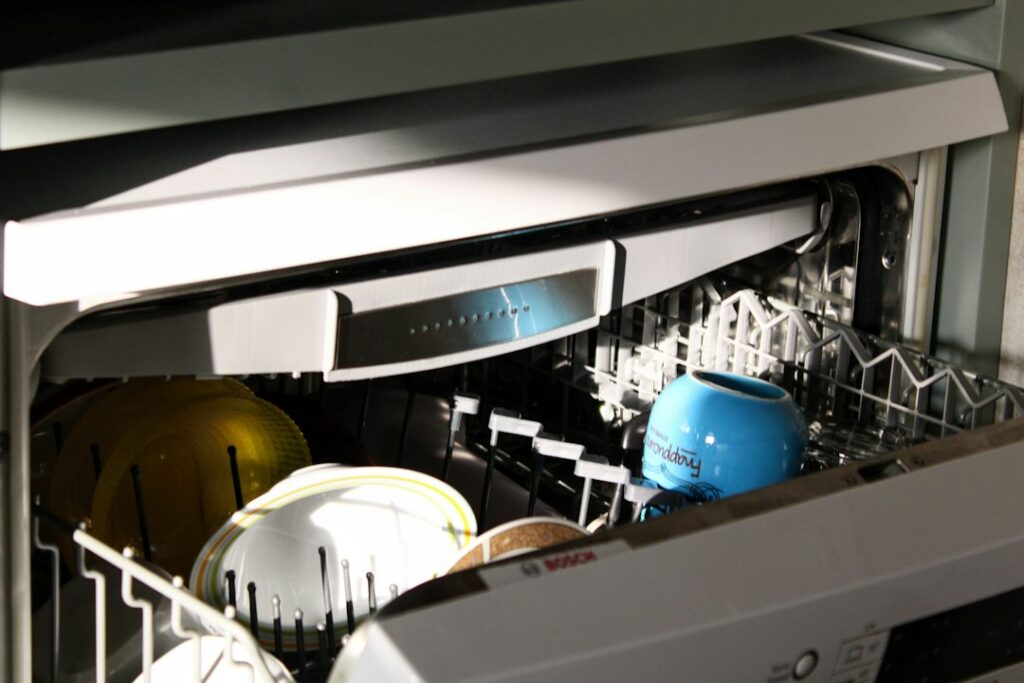
The best dishwasher cleaner depends on what is actually wrong with your machine. A cloudy film on glasses and white crust on the spray arms point to hard-water mineral scale, which acid-based cleaners such as citric acid dissolve. A sour smell points to trapped food and grease in the filter and sump, which detergent-style degreasers target. And a home on a septic system needs a cleaner that says it is septic safe. This roundup compares seven picks for those jobs, then covers the routine, the safety rules and the leaks and drain problems no tablet can fix.
Part of our Plumbing & Water guide — start there for the full picture →
As an Amazon Associate we earn from qualifying purchases.
How we compared: we compared 11 current Amazon listings for dishwasher cleaners (tablets, powders and bottled liquids) on what each listing actually states: active ingredient where named, whether it runs with or without dishes, how often to use it, septic claims and third-party certifications such as EPA Safer Choice. An appliance wipe from the same searches was set aside. We did not lab-test any of these products or use them hands-on. Prices and availability change often, so check the current listing and your dishwasher manual before buying.
Quick picks: the best dishwasher cleaners by use case
| Product | Best for | Key features | Price | Buy |
|---|---|---|---|---|
| Affresh Dishwasher Cleaner | All-around monthly cleaning |
| $8.98as of Oct 20, 2026 9:05 am GMT+0000 | Buy now →Check current price |
| Lemi Shine Dishwasher Cleaner | Hard-water film and scale |
| $4.49as of Oct 20, 2026 9:05 am GMT+0000 | Buy now →Check current price |
| Finish Liquid Cleaner | Quarterly deep clean |
| $4.88as of Oct 20, 2026 9:05 am GMT+0000 | Buy now →Check current price |
| Finish Cleaner Tablets | No extra cycle |
| $19.90as of Oct 20, 2026 9:05 am GMT+0000 | Buy now →Check current price |
| Cascade Platinum Cleaner | Cascade detergent households |
| $5.48as of Oct 20, 2026 9:05 am GMT+0000 | Buy now →Check current price |
| Clean Elements Tablets | Septic homes on a budget |
| $9.98as of Oct 20, 2026 9:05 am GMT+0000 | Buy now →Check current price |
| ACTIVE Cleaner Tablets | Bulk citric-acid descaling |
| $24.95as of Oct 20, 2026 9:05 am GMT+0000 | Buy now →Check current price |
Prices are Amazon’s listed prices as of the time shown and change often; check Amazon for today’s price. As an Amazon Associate we earn from qualifying purchases.
The 7 picks, compared listing by listing
1. Affresh Dishwasher Cleaner Tablets — Best All-Around Monthly Cleaner

Six-tablet supply that is EPA Safer Choice certified, septic safe and can run with or without a full load of dishes.
Check price on Amazon$8.98 as of Oct 20, 2026 9:05 am GMT+0000 — prices change; see Amazon for current price.Why we like it
- EPA Safer Choice certified
- Septic safe, per listing
- Runs with or without dishes
- Names limescale and odor-causing residue
| Specification | Details |
|---|---|
| Format | Six tablets, described as a six-month supply |
| Targets named | Odor-causing residue, limescale, mineral deposits in pump, filter, tub, arms and hoses |
| Certification named | EPA Safer Choice |
| Septic | Septic safe per listing |
| Load | Can run with or without dishes |
| Active ingredient | Not stated in listing |
Affresh W10549851 — 6 tablets, EPA Safer Choice, septic safe, with or without dishes, limescale + odor
The Only Cleaner That Combines Safer Choice, Septic Safe and Full-Load Use
Two of the 11 dishwasher cleaner listings name EPA Safer Choice certification: Affresh and Lemi Shine. Three call themselves septic safe: Affresh, ACTIVE and Clean Elements. Affresh is the only one in both groups, and it also says it can run during a full load. That combination is why it lands at the top: it fits the widest range of households with the fewest trade-offs.
Safer Choice is a meaningful label. The EPA says it reviews every chemical ingredient in a certified product regardless of percentage, and also checks performance, pH, packaging and VOC content. A dishwasher cleaner that carries it has passed more than a marketing review.
The listing does not name an active ingredient, and six tablets is a small count compared with the 24-tablet packs here. It is also marketed with appliance-maker endorsements, which tells you about brand partnerships rather than about performance.
Pros
- EPA Safer Choice certified
- Septic safe per listing
- Can run with dishes in the racks
Cons
- Active ingredient not named
- Only six tablets per pack
- Monthly schedule not spelled out in listing
Check Affresh Dishwasher Cleaner price on Amazon
2. Lemi Shine Natural Dishwasher Cleaner — Best for Hard-Water Film

1.76 oz citric acid cleaning powder, EPA Safer Choice certified and plant-based, aimed at hard-water stains and odor.
Check price on Amazon$4.49 as of Oct 20, 2026 9:05 am GMT+0000 — prices change; see Amazon for current price.Why we like it
- Names citric acid as its active cleaner
- EPA Safer Choice certified
- Targets hard-water stains directly
- Biodegradable, plant-based per listing
| Specification | Details |
|---|---|
| Format | 1.76 oz single-treatment powder |
| Active ingredient | Citric acid |
| Certification named | EPA Safer Choice |
| Targets named | Hard-water stains, odor-causing buildup, leftover gunk |
| Use frequency | Monthly |
| Septic | Not stated in listing |
Lemi Shine — 1.76 oz citric acid powder, EPA Safer Choice, plant-based, monthly, hard-water stains + odor
The Only Cleaner That Pairs a Named Acid With Safer Choice Certification
Three listings on the shelf name citric acid: Lemi Shine, ACTIVE and Clean Elements. Lemi Shine is the only one of those three that also carries EPA Safer Choice certification. For the specific problem of chalky film and white scale, that is the most transparent choice here: you know the chemistry, and an EPA program has reviewed every ingredient.
Citric acid works on hard-water scale because the minerals that form it, mostly calcium and magnesium carbonates, dissolve in mild acid. If your glasses come out cloudy and the cleaner helps only for a few weeks, the root cause is likely water hardness, and our hard water stains guide explains the signs beyond the kitchen.
The trade-off is quantity. This listing is a single 1.76 oz treatment, and it does not mention septic systems or running with dishes. Use it in an empty machine on a hot cycle unless the package says otherwise.
Pros
- Citric acid named on the listing
- EPA Safer Choice certified
- Directly targets hard-water film
Cons
- Single treatment per listing
- Septic use not addressed
- Less aimed at grease than at scale
Check Lemi Shine Dishwasher Cleaner price on Amazon
3. Finish Dishwasher Cleaner Liquid — Best Quarterly Deep Clean

8.45 oz bottle that sits upside down in the bottom rack of an empty machine on a hot cycle, used every 3 months.
Check price on Amazon$4.88 as of Oct 20, 2026 9:05 am GMT+0000 — prices change; see Amazon for current price.Why we like it
- Clear upside-down bottle method
- Targets grease and limescale together
- Longest stated interval: every 3 months
- Names older and small dishwashers
| Specification | Details |
|---|---|
| Format | 8.45 fl oz bottle, single treatment |
| Method | Empty machine, remove sticker, bottle upside down in bottom rack, hot cycle |
| Targets named | Hidden grease, hard-water buildup and limescale in arms, filter and pipes |
| Use frequency | Every 3 months |
| Compatibility | Standard, older and small dishwashers |
| Active ingredient | Not stated in listing |
Finish liquid cleaner — 8.45 oz, upside-down bottle in empty machine, hot cycle, every 3 months, grease + limescale
The Only Liquid Format, With the Longest Stated Interval
Two listings on the shelf are Finish’s bottled liquid (this single bottle and a four-pack). They are the only liquid-format cleaners among the 11, and they state the longest gap between treatments: every 3 months. Every other listing that gives a schedule says monthly.
The method is unusual and worth following exactly: empty the machine, peel the sticker off the cap, stand the bottle upside down in the bottom rack and run a hot cycle. The bottle drains slowly during the wash rather than dumping at once, which is the point. The listing claims more cleaning performance than Finish’s own tablets; treat that as a brand comparison, not an independent one.
It needs an empty machine, so it costs a cycle of water and energy. It does not mention septic systems or name an ingredient.
Pros
- Only liquid format on the shelf
- Quarterly schedule means fewer treatments
- Simple, foolproof method
Cons
- Requires an empty cycle
- Septic use not addressed
- Performance claim is versus Finish’s own tablets
Check Finish Liquid Cleaner price on Amazon
4. Finish Dishwasher Cleaner Tablets — Best for No Extra Cycle

12 monthly tablets that run alongside a normal load of dishes, targeting grease, hard-water buildup and grime.
Check price on Amazon$19.90 as of Oct 20, 2026 9:05 am GMT+0000 — prices change; see Amazon for current price.Why we like it
- Runs during a normal dish cycle
- Twelve tablets for a year of monthly use
- Works alongside detergent pods
- Names older and small machines
| Specification | Details |
|---|---|
| Format | 12 tablets |
| Method | One tablet in the bottom of the machine with a normal load |
| Targets named | Grease, hard-water buildup, grime in arms, filter and pipes |
| Use frequency | Once a month |
| Compatibility | Standard, older and small dishwashers; works with detergent pods |
| Active ingredient | Not stated in listing |
Finish cleaner tablets — 12 count, monthly, runs with a full load, grease + hard-water buildup
One of Only Two Formulas That Skips the Empty Cycle
Most dishwasher cleaners want an empty machine. Only two formulas on the shelf say they can run with dishes: Affresh and these Finish tablets (sold here in 12-count and 4-count packs). Finish’s listing is the most explicit about it, saying there is no need for an extra wash cycle or to unload dishes first.
That saves a cycle of water and energy every month, which adds up over a year. A full load also means the cleaner competes with food soil, so a machine with a strong odor or heavy scale may still benefit from one empty hot cycle first. If dishes keep coming out dirty even after cleaning, the problem may be mechanical; our guide to a dishwasher not cleaning walks through the usual causes.
The listing does not name an ingredient, a septic claim or any certification, and its “more degreasing power” claim is measured against detergent alone.
Pros
- Runs with a normal load
- Year of monthly tablets
- Clear, simple instructions
Cons
- No ingredient or certification named
- Septic use not addressed
- Less suited to heavy scale than an empty hot cycle
Check Finish Cleaner Tablets price on Amazon
5. Cascade Platinum Dishwasher Cleaner — Best for Cascade Households

Three-count monthly cleaner tossed into an empty machine like a detergent pack; targets odor, limescale and grease.
Check price on Amazon$5.48 as of Oct 20, 2026 9:05 am GMT+0000 — prices change; see Amazon for current price.Why we like it
- Toss-in format, like a detergent pack
- Names odor, limescale and grease
- Pairs with Cascade detergent and rinse aid
| Specification | Details |
|---|---|
| Format | Three single-use packs |
| Method | Toss into an empty dishwasher and run a cycle |
| Targets named | Odors, limescale buildup, grease |
| Use frequency | Once a month |
| Septic / certification | Not stated in listing |
| Active ingredient | Not stated in listing |
Cascade Platinum cleaner — 3 count, monthly, empty machine, odor + limescale + grease
The Smallest Pack on the Shelf, From a Detergent Brand
At three packs, this is the smallest multi-use count among the dishwasher cleaners compared, a three-month trial at the listing’s monthly schedule. It is aimed at households already using Cascade detergent and rinse aid, and the listing frames it as part of that system.
The format is the simplest here: no sticker to peel, no bottle to stand, no dispenser to load. Toss it into the empty tub and run a cycle. For a household that wants to try a cleaning routine before committing to a 24-tablet pack, that is a low-effort start.
The listing is thin. It does not name an ingredient, a certification, a septic claim or which cycle to use, and it is the least detailed of the seven picks. If you are on a septic system, one of the picks that says septic safe is the more cautious choice.
Pros
- Simplest toss-in method
- Small trial-size count
- Targets odor, scale and grease
Cons
- Least detailed listing of the picks
- No septic or certification claims
- Only three uses per pack
Check Cascade Platinum Cleaner price on Amazon
6. Clean Elements Dishwasher Cleaner Tablets — Best for Septic Homes on a Budget

24 citric-acid tablets that the listing calls septic safe, phosphate-free, bleach-free and safe for stainless interiors.
Check price on Amazon$9.98 as of Oct 20, 2026 9:05 am GMT+0000 — prices change; see Amazon for current price.Why we like it
- Septic safe and bleach-free per listing
- Phosphate-free, non-corrosive claims
- Names stainless steel interiors
- 24 tablets for a year of use
| Specification | Details |
|---|---|
| Format | 24 tablets, described as a 12-month supply |
| Active ingredient | Citric-acid powered formula |
| Formula notes | Phosphate-free, bleach-free, non-corrosive |
| Septic | Septic safe per listing |
| Method | One tablet in the detergent dispenser, empty machine, normal or hot cycle |
| Heavy buildup | Two tablets in separate cycles |
Clean Elements — 24 citric acid tablets, septic safe, phosphate- and bleach-free, stainless-safe, monthly
The Only Listing That Says Both Bleach-Free and Phosphate-Free
Clean Elements is one of three septic-safe listings and one of three that name citric acid, but it is the only dishwasher cleaner on the shelf that also calls its formula both phosphate-free and bleach-free. It is also one of the few to mention stainless steel interiors by name and to describe the formula as non-corrosive.
Bleach-free matters more than it sounds. The CDC warns never to mix bleach with other cleaners, because the combination can release vapors that are very dangerous to breathe. A citric-acid tablet running in a machine where someone has also added chlorine bleach is exactly that kind of mix, so knowing your cleaner contains none removes one risk.
Its directions are sensible: run it empty, and for heavy buildup use two tablets in two separate cycles rather than doubling up. The brand is less established than Finish or Affresh, and its septic claim is the manufacturer’s, not a third-party certification.
Pros
- Septic safe, bleach-free and phosphate-free claims
- Citric acid named
- 24 tablets per pack
Cons
- Needs an empty cycle
- No third-party certification named
- Newer, less established brand
Check Clean Elements Tablets price on Amazon
7. ACTIVE Dishwasher Cleaner and Deodorizer Tablets — Best Bulk Citric-Acid Descaler

24 lemon citric acid tablets, septic safe per listing, with a clear warning to avoid overdosing and excess foam.
Check price on Amazon$24.95 as of Oct 20, 2026 9:05 am GMT+0000 — prices change; see Amazon for current price.Why we like it
- Citric acid named as the cleaning agent
- Septic safe per listing
- Names plastic and stainless tubs
- Honest foam and overdose warning
| Specification | Details |
|---|---|
| Format | 24 tablets |
| Active ingredient | Citric acid powder |
| Septic | Septic safe per listing |
| Use frequency | One or two treatments per month |
| Method | Empty machine, self-clean or regular cycle; two separate cycles for heavy buildup |
| Compatibility | Residential and commercial units; plastic and stainless tubs |
ACTIVE — 24 citric acid tablets, septic safe, plastic + stainless tubs, 1-2 per month, empty machine
The Only Listing That Warns About Foam and Leaks
ACTIVE is the third septic-safe, citric-acid listing on the shelf, and it is the only dishwasher cleaner that warns you to watch the machine during the cycle: if you see foam or water leaking, stop and address it. It also warns that adding more cleaner than directed can cause excess foam, and recommends two separate single-tablet cycles for heavy buildup.
That candor is useful. Foam escaping the door usually points to overdosing or leftover hand dish soap, but water on the floor can also mean a failed door gasket, a loose drain hose or a cracked tub. If water appears during any cycle, our guide to a dishwasher leaking covers where to look first.
ACTIVE names both plastic and stainless tubs and lists a wide set of brands. It carries no third-party certification, and like Clean Elements its septic claim is the maker’s own.
Pros
- Citric acid named
- Septic safe per listing
- Clear foam and dosing guidance
Cons
- Needs an empty cycle
- No third-party certification
- Overdosing can cause foam
Check ACTIVE Cleaner Tablets price on Amazon
What dishwasher cleaners actually do
A dishwasher gets dirty in two different ways, and the cleaners split along the same line:
- Mineral scale. Hard water leaves calcium and magnesium deposits on the tub, heating element, spray arms and glassware. Acids dissolve them; citric acid is the common choice in tablets, and three listings here name it.
- Grease and food residue. Fats and food particles collect in the filter, sump and door gasket and cause odor. Detergent-style cleaners with surfactants and enzymes target these. Most branded tablets here do not name their ingredients, so read the package or safety data sheet.
- Rust and stains. One listing on the shelf, Glisten Dishwasher Magic, says it removes rust as well as limescale, but its listing gives so little detail that we left it out of the picks. Its “disinfectant” name is worth a note: the EPA says the only way to identify a registered disinfectant is its EPA registration number on the label, and that the label’s directions, including contact time, must be followed for the claim to apply.
No cleaner replaces the basic routine. Pull and rinse the filter every few weeks, wipe the door gasket and the bottom edge of the door, and check that the spray arm holes are clear. Black spots on the gasket or under the door are worth a closer look; our guide to black mold in a dishwasher covers cleanup and when it signals a leak.
Septic systems, Safer Choice and how to read the claims
Many rural and foothills homes on the Front Range use a private well and septic system. For those homes, what goes down the dishwasher drain goes to the septic tank. The EPA advises not pouring household chemicals or large volumes of toxic cleaners down the drain, because harsh chemicals can harm the bacteria that break down waste in the tank and drainfield. A monthly tablet is a small dose, but a cleaner that says septic safe is the better default.
Two claims on this shelf are worth separating:
- EPA Safer Choice is a third-party program. The EPA says it reviews every ingredient regardless of percentage, checks performance and pH, and restricts VOC content. Two listings here carry it.
- Septic safe, natural, eco-friendly and non-toxic are manufacturer claims with no single standard behind them. They are useful signals, not certifications.
The EPA also suggests considering environmentally friendlier options for products such as dishwashing machine pods and gels, and treats leftover corrosive or toxic household products as household hazardous waste.
Hard water on the Front Range
Water hardness varies a lot by source, and a private well can be very different from the municipal supply a few miles away. Your utility’s annual water quality report lists hardness; well owners can test it. If you descale monthly and still see white crust and cloudy glasses within a couple of weeks, the cleaner is treating a symptom.
The fix for chronic scale is upstream: a water softener or a properly dosed rinse aid. Our best water softener roundup compares whole-house options, and the same minerals that crust a dishwasher also build up inside washing machines, which is worth checking if your washer also smells or leaves residue.
Safety and storage
- Never add bleach to a cleaning cycle. The CDC warns never to mix bleach or any disinfectant with other cleaners because the vapors can be very dangerous to breathe. Use one product per cycle.
- Do not overdose. More tablets do not mean a cleaner machine; follow the two-cycles guidance on the package for heavy buildup.
- Treat tablets like detergent packs. The CPSC recommends storing laundry packets in their original containers out of children’s sight and reach, and keeping cleaning supplies in a locked cabinet. Brightly colored, lemon-scented dishwasher tablets deserve the same care.
- Ventilate if you smell anything sharp. A hot cycle releases steam when the door opens; let it vent before leaning in.
When the problem is plumbing, not cleaning
A cleaner will not fix a machine that does not drain, leaks or backs up into the sink. Standing water after a cycle usually points to a clogged filter, a kinked drain hose or a blocked garbage disposal connection; our guide to a dishwasher not draining walks through the order to check them. Water under the cabinet, a soft subfloor in front of the machine or a musty smell from the toe kick suggests a slow leak that has been running for a while.
During a home inspection, the dishwasher gets run through a cycle and checked for leaks, a proper drain loop or air gap and secure mounting. For how plumbing and appliance systems are evaluated, see our plumbing and water inspection guide. Front Range homeowners and buyers who want a vetted local inspector can connect with one through our contact page.
Frequently asked questions
What is the best dishwasher cleaner?
For most homes, a monthly tablet that is EPA Safer Choice certified and septic safe is a strong default. Among the listings compared, Affresh is the only one that is both and can also run with dishes in the machine. For hard-water film specifically, a citric acid cleaner such as Lemi Shine targets the minerals directly.
How often should you clean a dishwasher?
Most cleaner listings recommend once a month; Finish's liquid cleaner says every 3 months. Rinse the filter every few weeks between treatments and wipe the door gasket. Homes with hard water may need monthly descaling, and a water softener or rinse aid if scale returns quickly.
Are dishwasher cleaners safe for septic systems?
Some listings say so: Affresh, ACTIVE and Clean Elements all claim to be septic safe. The EPA advises against pouring household chemicals or large volumes of toxic cleaners down the drain on a septic system. A small monthly dose of a septic-safe cleaner is a reasonable choice.
Can you use bleach to clean a dishwasher?
Avoid combining bleach with any other cleaner. The CDC warns that mixing bleach with other cleaners can release vapors that are very dangerous to breathe. Use one product per cycle and follow the dishwasher manufacturer's instructions.
Why does my dishwasher still smell after cleaning?
Persistent odor usually means trapped food in the filter, sump or door gasket, or water that is not draining fully. Remove and rinse the filter, clean the gasket and check the drain hose. If standing water remains after a cycle, the problem is a drain issue that cleaner tablets will not fix.
References
- Learn About the Safer Choice Label — U.S. Environmental Protection Agency
- How to Care for Your Septic System — U.S. Environmental Protection Agency
- Cleaning and Disinfecting with Bleach — Centers for Disease Control and Prevention
- Selected EPA-Registered Disinfectants — U.S. Environmental Protection Agency
- Poison Prevention Information Center — U.S. Consumer Product Safety Commission
- Household Hazardous Waste — U.S. Environmental Protection Agency