VA Home Inspection Checklist PDF: A Buyer’s Guide
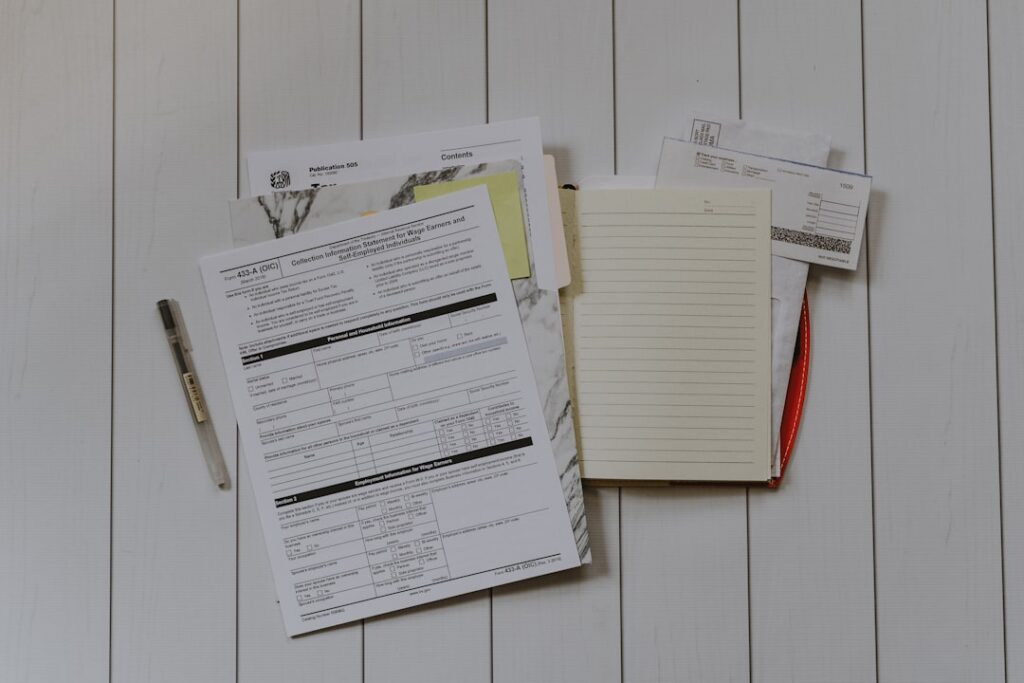
Veterans and active-duty buyers searching for a “VA home inspection checklist PDF” usually want one document that guarantees a house will pass and protect their purchase. The reality is more nuanced. The Department of Veterans Affairs does not require a home inspection at all; it requires an appraisal that confirms the home meets minimum property requirements. Those are two different things, and conflating them leaves buyers exposed. This guide explains what the VA actually checks, what a separate home inspection adds, and what belongs on a practical checklist before you close on a VA-financed home.
Part of our Home Inspections Explained guide — start there for the full picture →
Is there an official VA home inspection checklist PDF?
There is no official VA home inspection checklist, because the VA does not mandate an inspection. What the VA requires is an appraisal performed by a VA-assigned appraiser, who confirms the property meets the agency’s Minimum Property Requirements (MPRs). The MPRs are published in the VA Lender’s Handbook, and that document functions as the closest thing to an official checklist, though it is an appraisal standard, not a buyer’s protection tool.
The distinction matters. The appraiser’s job is to confirm the home is safe, structurally sound, and sanitary enough to secure the loan, and to estimate its value. The appraiser does not crawl the attic, test every outlet, or run the HVAC through a full cycle. A buyer who relies only on the appraisal can move into a home with serious defects the VA never looked for. The broader guide to hiring a home inspector explains why an independent inspection remains the buyer’s real safeguard.
What the VA appraisal actually checks (MPRs)
The VA’s Minimum Property Requirements focus on safety, soundness, and sanitation. An appraiser confirms the home is fit to live in and worth the loan amount. Core MPR items include:
- Safe access: the home has safe, year-round vehicular or pedestrian access from a public or private street.
- Structural soundness: no obvious defects that threaten the integrity of the building, including the roof, foundation, and load-bearing walls.
- Mechanical systems: heating adequate for healthful living conditions, and safe electrical and plumbing.
- Water and sewage: a continuing supply of safe drinking water and sanitary sewage disposal.
- Roof condition: a roof that prevents moisture entry and has reasonable remaining life.
- No health hazards: no evidence of wood-destroying insects, dry rot, or, for older homes, defective lead-based paint surfaces.
Lead paint is a specific MPR flag. For homes built before 1978, the appraiser notes defective (chipping, peeling, scaling) paint that must be corrected. Buyers should understand the broader risk; the explainer on lead-based paint testing covers how to confirm and address it.
How a VA appraisal differs from a home inspection
The appraisal protects the lender and the VA’s guaranty; the home inspection protects you. The appraiser checks whether the home clears a minimum bar and estimates value. The home inspector evaluates the condition of dozens of systems in detail and reports defects you can negotiate over, regardless of whether they would fail an MPR.
An example makes the gap clear. A 22-year-old furnace that still produces heat satisfies the MPR for adequate heating. A home inspector will tell you it is near the end of its service life and may need a $5,000 replacement soon. The appraisal passes; the inspection warns you. The overview of what is included in a home inspection shows the depth difference, and the guidance on which fixes are mandatory helps you prioritize findings.
Cost is another distinction. The VA appraisal is required and its fee is set on a regional schedule, paid as part of the loan process. A home inspection is optional and paid out of pocket, typically $400 to $600 on the Front Range plus any add-ons. Some buyers, especially first-time veterans stretching to afford a purchase, skip the inspection to save that fee. That is usually a false economy: the inspection routinely surfaces issues worth many times its cost, and it is the buyer’s only detailed, independent assessment of the home before committing.
Confused by your home inspection report? Decode it free in plain English
Upload your inspector's PDF and get a plain-English summary, what actually matters, rough repair costs, and negotiation talking points. Educational only — not a professional re-inspection. Your file is analyzed and discarded, never stored.
Educational summary only. AI can be wrong and cost figures are rough estimates. This is not a professional re-inspection, appraisal, or legal/financial advice — confirm major items with your inspector or a licensed contractor.
A practical pre-closing checklist for VA buyers
Use this as the buyer-side checklist the VA does not provide. It combines MPR awareness with the inspection items that matter most.
Order an independent home inspection
Hire your own inspector even though the VA does not require it. Make the contract contingent on a satisfactory inspection so you can renegotiate or withdraw if major defects appear.
Confirm the major systems
Roof age and condition, electrical panel type and capacity, plumbing material, and HVAC age top the list. These are the expensive systems and the ones insurers scrutinize too.
Test for radon
The VA appraisal does not test for radon, and the Front Range sits in the EPA’s highest-risk zone. A radon test during the inspection window is inexpensive insurance against a serious long-term health hazard; the Colorado radon testing guide explains the protocol and the 4.0 pCi/L action level.
Check for water intrusion and grading
Look for staining, musty odors, and soil that slopes toward the foundation. Drainage problems cause some of the most expensive repairs and are easy to miss in a quick appraisal.
Verify the well and septic on rural lots
Many Front Range properties beyond municipal lines rely on wells and septic. The VA requires safe water and sanitary disposal, but a dedicated well-flow and septic inspection goes far deeper than the appraisal. The VA does require a water-quality test for properties on private wells, confirming the water is safe to drink, but it does not assess well yield or the septic system’s condition. A buyer on a rural Elbert or Douglas County lot should add both, because a failing leach field or a low-producing well are expensive surprises the appraisal will not catch.
Document the roof and HVAC ages
Even when these systems pass the MPR, record their age and expected remaining life. A roof and furnace both nearing end of life on the same home can mean two large expenses within a few years of moving in. Knowing the timeline lets you negotiate, budget, or factor replacement costs into the offer rather than discovering them after closing.
The lead paint and older-home considerations
VA buyers looking at older homes face an extra layer of due diligence the appraisal only partially addresses. For homes built before 1978, the appraiser flags defective lead-based paint surfaces that must be corrected, but that is a visual check of deteriorated paint, not a test for the presence of lead. A buyer with young children should go further and arrange a lead inspection or risk assessment during the contract period. Peeling or chipping paint on a pre-1978 home is both an MPR issue and a genuine health concern, since lead dust from deteriorating paint is the primary childhood exposure pathway.
Asbestos is another older-home factor outside the appraisal’s scope. Homes built through the 1970s and into the early 1980s may contain asbestos in flooring, ceiling texture, and insulation. The appraisal does not test for it, so a buyer planning any renovation should test before disturbing suspect materials. The same logic applies to the home’s mechanical age: a furnace, water heater, or electrical panel that technically passes the MPR may still be near the end of its service life, and the buyer’s own inspection is where those timelines get documented. Treating an older home’s age as a prompt for additional, targeted testing, rather than assuming the appraisal covered everything, is how VA buyers avoid post-closing surprises in vintage housing stock.
Common VA appraisal red flags and how to clear them
When an appraiser cites an MPR deficiency, the sale can proceed only after the issue is corrected and re-verified. The most frequent flags are peeling paint on pre-1978 homes, exposed or unsafe wiring, missing handrails on stairs, broken windows, an inadequate heating source, and evidence of leaks or wood rot. Each must be repaired before closing, and the appraiser or a qualified party confirms the fix.
Negotiation usually decides who pays. Sellers often complete MPR repairs to keep the deal alive, since the same issues would surface for the next VA buyer. Buyers should build enough time into the contract to schedule repairs and re-inspection. Rushing toward a closing date with open MPR items invites delays.
How the VA process unfolds for buyers
Understanding the sequence keeps a VA purchase on track. After an offer is accepted, the lender orders the VA appraisal through the VA’s system, and a VA-assigned appraiser visits the property. In parallel, the buyer should schedule an independent home inspection within the contract’s inspection contingency window. The appraiser’s report establishes value and confirms the MPRs; if it cites deficiencies, those must be corrected and re-verified before the loan can close. The home inspection, meanwhile, gives the buyer the detailed condition picture used to negotiate repairs or credits.
The two processes run on different timelines and serve different purposes, so coordinating them matters. A buyer who waits for the appraisal before ordering an inspection can run out of contingency time. Scheduling the inspection early, ideally right after the offer is accepted, leaves room to act on whatever either report reveals. The broader guide to the inspection hiring process lays out the full timeline from offer to closing.
When to bring in a specialist
Some findings exceed what a general inspector or appraiser can resolve. Bring in a structural engineer if the inspection flags foundation movement or significant settlement, common on the Front Range’s expansive clay soils. Call a licensed electrician for an outdated or recalled panel, a roofer for a roof near end of life, and a certified radon professional if the test exceeds the action level. For pre-1978 homes with deteriorating paint, a certified lead risk assessor can confirm whether the surfaces are hazardous and outline safe correction. Treating the VA appraisal as a floor, not a ceiling, and layering your own inspection and specialist checks on top of it, is how veteran buyers avoid expensive surprises after the keys change hands.
References
- Home Inspection Standards of Practice — InterNACHI
- ASHI Standard of Practice — American Society of Home Inspectors
- International Residential Code — International Code Council