Historic Home Inspections: What Older Homes Need Checked
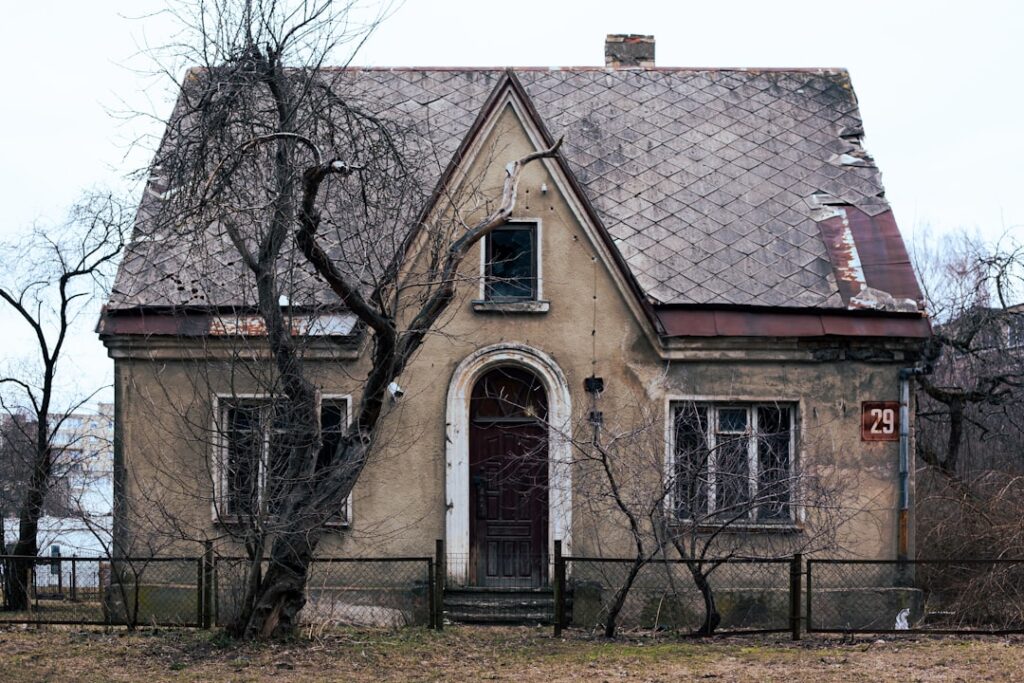
A historic home offers craftsmanship, materials and character that are hard to find in newer construction. It can also come with two kinds of obligations that a typical house does not: the physical demands of very old building systems, and, in some cases, legal rules about what an owner may change. Along the Front Range, buyers encounter historic properties in Denver’s designated districts, in older neighborhoods of Boulder, Fort Collins, Colorado Springs and Pueblo, and in mountain towns with landmark programs. Some homes are individually landmarked; others sit within a historic district; many are simply old without any formal designation. This guide explains what an inspection of an older or designated home should focus on, which specialized evaluations are often worth adding, how local preservation rules can affect repair plans, and how insurance and renovation budgets tend to differ. Health-related sections summarize EPA guidance current as of 2026; consult certified professionals for testing and abatement decisions.
Part of our Home Inspections Explained guide — start there for the full picture →
How a Historic Home Inspection Differs
The core of an inspection on a historic home is the same visual examination used for any house: roof, exterior, structure, electrical, plumbing, heating and cooling, interiors, insulation and ventilation, and fireplaces. Published scopes such as the ASHI Standard of Practice define those systems and also list exclusions, including compliance with codes and regulations and the presence of environmental hazards such as toxins, carcinogens, radioactive substances and contaminants in building materials, soil, water and air. For an older home, those exclusions matter, because asbestos, lead and radon are among the most relevant concerns and each requires separate testing.
What changes in a historic home is the context:
- Materials. Lime mortar, old-growth lumber, original wood windows, slate or wood shingle roofs, plaster on lath and early metal plumbing behave differently from modern materials and call for different repair methods.
- Layers of updates. Wiring, plumbing and heating may come from several eras, sometimes all still in use.
- Regulation. In a designated district or on a landmarked property, exterior repairs may need approval before work begins.
- Specialists. More findings tend to be referred to a structural engineer, mason, chimney professional, electrician or environmental consultant.
Buyers should allow extra time in the inspection period for these follow-ups. Our guide to what a home inspection covers explains the general scope.
Historic District and Landmark Rules
Local historic preservation programs commonly regulate changes to the exterior of designated buildings that are visible from the street. Requirements vary by city and by district, and some programs are stricter than others. Typical items that may require review include:
- Window replacement, especially replacing original wood windows with vinyl or aluminum.
- Roofing material changes, such as replacing slate or wood shingles with asphalt.
- Siding changes, including covering original wood with vinyl or fiber cement.
- Porch alterations, enclosures and railing changes.
- Additions, dormers and second stories.
- Demolition of the main structure or of contributing outbuildings.
- Masonry repairs, repointing methods and paint on unpainted brick.
Interior changes are usually not regulated by local programs, though there are exceptions. The process typically involves submitting an application to a preservation office or commission, which may take weeks. Some routine maintenance in kind, meaning repair with matching materials, may be approved administratively or exempted.
For a buyer, the practical question is whether the inspection findings will need repairs that fall under review. A failing roof on a landmarked home may have to be replaced with a similar material at a higher cost. Rotted original windows may have to be repaired rather than replaced. Buyers can ask the seller and the listing agent whether the property is designated, then confirm with the local preservation office, which can usually explain the review process and any available incentives. Some jurisdictions and the state offer tax credits or grants for qualified rehabilitation of designated properties; eligibility rules change, so verify current programs before counting on them.
Asbestos in Older Building Materials
Many historic homes were renovated in the middle decades of the twentieth century, when asbestos was used widely in building products. The EPA’s Learn About Asbestos page lists places it may be found, including attic and wall insulation containing vermiculite, vinyl floor tiles and the backing on vinyl sheet flooring and adhesives, roofing and siding shingles, textured paint and patching compounds, walls and floors around wood-burning stoves protected with asbestos paper or cement sheets, hot water and steam pipes coated with asbestos material, and oil and coal furnaces and door gaskets with asbestos insulation.
Several of those are typical of older homes with boilers, radiators and former coal heating. The EPA’s guidance on protecting your family from asbestos says that you generally cannot tell whether a material contains asbestos by looking at it, that material in good condition that will not be disturbed should be left alone, and that a trained and accredited asbestos professional should take samples, since sampling done incorrectly can be more hazardous than leaving the material alone. It also suggests having the home inspected for asbestos-containing materials if you are planning to remodel or if building materials are damaged.
For a historic home purchase, the practical approach is to note suspect materials during the inspection, then arrange sampling for any material that is damaged or that sits in the path of planned renovation. See our guide to asbestos testing cost for typical pricing.
Lead Paint and Lead Plumbing
Nearly every historic home has lead-based paint somewhere. According to the EPA’s Renovation, Repair and Painting program page, approximately three-quarters of U.S. homes built before 1978 still contain some lead-based paint, and the RRP rule requires that anyone paid to perform work that disturbs painted surfaces in pre-1978 homes be certified and use lead-safe work practices. Window restoration, exterior painting, trim stripping and plaster repair, all common in historic homes, can disturb lead paint. That affects contractor selection and project cost.
A lead paint inspection or risk assessment can identify where lead paint is present and whether it is a current hazard. Older homes may also have lead in plumbing, including lead service lines, lead solder or older galvanized pipes; see our guide to galvanized pipes for related concerns.
Radon in Historic Homes
Age offers no protection against radon. Old stone and rubble foundations, dirt-floor cellars and crawlspaces can provide easy pathways for soil gas, and the Front Range is known for elevated radon levels. The EPA’s radon page states that radon is a naturally occurring radioactive gas that can cause lung cancer, that testing is the only way to know your level of exposure, and that all homes should be tested.
A radon test during the inspection period is a common add-on; see radon testing cost. If mitigation is needed, historic homes can present design challenges: fieldstone foundations, unsealed cellar floors and limited routes for vent piping. In designated districts, the location of an exterior vent pipe may also need review, so it is worth asking the preservation office early.
Specialized Inspections Worth Adding
Because older homes concentrate risk in particular systems, buyers often add one or more of the following evaluations:
- Sewer scope. Clay and cast iron laterals are prone to roots, cracks and offsets. A camera inspection is often money well spent; see sewer scope inspection cost.
- Electrical evaluation. An electrician can assess remaining knob-and-tube wiring, old panels and amateur modifications.
- Structural engineering. For bowing or cracked masonry foundations, sagging floors or altered framing. Our guide to foundation cracks explains when engineers are typically called in.
- Chimney inspection. A camera-based evaluation of masonry flues, liners and crowns, particularly if a flue vents a furnace or water heater.
- Masonry evaluation. A mason familiar with lime mortar can assess repointing needs. Using modern hard Portland cement mortar on soft historic brick is a known cause of damage.
- Roof specialist. Slate, tile and wood shingle roofs require specialized knowledge to assess and repair.
- Wood-destroying insects. Old framing and porches can harbor insect damage that is not obvious from the surface.
Not every home needs every evaluation. Let the general inspection findings guide which specialists to call.
Timing the Follow-Ups
Specialists who work on older homes are often booked out, and a typical inspection period may be only a week or two. A practical sequence is to schedule the general inspection, radon test and sewer scope at the start of the period, then book specialists as soon as the general report flags a concern. If a key evaluation cannot happen before the deadline, buyers sometimes negotiate a short extension in writing. An agent can explain the options under the contract; waiting until the last day leaves little room to act on what the specialists find. Written estimates from specialists also carry more weight in negotiations than verbal opinions.
Common Problems in Older Structures
Inspectors working on historic homes repeatedly see a familiar set of issues:
- Water management. Failed gutters, poor grading and leaking flashing are the most common root cause of decay in old houses.
- Masonry deterioration. Eroded mortar, spalled brick and cracks at lintels over windows and doors.
- Wood rot. Window sills, porch decks, column bases and trim that have not been kept painted.
- Altered framing. Joists notched for plumbing, bearing walls removed during remodeling and sagging floors.
- Plaster cracking and detachment. Often cosmetic, sometimes a sign of movement; see plaster wall repair.
- Heating oddities. Abandoned oil tanks, old boilers, converted coal furnaces and orphaned chimney flues.
For an era-specific look at the most common Front Range historic housing style, see our guide to Victorian houses.
Windows, Roofs and Exterior Materials
The exterior of a historic home is both the part most exposed to weather and the part most likely to be regulated. Inspectors pay particular attention to a few materials.
Original Wood Windows
Old-growth wood sashes can last a very long time when glazing putty, paint and sills are maintained. Common findings include failed putty, loose glass, rotted bottom rails and sills, broken sash cords and windows painted shut. Painted-shut windows in bedrooms are also an escape concern. Restoration combined with storm windows is a frequent approach in historic districts, and it typically involves lead-safe work because of old paint.
Slate, Tile and Wood Roofs
Slate and clay tile can outlast several asphalt roofs, but fasteners and flashing often fail first. Walking on these roofs can break them, so inspectors may evaluate from a ladder, a drone or the ground and recommend a roofing specialist. Wood shingles and shakes are more vulnerable to weather and, in some wildfire-prone areas, raise insurance and fire-safety questions.
Brick, Stone and Stucco
Historic masonry was typically laid with softer lime-based mortar designed to be sacrificial, meaning the mortar wears before the brick. Repointing with hard modern mortar can trap moisture and cause the brick faces to spall. Old stucco over lath can hide water damage behind an intact-looking surface, so cracks, bulges and staining deserve follow-up.
Mechanical Systems in Older Homes
Historic homes have often been through several generations of heating, plumbing and electrical equipment. Each transition can leave orphaned parts behind.
- Heating. Gravity hot-water and steam boilers with cast iron radiators are common and can be durable, though older boilers may be inefficient and their piping may be wrapped in suspect insulation. Converted coal furnaces, abandoned oil tanks and unused flues are worth noting.
- Cooling. Many historic homes lack central air. Window units, mini-split systems and high-velocity small-duct systems are common retrofits, each with different installation impacts on historic fabric.
- Plumbing. Mixed materials such as galvanized steel, copper, cast iron and plastic are typical. Look for leaks where materials transition and confirm the water service line material.
- Electrical. Expect multiple generations of wiring, older panels, ungrounded receptacles and limited circuits in kitchens and bathrooms.
The inspector’s job is to report condition and obvious defects. The upgrades themselves, and how they fit within preservation rules, are planning questions for contractors and the preservation office.
Insurance and Renovation Costs
Insuring a historic home can be more complicated than insuring a newer house. Insurers often ask about wiring type, plumbing materials, roof age and heating systems, and a standard policy may not cover the cost of rebuilding with matching historic materials. Some owners look at policies or endorsements designed for older or high-value homes. Getting a quote during the inspection period, with the inspection report in hand, avoids surprises at closing.
Renovation costs also run higher on historic homes for several reasons: specialized trades such as window restorers and masons, lead-safe work requirements, possible asbestos abatement, design review timelines and material-matching requirements in designated districts. As broad 2026 context, projects like repointing a masonry foundation, restoring a set of original windows, replacing a slate roof or rewiring a large old house can each range from several thousand dollars to well into five figures, depending on scope and region. Get written estimates from contractors experienced with older homes before removing your inspection contingency.
The inspection itself also tends to cost more, reflecting larger size, age and complexity. Our guide to home inspection cost covers the main pricing factors.
Planning Your Historic Home Purchase
- Confirm whether the property is landmarked or in a historic district, and learn the review process.
- Schedule a general inspection early in the contract period.
- Add radon testing and, where warranted, a sewer scope.
- Arrange lead and asbestos testing for materials that are damaged or in the path of planned renovation.
- Bring in specialists for the systems the inspector flags.
- Get insurance quotes and contractor estimates before the contingency deadline.
- Build a multi-year maintenance and restoration plan, starting with water management and safety items.
For guidance on choosing an inspector and understanding the inspection process, see the hiring process guide and the home inspection basics hub.
References
- ASHI Standard of Practice for Home Inspections — American Society of Home Inspectors
- Learn About Asbestos — U.S. Environmental Protection Agency
- Protect Your Family from Exposures to Asbestos — U.S. Environmental Protection Agency
- Lead Renovation, Repair and Painting Program — U.S. Environmental Protection Agency
- Radon — U.S. Environmental Protection Agency
Frequently asked questions
Can I replace the windows on a historic home?
It depends on whether the home is landmarked or in a historic district. Many local programs review exterior window changes, and some favor repair over replacement. Check with the local preservation office before planning work.
Does a standard home inspection test for asbestos?
No. Standard inspections are visual, and published standards exclude environmental hazards. An inspector may note suspect materials, but an accredited asbestos professional must sample them to confirm.
Do historic homes have more radon?
Not necessarily, but old stone foundations, dirt cellars and crawlspaces can provide easy entry paths. EPA recommends testing all homes, and testing is the only way to know the level.
Is it harder to insure a historic home?
It can be. Insurers often ask about wiring, plumbing, roof and heating, and standard policies may not cover rebuilding with matching historic materials. Get quotes during the inspection period.
What specialists should inspect a historic home?
Common additions include a sewer scope, electrician, structural engineer, chimney professional and mason. Let the general inspection findings guide which ones are needed.
Thinking about a historic home in Denver or elsewhere on the Front Range? Reach out through our contact page to connect with an inspector who understands old masonry, layered wiring and the testing older homes call for.