Box Gutters: Built-In Gutters on Older Homes and Leaks
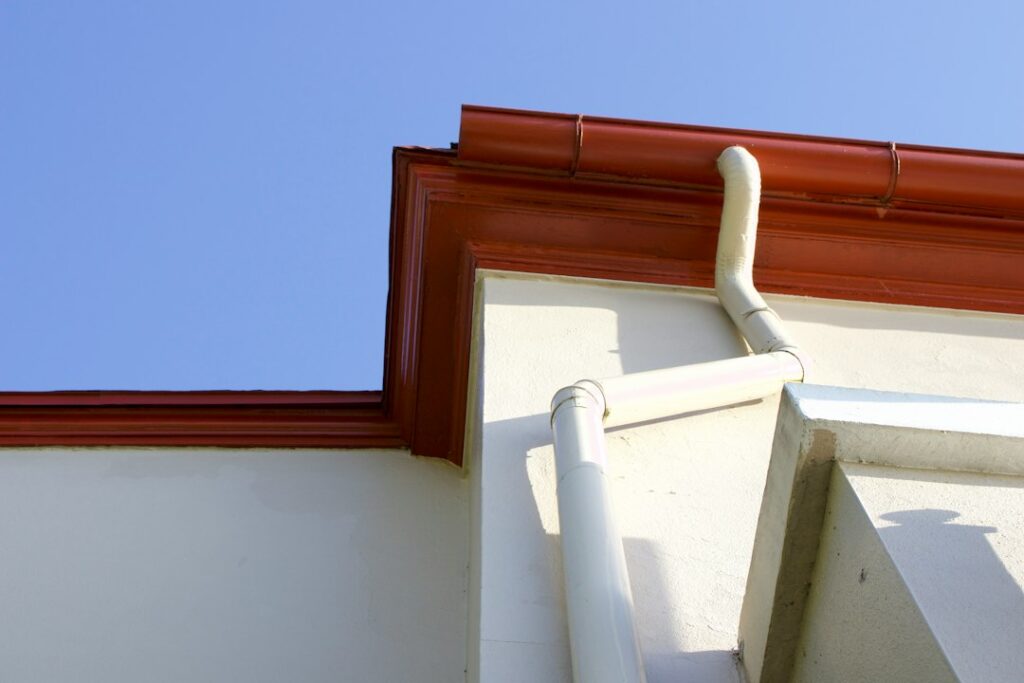
On many older houses, the gutters are not hanging off the fascia at all. They are built into the roof itself, hidden behind a decorative cornice or set into the eave so that from the street the roofline looks clean and unbroken. These box gutters, also called built-in, internal, concealed or Yankee gutters depending on the design and region, were common on Victorian, Italianate, Queen Anne and early twentieth-century homes, and they still appear on older houses in Denver’s historic neighborhoods, Boulder, Colorado Springs and small Front Range towns. When they work, they are durable and attractive. When their lining fails, the water they collect does not drip harmlessly off the eave. It runs into the wall framing, the soffit and the cornice, often for years before anyone notices. This guide explains how box gutters are built, why they leak, how they are relined or converted, and what buyers of older homes should ask about.
Part of our Structure & Exterior guide — start there for the full picture →
What Box Gutters Are
A box gutter is a trough built into the structure of the roof edge rather than a separate channel hung on the outside of the fascia. The trough is framed with wood, typically as an extension of the rafters or the cornice, and lined with a waterproof material. Historically that lining was sheet metal, often terne-coated steel, galvanized steel or copper, soldered at the seams. Water flows along the trough to an outlet, sometimes called a drop or a conductor head, and down a leader or downspout.
There are a few common configurations:
- Built-in eave gutters. The trough sits within the roof plane near the eave, with roofing running down into it and the cornice below hiding it from view.
- Cornice or parapet box gutters. The trough sits behind a decorative cornice or a short parapet wall at the roof edge, common on commercial-style and flat-roofed row houses.
- Pole or Yankee gutters. Related designs where a wooden strip or raised metal forms a dam on the roof surface itself, creating a channel a short distance up from the edge.
- Valley and internal gutters. On some larger buildings, box gutters run between roof sections or inside the building footprint.
The defining feature in every case is the same: the gutter is inside the building envelope or immediately above it. A leak in a hung gutter drips outside the wall. A leak in a box gutter lands on wood framing.
Why Box Gutters Leak Into Walls and Soffits
Box gutters are often well over a century old, and their weak points are predictable.
Failed linings
Original metal linings corrode over decades, particularly where water and debris sit. Terne and galvanized linings that are not repainted rust through. Many box gutters were later relined with roll roofing, tar or asphalt coatings, which crack with temperature swings and ultraviolet exposure. A patch of roofing cement over a pinhole may hold for a season or two and then fail again.
Seams and transitions
Soldered seams in metal linings crack as the metal expands and contracts. Transitions where the gutter meets the roofing, the outlet, an end cap or a downspout connection are frequent leak points. Thermal movement is a particular problem in long runs of metal lining that were installed without expansion joints.
Poor pitch and ponding
Wooden gutter framing sags over time, especially once rot sets in. A low spot that holds standing water speeds corrosion and puts constant pressure on seams. Undersized or partially clogged outlets make the problem worse.
Ice and snow
Box gutters sit at the coldest part of the roof edge, and ice that forms in them can block outlets, lift seams and force water back under roofing. FEMA’s Snow Load Safety Guide notes that temperatures fluctuating above and below freezing can cause snow to melt and refreeze, creating ice and ice dams with higher concentrated loads at eaves on sloped roofs. The guide also points out that a building constructed decades ago may not have been designed for snow loads as they are understood today. Our ice dams guide explains how attic heat loss feeds ice formation at the eaves.
Debris
Leaves, pine needles, shingle granules and roofing debris collect in the trough. Because box gutters are often hard to see from the ground, clogs go unnoticed longer than they would in a hung gutter.
What the damage looks like
Because the water lands inside the structure, signs often show up some distance from the actual leak:
- Stained, peeling or blistered paint on the cornice, frieze board or soffit.
- Rotted or sagging soffit boards and crown moldings. Our soffit and fascia repair guide covers what repair involves.
- Water stains on interior ceilings and upper walls near exterior walls, often mistaken for a general roof leak.
- Plaster cracking or bulging below the eaves.
- Soft or rotted rafter tails and wall plates when the area is opened. See our wood rot repair guide.
- Mold growth in attics or walls near the eaves.
The EPA says the key to mold control is moisture control, recommends cleaning and repairing roof gutters regularly, and advises drying water-damaged areas within 24 to 48 hours to prevent mold growth. Chronic, hidden leaks from a box gutter are exactly the kind of moisture source that guidance is aimed at.
Relining Options
For homeowners who want to keep the original appearance, relining is usually the first choice. The existing trough is cleaned out, any rotted framing is repaired or replaced, the pitch is corrected where possible, and a new lining is installed. The main lining options are:
Membrane linings
Single-ply membranes such as EPDM, TPO or PVC, and some modified bitumen or fluid-applied systems, are commonly used to reline box gutters. They are generally less expensive than metal, handle thermal movement well and can be formed to irregular shapes. Membrane linings need careful detailing at outlets, ends and transitions to the roofing, and their service life depends on the material and installation quality. They are not historically accurate, which may matter on a designated historic property.
Copper
Copper is the traditional premium choice and can last for many decades when properly installed with expansion joints and soldered seams. It is also the most expensive option and requires a skilled sheet-metal installer. Our copper gutters guide covers copper in more detail, including the patina and compatibility with other metals.
Other metal linings
Terne-coated stainless steel, lead-coated copper, painted galvanized steel and aluminum have all been used for box gutter linings. Each has trade-offs in cost, workability, corrosion resistance and compatibility with fasteners and adjacent metals. Dissimilar metals in contact can corrode, so the lining, fasteners and downspouts should be chosen as a system.
What a good relining job includes
- Removal of the old lining and inspection of the wood trough beneath.
- Replacement of rotted framing and correction of sags.
- Adequate outlet size and number for the roof area drained.
- Expansion joints on long metal runs.
- Proper integration with the roofing so water from the roof enters the trough rather than running behind it.
- A plan for snow and ice, such as heat cable or overflow scuppers where appropriate.
Converting to Hung Gutters
Some owners decide to abandon the box gutter entirely. The usual approach is to remove or fill and flash the trough, extend the roofing over it to the edge, and install conventional hung gutters on the fascia. The appeal is lower long-term maintenance, and leaks then happen outside the wall instead of inside it.
The trade-offs are real. The cornice profile changes, sometimes dramatically, and a hung gutter can look out of place on an ornate historic façade. Conversion may require reframing, new fascia and new roofing at the eave. On designated historic properties or in historic districts, alterations to visible rooflines may need approval from the local preservation commission. Several Front Range cities, including Denver, Boulder and Colorado Springs, have historic preservation programs, so owners should check before committing.
Where conversion makes sense, sizing matters. Box gutters often carried more water than a standard residential hung gutter, and a converted system may need larger gutters or more downspouts. Our guides to gutter sizing, seamless gutters and gutter repair cover the options.
Cleaning, Guards and Heat Tape
Whatever the lining, box gutters need regular attention. Because they are recessed and hard to see, a ground-level glance is not enough.
- Cleaning: at least once or twice a year, usually in late fall after leaves drop and again in spring, more often under trees. Outlets and leaders should be checked for clogs. Our gutter cleaning guide covers safe methods; working at a roof edge on an older two- or three-story house is often a job for a professional.
- Guards and outlet screens: strainers or basket screens at the outlets keep leaves out of leaders. Full-length guards can help in some box gutters but may be harder to fit to an irregular trough. See our gutter guards guide.
- Heat cable: self-regulating heat cable in the trough and down the leaders can help keep a melt path open during freeze-thaw cycles. It must be rated for the gutter material and installed per the manufacturer’s instructions, ideally on a dedicated GFCI-protected circuit. Our heat tape for gutters guide explains the options.
- Lining checks: look for cracks, open seams, blistered coatings and standing water. Small defects are cheaper to fix than the framing damage they can cause.
A simple seasonal routine
Owners of box-guttered homes tend to have fewer surprises when they treat the gutters as a scheduled maintenance item rather than something to address after a stain appears. A practical routine looks like this:
- Late fall: clear leaves and needles, confirm every outlet drains freely by running a hose, and test any heat cable before the first hard freeze.
- After major storms: look at the cornice, soffit and interior ceilings along exterior walls for new stains. Note the date and location, since a pattern helps a contractor find the leak.
- Late winter: watch for icicles forming at the cornice or water dripping from the soffit rather than the downspout, both signs that water is bypassing the trough.
- Spring: clean again, check for standing water a day or two after rain, and look for cracked coatings or open seams.
- Every few years: have a roofer or sheet-metal contractor inspect the lining up close and, for painted metal linings, recoat as recommended.
Where the downspouts discharge matters too. Water from a large roof concentrated at a few leaders should be carried well away from the foundation; our downspout extension guide covers options.
Colorado Snow, Ice and Older Homes
The Front Range climate is hard on box gutters. Sunny winter days can melt snow on the upper roof, and the meltwater refreezes when it reaches the shaded, colder eave where the box gutter sits. Repeated freeze-thaw cycles through the winter and spring, along with heavy wet spring storms, put ice and water pressure on the lining and its seams. Higher-elevation communities in the foothills see deeper and longer-lasting snow.
Attic conditions play a role as well. ENERGY STAR lists ice dams in the winter among the common signs that a home could benefit from attic air sealing, and notes that air sealing combined with attic insulation can help alleviate the formation of ice dams. Reducing warm air leakage into the attic does not fix a failed lining, but it can reduce how much meltwater reaches the box gutter in the first place.
Historic homes
Box gutters are most common on homes that also have other age-related issues: original windows, older electrical systems, plaster walls and masonry foundations. A buyer considering a historic home should expect the roof drainage to be one item on a longer list. Our historic home inspection guide covers what to expect and which specialists to involve.
What an Inspection Covers and When to Call a Specialist
Under the American Society of Home Inspectors Standard of Practice, a home inspector inspects roof drainage systems, which the standard defines as components used to carry water off a roof and away from a building, along with roofing materials and flashing. The inspector also inspects eaves, soffits and fascias accessible from the ground level. The standard does not require the inspector to determine the remaining life of systems or the cause of conditions. In practice, an inspector may report staining, rot, visible lining defects or an inspection limitation if the box gutters cannot be safely viewed, and recommend evaluation by a roofer or sheet-metal contractor experienced with built-in gutters. The structure and exterior inspections section covers that part of an inspection, and our main guide to hiring a home inspector explains how to choose one.
Buyers of a house with box gutters should ask the seller when the gutters were last relined, what material was used, and whether any interior water stains have appeared near exterior walls.
Typical Costs
Box gutter work varies widely with access, building height, the extent of hidden rot and the lining material. These are general 2026 ranges and should be confirmed with written bids.
- Cleaning: often a few hundred dollars for a typical house, more for tall or steep roofs.
- Spot repairs and seam patches: a few hundred dollars to over a thousand per area, depending on access.
- Membrane relining: commonly in the range of a few thousand dollars for a typical house, rising with length and framing repair.
- Copper or other metal relining: often several times the cost of membrane, frequently reaching into five figures on larger historic homes.
- Converting to hung gutters: varies from a few thousand dollars to considerably more where reframing, new roofing and new fascia are needed.
- Rot repair: highly variable and often the largest unknown; opening the cornice can reveal more damage than expected.
Get at least two bids from contractors with specific box gutter experience, and ask each to explain how they will handle rot, pitch, outlets and ice.
References
- ASHI Standard of Practice for Home Inspection — American Society of Home Inspectors
- Snow Load Safety Guide (FEMA P-957) — Federal Emergency Management Agency
- A Brief Guide to Mold, Moisture and Your Home — U.S. Environmental Protection Agency
- Attic Air Sealing Project — ENERGY STAR
Frequently asked questions
What is a box gutter?
A box gutter is a trough built into the roof edge or cornice instead of hung on the fascia. It is framed in wood and lined with metal or a membrane, and it is common on Victorian and early twentieth-century homes.
Why do box gutters leak into the house?
Because the trough sits inside or directly above the wall, a failed lining, cracked seam or ice blockage sends water into framing, soffits and ceilings rather than off the eave. Damage can stay hidden for years.
Should box gutters be relined or replaced with regular gutters?
Relining preserves the original look and is often preferred on historic homes. Converting to hung gutters can reduce maintenance but changes the roofline and may need approval in historic districts.
How long does a box gutter lining last?
It depends heavily on the material, installation and maintenance. Well-installed copper can last many decades, while coatings and patches may fail within a few years. Ask the installer for the expected service life of the specific product.
How much does it cost to reline box gutters?
Membrane relining often costs a few thousand dollars for a typical house, while copper relining can cost several times more. Hidden rot repair can add significantly. These are general 2026 ranges.
Considering an older Front Range home with built-in gutters? Send us a note and we can put you in touch with an inspector familiar with historic roof drainage.