Gutter Installation Cost: Seamless vs Sectional Gutters
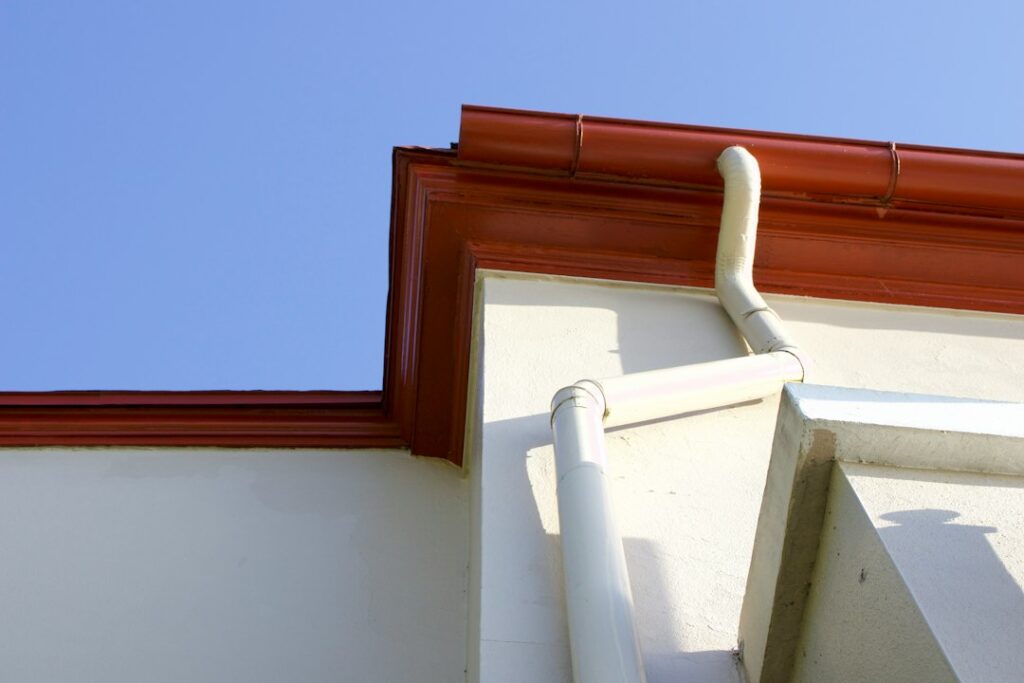
New gutters are one of the less glamorous exterior projects, but they do a lot of work: every rainstorm and spring melt sends hundreds of gallons off a typical roof, and the gutter system decides whether that water ends up safely away from the house or soaking the foundation. Gutter installation cost varies widely depending on the material, the profile size, the height and shape of the roof, the number of downspouts and whether the fascia behind the old gutters needs repair. This guide compares seamless aluminum, sectional vinyl, steel and copper, explains the choice between 5-inch and 6-inch gutters in a Colorado climate, lists hedged per-foot price ranges, walks through the factors that push quotes up or down, and covers snow, ice, heat cables and drainage planning. All figures are broad industry estimates, not quotes; local labor rates and material prices change.
Part of our Structure & Exterior guide — start there for the full picture →
Gutter Materials Compared
Most residential gutters fall into four material groups. Each has trade-offs in cost, durability, appearance and how it handles Front Range weather.
Seamless Aluminum
Seamless aluminum is the most common choice for new installations. A contractor brings a roll of coil stock and a forming machine to the site and extrudes each run to the exact length needed, so the only joints are at corners, end caps and downspout outlets. Fewer joints generally means fewer leaks. Aluminum does not rust, comes in many factory colors and is light enough to hang easily.
- Pros: widely available, fewer seams, rust-resistant, many colors, moderate cost.
- Cons: dents from hail, ladders and falling branches; thinner gauges can bend under heavy snow or ice; requires a contractor with forming equipment.
Aluminum comes in different thicknesses. Heavier gauges cost a bit more but resist dents and sagging better, which can matter where hail and wet spring snow are common.
Sectional Vinyl
Vinyl gutters are sold in short sections at home centers and snap together with connectors and gaskets. They are the least expensive option and are designed for DIY installation.
- Pros: low material cost, will not rust or corrode, easy to cut and assemble.
- Cons: many joints that can leak; vinyl can become brittle in extreme cold and may crack; strong sun can fade and warp it over time; generally less able to handle heavy snow loads than metal.
In a climate with intense high-altitude sun, sharp temperature swings and heavy snow, vinyl’s limitations tend to show sooner, so many Front Range contractors steer customers toward metal.
Steel
Galvanized or galvalume steel gutters are stronger than aluminum and resist denting and snow load better. They are heavier, harder to install and will rust once the protective coating wears through, especially where water stands or the coating is scratched.
- Pros: strength, dent resistance, good for heavy snow or areas prone to snow slides.
- Cons: eventual rust, heavier, fewer installers, more labor to hang.
Copper
Copper gutters are a premium option, often chosen for historic homes or high-end projects. Seams are soldered, and the metal weathers to a brown and eventually green patina.
- Pros: very long life with proper installation, distinctive appearance, corrosion resistance.
- Cons: high cost, specialized installation, runoff can stain some surfaces, and theft of copper has been a problem in some areas.
K-Style vs Half-Round
Material is only one choice; profile is another. K-style gutters have a flat back and a decorative front that resembles crown molding, and they are by far the most common profile on newer homes. Their shape lets them hold more water than a half-round gutter of the same width. Half-round gutters are semicircular, often paired with round downspouts, and are common on older and historic homes, especially in copper. They tend to drain completely and can be easier to clean, but they usually cost more, need special brackets and carry somewhat less water for their width. Box gutters built into the roof edge on some older houses are a separate category and usually call for a specialist.
5-Inch vs 6-Inch Gutters
Gutter size refers to the width of the top opening of a K-style (ogee) gutter. Five-inch gutters have long been standard for many homes, while 6-inch gutters carry noticeably more water and pair with larger downspouts.
Several factors favor larger gutters:
- Large or steep roof planes. A big, steep roof sends more water to the eave in a short time, and steep pitches move water faster.
- Intense storms. Front Range summer thunderstorms can dump heavy rain in a short burst. Gutters that cope with an average rain may overflow during these downpours.
- Long runs to a single downspout. More roof area draining to one outlet means more volume.
- Heavy debris. Larger gutters and downspouts are somewhat less prone to clogging, especially paired with 3×4-inch downspouts instead of 2×3-inch.
- Snowmelt. Fast spring melt from a deep snowpack adds a lot of water at once.
Six-inch gutters typically cost somewhat more per foot than 5-inch, and some homeowners find the larger profile looks heavy on smaller homes. Sizing is ultimately a calculation involving roof area, pitch and local rainfall intensity, and a qualified installer should be able to explain why a given size fits the house. Larger is not automatically better if the downspouts and drainage below cannot handle the flow.
Gutter Installation Cost Per Foot
The figures below are broad estimates for installed gutters, including typical labor, and they vary by region, season and contractor. Front Range prices may differ from national averages.
- Vinyl (sectional): often roughly $3 to $8 per linear foot installed; DIY materials may be lower.
- Seamless aluminum, 5-inch: commonly about $6 to $15 per linear foot installed.
- Seamless aluminum, 6-inch: often somewhat higher, perhaps $8 to $18 per linear foot installed.
- Steel: roughly $9 to $20 or more per linear foot installed.
- Copper: frequently $25 to $40 or more per linear foot installed, with complex jobs higher.
A typical single-family home might have roughly 120 to 200 linear feet of gutter. Using those broad ranges, a seamless aluminum system on an average home could land somewhere around $1,000 to $3,000, while copper on the same house could run several times that. Downspouts, guards, removal and repairs are often priced separately.
Minimum job charges are common, so very small projects such as a garage or porch run may cost more per foot than a whole-house installation. Some contractors also quote corners, end caps and outlets as separate line items rather than folding them into the per-foot price, which makes side-by-side comparison of quotes more important.
Downspouts
Downspouts are usually priced per foot or per unit. A two-story house needs longer downspouts, and adding outlets to shorten long runs improves drainage but adds cost. Upgrading from 2×3-inch to 3×4-inch downspouts is a common recommendation where debris or heavy rain is a concern and is usually a modest increase per downspout.
What Drives the Price Up or Down
Two houses with the same gutter length can receive very different quotes. Common cost drivers include:
- Number of stories and roof height. Second- and third-story work takes longer, needs taller ladders or lifts and carries more risk, which shows up in labor pricing.
- Roof complexity. More corners, inside miters, dormers and short runs mean more cuts, more joints and more time.
- Removal and disposal of old gutters. Tearing off and hauling away existing gutters is often a separate line item, sometimes priced per foot.
- Fascia repair. Old gutters frequently hide rotted fascia. Replacing damaged boards before hanging new gutters adds cost but avoids hanging new gutters on wood that cannot hold fasteners. The guide to soffit and fascia repair explains how that work is assessed.
- Hanger type and spacing. Closer hanger spacing for snow country, or heavy-duty hangers, adds a small amount per foot.
- Gutter guards. Adding guards at installation is convenient but can substantially raise the total, especially for premium micro-mesh or hooded systems. The guide to gutter guards compares types and costs.
- Drainage add-ons. Extensions, splash blocks, buried drain lines and connections to existing underground pipes all add cost.
- Season and demand. Fall is busy for gutter contractors, and post-hailstorm periods can bring heavy demand along the Front Range.
If the existing gutters are only partly damaged, targeted repair may be cheaper than full replacement. The guide to gutter repair covers fixes for leaky seams, sagging and pulled-away sections.
DIY vs Professional Installation
Sectional vinyl and some sectional aluminum systems are sold for homeowner installation, and a careful DIYer can hang them on a single-story house with basic tools. The main savings is labor, which often makes up a large share of a professional quote. The trade-offs are time, ladder risk and the precision needed to get pitch, hanger spacing and outlet placement right; a gutter that is hung level, or slopes the wrong way, will hold standing water no matter how good the material is.
Seamless gutters require a forming machine, so they are almost always professionally installed. Professional installation also makes sense for two-story homes, complex rooflines, steel or copper, and any job that involves fascia repair or coordination with a roofer. Ask whether the crew will check and adjust the drip edge so roof water lands in the gutter rather than behind it, and how they will seal outlets, corners and end caps.
How Long Gutters Last
Service life depends on material, installation quality, maintenance and climate, so any figure is an estimate. Vinyl is generally considered the shortest-lived option, particularly where intense sun and cold cycles are common. Aluminum and galvanized steel often last a couple of decades or more with routine cleaning and prompt repair of leaks and sags, though steel lifespan depends heavily on when its coating wears through. Copper, installed and soldered well, is commonly expected to outlast the others by a wide margin. Regular cleaning, keeping hangers tight and fixing small leaks early are the most reliable ways to stretch the life of any system, which makes ongoing maintenance part of the true cost of ownership alongside the upfront installation price.
Snow, Ice and Heat Cables
Colorado winters put gutters under loads that milder climates do not. Wet spring snow is heavy, and repeated freeze-thaw cycles can fill gutters with ice. Snow sliding off steep or metal roofs can strike gutters with enough force to bend them or tear them loose.
Building for Snow Load
Practical measures include heavier-gauge metal, hidden hangers with screws rather than spikes, closer hanger spacing, and mounting gutters so their outer edge sits slightly below the plane of the roof, which can help sliding snow clear the gutter instead of catching it. On roofs where large slides are common, snow guards on the roof surface may protect gutters better than any hanger.
Ice Dams
Ice dams form mainly when heat escaping into the attic melts snow higher on the roof and the water refreezes at the colder eave. ENERGY STAR lists ice dams on the roof in winter among common attic problems, pointing homeowners to checking attic insulation levels and air leaks and to attic air sealing and insulation projects. New gutters do not fix an ice dam problem by themselves. The guide to ice dams covers causes, damage and prevention.
Heat Cables
Heat cables (heat tape) run in a zigzag along the roof edge and inside gutters and downspouts to create melt channels so water can drain. They can help in problem spots, but they use electricity, need a proper outdoor-rated circuit and installation per the manufacturer’s instructions, and treat the symptom rather than the cause. Installing cables adds cost for materials, labor and possibly electrical work. Ask the installer whether the gutters and hangers are compatible with the cable system planned.
Planning Drainage Before You Buy
Gutters only solve half the problem; the other half is where the water goes after it leaves the downspout. The EPA’s brief guide to mold, moisture and the home lists cleaning and repairing roof gutters regularly among its moisture-control steps and also calls for making sure the ground slopes away from the foundation so water does not enter or collect around it.
When planning a new system, consider:
- Downspout locations. Place downspouts where the discharge can be carried away from the house, not into a window well, onto a walkway that freezes or toward a neighbor’s lot.
- Extensions and discharge distance. The guide to a downspout extension covers splash blocks, flip-up extensions and buried lines.
- Grading and yard drainage. If the yard slopes toward the house, water from downspouts may flow right back. The guide to yard drainage explains swales, regrading and drains.
- Local rules. The EPA’s Soak Up the Rain program describes redirecting downspouts to lawns, gardens or rain barrels so water can soak in, while cautioning that disconnection is not appropriate everywhere and that local regulations and the water’s path should be considered. Colorado also has specific rules for rainwater collection, so check current state guidance before adding barrels.
Getting and Comparing Quotes
Ask at least two or three contractors for written quotes that specify:
- Material, gauge or thickness, profile and size of gutters and downspouts.
- Hanger type and spacing.
- Number and location of downspouts.
- Removal and disposal of old gutters.
- How fascia damage will be handled and priced if found.
- Whether guards, extensions or heat cables are included.
- Warranty terms on materials and workmanship.
Confirm the contractor carries liability insurance, and ask how they will coordinate with any roofing work. When a roof is being replaced, it often makes sense to install new gutters at the same time so drip edge, flashing and gutters fit together correctly.
Gutters in a Home Inspection
The ASHI Standard of Practice defines roof drainage systems as the components used to carry water off a roof and away from a building, and lists them among the roofing items an inspector inspects. It also covers vegetation, grading and surface drainage likely to adversely affect the building. Inspection reports frequently note missing or undersized gutters, downspouts discharging at the foundation and signs of overflow such as stained fascia. Buyers facing those findings can use them to estimate costs or negotiate. The guide to hiring a home inspector explains what an inspection covers and how to follow up.
References
- ASHI Standard of Practice for Home Inspections — American Society of Home Inspectors
- A Brief Guide to Mold, Moisture and Your Home — U.S. Environmental Protection Agency
- Soak Up the Rain: Disconnect / Redirect Downspouts — U.S. Environmental Protection Agency
- Identify the Problems You Want to Fix — ENERGY STAR
Frequently asked questions
How much does gutter installation cost?
As broad estimates, seamless aluminum often runs about $6 to $15 per linear foot installed for 5-inch gutters, vinyl less and steel or copper more. A typical home with 120 to 200 feet of gutter might spend roughly $1,000 to $3,000 for seamless aluminum, before guards, extensions or fascia repair.
Are seamless gutters worth the extra cost?
For many homes, yes. Seamless gutters are formed to length on site, so they have fewer joints that can leak than sectional gutters. They cost more than DIY vinyl but generally need fewer repairs over time.
Should I get 5-inch or 6-inch gutters?
Six-inch gutters carry more water and suit large or steep roofs, long runs and areas with intense storms or heavy snowmelt. Five-inch gutters are adequate for many homes. An installer should size gutters based on roof area, pitch and local rainfall.
Do new gutters stop ice dams?
No. Ice dams form mainly when attic heat melts roof snow that refreezes at the eaves. Attic air sealing, insulation and ventilation address the cause; sturdy hangers and heat cables can reduce gutter damage but do not fix the underlying problem.
Should gutters be replaced with a new roof?
It often makes sense to coordinate them, because drip edge, flashing and gutters need to fit together and old gutters may need to come down during reroofing anyway. If existing gutters are in good condition, they can sometimes be reinstalled.
Not sure whether the gutters on a house you are buying are up to Colorado storms? Contact our team and we will put you in touch with a local inspector who can check the drainage system from roof edge to grade.