Gutter Repair: Leaks, Sagging and Pulled-Away Gutters
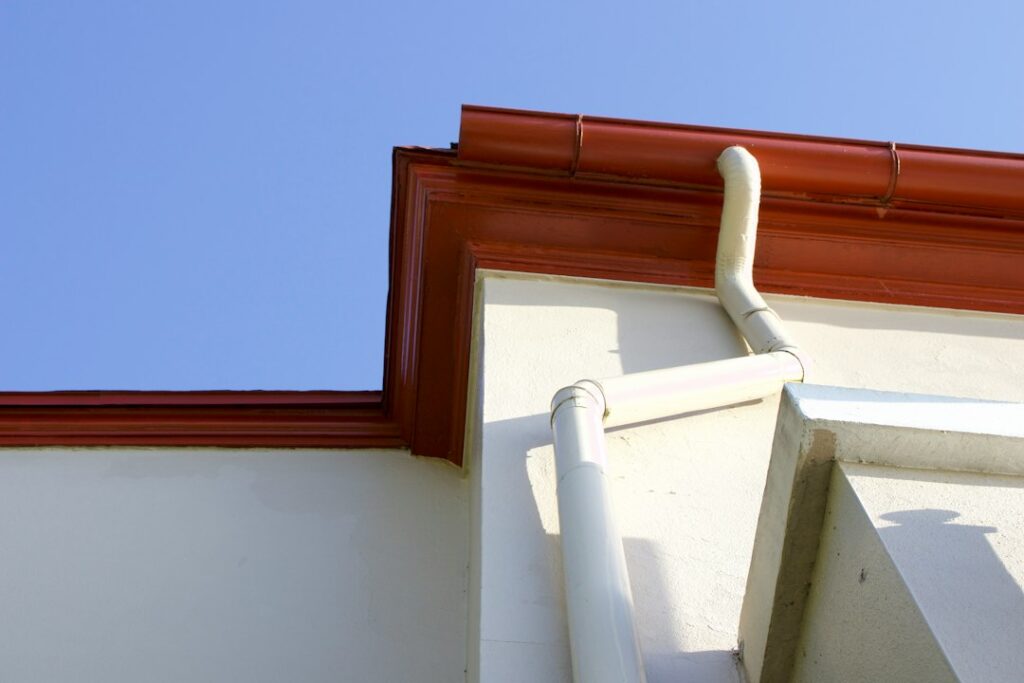
Gutters work quietly until something goes wrong: a seam starts dripping, a run begins to sag, a section pulls away from the roof edge or a downspout drops off its elbow. Most of these problems can be fixed without replacing the whole system, and catching them early keeps roof water from soaking the fascia, staining siding and pooling next to the foundation. This guide to gutter repair covers the most common failures, how each is typically fixed, which jobs are reasonable for a careful homeowner and which call for a contractor, how Front Range hail and snow load figure in, when replacement starts to make more sense than repair, and what repairs tend to cost. Cost figures are broad industry estimates rather than quotes, and actual prices depend on the house, the material and local labor rates.
Part of our Structure & Exterior guide — start there for the full picture →
Leaking Seams, Joints and End Caps
Leaks are the most common gutter complaint, and they usually show up at the weak points: the seams where sections join, the corners (miters), the end caps and the outlet where the downspout connects. Sectional gutters have many joints and tend to leak more often than seamless aluminum, which is formed on site in long continuous runs, but even seamless gutters have corners, end caps and outlets that can open up over time.
Why Seams Fail
Gutters expand and contract with temperature swings, and Colorado’s sharp day-to-night changes and repeated freeze-thaw cycles put steady stress on sealant. Old caulk dries, cracks and loses adhesion. Standing water from a clog or poor pitch keeps joints wet and speeds deterioration. Ice expanding inside a full gutter can push joints apart, and snow sliding off the roof can twist sections enough to break a seal.
How Leaky Seams Are Repaired
The typical repair is straightforward:
- Clean the gutter and let the joint dry completely. Sealant does not bond well to wet, dirty or oxidized surfaces.
- Scrape away old, failed sealant with a putty knife and scrub the area with a wire brush or abrasive pad.
- Wipe the joint with a solvent recommended by the sealant manufacturer to remove residue.
- Apply a gutter-specific sealant along the inside of the seam, pressing it into the joint and feathering it smooth so it does not create a dam.
- For larger gaps or small holes, a patch of matching metal or gutter repair tape bedded in sealant may be needed.
- Let the sealant cure per the product instructions before running water through it to test.
End caps are handled the same way; if a cap has been pushed loose, it may need to be crimped or riveted back in place before resealing. Leaks at downspout outlets are sometimes caused by an outlet that was never fully sealed or has worked loose, and resetting it with new fasteners and sealant often solves the drip.
Rust holes in steel gutters are a different matter. A few small spots can be patched, but widespread rust usually means the gutter is nearing the end of its life.
Repairs by Gutter Material
The right repair depends partly on what the gutter is made of. Aluminum, the most common residential material, accepts sealants and pop rivets well, and matching patch stock and color-matched hangers are widely available. Vinyl gutters snap together with rubber gaskets at the joints; when a joint leaks, replacing the connector or gasket usually works better than caulking over it, and vinyl that has become brittle from sun exposure or cold may crack when handled. Galvanized steel is strong but rusts once its coating wears through, so patches tend to be temporary. Copper is typically soldered at seams rather than sealed with caulk, and repairs are usually best left to a contractor experienced with copper so the joints remain watertight and the finish stays consistent. Mixing metals, such as using steel fasteners on copper or aluminum, can cause corrosion where they touch, so matching fasteners to the gutter material matters.
Sagging Gutters and Lost Pitch
A sagging gutter holds water where it should not, which adds weight, encourages more sagging and sends overflow over the front lip. Sagging is usually traced to one of three causes: fasteners that have loosened, hangers spaced too far apart, or fascia wood that can no longer hold a fastener.
Hangers and Spacing
Older gutters were often hung with spikes driven through the gutter and into the fascia, held apart by a metal ferrule. Over years of expansion, contraction and load, spikes tend to back out. A common fix is to replace spikes with hidden hangers fastened with screws, which grip better and hold the gutter more securely. Hanger spacing matters as much as hanger type. Spacing of roughly every 2 to 3 feet is commonly recommended, with closer spacing often suggested where heavy snow and ice are expected. Manufacturer instructions and local conditions should guide the final layout.
Getting the Pitch Right
Gutters need a slight slope toward each downspout so water drains instead of pooling. A figure frequently cited is about 1/4 inch of drop for every 10 feet of gutter, though recommendations vary somewhat by manufacturer and installer, and longer runs are often pitched from the middle toward downspouts at each end. Too little slope leaves standing water; too much can look uneven from the street and may cause water to overshoot at the low end in heavy rain.
Re-pitching involves loosening hangers, snapping a chalk line along the fascia with the desired slope and refastening the gutter to that line. On a single-story home this is manageable for a careful DIYer; on taller homes or long runs it is usually easier with a crew.
A Quick Diagnostic
Run a hose into the high end of a gutter after cleaning it. Water that collects in puddles, flows backward or spills over the front points to lost pitch or a sag. Mark those spots for adjustment.
Pulled-Away Gutters and Fascia Rot
When a gutter pulls away from the house, the problem is often behind it. Fascia is the board along the roof edge that gutters are fastened to. If water has been overflowing or leaking onto that board for years, the wood can soften and rot, and fasteners lose their grip. Re-hanging a gutter on rotted fascia only buys a short reprieve.
Checking the Fascia
Signs of a fascia problem include peeling or blistered paint, dark stains, wood that feels soft when pressed with a screwdriver, gaps between the fascia and the roof deck, and hangers that spin or pull out easily. Rot may also extend into the soffit or the edge of the roof sheathing. The guide to soffit and fascia repair explains how damaged sections are cut out and replaced, and the broader guide to wood rot repair covers how rot is assessed and when epoxy fillers are an option versus replacement.
Repairing in the Right Order
The usual sequence is to remove the affected gutter section, repair or replace the rotted fascia, prime and paint or wrap it, then re-hang the gutter with new hangers at proper spacing and pitch. Addressing the source of the water, whether that was a clog, a leaking seam, a missing drip edge or an ice dam, matters as much as the carpentry. Otherwise the new wood will face the same conditions.
Pulled-away gutters can also result from heavy snow sliding off steep or metal roofs, a ladder leaned against the gutter, or ice weight. On roofs prone to snow slides, snow guards and stronger hangers may be worth discussing with a roofer.
Hail Dents and Storm Damage
Hailstorms are common along the Front Range from late spring through summer, and aluminum gutters dent easily. Dents on the face of a gutter are often cosmetic, but they can also be a useful clue: insurance adjusters and roofers frequently look at gutters, downspouts and window screens as evidence of hail size and direction when assessing roof damage.
Functional damage is a separate question. Deep dents that change the gutter profile, crushed sections that block flow, split seams and downspouts flattened at the bottom all affect performance and generally warrant repair or replacement. If gutters are dented after a storm, it is often worth having the roof inspected as well, since the same hail may have bruised shingles. The guide to hail damage on a roof explains what adjusters look for and how claims typically proceed.
Before making repairs after a storm, homeowners who plan to file a claim usually photograph the damage and check with their insurer, since some policies require an inspection before work begins.
Downspout Problems and Disconnects
Downspouts are where gutter water leaves the system, and problems here are easy to overlook.
- Disconnected sections. Elbows and downspout sections are usually joined with short sheet-metal screws or rivets. When fasteners fall out, sections separate and water discharges at the wall. Reattaching with new screws or rivets, crimped end into the next piece below, is usually a quick fix.
- Loose straps. Downspouts should be strapped to the wall at intervals. Missing straps let wind and snow rack the downspout, which loosens joints and the outlet.
- Clogs. Needles and leaves often jam at the top elbow. Flushing with a hose from the bottom or top, or removing the elbow to clear it, usually works.
- Crushed bottoms. Lawn mowers, snow shovels and vehicles flatten the lower section and elbow. Replacing the bottom piece is inexpensive.
- Short discharge. A downspout that empties right at the foundation defeats the purpose of the gutter. An extension, splash block or buried line can carry water farther out.
The EPA’s Soak Up the Rain program describes disconnecting downspouts from pavement or underground pipes and redirecting the water to lawns, gardens or rain barrels so it can soak in, while noting that disconnection may not be appropriate everywhere and that local regulations and where the water goes should be considered to avoid property damage. Directing water away from the foundation, and not toward a neighbor, is the goal. The guide to a downspout extension covers options for moving water farther out.
DIY Gutter Repair and Ladder Safety
Many repairs, such as resealing seams, swapping spikes for hidden hangers, reattaching downspout sections and replacing a crushed elbow, are within reach of a homeowner on a single-story house. The limiting factor is usually the ladder.
OSHA’s Portable Ladder Safety QuickCard lists rules that apply directly: inspect the ladder before use, look for overhead power lines and avoid metal ladders near energized equipment, keep three points of contact while climbing, set the ladder on a stable and level surface, place the base about a quarter of the ladder’s working length from the wall, extend it at least 3 feet above the point of support when accessing an elevated surface, and do not stand on the top three rungs of a straight or extension ladder.
Gutter repair adds its own hazards: sharp cut edges of metal, power drills used at arm’s length and the temptation to reach just a bit farther. Move the ladder rather than leaning out. Two-story homes, long re-pitching jobs and anything involving fascia replacement are commonly handed to a contractor.
When to Repair vs Replace
Repair makes sense when problems are isolated: a few leaky seams, a sag in one run, a dented downspout. Replacement starts to make more sense when:
- Leaks keep reappearing at multiple seams despite resealing.
- Steel gutters show widespread rust or holes.
- Large sections are bent, cracked or crushed by hail, ice or snow slides.
- Gutters are undersized for the roof area and overflow even when clean.
- Much of the fascia needs replacement, so gutters must come down anyway.
- The roof is being replaced, and new gutters can be coordinated with new drip edge and flashing.
The guide to gutter installation cost compares seamless aluminum, vinyl, steel and copper, 5-inch versus 6-inch profiles and what drives pricing.
Gutter Repair Costs
Repair pricing depends on the problem, the height of the house, the gutter material and local labor rates. Many contractors have a minimum service charge. As broad estimates, not quotes:
- Resealing seams or end caps: DIY materials often cost under $25; a professional visit to reseal several joints might fall roughly in the $100 to $300 range, depending on how many there are and the height.
- Re-hanging or re-pitching a section: perhaps $150 to $500 or more, depending on length and access.
- Downspout repair or replacement: individual sections and elbows are inexpensive in materials; professional replacement of a downspout might run roughly $75 to $250 or more.
- Fascia repair behind gutters: often quoted per linear foot and can add a few hundred to a few thousand dollars, depending on how much wood is damaged and whether soffits are involved.
- Hail damage: varies widely; insurers may cover gutter repair or replacement as part of a broader roof claim, subject to the policy and deductible.
Get written quotes that describe the work, materials, hanger type and spacing, and whether old materials will be hauled away. If a contractor recommends full replacement, ask what specific failures support that recommendation.
What a Home Inspection Reveals About Gutters
The ASHI Standard of Practice defines roof drainage systems as the components used to carry water off a roof and away from a building, and it lists them among the roofing items an inspector inspects. It also covers eaves, soffits and fascias accessible from the ground level and surface drainage likely to affect the building adversely. Inspection reports commonly note leaking or sagging gutters, sections pulled away from the fascia, disconnected or crushed downspouts, discharge next to the foundation and evidence of rot at the roof edge.
The EPA’s brief guide to mold, moisture and the home lists cleaning and repairing roof gutters regularly among its moisture-control steps, which reflects why inspectors pay attention to them: water that escapes the gutter system tends to end up where it causes damage. Buyers who see gutter issues in a report can use them as a starting point for repair estimates or negotiations. The guide to hiring a home inspector covers what an inspection includes and how to follow up on findings.
References
- ASHI Standard of Practice for Home Inspections — American Society of Home Inspectors
- A Brief Guide to Mold, Moisture and Your Home — U.S. Environmental Protection Agency
- Soak Up the Rain: Disconnect / Redirect Downspouts — U.S. Environmental Protection Agency
- Portable Ladder Safety QuickCard — Occupational Safety and Health Administration
Frequently asked questions
Can I fix a leaking gutter seam myself?
Often, yes. Clean and dry the joint, remove old sealant, apply a gutter-specific sealant along the inside of the seam and let it cure before testing with a hose. Widespread rust or repeated leaks at many joints may point to replacement instead.
Why is my gutter sagging?
Common causes are loose spikes or hangers, hangers spaced too far apart, debris and standing water adding weight, and rotted fascia that can no longer hold fasteners. Replacing spikes with screw-in hidden hangers and repairing the fascia usually fixes it.
How much slope should a gutter have?
A commonly cited figure is about 1/4 inch of drop for every 10 feet toward the downspout, though recommendations vary by manufacturer. The goal is for water to drain fully without pooling or overshooting.
Does homeowners insurance cover gutter repair?
Sudden damage such as hail or a falling tree may be covered, often as part of a roof claim, subject to the policy and deductible. Wear, rust and maintenance issues are generally not covered. Photograph damage and check with your insurer before repairs.
How much does gutter repair cost?
As rough estimates, resealing joints may cost about $100 to $300 for a professional visit and re-hanging a section perhaps $150 to $500 or more. Fascia repair behind the gutter can add substantially. Prices vary by house height, material and location.
Seeing sagging gutters or stained fascia on a Front Range home you are about to buy? Reach out to us and we will help you find a local inspector who can check the roof edge, gutters and drainage before you commit.