When Was Lead Paint Stopped? The 1978 Ban and What It Means
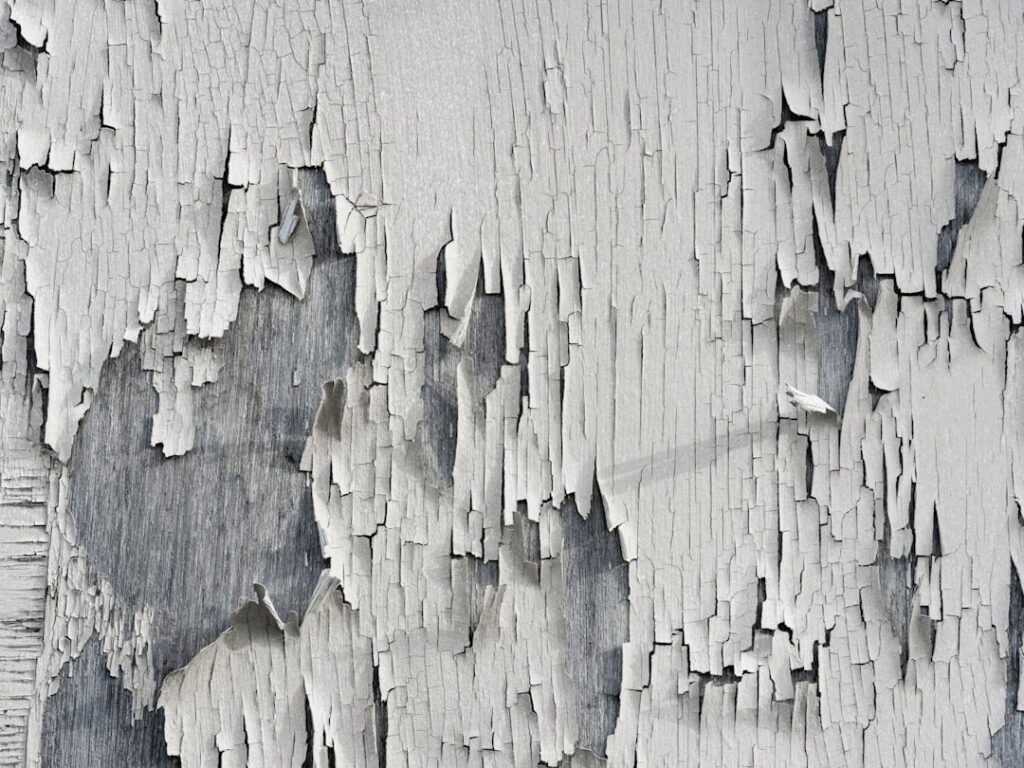
People ask “when was lead paint stopped” for practical reasons: they are buying an older house, planning to sand a window frame, or trying to decide whether the chipped trim in a child’s bedroom is worth worrying about. The short answer is 1978. That is the year federal regulators banned lead-based paint for residential use, and it is the date that still drives disclosure forms, renovation rules and testing decisions today. The longer answer is that “stopped” happened in stages, and the ban did nothing to remove paint that was already on walls, doors and windows. This guide walks through the timeline, what the 1978 date does and does not tell you about a specific house, and the next steps that make sense for each era of construction. It summarizes EPA, CDC and CPSC guidance current as of 2026; it is not legal or medical advice.
Part of our Lead Paint & Lead Testing guide — start there for the full picture →
Is this mold, asbestos, or water damage? Get a free instant screen
Upload a clear photo of the suspect area. You'll get an instant AI screening opinion and what to do next. This is screening guidance, not a professional determination.
Screening guidance only. AI can be wrong. Confirm asbestos, mold type, or lead with lab testing or a licensed professional before acting.
When Was Lead Paint Stopped? The Short Answer
Lead-based paint for homes was stopped by federal action in 1978. The EPA’s page on sources of lead exposure states that in 1978 the federal government banned the sale of lead-based paint for use in homes and childcare facilities. The EPA’s Renovation, Repair and Painting Program page repeats the same date and adds preschools to the list. The CDC’s lead prevention guidance describes homes built before 1978 as homes built before lead-based paints were banned.
The agency that issued the ban was the Consumer Product Safety Commission. Its current rule, described on the CPSC’s Lead in Paint page, treats paint and similar surface coatings containing 0.009 percent or more lead by weight as banned hazardous products. That threshold is the modern standard and is generally reported to be stricter than the limit that applied when the ban first took effect, which is one reason older “low lead” formulations would not meet today’s definition of lead-free paint.
So the year that matters for homeowners is 1978. A house built in 1978 or later is unlikely to have been finished with residential lead-based paint, and a house built before 1978 may have it. The rest of this guide explains why that line is a useful starting point rather than a guarantee.
How Lead Paint Was Phased Out Before the Federal Ban
The 1978 ban was the end of a long decline rather than a sudden switch. Lead compounds were valued in paint for decades because they improved durability, coverage and drying, and white lead was a common pigment in interior and exterior house paint well into the twentieth century. Over time, concern about childhood poisoning pushed the industry and local governments to cut back.
Historical accounts generally describe several overlapping steps:
- Voluntary industry reductions. Paint makers are commonly reported to have reduced lead in interior consumer paints by around the 1950s, as titanium dioxide and other pigments became practical substitutes. These were voluntary changes, and products varied by manufacturer and region.
- Local and state restrictions. Some cities and states are generally reported to have restricted lead in residential paint before the federal government acted. The details varied widely and many applied only to interior surfaces or to certain uses.
- Federal action in the 1970s. Federal lead poisoning prevention legislation in the early 1970s began limiting lead paint in federally connected housing, and the CPSC rule that took effect in 1978 set a nationwide ban on residential sale.
Because the early steps were voluntary or local, they do not give a reliable cutoff for any single house. A home built in the 1960s may have been painted with products that still contained meaningful lead, especially on exterior surfaces, porches and trim where durability was prized. Paint applied during later repainting could also differ from the original coats.
The practical lesson is that the pre-ban decades are a gradient. Homes from the early twentieth century are generally thought more likely to contain lead paint, and in higher concentrations, than homes from the late 1960s and 1970s. That pattern is widely cited in lead-hazard literature, but the agencies cited in this guide frame their public guidance around the single 1978 date, so treat any finer era breakdown as a rule of thumb.
What the 1978 Ban Did Not Do
A common misunderstanding is that 1978 marked the end of lead paint in homes. It marked the end of legal residential sale, which is different in at least three ways.
Existing paint stayed in place
The ban did not require anyone to strip or cover paint that was already on a building. The EPA states that approximately three-quarters of the homes in the United States built before 1978 still contain some lead-based paint. In most houses, lead paint sits under later layers of non-lead paint, which is why it may only become a problem when those layers wear, chip or are disturbed.
Leftover stock may have been used after 1978
Paint already sitting in warehouses, hardware stores, garages and basements did not disappear on the effective date. It is plausible that some leftover cans were applied after 1978, particularly in small jobs and touch-ups, though there is no reliable way to estimate how often. For that reason, a house completed in 1978 or 1979 is not automatically free of lead paint, and a property with a borderline construction date deserves the same caution as an earlier one if young children will live there.
Non-residential coatings followed different rules
The ban targeted paint sold for residential use. Coatings intended for industrial, marine, agricultural or highway applications followed different rules, and some of those products could end up on outbuildings, fences, railings or garages. If a structure on the property was painted with surplus industrial coating, its age alone will not tell you much.
Lead Paint Likelihood by Home Build Era
The table below turns the timeline into a practical starting point. The 1978 line and the “three-quarters” figure come from EPA guidance; the finer era descriptions are general rules of thumb rather than agency statistics, and a test result always outranks a build date.
| Home build era | Lead paint likelihood | What to do |
|---|---|---|
| Before 1950 | Generally considered the highest likelihood and often higher lead content in original coats (rule of thumb, not an agency figure) | Assume lead is present until tested; keep paint intact; use certified, lead-safe contractors for any work that disturbs paint |
| 1950 to 1959 | Likely in many homes; voluntary reductions varied by product (hedged) | Test before sanding, scraping or window replacement; check friction and impact surfaces first |
| 1960 to 1977 | EPA states homes built before 1978 are more likely to have lead-based paint; content often lower than older homes (hedged) | Use the disclosure inspection window when buying; consider a professional inspection if children live there |
| 1978 to early 1980s | Less likely; leftover stock or later touch-ups are possible (hedged) | Test only if the construction date is uncertain or paint history is unknown |
| Mid-1980s and newer | Unlikely for residential paint | No routine testing needed for paint; consider other lead sources such as soil or plumbing if there is a specific concern |
The phrase “more likely” matters. The CDC says homes built before 1978 probably contain lead-based paint, while the EPA says such homes are more likely to have it. Neither statement means every pre-1978 home does, and neither means every surface in an affected home is a hazard. Condition and location matter as much as presence.
Why the Date Still Matters: Disclosure, Renovation and Testing
The 1978 cutoff is built into several federal requirements that homeowners, buyers and contractors deal with today.
Disclosure when buying or renting
Sellers and landlords of most pre-1978 housing must disclose known lead-based paint and hazards, provide available reports and give buyers an opportunity to inspect. The rule took effect in 1996, almost two decades after the ban, and our guide to the lead based paint disclosure year explains why the form uses 1978 as its line and how the inspection window works. Buyers who want to understand the paperwork itself can read our overview of lead-based paint disclosure requirements.
Renovation, repair and painting
The EPA’s Renovation, Repair and Painting (RRP) Rule requires that anyone paid to perform work that disturbs painted surfaces in homes, childcare facilities and preschools built before 1978 be certified, and that their workers be trained in lead-safe work practices. According to the EPA, the rule generally does not apply to homeowners working on their own pre-1978 homes, but it does apply if the owner rents out all or part of the home, operates a childcare center there or buys, renovates and sells homes for profit.
The EPA also lists the states it has authorized to run their own RRP programs; Colorado is not on that list as of 2026, so EPA administers the program directly for contractors working in Colorado. Hiring a contractor who holds current RRP firm certification is the simplest protection when planning window replacement, sanding, demolition or repainting in an older house. Our guide to lead-based paint certification covers the differences between renovator, inspector, risk assessor and abatement credentials.
Testing
Because the build date only estimates risk, testing is how you find out what is actually on the walls. Options range from consumer swabs to professional work:
- Home test kits. A lead paint test kit can screen accessible surfaces. The EPA notes that an EPA-recognized test kit, used by a trained professional, can reliably determine that regulated lead-based paint is not present when the result is negative. Results from untrained users, and positives in general, are less definitive.
- Professional inspection. A certified inspector can check painted surfaces throughout a home, typically with portable X-ray fluorescence instruments or lab analysis of paint chips.
- Risk assessment. A lead-based paint assessment goes further by identifying current hazards such as deteriorated paint, contaminated dust and bare soil, and recommending how to control them.
If you are trying to tell old and new coatings apart by appearance, our comparison of lead paint vs non-lead paint explains why visual clues such as alligatoring are hints rather than proof.
Living With Lead Paint in a Pre-1978 Home
Finding out that a house predates the ban, or even confirming lead paint, does not automatically mean it needs to be removed. The EPA states that children can live safely in pre-1978 homes as long as paint and surfaces are in good condition and kept clean. The goal is to keep lead from becoming dust or chips that people can swallow or breathe.
Where problems tend to start
The EPA identifies old or worn lead-based paint on surfaces subject to friction, such as doors and window sills, as a source of chips and dust. Window sashes that rub in their tracks, doors that scrape jambs, stair treads and porch floors are common trouble spots. Exterior paint that weathers onto soil near the foundation can also matter where children play outdoors.
Managing paint in place
- Keep painted surfaces intact and repair peeling or chipping areas using lead-safe methods.
- Clean floors, window sills and window troughs regularly with wet methods rather than dry sweeping, which can stir up settled dust.
- Avoid dry sanding, dry scraping and open-flame or high-heat paint removal on surfaces that may contain lead.
- Wash children’s hands and toys often, and talk to a pediatrician about blood lead testing if you are concerned about exposure. Our guide on eating lead paint chips explains what to do if a child may have swallowed paint.
Encapsulation, enclosure and abatement
When paint cannot simply be maintained, there are several longer-term options. Encapsulation seals lead paint under a specially formulated coating; our guide on how to encapsulate lead paint covers when this works and when the underlying paint is too unstable to hold a new coating. Enclosure covers surfaces with new materials such as drywall or cladding. Full abatement permanently removes or eliminates hazards and is regulated work; our overview of EPA lead abatement rules explains how it differs from renovation. Which approach makes sense depends on the condition of the paint, the budget and who lives in the home.
Colorado Front Range Housing and the 1978 Line
Along the Front Range, the 1978 cutoff splits the housing stock in a meaningful way. Older neighborhoods in Denver, Boulder, Colorado Springs, Pueblo, Fort Collins and smaller towns such as Loveland and Longmont include many homes from the early and mid twentieth century: brick bungalows, Denver squares, Victorians and postwar ranches. A large share of suburban construction across the metro area, by contrast, came after 1978, so many buyers in newer subdivisions will not face lead paint questions at all.
A few regional factors are worth keeping in mind, though none of them changes the federal rules:
- Dry climate and strong sun. High-altitude ultraviolet exposure and large temperature swings can be hard on exterior paint. Chalking, cracking and peeling on south- and west-facing trim may show up sooner than in milder climates, which can bring older lead layers to the surface.
- Original wood windows. Many historic Front Range homes keep original double-hung windows. These friction surfaces are a common place for lead dust to accumulate, especially if the sashes have been repainted many times.
- Renovation activity. Popular remodels in older neighborhoods, such as opening walls, replacing windows and refinishing trim, are exactly the kinds of jobs the RRP Rule was written for.
- Unclear construction dates. County assessor records sometimes list an “effective year built” after major renovation, which can understate the age of original materials. When in doubt, look at the oldest parts of the structure.
Colorado buyers should also confirm whether their contract forms or local rules add anything to the federal disclosure process. A real estate agent or attorney can confirm what applies to a specific transaction. You can find more Front Range resources in our lead paint hub, and the wider asbestos and lead guide covers related hazards in older homes.
Putting the Date to Work: A Simple Decision Path
Knowing when lead paint was stopped is most useful when it leads to a clear next step. A simple way to think about it:
- Find the construction date. Check the listing, assessor record, permits or original documents. If the house or a major addition predates 1978, treat painted surfaces in that part as possibly containing lead.
- Look at condition. Intact, well-maintained paint is a lower immediate concern than peeling, chipping or chalking paint, or friction surfaces that generate dust.
- Consider who lives there. Young children and pregnant people are the main concern in public health guidance, so households with either should lean toward testing rather than assuming.
- Plan before you disturb. If work will cut, sand, scrape or demolish painted surfaces, test first or assume lead and use RRP-certified contractors and lead-safe practices.
- Choose the right level of testing. Screening kits answer simple yes or no questions on a few surfaces; a professional inspection or risk assessment gives a fuller picture for purchases, rentals and major projects.
- Keep the records. Test reports, inspection results and contractor paperwork are useful for future disclosure and resale.
For free reading on the hazard itself, the EPA’s own pamphlet is a good place to start; our guide to the EPA lead-based paint pamphlet explains what it covers and when sellers, landlords and renovators are required to hand it out.
Common Misconceptions About the Lead Paint Ban
A few myths come up often enough to address directly.
“My house was built in 1977, so it must be full of lead.” Not necessarily. Homes from the late 1970s often contain less lead paint than much older homes, and some contain none. The build date tells you to check, not what you will find.
“Painting over lead paint makes it safe forever.” Ordinary paint can cover lead, but it can still wear through, peel or be disturbed during later work. Purpose-made encapsulants are designed for the job, and even then the surface needs monitoring.
“Lead paint is only dangerous if someone eats chips.” Chips are one route, but the EPA notes that dust from deteriorating paint is one of the most common sources of lead exposure in homes. Dust is harder to see and easier to spread.
“A home built after 1978 has no lead risk at all.” Post-1978 homes are unlikely to have residential lead paint, but lead can come from other sources such as soil, older plumbing components and certain imported products. Those are separate questions from the paint ban.
References
- Protect Your Family from Sources of Lead — U.S. Environmental Protection Agency
- Lead Renovation, Repair and Painting Program — U.S. Environmental Protection Agency
- Preventing Childhood Lead Poisoning — Centers for Disease Control and Prevention
- Lead in Paint — U.S. Consumer Product Safety Commission
Frequently asked questions
When was lead paint stopped in the United States?
The Consumer Product Safety Commission banned the sale of lead-based paint for residential use in 1978. The EPA and CDC both use 1978 as the dividing line for homes that may contain lead-based paint.
Can a house built after 1978 still have lead paint?
It is unlikely but possible. Leftover pre-ban paint may have been used on some jobs, and non-residential coatings followed different rules. If the construction date is borderline or the paint history is unknown, testing is the only way to be sure.
Did the 1978 ban require lead paint to be removed from homes?
No. The ban stopped the sale of lead-based paint for homes but did not require existing paint to be removed. The EPA states that about three-quarters of U.S. homes built before 1978 still contain some lead-based paint.
Do contractors need special certification to work on pre-1978 homes?
Yes, in most cases. The EPA's Renovation, Repair and Painting Rule requires paid contractors who disturb painted surfaces in pre-1978 homes, childcare facilities and preschools to be certified and to use lead-safe work practices.
Is a home test kit enough to rule out lead paint?
A kit can screen accessible surfaces, but results depend on the kit and the user. The EPA notes that a recognized kit used by a trained professional can reliably confirm a negative result; a professional inspection gives a fuller picture.
Not sure whether the paint in your Front Range home predates the 1978 ban, or what to test before a remodel? Get in touch with our team and we can talk through testing and inspection options for your property.
Lead paint test kits
Instant swab kits flag lead on painted surfaces in minutes — useful before a renovation in any pre-1978 home.
| Product | Why | Buy |
|---|---|---|
 3M LeadCheck Swabs 3M LeadCheck Swabs | EPA-recognized instant swabs. | Amazon — $15.00 |
 Lead Test Kit (lab-based) Lead Test Kit (lab-based) | Mail-in for a documented result. | Amazon — $65.00 |