Best EV Charger for Home (2026): 7 Level 2 Picks Compared
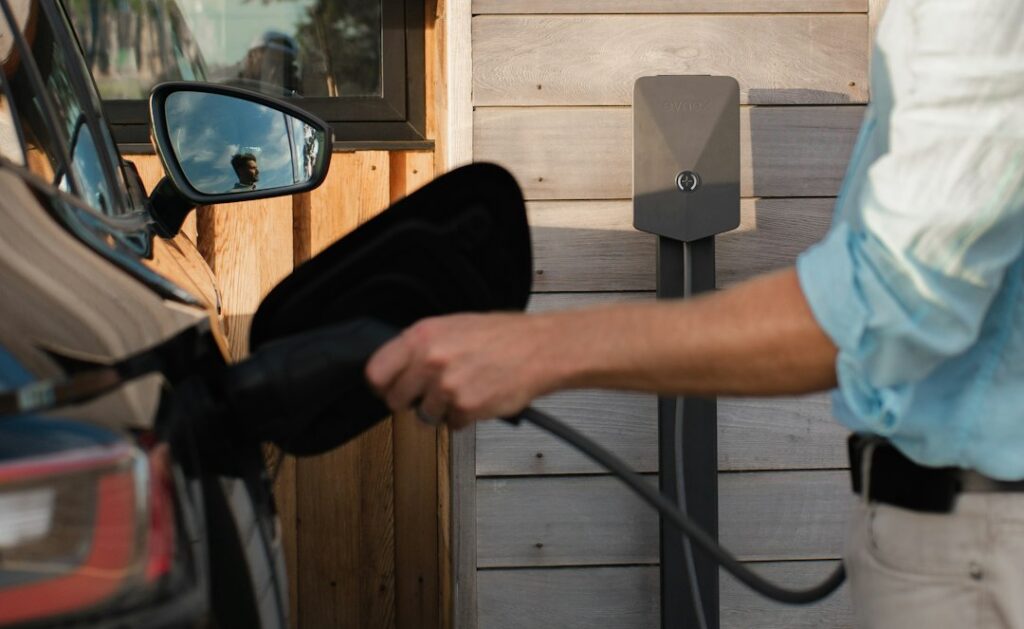
The best EV charger for home is the one your electrical panel can actually support, installed on a circuit sized for it. Brand and app features come second. A Level 2 charger runs at 240 volts and typically adds many times the range per hour of the cord that comes with the car, but it also becomes one of the largest continuous loads in the house. That is why this guide starts with circuit size, plug-in versus hardwired installation and safety certification, then gets to Wi-Fi, scheduling and load management. Below are seven picks matched to different garages and panels, then a buying guide that covers permits, panel capacity and Front Range winters.
Part of our Home Electrical guide — start there for the full picture →
As an Amazon Associate we earn from qualifying purchases.
How we compared: we compared 12 current Amazon listings for Level 2 home EV chargers on what each listing actually states: maximum amps, the circuit it needs, plug-in or hardwired installation, connector type, named certifications, weather rating, app features and warranty. A few listings are versions of the same charger (a J1772 and a NACS model, or a hardwired and plug-in model), so the 12 listings come from just 7 brands. We did not install, test or handle any of these chargers. Prices and availability change often, so check the live listing before buying.
Quick picks: the best home EV chargers by situation
| Product | Best for | Key features | Price | Buy |
|---|---|---|---|---|
| ChargePoint HomeFlex (hardwired) | Best overall smart hardwired charger |
| $549.00as of Oct 21, 2026 4:34 am GMT+0000 | Buy now →Check current price |
| Grizzl-E Avalanche GR1 | Best rugged no-app plug-in |
| $299.99as of Oct 21, 2026 4:34 am GMT+0000 | Buy now →Check current price |
| Emporia Pro with PowerSmart | Best for a limited panel |
| $599.00as of Oct 21, 2026 4:34 am GMT+0000 | Buy now →Check current price |
| EVIQO 40A NEMA 14-50 | Best smart plug-in |
| $449.99as of Oct 21, 2026 4:34 am GMT+0000 | Buy now →Check current price |
| IYILO RA48 (J1772) | Best for two-EV households |
| $339.98as of Oct 21, 2026 4:34 am GMT+0000 | Buy now →Check current price |
| EVIQO 48A NACS | Best for Tesla and NACS cars |
| $479.99as of Oct 21, 2026 4:34 am GMT+0000 | Buy now →Check current price |
| EVDANCE 40A Portable | Best portable charger |
| $176.98as of Oct 21, 2026 4:34 am GMT+0000 | Buy now →Check current price |
Prices are Amazon’s listed prices as of the time shown and change often; check Amazon for today’s price. As an Amazon Associate we earn from qualifying purchases.
The seven picks, compared listing by listing
1. ChargePoint HomeFlex (Hardwired) — Best Overall Smart Hardwired Charger

Hardwired J1772 Level 2 charger, adjustable 16 to 50 amps, app control, ENERGY STAR and UL-certified per listing.
Check price on Amazon$549.00 as of Oct 21, 2026 4:34 am GMT+0000 — prices change; see Amazon for current price.Why we like it
- Widest adjustable range on the shelf, 16 to 50 amps
- Names ENERGY STAR and UL certification
- Cold-resistant cable, indoor or outdoor install
- App ties into a large public network
| Specification | Details |
|---|---|
| Output | Adjustable 16 to 50 amps; up to 37 mi of range per hour in the title, up to 45 in the bullets |
| Installation | Hardwired by an electrician; indoor or outdoor |
| Connector / cable | J1772 (Tesla needs an adapter); 23-ft cold-resistant cable |
| Certifications named | UL-certified; ENERGY STAR in title |
| Smart features | ChargePoint app: control, reminders, smart-home links, charging data |
| Warranty / weight | 3-year manufacturer warranty; 13.8 lb |
ChargePoint HomeFlex CPH50 hardwired — J1772, 16–50A adjustable, 23-ft cable, Wi-Fi app, UL + ENERGY STAR named, 3-yr warranty
The Widest Adjustable Amperage Range on the Shelf
The HomeFlex can be set anywhere from 16 to 50 amps, the broadest range among the 12 listings. That flexibility is the practical reason it sits at the top: your electrician can match the charger to whatever circuit the panel can actually support, then raise it later if you upgrade service. Most rivals here top out at 40 or 48 amps.
It is also one of 7 listings that name ENERGY STAR and one of 8 that name UL certification. The ENERGY STAR program notes that not every EV charger for sale is safety certified, including some sold by large online retailers, and that all ENERGY STAR certified chargers are tested by a nationally recognized testing laboratory. ChargePoint also states a cold-resistant cable, one of only two listings (both ChargePoint) to mention it, which matters in a garage that sits well below freezing in January.
Two cautions. The listing’s circuit line reads “requires a 20A or 80A circuit,” which looks like a garbled range; have your electrician size the breaker from the installation manual. And the range-per-hour claim differs between the title (37 mi) and the bullets (45 mi), so treat either number as a best case that depends on the vehicle.
Pros
- 16 to 50A adjustability fits most panels
- UL and ENERGY STAR named
- Cold-resistant cable for winter garages
- Indoor or outdoor installation
Cons
- Circuit wording in listing is unclear
- 23-ft cable, a bit shorter than most
- Needs Wi-Fi for some functions
Check ChargePoint HomeFlex (hardwired) price on Amazon
2. Grizzl-E Avalanche GR1 — Best Rugged Plug-In Without an App

Metal-cased NEMA 14-50 plug-in charger, 16 to 40 amps, IP67, UL and ENERGY STAR named, 4-year replacement warranty.
Check price on Amazon$299.99 as of Oct 21, 2026 4:34 am GMT+0000 — prices change; see Amazon for current price.Why we like it
- Only metal-cased charger on the shelf
- Highest stated water rating, IP67
- Longest warranty here, 4-year replacement
- States amps for each breaker size
| Specification | Details |
|---|---|
| Output | 40, 32, 24 or 16 amps, matched to 50, 40, 30 or 20A breakers |
| Installation | NEMA 14-50 plug; indoor or outdoor |
| Cable | 24 ft |
| Protection | IP67, fire-resistant case; built-in GFCI; over-current, over/under-voltage, ground-fault and over-temperature protection listed |
| Certifications named | UL tested and certified; ENERGY STAR in title |
| Warranty | 4-year replacement warranty |
Grizzl-E Avalanche GR1 — NEMA 14-50 plug-in, 16–40A, 24-ft cable, metal case, IP67, built-in GFCI, UL + ENERGY STAR, 4-yr warranty
The Only Metal Case and the Longest Warranty on the Shelf
Every other charger here uses a plastic or unspecified housing; Grizzl-E calls out a metal case and an IP67 rating, the highest water-ingress rating any of the 12 listings states (the rest that give one say IP66). Its 4-year replacement warranty is also the longest; the other listings that state a term offer 1 or 3 years.
This listing is also the clearest about circuit sizing. It pairs each amp setting with a breaker: 40 amps on a 50A breaker, 32 on 40A, 24 on 30A and 16 on 20A, along with estimated miles of range per hour at each. That tidy table is exactly the conversation to have with your electrician, and it shows the general rule that a charger draws no more than 80% of its breaker rating.
There is no app and no Wi-Fi, which some buyers will see as a plus. But it also means no scheduling from the charger itself, so off-peak charging relies on the car’s own timer. Only 2 of 12 listings name a built-in GFCI, and this is one of them.
Pros
- Metal case and IP67 rating
- 4-year replacement warranty
- Breaker-by-breaker amp guidance
- Built-in GFCI named
Cons
- No app or scheduling on the charger
- 40A maximum
- Plug-in only in this version
Check Grizzl-E Avalanche GR1 price on Amazon
3. Emporia Pro With PowerSmart — Best for a Limited Electrical Panel

48-amp J1772 charger with built-in load balancing and an included Emporia Vue energy monitor; plug-in or hardwired.
Check price on Amazon$599.00 as of Oct 21, 2026 4:34 am GMT+0000 — prices change; see Amazon for current price.Why we like it
- Only listing that includes the energy monitor in the box
- Load management aimed at avoiding a panel upgrade
- Installs with NEMA 14-50 plug or hardwired
- US-based support team in Littleton, Colorado
| Specification | Details |
|---|---|
| Output | Up to 48 amps |
| Installation | NEMA 14-50 plug or hardwired (this listing: hardwired J1772 version) |
| Load management | PowerSmart balances charging against the home’s load using the included Vue monitor |
| Connectivity | Emporia app, Wi-Fi and Bluetooth; scheduling and usage tracking |
| Cable | 25 ft |
| Certifications / warranty | No certification named in listing; 3-year warranty |
Emporia Pro EMC2V3-B — J1772, up to 48A, plug-in or hardwired, PowerSmart load management + Vue monitor, 25-ft cable, 3-yr warranty
The Only Listing That Ships a Whole-Home Energy Monitor for Load Management
Many older homes have modest electrical service, and a 48-amp charger on top of a furnace blower, a dryer and an electric range can push the panel past what it was designed for. Load management solves that by slowing the charger when the rest of the house is busy. Three listings mention it: this Emporia and two IYILO models. Emporia is the only one that includes the monitor in the box; IYILO’s dynamic balancing needs an energy meter sold in a separate bundle.
The listing says PowerSmart works with your existing panel to charge at the highest speed possible without upgrading. Whether that is acceptable for your home is a code and load-calculation question for a licensed electrician, not the charger box, but it can turn a costly electrical panel upgrade into an optional one.
The gap is certification wording. Unlike 8 of the 12 listings, this one does not name UL, ETL or ENERGY STAR anywhere. Check the label or the manufacturer’s documentation for a nationally recognized testing laboratory mark before buying.
Pros
- Load management plus monitor included
- Can avoid or delay a panel upgrade
- Plug-in or hardwired flexibility
Cons
- No certification named in listing
- Monitor install adds work inside the panel
- App-dependent for its main feature
Check Emporia Pro with PowerSmart price on Amazon
4. EVIQO 40A NEMA 14-50 — Best Smart Plug-In Charger

40-amp NEMA 14-50 plug-in on a dedicated 50A circuit; app, IP66 / NEMA 4, UL, ETL and ENERGY STAR named.
Check price on Amazon$449.99 as of Oct 21, 2026 4:34 am GMT+0000 — prices change; see Amazon for current price.Why we like it
- Names UL, ETL, FCC and ENERGY STAR
- Warns it is not for a dryer outlet
- App scheduling, 6 to 40 amps
- IP66 / NEMA 4 sealed housing
| Specification | Details |
|---|---|
| Output | Up to 40 amps; adjustable 6 to 40 in the app |
| Installation | Plugs into a 4-prong NEMA 14-50 on a dedicated 50A, 240V circuit |
| Connector / cable | J1772; 25 ft; glow-in-the-dark holster |
| Weather rating | IP66 / NEMA 4 |
| Certifications named | UL, ETL, FCC, ENERGY STAR |
| Warranty | 3 years; requires 2.4 GHz Wi-Fi for the app |
EVIQO EVIPOWER-2 — NEMA 14-50 plug-in, 6–40A, J1772, 25-ft cable, IP66 / NEMA 4, UL / ETL / FCC / ENERGY STAR, 3-yr warranty
The Plug-In That Names the Most Certifications
Six of the 12 listings are NEMA 14-50 plug-ins. Among them, this EVIQO is the only one that names UL, ETL and ENERGY STAR together and also offers app control. The Grizzl-E names UL and ENERGY STAR but has no app; the ChargePoint plug-in names UL but not ENERGY STAR; and the three portable units (two EVDANCE and one BETUMODA) name no certification at all.
The listing also gets a common mistake right. It says plainly that the charger needs the 4-prong NEMA 14-50 receptacle (the RV and range type) on a dedicated 50A circuit, and that it is not for a dryer outlet. Dryer receptacles are usually a different configuration on a 30A circuit; adapters that force a fit are a fire risk. See our dryer outlet guide for how to tell them apart.
The trade-off of any plug-in is the receptacle itself. A 14-50 that gets plugged and unplugged, or a cheap receptacle, can loosen and heat up over time. If you will leave the charger plugged in permanently, ask your electrician whether hardwiring is the better choice.
Pros
- UL, ETL and ENERGY STAR named
- Clear outlet and circuit guidance
- App scheduling for off-peak rates
Cons
- 40A maximum on a plug
- Needs 2.4 GHz Wi-Fi for smart features
- Receptacle quality affects reliability
Check EVIQO 40A NEMA 14-50 price on Amazon
5. IYILO RA48 (J1772) — Best for Two-EV Households

48-amp hardwired J1772 charger with power sharing, RFID, connector heat sensing; UL 2594, ETL, ENERGY STAR named.
Check price on Amazon$339.98 as of Oct 21, 2026 4:34 am GMT+0000 — prices change; see Amazon for current price.Why we like it
- Power sharing runs two chargers on one breaker
- Only listing naming the UL 2594 standard
- Connector temperature sensor stops charging if hot
- Built-in GFCI and NEMA 4 named
| Specification | Details |
|---|---|
| Output | Up to 48 amps (11.5 kW), adjustable in 1-amp steps from 6 to 48 |
| Installation | Hardwired; 60A breaker and licensed electrician required per listing |
| Smart features | App with time-of-use rates, multiple users, RFID card, scheduling, OTA updates |
| Load features | Power sharing between two chargers; dynamic load balancing with separately sold meter |
| Certifications named | UL 2594 test report, ETL, ENERGY STAR, CSA |
| Warranty / weight | 3 years; 13.45 lb |
IYILO RA48 — hardwired J1772, 6–48A in 1A steps, power sharing, RFID, NTC connector sensor, UL 2594 / ETL / ENERGY STAR, 3-yr warranty
The Only Listings With Power Sharing, and the Only Ones Naming UL 2594
Two of the 12 listings describe power sharing, letting two chargers split one circuit without overloading it: this J1772 IYILO and its NACS sibling. For a household with two EVs, that can mean one 60A circuit instead of two, which is often the difference between fitting in the existing panel or not.
The IYILO pair are also the only listings that name UL 2594, the safety standard for electric vehicle supply equipment, by number. Other listings say “UL certified” without naming the standard. Note the careful wording, though: IYILO says its products have a UL 2594 test report, which is not quite the same as saying the unit is UL listed. Look for the certification mark on the product label.
The connector temperature sensor is another distinct detail. IYILO says charging stops if the connector exceeds 221 degrees Fahrenheit. A worn plug or port can run hot under a long, heavy charge, so a sensor that cuts power is a useful extra layer of protection.
Pros
- Power sharing for two EVs on one circuit
- Names UL 2594, ETL, ENERGY STAR
- Connector overheat shutoff
- Fine 1-amp adjustment
Cons
- “Test report” wording, not a clear UL listing
- Load balancing needs a separate meter
- Hardwired only, 2.4 GHz Wi-Fi only
Check IYILO RA48 (J1772) price on Amazon
6. EVIQO 48A NACS — Best for Tesla and NACS Vehicles

Hardwired 48-amp charger with a native NACS plug and port-open button; IP66, UL, ETL and ENERGY STAR named.
Check price on Amazon$479.99 as of Oct 21, 2026 4:34 am GMT+0000 — prices change; see Amazon for current price.Why we like it
- Native NACS plug, no adapter for Teslas
- Button on the plug opens a Tesla port
- 48 amps, or 50 on a 70A circuit
- UL, ETL, FCC and ENERGY STAR named
| Specification | Details |
|---|---|
| Output | 48 amps on a dedicated 60A circuit; 50 amps on a 70A circuit via DIP switches |
| Installation | Hardwired by a licensed electrician per the National Electrical Code |
| Connector / cable | NACS (J1772 cars need an adapter); 25 ft |
| Weather rating | IP66 / NEMA 4; internal steel shielding |
| Certifications named | UL, ETL, FCC, ENERGY STAR |
| Warranty | 3 years |
EVIQO EVIPOWER NACS — hardwired, 48A (50A option), native NACS, 25-ft cable, IP66 / NEMA 4, UL / ETL / FCC / ENERGY STAR, 3-yr warranty
One of Two Native-NACS Chargers on the Shelf
Ten of the 12 listings use the J1772 connector; only this EVIQO and the NACS version of the IYILO have the Tesla-style NACS plug built in. If the household drives Teslas, or a newer EV that ships with a NACS port, a native plug skips the adapter and adds the port-open button, a small convenience that the listing calls out.
Against the IYILO NACS model, the EVIQO offers a 50-amp option on a 70A circuit and a stated IP66 rating; the IYILO adds power sharing and RFID. Choose the EVIQO for one fast car, the IYILO if two cars will share a circuit.
Before you buy, check the port on every car that will use it. A J1772 car can use this charger only with a NACS-to-J1772 adapter, which is not included, and mixed households may be better served by a J1772 unit plus the adapter Tesla supplies.
Pros
- Native NACS with port-open button
- Up to 50A on a larger circuit
- Four certifications named
Cons
- J1772 cars need an adapter
- Hardwired only
- 60A or 70A circuit may strain small panels
Check EVIQO 48A NACS price on Amazon
7. EVDANCE 40A Portable — Best Portable Level 2 Charger

Portable NEMA 14-50 J1772 charger, 10 to 40 amps, delay timer, 2.4-inch display, IP66, rated -22 to 122 degrees F.
Check price on Amazon$176.98 as of Oct 21, 2026 4:34 am GMT+0000 — prices change; see Amazon for current price.Why we like it
- Only listing with a stated cold-temperature rating
- Six amp settings from 10 to 40
- Built-in display shows kWh and voltage
- Carry bag and wall holders included
| Specification | Details |
|---|---|
| Output | 10, 16, 20, 24, 32 or 40 amps; up to 9.6 kW |
| Installation | NEMA 14-50 plug; portable |
| Display | 2.4-in screen with current, voltage, kWh, time and status; 1 to 12 hour delay timer |
| Weather rating | IP66; operating range -22 to 122 degrees F |
| Certifications named | Not stated in listing |
| Warranty | 1 year |
EVDANCE EV-ACS4002U — portable NEMA 14-50, 10–40A, J1772, 25-ft cable, 2.4-in display, delay timer, IP66, -22 to 122°F, 1-yr warranty
The Only Listing That States a Cold-Weather Operating Range
EVDANCE says this charger works from -22 to 122 degrees Fahrenheit, the only operating temperature range stated by any of the 12 listings. For a detached garage or a driveway setup on the Front Range, where January nights can drop well below zero, that is a concrete spec rather than a generic “all-weather” claim.
Three listings are portable plug-in units with on-board screens and timers: two from EVDANCE and one from BETUMODA. This 40A EVDANCE has the wider amp range of its pair (down to 10 amps, which helps on a borrowed circuit) and the bigger display. Its delay timer shifts charging to off-peak hours without an app.
Portable means compromises. The listing names no safety certification, the warranty is 1 year against 3 or more for most fixed chargers, and it should only be plugged into a properly installed 14-50 on a circuit sized for the setting you choose. The U.S. Fire Administration advises against using an extension cord when charging an appliance in the garage, and that applies doubly to a 240V EV charger.
Pros
- Stated -22 F cold rating
- Wide 10 to 40A adjustment
- Display and timer without an app
Cons
- No certification named
- 1-year warranty
- No Wi-Fi or load management
Check EVDANCE 40A Portable price on Amazon
How to size a Level 2 charger to your circuit
Start with the car and the circuit, not the charger. Your vehicle’s onboard charger sets the maximum it can accept, so a 48-amp unit does nothing extra for a car that tops out at 32 amps. Then match the charger to a dedicated 240V circuit sized for it.
The Alternative Fuels Data Center notes that the National Electrical Code treats EV charging as a continuous load, and that NEC Article 625 covers most charging-equipment requirements. In practice, the listings on this shelf follow the same pattern: a 40-amp charger on a 50-amp circuit, a 48-amp charger on a 60-amp circuit, and so on, keeping the charger at or below 80% of the breaker rating. Use those pairings as general guidance only; your electrician will size the wire, breaker and receptacle for your panel and code edition.
- 32A charger: commonly paired with a 40A circuit.
- 40A charger: commonly paired with a 50A circuit, the usual NEMA 14-50 setup.
- 48A charger: commonly paired with a 60A circuit and hardwired.
A 240V circuit uses a two-pole breaker that takes two spaces in the panel, which is one more reason to check panel space before buying.
The ENERGY STAR program puts Level 2 charging at about 10 to 20 miles of range per hour of charging, against 2 to 5 for a standard 120V outlet, and notes that chargers wired to 50 amps charge faster still. For most commuters, a 32A or 40A setup refills an overnight battery without stretching the panel.
Plug-in (NEMA 14-50) vs hardwired
A plug-in charger needs a properly installed 4-prong NEMA 14-50 receptacle. It is easy to swap or take with you when you move, and it suits homeowners who may change chargers later. The dedicated plug-in models on this shelf top out at 40 amps.
A hardwired charger connects directly to the circuit. It allows 48 amps or more, removes the receptacle as a wear point, and is often the better choice outdoors. All the 48-amp and 50-amp units here are hardwired or offer a hardwired option.
Ground-fault protection is part of the decision. Many chargers include their own ground-fault protection, and depending on the code edition your jurisdiction has adopted, a new 240V garage receptacle may also need GFCI protection. The two can occasionally conflict and cause nuisance trips, which is one reason electricians sometimes prefer hardwiring. Our guide to the GFCI breaker explains how these devices work; a new circuit that trips repeatedly during charging is a call for the electrician, not a reset habit.
Whatever you choose, never run a Level 2 charger from an extension cord or an adapter cobbled onto a dryer outlet. The U.S. Fire Administration says to plug only one charging appliance into an outlet and not to use an extension cord when charging, and to avoid overloading outlets in general.
Panel capacity, permits and the electrician
The biggest hidden cost in a home charger is often the panel. The AFDC notes that some homes have insufficient electrical capacity for Level 2 equipment, that an electrician can tell you whether yours is adequate, and that a qualified electrician can add circuits as needed. A load calculation looks at your service size and the big loads already on it: furnace or heat pump, water heater, range, dryer, air conditioning and any hot tub.
If the numbers do not work, there are three paths. A load-managed charger like the Emporia or IYILO can throttle itself; a subpanel can add breaker space in a detached garage; or a full panel upgrade adds capacity. Our EV charger installation cost guide breaks down what drives the price.
Permits are not optional paperwork. The AFDC says installations must comply with local and state codes and that permits may be required from local building authorities, with some areas requiring a site plan before installation. In Colorado, that usually means a licensed electrician pulls an electrical permit and the work is inspected. A permitted install protects your insurance coverage and avoids problems at resale. Our EV charger installation guide walks through the steps.
Before you buy, also check your utility. Some utilities offer EV rates, time-of-use pricing or charger rebates, and some require a specific certified or networked charger to qualify. ENERGY STAR notes that some certified networked chargers may qualify households for utility savings programs, so confirm the rules with your own electric provider before choosing a model.
Smart features worth paying for
Eight of the 12 listings offer an app. The useful features are scheduling (to charge on off-peak rates), energy tracking, and load management. ENERGY STAR also notes that EV chargers spend about 85% of their time in standby and that certified models use 40% less energy in that mode. Nice-to-haves include RFID cards for shared garages and remote firmware updates. One practical note: several listings say their app needs 2.4 GHz Wi-Fi, and garages are often dead zones, so check signal where the charger will hang.
Front Range notes: cold, cables and garages
Cold weather affects home charging in two ways. Batteries charge more slowly and lose range in deep cold, so a car may need more time on the charger in January than in July. And cables stiffen; ChargePoint’s cold-resistant cable and the EVDANCE -22 F rating are the only cold-specific claims on this shelf. Coil the cable loosely and keep it off the floor where tires, snowmelt and road salt can damage it.
Mount the charger where the cable reaches the port without crossing a walkway, and away from where a garage door or vehicle could strike it. Outdoor installs need outdoor-rated equipment, which the AFDC confirms is safe even in rain. If the garage doubles as storage, keep the charger and its circuit clear of shelving and clutter, and plan storage around the charging wall rather than in front of it.
When to call a pro
Any Level 2 installation is electrician work: a new 240V circuit, a load calculation and a permit. Call one right away if an existing 14-50 receptacle or plug feels warm, looks discolored or loosens, or if breakers trip during charging. If you are buying a home with an existing charger or a 240V garage circuit, an inspection can flag unpermitted wiring, undersized conductors or a crowded panel before you rely on it every night. Our electrical inspection hub explains what inspectors check, and Front Range buyers can reach out through our contact page to connect with a vetted local inspector.
Frequently asked questions
What is the best EV charger for home use?
For most homes, the best choice is a Level 2 charger that names a recognized safety certification, fits your car's connector and matches a circuit your panel can support. Hardwired 48-amp units charge fastest, while 40-amp NEMA 14-50 plug-ins are simpler to replace. Households with limited panel capacity should look at load-managed models.
Do I need a 50 amp breaker for a Level 2 charger?
Only if the charger is set to draw 40 amps. Listings on this shelf pair 40-amp chargers with 50-amp circuits, 48-amp chargers with 60-amp circuits and 32-amp chargers with 40-amp circuits, keeping the draw at or below 80% of the breaker. Your electrician will size the circuit for your charger, wiring and panel.
Is a plug-in or hardwired EV charger better?
A plug-in charger on a NEMA 14-50 is easy to swap or move but tops out around 40 amps here. Hardwired chargers allow higher output and remove the receptacle as a wear point. Many electricians prefer hardwiring for permanent or outdoor installs.
Do I need a permit to install a home EV charger?
In most areas, yes. The Alternative Fuels Data Center says installations must comply with local and state codes and that permits may be required, sometimes with a site plan. In Colorado, a licensed electrician typically pulls the electrical permit and the work is inspected.
Why does ENERGY STAR certification matter for an EV charger?
ENERGY STAR says not all EV chargers for sale are safety certified, and that every ENERGY STAR certified charger is tested by a nationally recognized testing laboratory. Certified chargers also use 40% less energy in standby mode, and some utilities require certified models for their programs.
References
- Electric Vehicle Chargers — ENERGY STAR
- Charging Electric Vehicles at Home — Alternative Fuels Data Center, U.S. Department of Energy
- Basement and Garage Fire Safety — U.S. Fire Administration
- Appliance and Electrical Fire Safety — U.S. Fire Administration