Humidity Controller: What Homeowners Need to Know
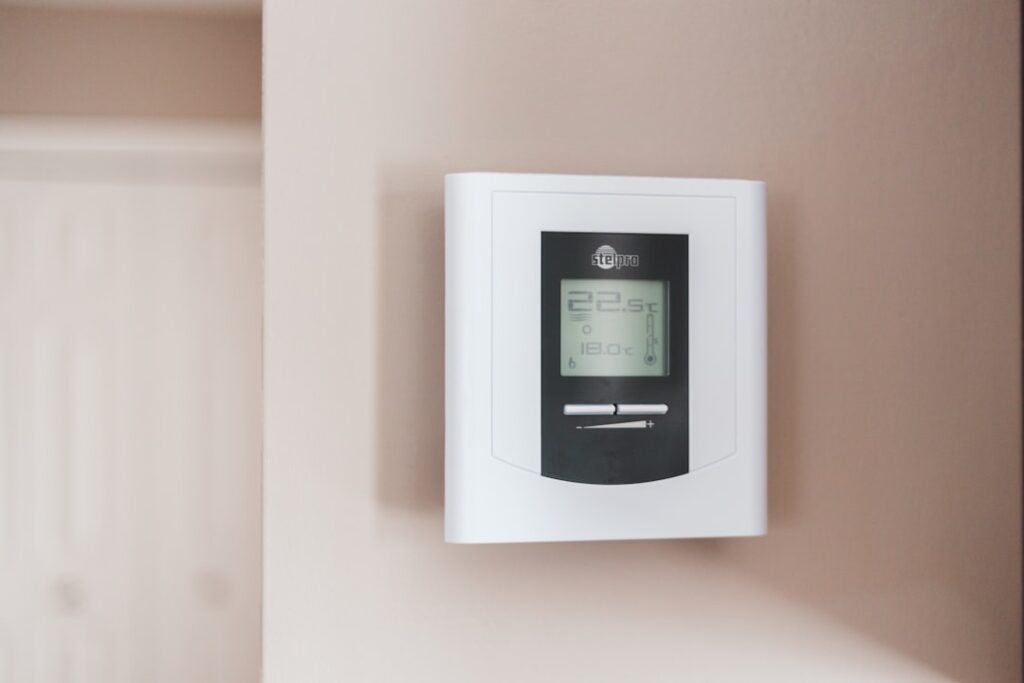
Controlling indoor moisture is the single most effective way to prevent mold, and a humidity controller automates that job. Instead of guessing when to run a dehumidifier or fan, the device measures relative humidity and switches equipment on and off to hold a target range. For Front Range homeowners dealing with damp basements in spring and dry air in winter, this small piece of equipment can make a real difference. This guide summarizes EPA and CDC guidance current as of 2026 — consult a certified professional for testing and remediation decisions.
Dealing with mold or water damage? Talk to a remediation pro now.
📞 Call (833) 723-1134What is a humidity controller?
A humidity controller, also called a humidistat, is a device that monitors relative humidity and automatically operates connected equipment to keep moisture within a set range. It works much like a thermostat, but for humidity instead of temperature. When the air gets too damp, it activates a dehumidifier or exhaust fan; when conditions are fine, it shuts the equipment off.
Some humidity controllers are built into dehumidifiers and HVAC systems. Others are standalone units with an outlet you plug a device into, so the controller cuts power once the target is reached. Either way, the goal is steady moisture control without constant manual attention.
How does a humidity controller help prevent mold?
Mold needs moisture to grow, and the EPA recommends keeping indoor relative humidity below 60 percent, ideally between 30 and 50 percent. A humidity controller holds conditions in that range automatically, removing the guesswork that lets dampness creep up unnoticed. Consistent control is more effective than reacting after you smell or see a problem.
By preventing the sustained dampness mold depends on, a humidity controller addresses the root cause rather than the symptom. It pairs naturally with other moisture management. Our guide on the dehumidifier for home use explains how the equipment a controller switches on actually removes water from the air.
Humidity control versus mold cleanup
A humidity controller is a prevention tool, not a remediation tool. It will not remove existing mold, but it removes the conditions that let mold return. After cleaning up growth and fixing leaks, holding humidity in range is how you keep the problem from coming back.
Where should you use a humidity controller?
The best locations are spaces that stay damp or swing widely in moisture. Basements top the list, especially along the Front Range where snowmelt and spring rain raise humidity. Crawl spaces, where a controller can manage a dedicated dehumidifier, are another prime spot. Bathrooms and laundry rooms benefit when a controller runs an exhaust fan automatically.
Storage rooms, wine cellars, and home gyms also benefit from steady humidity. In whole-home setups, a humidistat integrated with the HVAC system manages moisture across the house. Place sensors away from direct airflow, heat sources, and water so the readings reflect the room’s true conditions.
What humidity setting should you choose?
For mold prevention, target relative humidity between 30 and 50 percent. Many homeowners set a controller to maintain around 45 to 50 percent, which discourages mold and dust mites while staying comfortable. Going below 30 percent is rarely necessary and can make the air feel uncomfortably dry, particularly in Colorado’s already arid climate.
Seasonal adjustment helps. In humid spring and summer, the controller works to remove moisture. In dry winter, indoor air may already sit below the target, so the same device can prevent over-drying if it manages a humidifier instead. Watch your readings and adjust the setpoint as conditions change.
What types of humidity controllers exist?
Standalone plug-in controllers are the simplest. You plug a dehumidifier or fan into the controller, set the target humidity, and the unit cycles power as needed. These are inexpensive and ideal for basements and crawl spaces. Built-in humidistats come integrated into many modern dehumidifiers, letting you set a target on the appliance itself.
Whole-home humidistats tie into HVAC systems and manage humidity across the entire house, often alongside the thermostat. Smart controllers add app monitoring, data logging, and alerts when humidity drifts out of range. For tracking conditions in real time, a separate hygrometer can confirm that the controller is holding its target.
How do you install and maintain one?
Plug-in controllers require no installation beyond setting them up between the outlet and the equipment. Whole-home and HVAC-integrated units are best installed by an HVAC professional to ensure correct wiring and sensor placement. Mount sensors at a representative height, away from vents and damp spots that would skew readings.
Maintenance is light. Keep the sensor clean and dust-free, check readings periodically against a separate hygrometer, and replace batteries in battery-powered models. If readings seem off, recalibrate or replace the unit; an inaccurate controller can let humidity climb without you noticing.
How does a humidity controller compare to a hygrometer?
These two devices are often confused but serve different roles. A hygrometer measures and displays relative humidity so you can see current conditions. A humidity controller measures humidity too, but it also acts on the reading by switching equipment on and off to hold a target. Think of the hygrometer as a gauge and the controller as a gauge plus a switch.
Many homeowners use both. A standalone hygrometer in a problem room confirms that the controller is actually holding its setpoint, and it lets you spot trends the controller might not display. If a controller’s built-in sensor drifts out of calibration, a separate hygrometer reveals the discrepancy. Our guide on the hygrometer explains how to read and place these monitors for accurate results.
What problems can a humidity controller prevent?
Beyond mold, steady humidity control protects a home in several ways. Excess moisture warps wood floors and trim, peels paint, rusts metal, and feeds dust mites that aggravate allergies. In storage areas, high humidity damages documents, electronics, and stored fabrics. A controller that holds humidity in range guards against all of these slow forms of damage.
Over-drying carries its own problems, which a controller can also prevent when it manages a humidifier. Air that is too dry cracks wood, worsens static, and irritates skin and airways. In Colorado’s naturally arid climate, winter indoor air can fall well below comfortable levels, so a controller that maintains a balanced range serves both the damp-season and dry-season needs of a Front Range home.
How do you choose the right humidity controller?
Match the controller to the job. For a single damp basement or crawl space, an inexpensive plug-in unit paired with a dehumidifier is usually enough. For whole-home control, an HVAC-integrated humidistat installed by a professional makes more sense. Consider whether you want app monitoring and alerts, which help you catch problems while away from home.
Check the controller’s humidity range and accuracy, its switching capacity (so it can handle the equipment you plug in), and whether the sensor is built in or remote. A remote sensor lets you place the controller conveniently while measuring humidity at a more representative spot. Reliable accuracy matters most; a controller that reads humidity wrong will either let it climb or run equipment needlessly.
How does seasonal change affect humidity control?
Along the Front Range, indoor humidity swings sharply with the seasons, and a controller earns its keep by adapting to both extremes. In spring and summer, snowmelt, rain, and warmer air push basement humidity up, so the controller works to remove moisture by running a dehumidifier. The target stays in the 30 to 50 percent range that discourages mold and dust mites.
In winter, the situation often flips. Heating dries indoor air, and Colorado’s already arid climate can drop humidity uncomfortably low, cracking wood and irritating skin and airways. A controller managing a humidifier can prevent over-drying, holding humidity at the lower end of the comfortable range. Watching your readings across the year and adjusting the setpoint as conditions change keeps the home balanced. A separate hygrometer in a problem room confirms the controller is tracking real conditions rather than drifting out of calibration. Our guide on checking for mold in the home covers spotting the damp areas a controller should target.
When should you call a professional?
A humidity controller is a strong prevention tool, but it cannot fix an active mold problem or a structural moisture source. Call a certified mold professional if you already have visible growth, a persistent musty odor, or humidity that stays high despite running equipment. These point to a leak, drainage issue, or hidden source that needs expert attention. Our hub on mold inspection and testing for Front Range homeowners explains what an assessment covers.
Used as part of a moisture-control plan — alongside leak repair, ventilation, and proper drainage — a humidity controller keeps conditions in the range that mold cannot tolerate.
How does a humidity controller fit a whole-home plan?
A humidity controller works best as one part of a broader moisture strategy, not a standalone fix. It pairs with the equipment it switches — dehumidifiers, exhaust fans, or HVAC components — and with the structural measures that keep water out in the first place. Proper drainage, sealed crawl spaces, repaired leaks, and good ventilation reduce the moisture load the controller has to manage, letting it work less and last longer.
Think of the layers: the building envelope keeps bulk water out, ventilation removes moisture-laden air, and the humidity controller fine-tunes what remains to a safe target. When all three layers function, indoor humidity stays consistently in the 30 to 50 percent range that mold cannot tolerate. A controller asked to fight a leaking foundation alone will run constantly and still lose; supported by the other layers, it holds conditions easily.
What are signs your humidity control is failing?
Several clues indicate your humidity strategy needs attention. Condensation on windows, a clammy feel in the basement, a musty smell, and equipment that runs nonstop without bringing readings down all point to trouble. A separate hygrometer reading well above your controller’s setpoint suggests the controller’s sensor has drifted or the equipment cannot keep up with the moisture load.
When these signs appear, check the obvious first: a full dehumidifier reservoir, a clogged drain line, a tripped breaker, or a sensor coated in dust. If the equipment is working but humidity stays high, the moisture source likely exceeds the system’s capacity, which points to a leak, drainage problem, or undersized equipment. Persistent high humidity despite a functioning controller is a signal to investigate the underlying cause. Our guide on the dehumidifier for a bedroom covers sizing for smaller spaces.
Is a humidity controller worth the cost?
For homes with a recurring moisture problem, the value is usually clear. A plug-in controller paired with a dehumidifier costs little and saves effort, since it manages humidity without daily attention and runs equipment only when needed, which can reduce energy use compared with leaving a dehumidifier on constantly. Preventing even one mold cleanup or one warped floor often offsets the modest price.
For homes that rarely see humidity problems, a controller may be optional, though it still offers peace of mind in a basement or crawl space that occasionally turns damp. Whole-home humidistats integrated with HVAC cost more and make the most sense during a system upgrade or in homes with chronic whole-house moisture swings. The right answer depends on how often your home struggles with humidity. For most Front Range basements that get damp in spring, a controller earns its keep by holding conditions in the safe range automatically rather than relying on memory and manual switches.
References
- Mold Cleanup in Your Home — U.S. Environmental Protection Agency
- About Mold and Your Home — Centers for Disease Control and Prevention
- Mold and Your Health — Colorado Department of Public Health and Environment
If high humidity keeps feeding mold in your Denver-area home despite your efforts, you can connect with a vetted local inspector through our contact page.