Humidity Control Packs: What Homeowners Need to Know
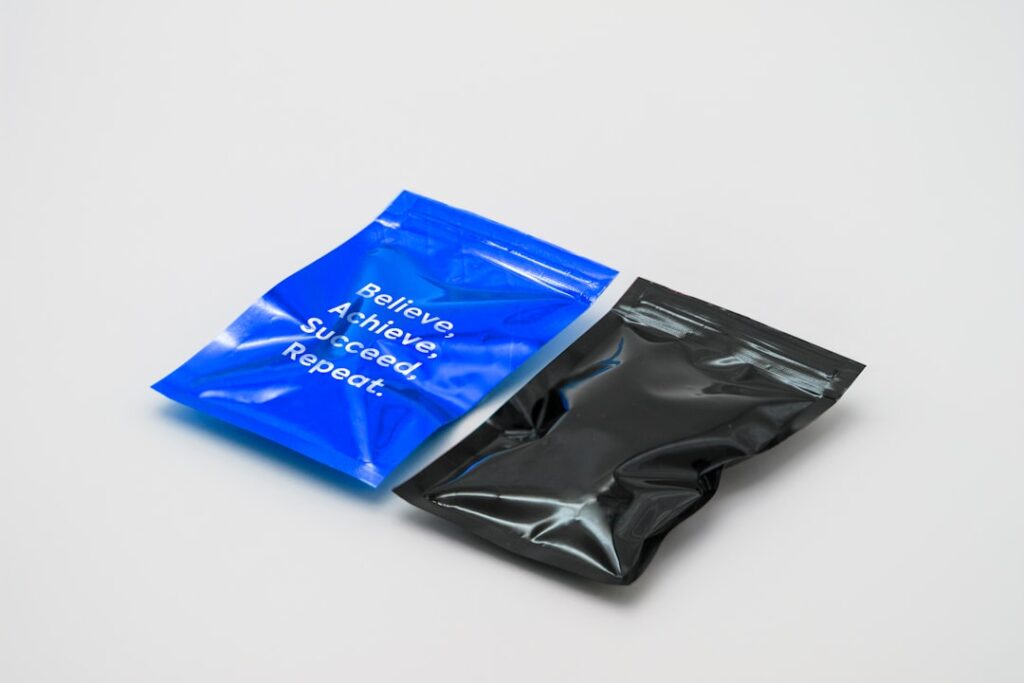
Damp air ruins more than comfort. It warps wood, spots paper, corrodes metal, and feeds mold inside closed spaces where you cannot run a dehumidifier. Humidity control packs solve that small-space problem by holding the air inside a container at a steady relative humidity. This guide explains what these packs do, how the two-way kind differs from old-fashioned desiccants, where they help, and where homeowners should reach for a bigger solution instead. The mold and moisture guidance here reflects EPA and CDC recommendations current as of 2026 and is general information, not a substitute for professional remediation advice.
Dealing with mold or water damage? Talk to a remediation pro now.
📞 Call (833) 723-1134What Humidity Control Packs Do
A humidity control pack is a small sealed pouch filled with a salt-and-water gel or a desiccant material. Placed inside a closed container, it manages the relative humidity of the trapped air. The best-known products are two-way packs, which both absorb and release moisture to hold a target level, such as 49, 62, or 72 percent relative humidity.
This two-way action is the key difference from a plain desiccant. A silica gel packet, the kind that comes in shoeboxes, only absorbs moisture until it is saturated, then does nothing. A two-way pack instead works toward an equilibrium: if the air is too humid, it pulls moisture in; if the air dries out, it gives moisture back. The result is a stable microclimate inside the container, which is exactly what sensitive items need.
How Two-Way Packs Work
Inside a two-way pack is a saturated salt solution held in a permeable membrane. The chemistry of that solution sets a fixed relative humidity it tries to maintain. As long as the container is reasonably airtight, the pack nudges the interior air toward that number and holds it there until the pack is exhausted.
Packs do not last forever. As they do their job, the gel slowly hardens or the pouch stiffens. Most last from a few weeks to several months depending on the container size, how often it is opened, and how humid the surrounding room is. A pack working hard in a leaky box in a damp basement will exhaust far faster than one in a sealed case in a dry room. When a pack turns hard and brittle, replace it.
Reading the Numbers
Relative humidity, or RH, is the share of moisture the air holds compared to the maximum it could hold at that temperature. The EPA recommends keeping indoor RH between 30 and 50 percent to limit mold growth in living spaces. Inside containers, the right target depends on the contents. Many archival and electronics applications aim for 40 to 50 percent, while some collectibles call for a specific number the manufacturer specifies. A small digital hygrometer placed in the container lets you confirm the pack is actually holding its target.
Where Humidity Control Packs Help
These packs shine in small, enclosed spaces where a dehumidifier would be impractical. Common uses include camera and lens cases, where condensation can fog optics and encourage mold on glass coatings. Gun safes and tool chests benefit because steady humidity prevents rust. Document and photo storage boxes, musical instrument cases for guitars and violins, and stored electronics all hold up better at a controlled RH.
Collectors use them for stamps, coins, trading cards, and cigars. In each case the goal is the same: keep a sealed microenvironment stable so moisture neither builds up nor dries the contents out. Pairing a pack with a tight gasketed container gives the best result, since a leaky lid lets room air constantly undo the pack’s work.
What Packs Cannot Do
Humidity control packs are a small-space tool, not a whole-room fix. They cannot dry out a damp basement, a humid bathroom, or a closet open to the rest of the house. The volume of air in a room overwhelms a pack almost instantly, and you would burn through packs with no measurable effect.
If a whole room feels clammy, condensation forms on windows, or you smell mustiness, the problem is room-scale and needs a room-scale answer: a dehumidifier, better ventilation, exhaust fans, or repairs to the moisture source. For tracking conditions across a room rather than a box, a standalone digital hygrometer gives you the readings you need to decide whether a dehumidifier is warranted. Packs are for sealed containers, full stop.
Humidity Packs and Mold Prevention
Mold needs moisture to grow, and the EPA and CDC both emphasize controlling moisture as the single most effective way to prevent it. Inside a sealed container, a two-way pack that holds RH below the roughly 60 percent danger zone makes it hard for mold to establish on stored items. That is why archivists and collectors rely on them for valuable paper, leather, and fabric.
The limit is the same as before: packs only protect the air inside their container. They do nothing for the structure of your home. If you are fighting mold on walls, in a basement, or behind fixtures, the answer is finding and fixing the water source plus proper remediation. Our broader hub on mold inspection and testing covers when to test, when to clean it yourself, and when to call a professional.
Using Packs Effectively
To get the most from a pack, match its target RH to your contents, size the pack to the container volume (manufacturers list coverage in liters or weight), and keep the container sealed. Verify with a hygrometer rather than assuming. Replace packs when they harden, and store spares in their original sealed wrapper so they do not exhaust before use.
Choosing and Maintaining Humidity Control Packs
When buying, decide on the target RH first, then the quantity. Underdosing a large case means the pack cannot keep up; one or two small packs cannot hold a footlocker steady. Buy from a brand that states the RH and coverage clearly. Some packs are reusable after drying in low heat, while others are single-use, so check the label.
Maintenance is simple. Check the hygrometer periodically, feel the packs for hardening, and swap them out on schedule. In a damp climate or a frequently opened container, expect shorter life and budget for more frequent replacement. Treat packs as part of a moisture strategy, not the whole strategy, and your stored gear, documents, and collectibles will hold up far better.
Two-Way Packs Versus Plain Desiccants
It helps to understand exactly how a two-way humidity pack differs from the silica gel and clay desiccants people are familiar with. A desiccant only removes moisture. It absorbs water vapor until it saturates, then stops working, and if conditions dry out it does not give the moisture back. That makes desiccants useful for keeping a sealed package bone-dry during shipping, but poor for items that need a specific humidity rather than the lowest possible one.
A two-way pack instead targets a set relative humidity and holds it from either direction. If the air in the container dries below the target, the pack releases moisture; if it rises above, the pack absorbs. For wood instruments, leather, paper, cigars, and many collectibles, that stability matters because over-drying causes cracking and shrinkage just as over-humidifying causes mold and warping. Choosing the right tool for the job means using a desiccant when you want maximum dryness and a two-way pack when you want a controlled, steady level.
Matching Packs to What You Are Storing
Different contents call for different target humidities, and getting this right is the key to using packs well. Cigars are typically kept around 65 to 72 percent so the tobacco stays supple. Many archival documents and photographs do best in the 40 to 50 percent range to slow chemical degradation without drying paper brittle. Cameras, lenses, and electronics generally favor 40 to 45 percent to discourage condensation and fungal growth on optics while avoiding static-inducing dryness.
Acoustic instruments such as guitars and violins often target 45 to 55 percent, since wood cracks when too dry and swells when too damp. For firearms and tools, the goal is simply staying below the roughly 60 percent threshold where rust accelerates, so a 49 or 50 percent pack works well. When in doubt, check the manufacturer’s recommendation for your specific items and select packs labeled with the matching number.
Sizing Packs to Container Volume
A single small pack cannot control a large case, and an oversized pack in a tiny container is wasteful. Manufacturers rate packs by the volume or weight they can manage, often in liters or grams. Estimate your container’s interior volume and choose enough packs to cover it. A large gun safe may need several large packs, while a single camera case needs just one small one. Underdosing is the more common error and leaves humidity drifting out of range, so when uncertain, round up.
Combining Packs With Whole-Home Moisture Control
Humidity control packs and home dehumidification are not competitors; they work at different scales and complement each other. Packs handle the sealed microenvironments a dehumidifier cannot reach, while a dehumidifier and good ventilation handle the rooms packs cannot touch. A homeowner protecting valuables in a damp basement gets the best result by lowering the room’s humidity with a dehumidifier and then using packs inside the cases and safes for an extra margin of stability.
This layered approach also reduces how hard the packs have to work. If a room sits at 70 percent, packs in a container fight that constantly and exhaust quickly. Drop the room to 45 percent and the packs barely have to do anything, lasting far longer. Controlling the broad environment first, then fine-tuning sealed containers with packs, is the most cost-effective way to protect moisture-sensitive items over the long term.
References
- Mold and Health — U.S. Environmental Protection Agency
- About Mold — Centers for Disease Control and Prevention
- Mold Cleanup in Your Home — U.S. Environmental Protection Agency