Water Damage Restoration: Process, Timeline, Costs and Mold Risk
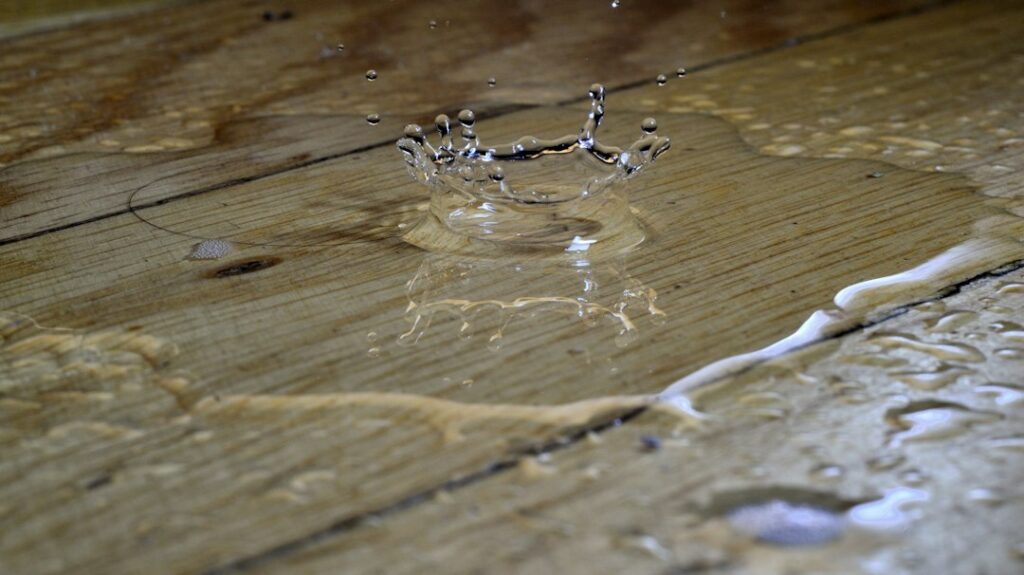
A burst supply line, a failed water heater or a sewer backup can turn a finished basement into a construction site in an afternoon. What happens over the next two days often decides whether the job ends with new drywall and paint or grows into a mold problem, a contents loss and a drawn-out insurance claim. Water damage restoration is the structured process of stopping the water, removing it, drying the building to a measured standard and rebuilding what could not be saved. This guide walks through how professionals classify water, the steps of a typical job, why speed matters for mold, how insurance usually treats different kinds of losses, how to vet a restoration company and what costs commonly look like. It summarizes EPA guidance and widely used industry practice current as of 2026; consult your physician about symptoms and a qualified professional for decisions about your specific property.
Part of our Moisture Meters & Water Damage Detection guide — start there for the full picture →
Is this mold, asbestos, or water damage? Get a free instant screen
Upload a clear photo of the suspect area. You'll get an instant AI screening opinion and what to do next. This is screening guidance, not a professional determination.
Screening guidance only. AI can be wrong. Confirm asbestos, mold type, or lead with lab testing or a licensed professional before acting.
What Water Damage Restoration Involves
Water damage restoration is the process of returning a water-damaged building to its pre-loss condition. In practice, that means stopping the source, extracting standing water, drying structural materials with air movers and dehumidifiers, verifying dryness with moisture meters, removing materials that cannot be dried or cleaned, sanitizing affected areas and then rebuilding. The goal is not just a surface that looks dry. It is a structure whose framing, subfloor and wall cavities are back to normal moisture levels, so that mold and decay do not follow weeks later.
Restoration differs from remediation. Restoration deals with water and the materials it soaked. Mold remediation deals with growth that has already started. When a water loss is handled quickly, remediation is often never needed. When it is not, the two jobs overlap, and the scope and price climb. Our mold inspection and testing hub covers what to do if growth is already visible or suspected.
Categories and Classes of Water
Most restoration contractors in the United States follow the IICRC S500 standard for professional water damage restoration. Two of its concepts shape almost every estimate you will see: the category of water, which describes contamination, and the class of water damage, which describes how much evaporation the job requires.
Category 1: Clean Water
Category 1 water comes from a sanitary source, such as a broken supply line, an overflowing sink with no contaminants or a failed ice-maker connection. It poses little immediate health risk. Carpet, pad and many building materials can often be dried in place if the response is fast.
Category 2: Grey Water
Grey water carries meaningful contamination. Typical sources include washing machine discharge, dishwasher overflow, a toilet overflow containing urine but no feces, and aquarium or waterbed leaks. Pad usually comes out, and affected surfaces need cleaning with an appropriate antimicrobial product.
Category 3: Black Water
Black water is grossly contaminated. Sewage backups, toilet overflows containing feces, rising floodwater from rivers or streams, and any water that has picked up soil, chemicals or pathogens fall here. Porous materials it touches, such as carpet, pad, drywall and insulation, are generally removed and discarded rather than dried. Workers wear protective equipment, and occupants, especially children, older adults and anyone with a weakened immune system, are usually kept out of the work area.
Category is not fixed. Clean water that sits for a few days in a warm basement can degrade to Category 2 or 3 as bacteria multiply and it picks up contaminants from flooring and soil. That is one more reason quick extraction matters.
Classes of Water Damage
Class describes the evaporation load. Class 1 is a small, low-absorption loss, such as part of a room with little porous material wet. Class 2 involves a whole room, with water wicking up walls and soaking carpet and pad. Class 3 is the heaviest saturation, often from overhead water that soaked ceilings, insulation and walls. Class 4 covers specialty drying situations, such as hardwood, plaster, concrete or deep pockets of saturation where water has to be pulled out of dense materials slowly. Higher classes need more air movers, more dehumidification capacity and more days on site.
Best Shop Vac: our top 3 picks
| Product | Best for | Key features | Price | Buy |
|---|---|---|---|---|
| CRAFTSMAN CMXEVBE17594 12 gal | Best overall for most homes |
| $129.99as of Nov 19, 2026 4:01 pm GMT+0000 | Buy now →Check current price |
| CRAFTSMAN CMXEVBE17595 16 gal | Flooded basements and big jobs |
| $149.99as of Nov 19, 2026 4:01 pm GMT+0000 | Buy now →Check current price |
| STANLEY SL18115P 5 gal | Highest stated airflow |
| — | Buy now →Check current price |


Prices are Amazon’s listed prices as of the time shown and change often; check Amazon for today’s price. As an Amazon Associate we earn from qualifying purchases.
The Restoration Process, Step by Step
Every loss is different, but well-run jobs tend to follow the same sequence. Knowing it helps homeowners recognize whether a contractor is doing the work properly or skipping steps.
1. Stop the Source and Make the Space Safe
The first task is to shut off the water, whether that means closing the main valve, capping a broken line or waiting for floodwater to recede. If water has reached outlets, baseboard heaters or a furnace, power to the affected area should be shut off at the panel before anyone walks in. Sewage losses call for gloves, boots and eye protection at minimum.
2. Inspect and Document
A good contractor photographs everything, notes the water category and class, and identifies the boundary of the wet area before moving furniture. This documentation is the backbone of any insurance claim. Homeowners should take their own photos and video too, including model and serial numbers on damaged appliances.
3. Extract Standing Water
Truck-mounted or portable extractors pull water out of carpet and off hard floors. Extraction removes far more water, far faster, than evaporation ever will, so thorough extraction shortens the drying phase. Submersible pumps handle deeper water in basements.
4. Remove Unsalvageable Materials
Wet carpet pad from a grey or black water loss, swollen particleboard, saturated insulation and drywall that has wicked contaminated water usually come out. Contractors often make a flood cut, removing drywall a set distance above the visible water line so that wet insulation and the inside of the wall can dry. If the home was built before the 1980s, drywall, joint compound, flooring and textured ceilings may need asbestos testing before they are disturbed.
5. Dry With Air Movers and Dehumidifiers
Air movers blow across wet surfaces to speed evaporation. Dehumidifiers, typically large refrigerant or desiccant units, pull that moisture out of the air so it does not simply resettle in other materials. The two work as a system: air movers without enough dehumidification can raise indoor humidity and spread the problem. Wall cavities may be dried with injection systems through small holes, and hardwood floors with specialized mat systems. For smaller, ongoing humidity control after the job, a residential unit from our dehumidifier selection is often enough to keep a basement in a healthy range.
6. Monitor With Moisture Meters
Drying is measured, not guessed. Technicians take readings each day with pin and pinless moisture meters, compare wet areas to a dry reference spot in an unaffected part of the house, and record temperature and relative humidity. This moisture map shows when each material has reached its drying goal. Equipment should not be pulled until the readings say so. A typical drying phase runs about three to five days, though dense materials and Class 4 conditions can take longer.
7. Clean and Sanitize
Hard surfaces touched by grey or black water are cleaned and treated. Salvageable contents are cleaned, dried or packed out for off-site restoration. HEPA vacuuming and air scrubbing are common on contaminated jobs.
8. Rebuild
Once materials are dry, reconstruction begins: insulation, drywall, texture, paint, trim, flooring and cabinets. Some restoration firms do the rebuild themselves; others hand it to a general contractor. Rebuilding before materials are truly dry is one of the most common causes of mold appearing behind fresh drywall months later.
Why the 24 to 48 Hour Window Matters for Mold
The EPA advises that water-damaged areas and items be dried within 24 to 48 hours to prevent mold growth. Mold spores are present nearly everywhere indoors, and they need only moisture and an organic food source, such as drywall paper, wood or carpet backing, to start growing. A wet basement in August gives them both.
This is why restoration companies advertise around-the-clock response. Every hour of standing water pushes moisture deeper into wall cavities and subfloors, raises the drying load and increases the odds that some material will have to be torn out instead of dried in place. It is also why it pays to move quickly even when the damage looks minor. A slow leak that soaked the bottom of a wall cavity can stay wet inside long after the visible surface feels dry.
If the 48-hour window has already passed, or if a musty odor or staining appears later, the situation shifts toward mold assessment. Rather than repeat that material here, our guides on mold from water damage and water damage mold remediation explain how growth is assessed, contained and removed. The EPA’s general rule of thumb is that areas larger than about 10 square feet of mold warrant professional help.
Insurance Basics: Sudden vs Gradual Damage
Insurance is where many homeowners get surprised. Policy language varies widely, so treat the following as general patterns rather than a promise of coverage; your declarations page, endorsements and adjuster have the final word.
- Sudden and accidental damage, such as a supply line that bursts or a washing machine hose that splits, is commonly covered by standard homeowners policies, subject to the deductible.
- Gradual damage, such as a slow drip under a sink for months or chronic seepage through a foundation, is often excluded as a maintenance issue. Mold resulting from long-term leaks may also be excluded or capped.
- Flood damage from surface water or rising water is typically excluded from standard homeowners policies and requires separate flood insurance, such as a policy through FEMA’s National Flood Insurance Program.
- Sewer and drain backup is frequently excluded unless a specific water backup endorsement was added to the policy.
A few practical steps help any claim. Report the loss promptly. Take reasonable steps to prevent further damage, since policies generally expect mitigation. Keep receipts for emergency work and any hotel stays. Save samples of removed materials if the adjuster has not yet seen them, or at least photograph them with a tape measure for scale. And remember that the homeowner, not the restoration company, chooses the contractor. Insurers may suggest preferred vendors, but most policies do not require using them.
How to Choose a Water Damage Restoration Company
Water losses create urgency, and urgency is when people sign things they later regret. A few minutes of checking can avoid a long dispute.
What to Look For
- Training and certification. Technicians trained to the IICRC water damage restoration standard are common among reputable firms. Ask which certifications the crew on your job actually holds.
- Licensing and insurance. Confirm general liability and workers’ compensation coverage. In Colorado, many cities, including Denver, Aurora and Colorado Springs, have their own contractor licensing for rebuild work.
- Written moisture documentation. Ask for daily moisture readings and a drying log. Firms that measure and record are easier to hold accountable, and adjusters expect this data.
- Clear pricing method. Many restorers price with the same estimating software insurers use. That is normal, but you should still receive an itemized estimate.
- Local references. Recent reviews for jobs similar to yours, especially in basements, carry more weight than a high overall star count.
Red Flags
- Pressure to sign a work authorization that also assigns your insurance benefits to the company, before you have read it.
- Large upfront deposits demanded before any work begins on an insured loss.
- No moisture readings, or equipment pulled after a fixed number of days regardless of measurements.
- Claims that mold can be fixed with a spray alone, or that a fogging treatment replaces removal of wet, contaminated materials.
- Door-to-door solicitation after storms, especially by out-of-state crews with no local address.
Separating the people who assess from the people who repair can also help on larger losses. An independent inspector or mold assessor has no stake in how much material gets removed, which makes their findings more useful to you and to an adjuster.
Water Damage Restoration Costs
Costs vary with category, class, square footage, materials, access and local labor rates, so any figure is an estimate. Industry estimates suggest the following broad ranges for residential jobs in 2026:
- Small Category 1 loss (one room, quick response, little demolition): often in the low thousands of dollars, sometimes less.
- Typical finished-basement loss with extraction, flood cuts and several days of drying: commonly several thousand dollars for mitigation alone, before any rebuild.
- Category 3 sewage or flood losses: frequently higher per square foot because of protective equipment, disposal and more aggressive removal of porous materials.
- Reconstruction: billed separately and driven by finishes. Replacing drywall, paint and carpet in a basement costs far less than replacing custom cabinets, hardwood or tile.
Equipment is usually billed per unit per day, so drying time directly affects the bill. That is another argument for fast extraction. If mold has already started, budget for a separate remediation scope; our mold remediation cost guide covers typical pricing for that work.
Preventing the Next Water Loss
Once the house is dry, the question becomes how to avoid a repeat. Many Front Range losses trace back to a handful of causes: failed washing machine hoses, water heaters at the end of their life, frozen pipes on exterior walls during cold snaps, ice dams, sump pumps that fail during heavy spring storms, and grading that sends roof runoff toward the foundation.
- Replace rubber washer hoses with braided stainless versions and check them yearly.
- Know where the main water shutoff is, and make sure it turns.
- Consider automatic shutoff valves or leak sensors near water heaters, washers and under sinks.
- Keep gutters clean and extend downspouts several feet from the foundation.
- Test the sump pump before spring runoff and thunderstorm season.
- Keep basement relative humidity in the 30 to 50 percent range the EPA recommends.
Where groundwater or seepage caused the loss, the longer-term fix is usually below grade. Our guide to basement waterproofing methods explains how to match the fix to the problem.
When to Bring in a Professional
Homeowners can reasonably handle a small, clean-water spill that is caught immediately: mop, run fans and a dehumidifier, and check with a moisture meter after a day or two. Call a restoration professional when water has soaked into walls, ceilings or carpet over a large area; when the source is grey or black water; when the water has been sitting for more than a day; or when the loss is big enough that you plan to file a claim. If you are buying a home that has had a past water loss, a home inspection with moisture readings in the affected areas, and a mold assessment if there are signs of growth, can show whether the earlier restoration was done well.
More Questions About Water Damage Restoration
Is water damage restoration worth it, or should you just rebuild?
Water damage restoration is usually worth it for clean-water losses caught within a day or two, because drying in place saves framing, subfloor, cabinets and sometimes hardwood that would otherwise be torn out. Full tear-out makes more sense after sewage water, long-standing leaks, or materials already growing mold.
A good restoration contractor uses moisture mapping to decide room by room. Expect a mix: some materials dried in place, others such as carpet pad, insulation and the lower section of drywall removed and replaced.
Does water damage get worse over time if not treated?
Untreated water damage gets worse over time. Within 24 to 48 hours mold can start growing on wet porous materials, within days drywall softens and wood swells, and over weeks or months subfloors delaminate, fasteners rust, and wood rot can weaken framing.
Slow leaks are especially costly because they stay hidden. They also tend to be excluded from insurance as gradual damage, so a stain left alone for months can turn a covered repair into an out-of-pocket one.
Do you have to disclose water damage when selling a house?
Most U.S. states require sellers to disclose known water damage, past flooding, and mold on the seller disclosure form, even when repairs were completed. Specific requirements vary by state, so check the local form or ask a real estate attorney.
Disclosure goes better with paperwork. Restoration invoices, moisture logs, photos of the dried structure and any clearance test results show buyers the loss was handled correctly. Undisclosed water damage discovered by a home inspector can derail a sale or lead to legal claims after closing.
What happens if water damage restoration is not done properly?
Improper water damage restoration usually shows up weeks or months later as musty odors, recurring mold, cupping floors, peeling paint or new stains at the original wet area. The root cause is almost always hidden moisture left in wall cavities, subfloors or under cabinets.
Ask for the drying logs showing that readings reached dry targets before rebuilding. If problems appear, a reputable contractor will usually return under warranty, and an independent inspector with a moisture meter and thermal camera can confirm whether moisture remains.
References
- A Brief Guide to Mold, Moisture and Your Home — U.S. Environmental Protection Agency
- Mold Cleanup in Your Home — U.S. Environmental Protection Agency
- Flood Cleanup to Protect Indoor Air Quality — U.S. Environmental Protection Agency
- National Flood Insurance Program — Federal Emergency Management Agency
- ENERGY STAR Certified Dehumidifiers — ENERGY STAR
Frequently asked questions
How long does water damage restoration take?
Drying alone typically takes about three to five days, confirmed with daily moisture readings. Demolition, sanitizing and rebuilding add time, so a full basement job can stretch from one week to several weeks depending on materials and contractor schedules.
How soon can mold grow after water damage?
The EPA advises drying water-damaged materials within 24 to 48 hours to prevent mold growth. After that window, the odds of growth inside walls, under flooring and on drywall paper rise quickly, especially in warm conditions.
Does homeowners insurance cover water damage restoration?
Many policies cover sudden and accidental losses, such as a burst pipe, subject to the deductible. Gradual leaks, flooding from surface water and sewer backups are often excluded unless separate flood coverage or a backup endorsement is in place. Check your policy and talk to your adjuster.
What is the difference between clean, grey and black water?
Clean water comes from a sanitary source like a supply line. Grey water carries some contamination, such as washing machine discharge. Black water is grossly contaminated, like sewage or floodwater, and porous materials it touches are usually removed rather than dried.
Can I dry out water damage myself?
Small, clean-water spills caught right away can often be handled with extraction, fans and a dehumidifier, followed by moisture meter checks. Larger losses, contaminated water, wet wall cavities or water that sat for more than a day are usually better handled by a professional.
Will water damage restoration remove the smell?
Water damage restoration should remove the musty smell once wet materials are dried or replaced and the area is cleaned. Odor that persists after drying usually means hidden moisture or mold remains, often in a wall cavity, subfloor or carpet pad. Deodorizers and fogging only mask that problem.
Can hardwood floors be saved after water damage?
Hardwood floors can often be saved after clean-water damage if specialized floor drying mats start within a day or two. Mild cupping may flatten as the wood dries over several weeks. Boards soaked by sewage water, or floors with mold underneath, usually need replacement.
Does water damage restoration include rebuilding?
Some water damage restoration companies handle rebuilding, while others stop after drying and demolition and hand off to a general contractor. Ask up front. One company for both can simplify insurance billing, but separate contracts let the homeowner choose the rebuild contractor and compare prices.
Buying a Front Range home with a past water loss, or wondering whether a basement was dried out properly? Reach out through our contact page and we can connect you with a qualified local inspector who can check moisture levels and look for warning signs.