Fluffy Mold: What Homeowners Need to Know
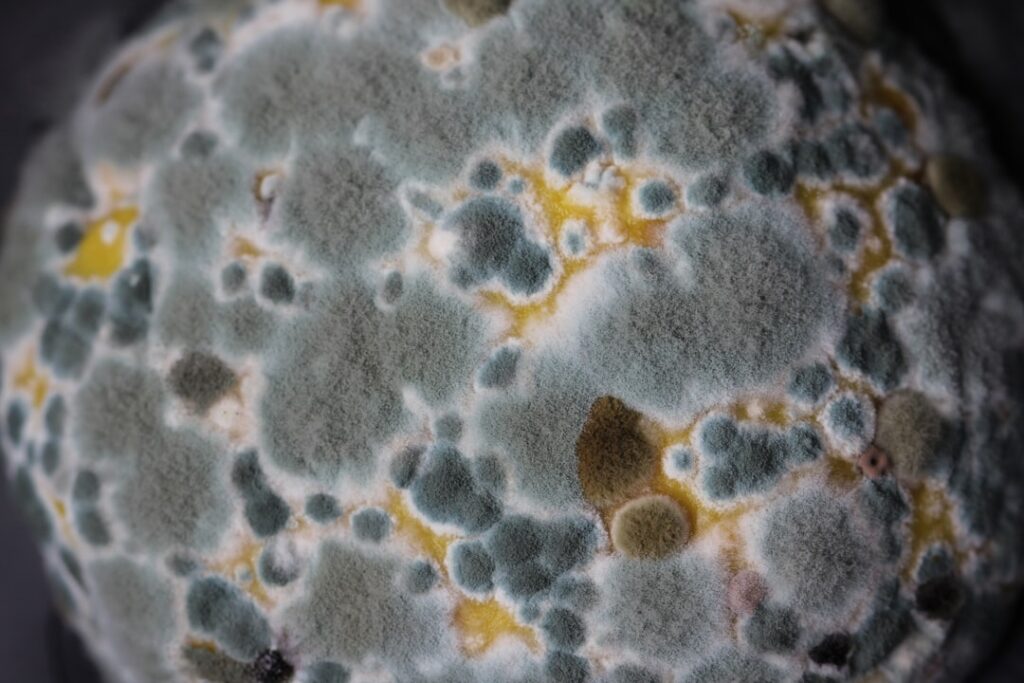
Cotton-like, fuzzy growth on a wall, a stored box, or a crawl-space joist has a distinctive look, and homeowners often describe it as fluffy mold. The texture is what stands out — soft, raised, and three-dimensional rather than flat staining. Fluffy mold is a real fungal growth that signals active moisture, and while its appearance can be alarming, the response is the same as for any indoor mold: remove it and fix the dampness. This guide summarizes EPA and CDC guidance current as of 2026 — consult your physician about symptoms and a certified professional for testing and remediation decisions.
Is this mold, asbestos, or water damage? Get a free instant screen
Upload a clear photo of the suspect area. You'll get an instant AI screening opinion and what to do next. This is screening guidance, not a professional determination.
Screening guidance only. AI can be wrong. Confirm asbestos, mold type, or lead with lab testing or a licensed professional before acting.
What Fluffy Mold Is
Fluffy mold refers to mold growth with a soft, cotton-like, or fuzzy raised texture, often white but sometimes gray, green, or other colors. The fluffiness comes from the mold’s filaments — the hyphae — growing upward and outward into the air rather than staying flat against the surface, which usually indicates an active, well-fed colony with ample moisture.
It is not a single species. Several common indoor molds, including species of Penicillium, Aspergillus, and others, can take on a fluffy appearance under the right conditions. Because identifying the exact organism requires lab analysis, the texture and color are unreliable guides to how hazardous it is. What the fluffy texture does suggest is that conditions are right for vigorous growth — meaning a moisture source is actively feeding it. The broader picture of how appearance relates to risk sits in the mold inspection hub.
Why Texture Matters
Texture offers a clue, even though it is not a diagnosis. Flat, powdery growth often points to surface mildew that has stayed shallow. Fluffy, raised growth typically means the colony is mature and moisture is plentiful, so it has had room and water to develop its three-dimensional structure.
That distinction has practical value. Fluffy growth on a porous material like bare wood, drywall, or cardboard suggests the mold may have penetrated, not just settled on the surface. Disturbing fluffy mold also tends to release more spores than wiping flat staining, which is why containment and a respirator matter. The comparison between flat surface mildew and deeper growth is covered in the guide on the difference between black mold and mildew, and the same logic applies to judging fluffy versus flat textures.
Fluffy Mold vs. Look-Alikes
A few things resemble fluffy mold and are worth ruling out.
Efflorescence
On masonry, efflorescence forms white crystalline salt deposits, but these are gritty and crystalline rather than soft and fibrous, and they dissolve in water. Fluffy mold is fibrous and organic. Efflorescence appears only on concrete, brick, and block, not on wood or fabric.
Surface mildew
Mildew is typically flat and powdery, not raised and cotton-like. If the growth is three-dimensional and fuzzy, it is more developed than simple mildew.
Dust or lint accumulation
Soft gray buildup in still corners can be dust or lint rather than mold. Mold is anchored to and feeds on a damp surface, while dust sits loosely and is not tied to moisture. When unsure, a water dab and a check for a musty smell help — and treating it as mold is the safe default.
What Fluffy Mold Tells You About Moisture
The fluffy, three-dimensional structure is itself a diagnostic clue, and reading it can save you effort. Flat, powdery growth often reflects a surface that gets damp intermittently — a humidity spike, occasional condensation — and dries between episodes. Fluffy, raised growth, by contrast, typically indicates moisture that is plentiful and sustained, because the colony has had both the water and the time to develop its aerial filaments rather than staying pressed to the surface.
That distinction points you toward the kind of source to look for. Fluffy growth on a basement joist or crawl-space surface usually means a live, ongoing water problem nearby — a slow leak, standing water, ground moisture rising through bare earth, or a chronically humid pocket with no airflow. It is rarely the residue of a one-time event that has since dried. So when you find a fluffy colony, the productive next step is to hunt for the active moisture feeding it, not just to wipe the growth away. Removing the cotton-like patch without finding that water source almost guarantees it returns quickly, because the conditions that produced such vigorous growth are still in place.
Health and Home Risks
The CDC notes that mold exposure, regardless of texture, can cause allergic and respiratory symptoms: congestion, coughing, eye irritation, and worsened asthma. People with allergies, asthma, or weakened immune systems are more sensitive. There is no separate “fluffy mold disease,” and color and texture do not reliably indicate toxicity.
Because fluffy mold often signals active, plentiful moisture, the home risk can be meaningful. On structural wood that stays wet, prolonged growth can be followed by decay fungi that weaken the material. Disturbing a fluffy colony also releases spores readily, so cleanup deserves protective gear and containment. Anyone with persistent respiratory symptoms should consult a physician rather than self-diagnosing, especially if symptoms ease when away from home.
Does Fluffy Mold Damage What It Grows On?
Whether fluffy mold harms the material depends on the surface and how long it has been wet. On a sealed, nonporous surface it is largely cosmetic and wipes away. On porous materials — bare wood, cardboard, fabric, drywall — it can root in, and on structural wood the longer-term concern is the wood-decay fungi that often accompany sustained moisture and genuinely weaken framing and subflooring over time.
Because fluffy growth signals abundant, ongoing moisture, the materials it grows on are precisely the ones at risk of staying wet long enough for decay to follow. Porous belongings — cardboard boxes, paper, leather, badly affected fabric — are usually best discarded once they have grown fluffy mold, since thorough cleaning is rarely practical and the items hold spores. Structural wood is different: a screwdriver probe tells you a lot, with sound wood resisting and decayed wood letting the tool sink in. Firm wood that has only surface growth can often be cleaned and dried; soft, spongy wood is a structural matter for a professional. The earlier you catch fluffy growth, the more likely the underlying material is still salvageable rather than already compromised.
How to Clean Fluffy Mold
For a small area of surface growth on sound material — under roughly ten square feet — homeowners can usually handle it. Wear an N95 respirator, gloves, and goggles. Contain the area with plastic sheeting and shut off the HVAC so spores are not pulled into ducts. Mist the growth lightly first; because fluffy mold releases spores easily when disturbed, suppressing them matters more than usual.
Scrub the surface with detergent and water, the EPA’s preferred approach over routine bleach use. Wipe clean and dry the area thoroughly with fans and a dehumidifier. On porous materials that are saturated — bare wood, drywall, cardboard, fabric — surface cleaning will not reach mold that has penetrated, and those items often need to be discarded or the material replaced. Bag and seal all waste and remove it promptly. If the wood is soft, the area is large, or growth recurs, have a professional assess it, and the guide on black mold on insulation explains why some materials cannot be saved.
Where Fluffy Mold Shows Up in Homes
Fluffy mold favors the damp, still, out-of-sight places where moisture collects and airflow does not. Crawl spaces top the list in Front Range homes: bare earth or a thin vapor barrier lets ground moisture rise into joists and subflooring, and the poor ventilation traps humidity that feeds vigorous growth. Unfinished basements are next, where framing and stored belongings along cool foundation walls pick up condensation.
Stored items are a common host all their own. Cardboard boxes, leather goods, fabric, and wooden furniture left in a humid basement or against a cold wall can sprout fluffy white growth across their surfaces. Attic sheathing can grow it when exhaust fans vent into the attic or roof ventilation is poor and moist air condenses on the cold underside of the deck. Behind and beneath cabinets near plumbing, and around chronically damp windows, round out the usual spots. The shared thread is cool surfaces plus trapped, sustained moisture. Because these are places people rarely look, fluffy mold often becomes well established before it is noticed, which is one more reason periodic checks of basements, crawl spaces, and storage areas pay off.
Preventing Fluffy Mold
Prevention is moisture control. Keep indoor relative humidity below about 50 percent, which in Front Range basements and crawl spaces often means running a dehumidifier during humid periods. Improve airflow around stored items and in damp rooms, and keep cardboard and fabric off concrete and away from cold exterior walls.
Fix leaks promptly, dry wet materials within 24 to 48 hours, and seal crawl spaces where ground moisture rises. Because fluffy growth signals active moisture, finding and stopping that water source is especially important — a fluffy colony will regrow quickly if the dampness persists. Address condensation on cold surfaces in winter with insulation and better ventilation. Early action, while the growth is still small, prevents a far larger cleanup.
When to Call a Professional
Bring in a professional when growth is widespread, when fluffy mold covers structural wood, when it recurs after cleaning, or when occupants have health conditions that raise their risk. Professionals contain the work, use HEPA filtration, locate hidden moisture, and verify the result — important because fluffy mold disperses spores so readily.
Professional help is also valuable when you cannot find the moisture source. Active, fluffy growth almost always means a live water problem nearby, and a combined visual-and-moisture inspection can pinpoint it. For health questions, consult a physician. Solving the moisture cause is what keeps the area dry for good.
Because fluffy mold so often appears in crawl spaces and basements with a sustained water problem, the professional question is frequently as much about the moisture as the mold. An inspector who pairs moisture readings with a visual survey can determine whether the source is ground moisture through a failed vapor barrier, a plumbing leak, drainage pushing water toward the foundation, or condensation on cold surfaces. That diagnosis matters because the fix differs entirely — encapsulation and a vapor barrier for ground moisture, a plumber for a leak, grading and gutters for drainage, insulation and ventilation for condensation. Removing the fluffy growth is the easy part; identifying and correcting the abundant moisture that produced it is what actually ends the problem.
To summarize the practical approach: fluffy mold is real mold that signals plentiful, active moisture, and the texture is a clue rather than a separate hazard. Handle small surface patches on sound materials yourself with protective gear, containment, and thorough drying; discard porous belongings it has colonized; and treat the discovery as a prompt to hunt for the live water source feeding it. Reserve professional help for widespread growth, structural wood, recurrence, health concerns, or a moisture source you cannot locate. Because fluffy mold disperses spores so readily, careful, contained handling protects the rest of the home — but the lasting fix, as with every mold problem, is drying out the source.
References
- About Mold and Health — Centers for Disease Control and Prevention
- Mold Cleanup in Your Home — U.S. Environmental Protection Agency
- Mold and Health — National Institute of Environmental Health Sciences
- Mold and Your Health — Colorado Department of Public Health and Environment
If you have found fluffy mold and suspect an active leak in your Front Range home, connect with a vetted local inspector through our contact page to track down the moisture source.