Is Mold on Shoes Dangerous? Health Risks and Cleanup
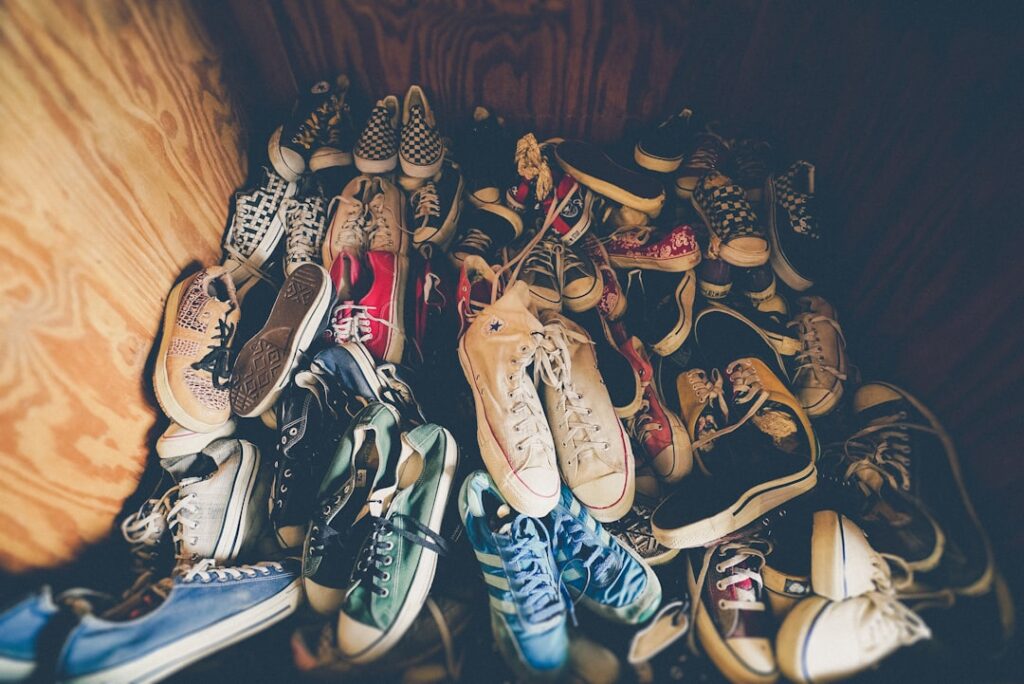
Pulling a pair of leather dress shoes or hiking boots out of a closet and finding a dusting of white, green, or gray fuzz is a common and unpleasant surprise. Two questions follow right away. Is mold on shoes dangerous to the people in the house, and can the shoes be saved? For most healthy adults, a moldy pair of shoes is a modest exposure and a solvable cleaning job, but the answer shifts for people with allergies, asthma, or a weakened immune system, and it shifts again depending on whether the shoe is leather, fabric, or rubber. The growth is also a message about the closet, basement, or entryway where the shoes were stored. This guide summarizes EPA and CDC guidance current as of 2026 and is not medical advice; consult a physician about symptoms and a qualified professional about testing or remediation.
Part of our Types of Mold guide — start there for the full picture →
Is this mold, asbestos, or water damage? Get a free instant screen
Upload a clear photo of the suspect area. You'll get an instant AI screening opinion and what to do next. This is screening guidance, not a professional determination.
Screening guidance only. AI can be wrong. Confirm asbestos, mold type, or lead with lab testing or a licensed professional before acting.
Is Mold on Shoes Dangerous?
Moldy shoes are rarely an emergency, but they are not harmless either. Mold growing on footwear produces the same spores and allergens as mold growing anywhere else, and brushing, handling, or wearing affected shoes can put those particles into the air or onto skin.
The CDC describes the range of possible reactions plainly: exposure to damp and moldy environments may cause a variety of health effects, or none at all. For some people, mold can cause a stuffy nose, sore throat, coughing or wheezing, burning eyes, or skin rash. The EPA notes that inhaling or touching mold or mold spores may cause allergic reactions in sensitive individuals, that molds can trigger asthma attacks in people with asthma who are allergic to mold, and that mold exposure can irritate the eyes, skin, nose, throat, and lungs of both mold-allergic and non-allergic people.
Who should be more careful
- People with mold allergies or asthma. The CDC says they may have severe reactions. They should avoid brushing off or cleaning moldy shoes themselves where possible.
- Immune-compromised people and those with chronic lung disease. The CDC states that they may get infections in their lungs from mold. Someone undergoing chemotherapy, living with an organ transplant, or managing a condition such as COPD has good reason to hand this job to someone else and to discuss any symptoms with a doctor.
- Infants, young children, and older adults. They are often more sensitive to indoor air irritants, so cleaning should happen outdoors and away from them.
Wearing moldy shoes
Wearing shoes with visible growth inside puts skin in direct contact with mold and the damp conditions that feed it. Chronically damp footwear is also associated with fungal skin and nail problems such as athlete’s foot, which involve different organisms from the mold on the outside of a leather loafer but thrive in the same moist environment. The safe rule is simple: do not wear shoes with visible interior growth until they are cleaned and fully dry, and replace insoles that cannot be cleaned. Any persistent rash, itching, or nail change is worth a visit to a clinician.
The bigger risk is often the room
Shoes do not grow mold on their own. They grow it because the space around them holds enough moisture. The EPA states plainly that there are many types of mold, and none of them will grow without water or moisture. If one pair is moldy, the closet walls, the stored luggage, the clothing on the next shelf, and the back of the closet door may be growing it too. Treating the shoes and ignoring the storage space usually means repeating the job next season.
Is It Mold? Look-Alikes on Shoes
Not every white or gray film on a shoe is mold. Before scrubbing or throwing a pair away, it helps to rule out a few common look-alikes.
Salt stains from winter sidewalks
Front Range winters bring deicing salt and magnesium chloride onto sidewalks, driveways, and parking lots. As wet boots dry, those minerals leave wavy white tide lines along the toe and sides. Salt stains are crusty or chalky, sit in bands that follow where the slush reached, and do not grow or spread. They respond to a leather salt-stain remover or a damp cloth with a mild vinegar-and-water mix, followed by conditioning.
Leather bloom or spue
Some leathers, especially oiled or waxed boots, can develop a hazy white or gray film as fats and waxes migrate to the surface in cool conditions. This bloom often looks uniform across large areas, wipes away easily with a soft cloth, and may soften or disappear with gentle warmth. It has no musty odor.
How mold usually differs
Mold tends to appear as raised, fuzzy, or powdery spots, often in clusters, and it may be white, green, gray, blue, or black. It favors seams, stitching, the tongue, the inside lining, and areas that stayed damp longest. A musty smell, growth on other items stored nearby, and spots that return after wiping all point toward mold. If you are unsure, treat it as mold: clean it outdoors with gloves and a mask, which does no harm if it turns out to be salt or bloom.
Stored leather goods beyond shoes, such as belts, handbags, and jackets, show the same patterns. If several of them develop fuzzy spots at once, the storage space is the problem, not the individual items.
Best At Home Mold Test Kit: our top 3 picks
| Product | Best for | Key features | Price | Buy |
|---|---|---|---|---|
| Varify 6-Pack | All-round DIY plate kit |
| $13.39as of Nov 25, 2026 9:07 pm GMT+0000 | Buy now →Check current price |
| KAYENQO 12-Test | Testing many rooms |
| $21.65as of Nov 25, 2026 9:07 pm GMT+0000 | Buy now →Check current price |
| Detekt Indoor Air Quality Kit | HVAC vents |
| $36.99as of Nov 25, 2026 9:07 pm GMT+0000 | Buy now →Check current price |


Prices are Amazon’s listed prices as of the time shown and change often; check Amazon for today’s price. As an Amazon Associate we earn from qualifying purchases.
Why Shoes Grow Mold
Footwear combines everything mold needs. Leather, suede, cotton canvas, cork footbeds, and the adhesives that hold shoes together are organic materials. Sweat, skin cells, and dust add more food. Insoles and padding hold moisture for a long time after a wet walk. The CDC lists fabric, upholstery, paper, wood, and dust among the materials mold grows on, and footwear checks several of those boxes at once.
Storage spaces that invite mold
- Closets on exterior walls. Cold walls in winter can cause condensation behind hanging clothes and shoe racks. Poor air circulation keeps that moisture in place.
- Basements and garden-level rooms. Below-grade spaces are cooler and often more humid than upper floors, especially in summer. The EPA’s guide shows a photo of mold growing on a suitcase stored in a humid basement, and shoes stored the same way fare no better.
- Plastic bins and sealed bags. Shoes boxed or bagged while still slightly damp trap that moisture with no way out.
- Entryways and mudrooms. Snow boots and running shoes left wet on a mat or in a cubby can start growing within days.
- Gym bags and car trunks. Sweaty athletic shoes sealed in a bag are a common source.
The Front Range pattern
Colorado’s dry air can make moldy shoes feel surprising. The upper floors of a Front Range home may sit at low humidity for much of the winter, yet the basement can be noticeably damper, particularly after spring snowmelt or summer storms, and in homes that run evaporative (swamp) coolers. Snow tracked indoors keeps boots and their storage area wet through the season. A single damp closet or basement storage room can grow mold on leather while the rest of the house feels dry.
If the shoes came out of a closet, our guides on black mold in the closet and black mold on clothes cover what else to check in that space. If they came from the basement, see our guide to basement humidity.
Leather, Fabric, and Rubber Shoes: Clean or Toss?
The EPA’s general rule applies directly to footwear: scrub mold off hard surfaces with detergent and water and dry completely, but absorbent or porous materials may have to be thrown away if they become moldy, because mold can fill the empty spaces and crevices of porous materials and be difficult or impossible to remove completely. The EPA also notes that mold may cause staining and cosmetic damage that cleaning cannot reverse. Where a shoe falls on that spectrum depends mostly on its material.
| Material | Cleanable? | Method (outdoors, with gloves and mask) | When to toss |
|---|---|---|---|
| Smooth leather | Often, if caught early | Dry-brush outside, wipe with mild soap and water, wipe again with a clean damp cloth, air-dry away from heat, then condition | Growth inside the lining, leather that stays stained or musty after drying, or cracking and peeling |
| Suede and nubuck | Sometimes, for light surface growth | Dry-brush with a suede brush outdoors; use a suede eraser or cleaner made for the material; avoid soaking | Matted nap, lasting stains, or growth that returns after cleaning |
| Canvas and fabric sneakers | Often, if the label allows washing | Brush off outdoors, remove laces and insoles, wash with detergent per the care label, air-dry completely with airflow | Moldy foam padding or collars, persistent odor, or growth that returns |
| Rubber, PVC, and smooth synthetics | Usually | Scrub with detergent and water; a diluted bleach solution is an option on colorfast rubber; rinse and dry | Rarely needed for the shell; replace moldy liners or insoles |
| Insoles, foam footbeds, and cork | Rarely | Surface-wipe only; growth tends to penetrate | Replace removable insoles; discard shoes with moldy fixed foam or cork footbeds if odor or staining persists |
Treat the table as a general guide rather than a guarantee. Shoe construction varies widely, and manufacturer care instructions should take priority. For related porous items, see our guides to mold on fabric and mold on wood, which cover the same clean-or-discard decisions for other belongings.
How to Clean Moldy Shoes Safely
Before cleaning, decide who should do it. Anyone with asthma, mold allergies, chronic lung disease, or a weakened immune system should ideally leave this to another household member. The EPA advises consulting a health professional before starting cleanup if you have health concerns.
Set up outdoors
Brushing dry mold releases spores, so do it outside, downwind, and away from open windows, not in a bedroom or bathroom. The EPA recommends limiting exposure with an N-95 respirator, gloves, and goggles without ventilation holes, and advises avoiding touching mold or moldy items with bare hands. Long gloves are a good idea if you will be reaching inside boots.
Step-by-step cleaning
- Remove laces and insoles. Laces can be washed separately. Insoles with visible growth are usually cheaper to replace than to clean.
- Dry-brush the surface. Use a soft brush on leather and a suede brush on suede. Work outdoors and brush away from your body. Discard paper towels or rags used in this step in a sealed bag.
- Clean by material. For smooth leather and rubber, wipe with a cloth dampened in a mild detergent solution, then with a cloth dampened in clean water. For washable canvas, follow the care label. For suede, stick to products made for suede and avoid saturating it.
- Treat the inside. Wipe the lining with a damp detergent cloth where you can reach. Stuff the shoe with clean paper to draw out moisture, and change the paper as it dampens.
- Consider a disinfectant only where appropriate. The CDC says mold can be removed from hard surfaces with household products, soap and water, or a bleach solution of no more than 1 cup of household laundry bleach in 1 gallon of water. That is suitable for colorfast rubber boots, not for leather or colored fabric. Never mix bleach with ammonia or other cleaners. The EPA notes that biocides are not recommended as a routine part of mold cleanup and that dead mold can still cause allergic reactions, which is why physical removal matters more than killing it.
- Dry completely. Air-dry in a well-ventilated spot with good airflow. Avoid direct heat from a radiator, hair dryer, or space heater, which can crack leather and weaken glue. Shoes are not done until the inside is fully dry.
- Condition leather. Once dry, a leather conditioner restores some of the oils lost in cleaning.
If the musty smell returns within a few days, or the growth reappears, mold is likely still in the padding or lining. At that point most pairs belong in a sealed bag and the trash. For laundering-style cleanup on soft goods, our guide on how to remove mold from fabric walks through options in more detail.
When to throw shoes away
- Growth inside fixed foam padding, collars, or cork footbeds that cannot be removed.
- A musty odor that persists after cleaning and complete drying.
- Shoes soaked by floodwater or sewage. The EPA advises calling a professional when water damage comes from contaminated water.
- Structural damage: cracked leather, failed glue, or crumbling midsoles.
- Anyone who will wear them is immune-compromised or has severe mold allergies.
- The cost of time and exposure exceeds the value of an inexpensive pair.
What Humidity Causes Shoes to Mold, and How to Measure It
Humidity is the factor most homeowners can measure and control. The EPA recommends keeping indoor humidity below 60 percent, ideally between 30 and 50 percent, and notes that relative humidity can be measured with an inexpensive humidity meter from a hardware store. The CDC advises keeping humidity levels no higher than 50 percent all day long, using an air conditioner or dehumidifier as needed.
A small digital hygrometer placed on the closet floor or the basement shelf where shoes are stored is the most direct way to know whether that spot stays within range. Check it at different times of day and across seasons. A closet that reads well above the rest of the house points to poor airflow, a cold exterior wall, or a nearby water source such as a bathroom or laundry. For background on the thresholds, see our guides on what humidity mold grows at and mold and humidity.
Signs the storage space needs attention
- Condensation on the closet’s exterior wall or window.
- A musty smell when the door opens.
- Mold on other stored items, such as leather belts, bags, luggage, or wooden furniture. Our guide on mold on furniture covers what to do with those.
- Peeling paint or dark spots on closet walls or ceilings.
If mold is growing on the walls themselves, the EPA’s threshold matters: areas under about 10 square feet are usually manageable for a homeowner, while larger areas or significant water damage call for a professional.
How to Prevent Mold on Shoes
Prevention comes down to dry shoes, dry air, and moving air.
- Dry shoes before storing them. After rain, snow, or a workout, remove insoles and let shoes air-dry fully in an open, ventilated spot before they go back into a closet or bin.
- Store in breathable containers. Cloth shoe bags or open racks beat sealed plastic boxes. If you use boxes, make sure the shoes are completely dry first.
- Keep air moving. Leave closet doors open periodically, avoid packing shoes against an exterior wall, and consider louvered doors on chronically stuffy closets.
- Control humidity. Run a dehumidifier in damp basements, use bathroom and laundry exhaust fans, and keep the closet within the EPA’s recommended range.
- Rotate pairs. Shoes worn daily rarely have time to dry inside. Alternating pairs gives each a full day to dry.
- Use cedar shoe trees or desiccant packs. They help absorb moisture inside the shoe, though they do not replace good storage conditions.
- Inspect seasonal footwear. Check boots and sandals at the start and end of each season, before mold has months to spread.
Our guide on how to prevent mold in the closet goes further into ventilation, shelving, and humidity fixes that protect everything stored there.
Testing and When to Call a Professional
You do not need a lab test to deal with moldy shoes. The CDC states that it does not recommend mold testing, that you do not need to know the type of mold to remove it, and that there are no set standards for acceptable amounts of mold in a home. The EPA likewise says sampling is usually unnecessary when mold is visible.
Testing and inspection make more sense for the space rather than the shoes: a musty closet or basement where you cannot find the source, recurring growth on multiple items, a history of leaks, or a household member whose health makes exposure a real concern. Our mold test kit category lists options for homeowners who want a screening sample, while a qualified inspector can check moisture levels in walls and floors and look for hidden growth. Our mold inspection guide explains how those visits work, and the mold types hub covers the common indoor species, including the Cladosporium, Penicillium, and Aspergillus molds the CDC names as the most common indoors.
More Questions About Mold on Shoes
Can mold on shoes cause athlete’s foot?
Mold on shoes is not the usual cause of athlete’s foot, which is caused by dermatophyte fungi that thrive in warm, damp footwear, but moldy and damp shoes create conditions that can encourage foot infections.
Wearing shoes that stay damp, sharing shoes or socks, and walking barefoot in locker rooms raise risk. Dry shoes thoroughly between wears, rotate pairs and wear moisture-wicking socks. Anyone with a rash, itching or skin changes on the feet should see a doctor or pharmacist for diagnosis and treatment.
Can mold spread from shoes to other clothes?
Mold spores from moldy shoes can spread to other items in a closet, especially in a damp, enclosed space, but they will only grow if those items are also damp.
Remove moldy shoes and clean them outdoors, then check nearby items for musty smells or spots. Wash clothing that smells musty and dry it thoroughly. Improve closet ventilation and keep humidity below about 50 to 60 percent. Storing shoes in breathable bags or open shelves helps prevent mold from spreading.
Can you wash moldy sneakers in the washing machine?
Many canvas and fabric sneakers can be washed in the washing machine to remove mold, using a gentle cycle, cold or warm water, detergent and an oxygen bleach booster.
Remove laces and insoles, brush off loose mold outdoors first, and place shoes in a mesh bag with towels to reduce banging. Air-dry shoes completely, stuffed with paper, away from direct heat. Leather and suede shoes should not go in the washer. Check the manufacturer’s care instructions.
Is white mold on shoes dangerous?
White mold on shoes is not more dangerous than other molds, but any mold growth indicates damp conditions and can trigger allergies or irritation in sensitive people.
White fuzz on leather may also be salt deposits or leather spue, a waxy bloom. Mold wipes away and often smells musty, while salt stains are crusty and spue reappears as a white film. Clean mold outdoors with protective gloves and a mask, and dry shoes completely. People with asthma or immune problems should avoid handling heavy mold.
References
- A Brief Guide to Mold, Moisture and Your Home — U.S. Environmental Protection Agency
- Mold Cleanup in Your Home — U.S. Environmental Protection Agency
- Mold — Centers for Disease Control and Prevention
Frequently asked questions
Can you get sick from mold on shoes?
Some people can. The CDC says mold may cause a stuffy nose, sore throat, coughing, wheezing, burning eyes, or skin rash in sensitive people, with more severe reactions in people with asthma or mold allergies. Immune-compromised people face a higher risk and should avoid handling moldy items.
Is it safe to wear shoes that had mold on them?
Shoes that have been cleaned, fully dried, and no longer smell musty are generally fine to wear. Avoid wearing shoes with visible growth inside, and replace insoles that cannot be cleaned. Anyone with a weakened immune system should be more cautious and may prefer to discard the pair.
Can moldy leather shoes be saved?
Often, if the growth is on the surface and caught early. Brush it off outdoors, wipe with mild soap and water, dry slowly away from heat, and condition the leather. If the lining smells musty after drying or stains remain, replacement is usually the better choice.
Does vinegar kill mold on shoes?
Diluted white vinegar is a common home remedy, but the EPA's core advice for hard surfaces is detergent and water followed by complete drying. Physical removal matters more than killing the mold, because dead mold can still trigger allergies. Test any product on a hidden area first.
What humidity makes shoes go moldy?
Mold risk rises when humidity stays high. The EPA recommends keeping indoor humidity below 60 percent, ideally 30 to 50 percent, and the CDC advises no higher than 50 percent. A hygrometer in the closet or basement shows whether storage areas stay in range.
Does sunlight kill mold on shoes?
Sunlight can help dry shoes and may reduce some mold, but it does not reliably kill all mold or remove it. Clean shoes first, then dry them in indirect sunlight, since strong sun can fade or crack leather and some synthetic materials.
Can rubbing alcohol clean mold off leather shoes?
A mix of equal parts rubbing alcohol and water can clean mold from leather shoes when applied with a soft cloth. Test on a hidden spot first, as it can dry or discolor leather. Condition the leather after cleaning and drying.
How long does it take shoes to grow mold?
Shoes can begin growing mold within days to a week if stored damp in a warm, humid, enclosed space. Shoes put away wet or kept in plastic bins, basements or cars are at highest risk. Drying shoes fully before storage prevents most growth.
A pair of moldy shoes can be the first clue to a damp closet or basement. If you are in Denver or elsewhere on the Front Range and want a local inspector to find the moisture source, get in touch through our contact page.