Difference Between Black Mold and Mildew Explained
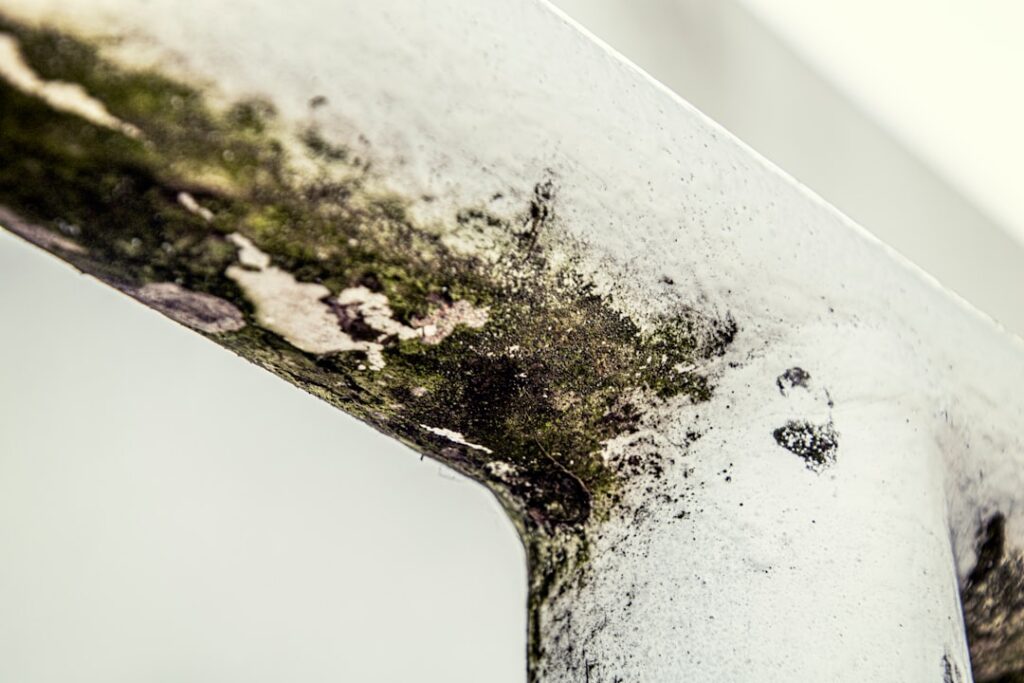
People use the words interchangeably, but the difference between black mold and mildew shapes how you should respond to each. Both are fungi, both thrive in damp conditions, and both belong to the broader mold family — yet they differ in how they look, how deeply they grow, and how much trouble they tend to cause. Mildew is generally a surface nuisance you can wipe away, while what people call black mold often signals a deeper, more established problem. This guide summarizes EPA and CDC guidance current as of 2026 — consult your physician about symptoms and a certified professional for testing and remediation decisions.
Is this mold, asbestos, or water damage? Get a free instant screen
Upload a clear photo of the suspect area. You'll get an instant AI screening opinion and what to do next. This is screening guidance, not a professional determination.
Screening guidance only. AI can be wrong. Confirm asbestos, mold type, or lead with lab testing or a licensed professional before acting.
The Difference Between Black Mold and Mildew
Mildew is a surface-level mold that typically appears flat and powdery in white, gray, or yellow tones and stays on top of a material. What homeowners call black mold is usually a darker, fuzzy or slimy growth that can penetrate porous materials and tends to indicate more serious or longstanding moisture. Both are types of mold, so the line is one of degree rather than a strict biological split.
The practical distinction is depth and severity. Mildew on a tile surface or shower curtain often wipes away with cleaner and a brush. Dark, penetrating mold on drywall, wood, or insulation frequently means moisture has been present long enough for growth to root in, which may call for material removal. The CDC cautions that color alone does not reliably indicate how hazardous a mold is, so both deserve cleanup. The related comparison of green mold versus black mold expands on how color fits in, and the mold inspection hub covers when testing helps.
Telling Them Apart by Appearance
Visual cues offer a reasonable first guess, even though only a lab can confirm species. Mildew tends to be:
- Flat and powdery rather than raised
- White, gray, or pale yellow, sometimes darkening with age
- On the surface of damp areas — tile, fabric, window sills
- Relatively easy to wipe or scrub away
What people label black mold tends to be:
- Fuzzy, slimy, or raised in texture
- Dark green, black, or brown
- Penetrating into porous materials like drywall, wood, or insulation
- Difficult to remove fully, often leaving staining
A quick test: dab the spot with a little water. Surface mildew often smears or lifts; penetrating mold resists. Still, because identification by eye is unreliable, the safe response is to treat both as growth to remove and to fix the moisture behind it. The guide on mold or mildew on wood shows how this plays out on framing and furniture.
What “Toxic Black Mold” Really Means
The phrase “toxic black mold” carries a lot of fear, and it is worth unpacking because it shapes how people react to a dark patch. It usually refers to Stachybotrys chartarum, a greenish-black mold that can grow on chronically wet, cellulose-rich materials like saturated drywall and wood. Under certain conditions some molds, including this one, can produce compounds called mycotoxins, which is the source of the “toxic” label.
The important context is that the EPA and CDC stress the response to any indoor mold is the same regardless of suspected species: remove it and control the moisture. You cannot identify Stachybotrys reliably by eye — plenty of harmless molds and ordinary mildew also look dark — and confirming species requires lab analysis. So while the term gets used loosely and often inaccurately, it does not change the practical plan. Whether a dark growth is the feared variety or a common mold, a homeowner cleans small surface areas, removes saturated porous material, fixes the water, and calls a professional for large or recurring growth. The fear attached to the phrase is best channeled into prompt, careful action rather than panic.
How They Grow and Where
Both need moisture and an organic or damp surface, but they favor slightly different conditions. Mildew commonly appears on damp surfaces with poor airflow — bathroom tile, shower curtains, window sills, and stored fabrics in stuffy spaces. It often shows up quickly after a humid stretch and stays shallow.
Penetrating dark mold tends to follow chronic wetness: a slow plumbing leak, a roof failure, ground moisture in a crawl space, or repeated condensation on cold surfaces. It establishes in porous materials and spreads as long as the moisture lasts. Front Range homes see both — mildew in under-ventilated bathrooms and deeper growth in damp basements or behind walls after winter condensation. The shared driver is moisture, which is why the response always circles back to keeping surfaces dry.
The timeline tells you something about the cause. Mildew can appear within a day or two of a humidity spike and often retreats when the air dries, which is why it cycles with seasons and showers. Penetrating dark mold reflects longer-standing water — weeks or months — and does not simply fade when humidity drops, because the moisture feeding it is continuous rather than intermittent. So a growth that comes and goes with the weather usually points to ventilation and humidity, while one that sits and spreads regardless of conditions points to an active, ongoing water source like a leak. Reading that pattern helps you aim the fix at the right problem instead of treating every patch the same way.
Health Risks of Each
The CDC notes that both mildew and other molds can cause allergic and respiratory symptoms: sneezing, congestion, coughing, eye irritation, and worsened asthma. Sensitivity varies, and people with allergies, asthma, or weakened immune systems are more affected and may react at lower exposure.
There is no reliable way to judge toxicity by color, and the term “toxic black mold” is often used loosely. Some molds can produce compounds called mycotoxins under certain conditions, but the EPA and CDC stress that the appropriate response to any indoor mold is removal and moisture control, regardless of suspected species. Because dead mold can still trigger reactions, the goal is removal, not merely killing surface growth. Anyone with persistent symptoms should consult a physician.
A Simple Test to Tell Them Apart
When the visual cues leave you unsure, a couple of quick checks narrow it down without lab work. The water-dab test is the most useful: touch a little water to the spot and watch. Surface mildew often smears or lifts with light pressure, while penetrating mold resists and may have rooted into the material. A salt deposit like efflorescence, by contrast, tends to dissolve — though that only appears on masonry, not on the drywall or wood where you would suspect mold.
Texture and depth add more signal. Run a fingertip across the growth: flat and powdery leans toward mildew, while raised, fuzzy, or slimy leans toward a more developed mold. Press the underlying material; if it is soft or crumbling, moisture has been present long enough that you are likely past simple mildew. None of these checks identifies a species, and they should not be treated as a clean bill of health — the safe default remains removing any growth and fixing the moisture. But they do help you gauge whether you are facing a quick wipe-down or a deeper problem that may involve replacing material, which is the decision that actually matters.
How to Clean Mildew vs. Black Mold
The cleaning approach scales with depth and area. For surface mildew under roughly ten square feet, scrub with detergent and water while wearing gloves and ensuring ventilation, then dry the surface. Mildew on tile, fabric, or sealed surfaces usually responds well, and items like shower curtains can be laundered or replaced.
Penetrating dark mold is different. On nonporous surfaces, scrub and dry as with mildew. On porous materials that are saturated — drywall, carpet, bare wood — surface cleaning will not reach growth that has rooted in, and the material often needs removal. The EPA does not recommend bleach as a routine step and warns never to mix cleaning chemicals. For areas over ten square feet, growth from sewage or flooding, or growth that keeps returning, professional remediation is the right path, as detailed in the guide on how mold remediation works.
Preventing Both
Prevention is identical for each because both come down to moisture. Keep indoor relative humidity below about 50 percent, which in Front Range bathrooms, basements, and crawl spaces often means running exhaust fans and dehumidifiers. Improve airflow in damp rooms and around stored items.
Fix leaks promptly, dry wet materials within 24 to 48 hours, and address condensation on cold surfaces in winter. Reseal failing grout and caulk, keep gutters clear, and ventilate after showers and cooking. Catching either mildew or mold early — while it is still on the surface — is far easier and cheaper than removing established, penetrating growth from structural materials.
The early-warning value of mildew is worth emphasizing. Because mildew is the milder, shallower growth, it often shows up first on a surface that is starting to stay damp — before deeper, penetrating mold has a chance to establish. Treating recurring mildew as merely cosmetic misses that signal. A surface that mildews again and again after cleaning is telling you it remains wet, and persistent dampness is exactly what eventually invites the penetrating molds and the wood-decay fungi that do real harm. So the most useful response to a repeated mildew spot is not a stronger cleaner but a hard look at why that surface will not dry.
When to Call a Professional
Bring in a professional when growth is widespread, when dark mold has penetrated structural materials, when it recurs after cleaning, or when occupants have health conditions that raise their risk. Professionals contain the work, use HEPA filtration, locate hidden moisture, and verify the result.
A professional can also help distinguish a manageable mildew problem from deeper mold, and find the moisture source you cannot see. For health questions, a physician is the right resource. Solving the underlying water problem is what keeps both mildew and mold from coming back.
It bears repeating that the label — mildew or black mold — is far less important than the two questions that actually guide your response: has the growth penetrated the material, and where is the moisture coming from. A homeowner who answers those two questions correctly will handle the situation well whether the growth turns out to be ordinary surface mildew or a darker, deeper, penetrating mold. Energy spent debating the name is energy not spent on the moisture, and the moisture is the only thing that decides whether the problem returns.
For health concerns specifically, a physician is the right resource rather than a guess about species, and for documentation in a sale or insurance claim, professional sampling carries weight a homeowner’s identification never will. But for the day-to-day decision of how to respond to a patch on a wall, the practical plan is reassuringly consistent regardless of what you call the growth: protect yourself, remove small surface areas, replace saturated porous material, dry thoroughly, and fix the water. Treating that plan as the constant — and the label as a detail — keeps the response grounded in what actually works.
References
- About Mold and Health — Centers for Disease Control and Prevention
- A Brief Guide to Mold, Moisture and Your Home — U.S. Environmental Protection Agency
- Mold Cleanup in Your Home — U.S. Environmental Protection Agency
- Mold and Your Health — Colorado Department of Public Health and Environment
Front Range homeowners unsure whether they are dealing with simple mildew or a deeper mold problem can connect with a vetted local inspector through our contact page.